Slow living in the German lake district | Mecklenburgische Seenplatte
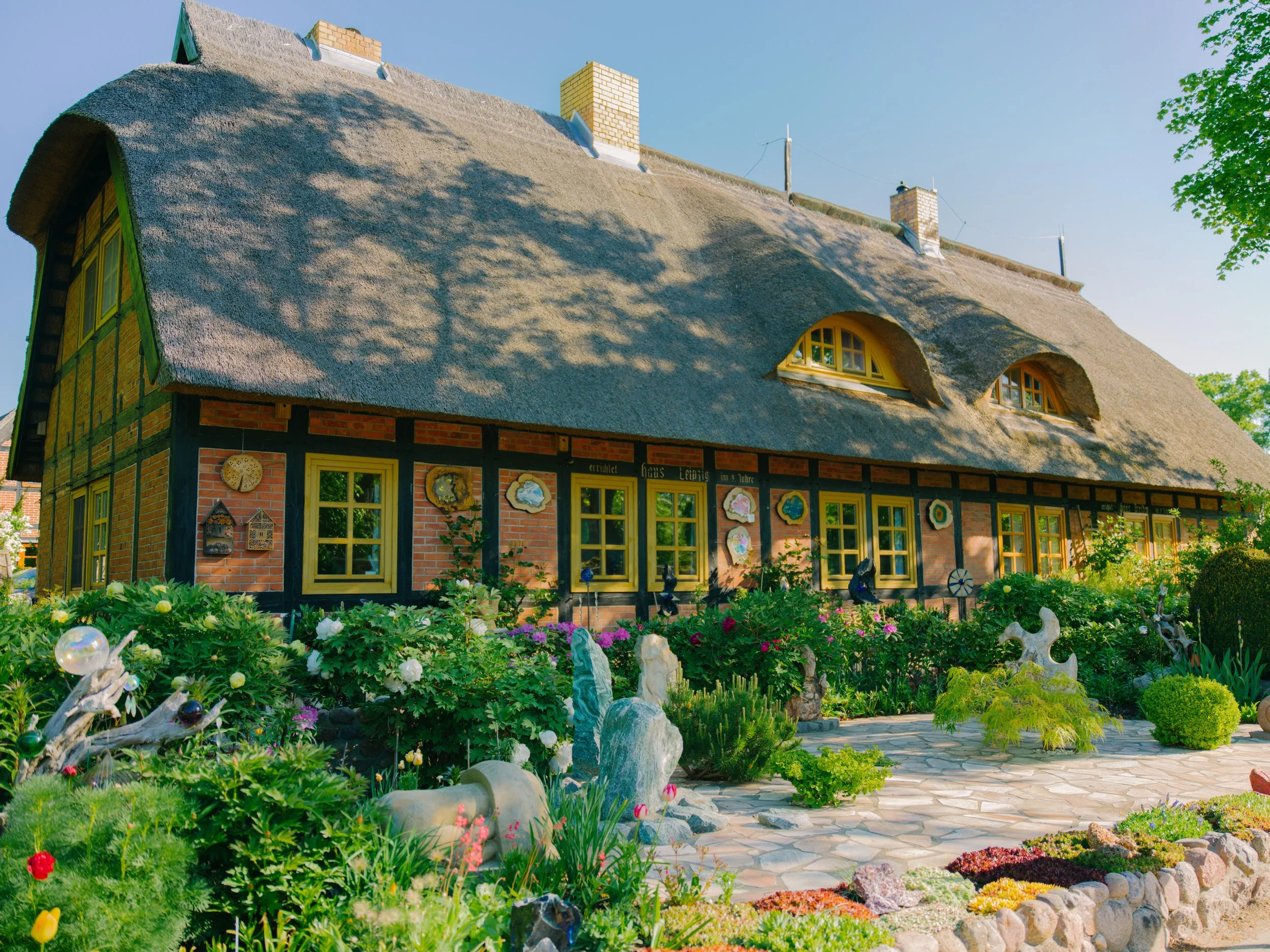
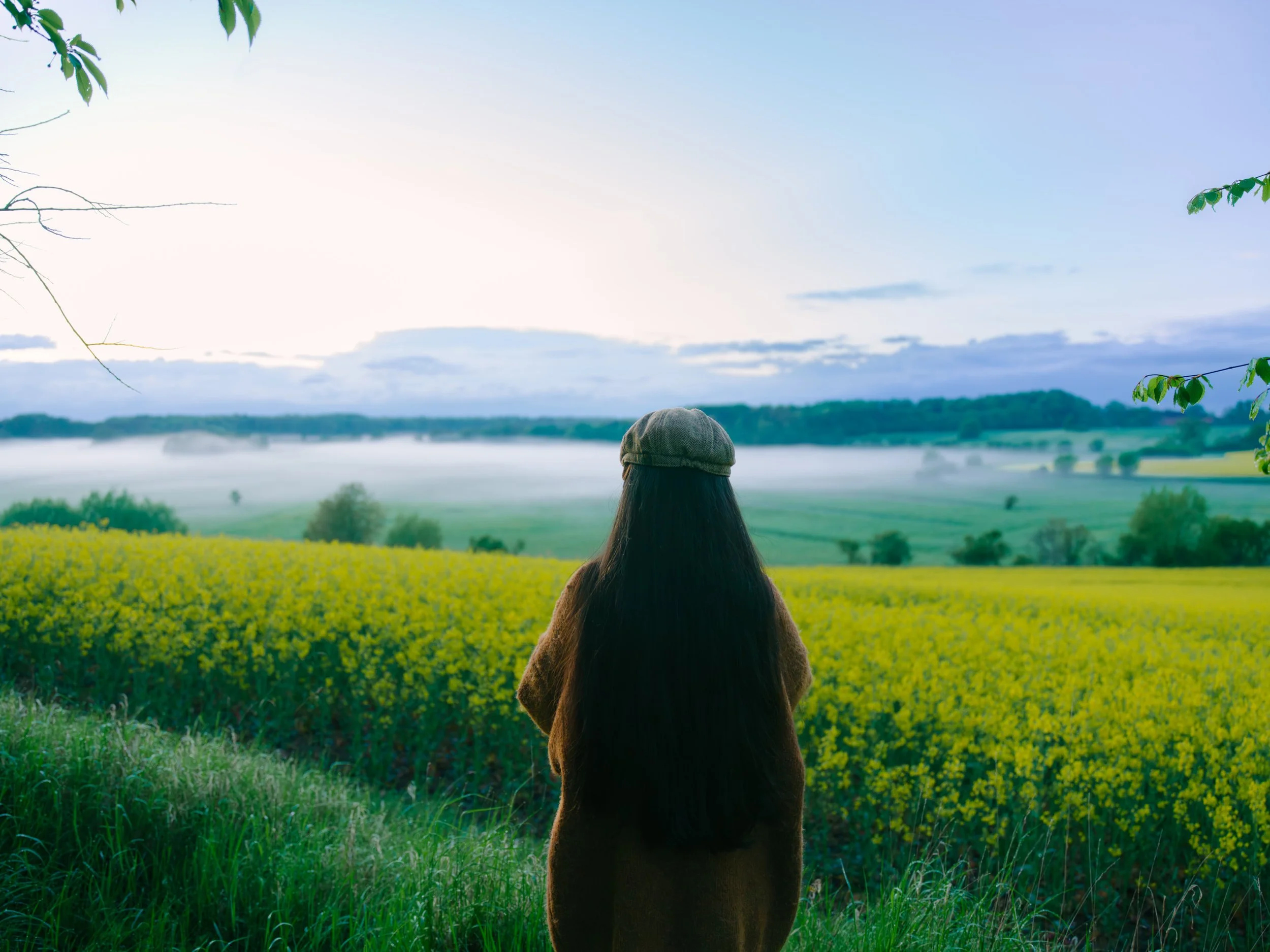
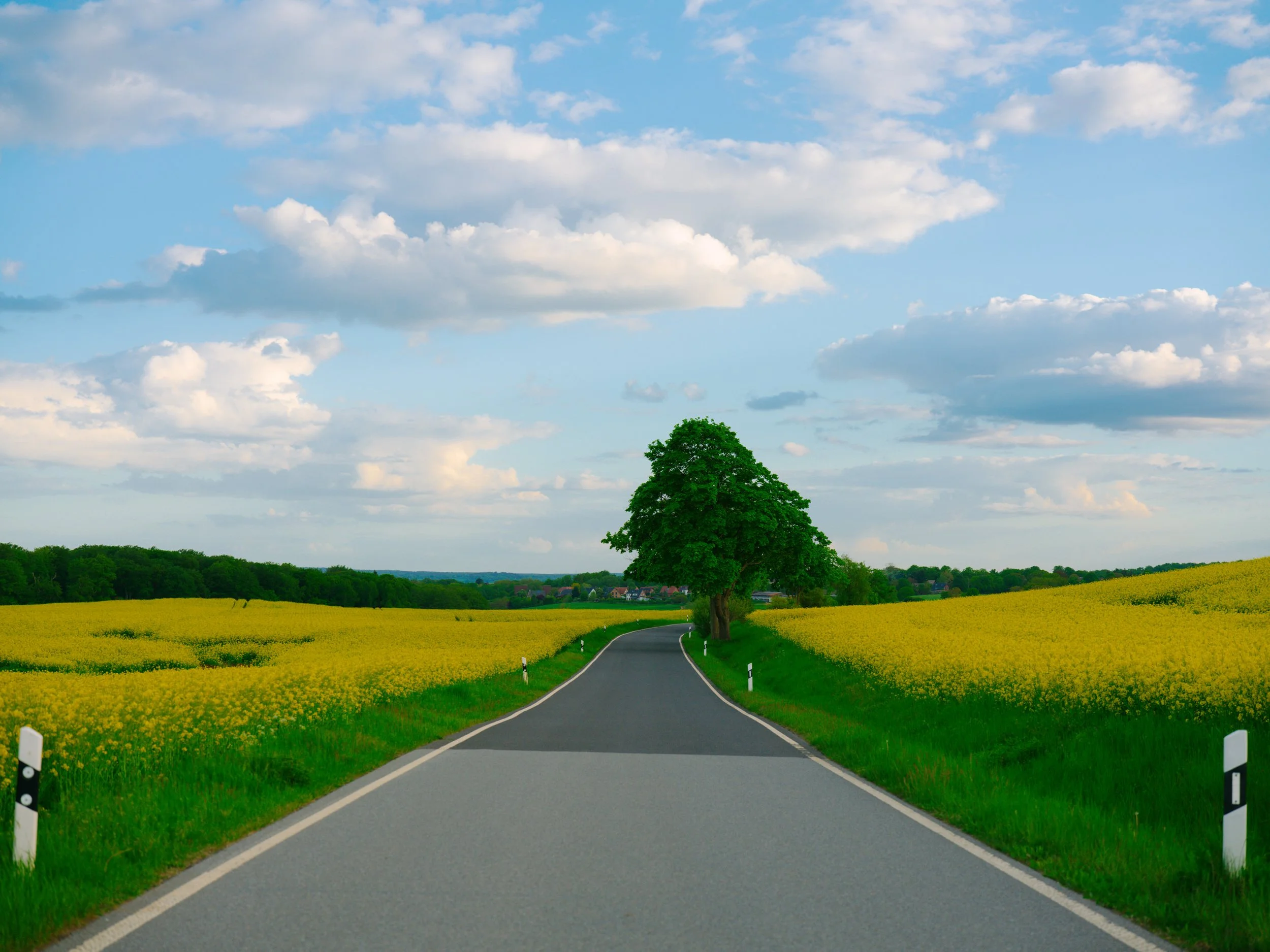
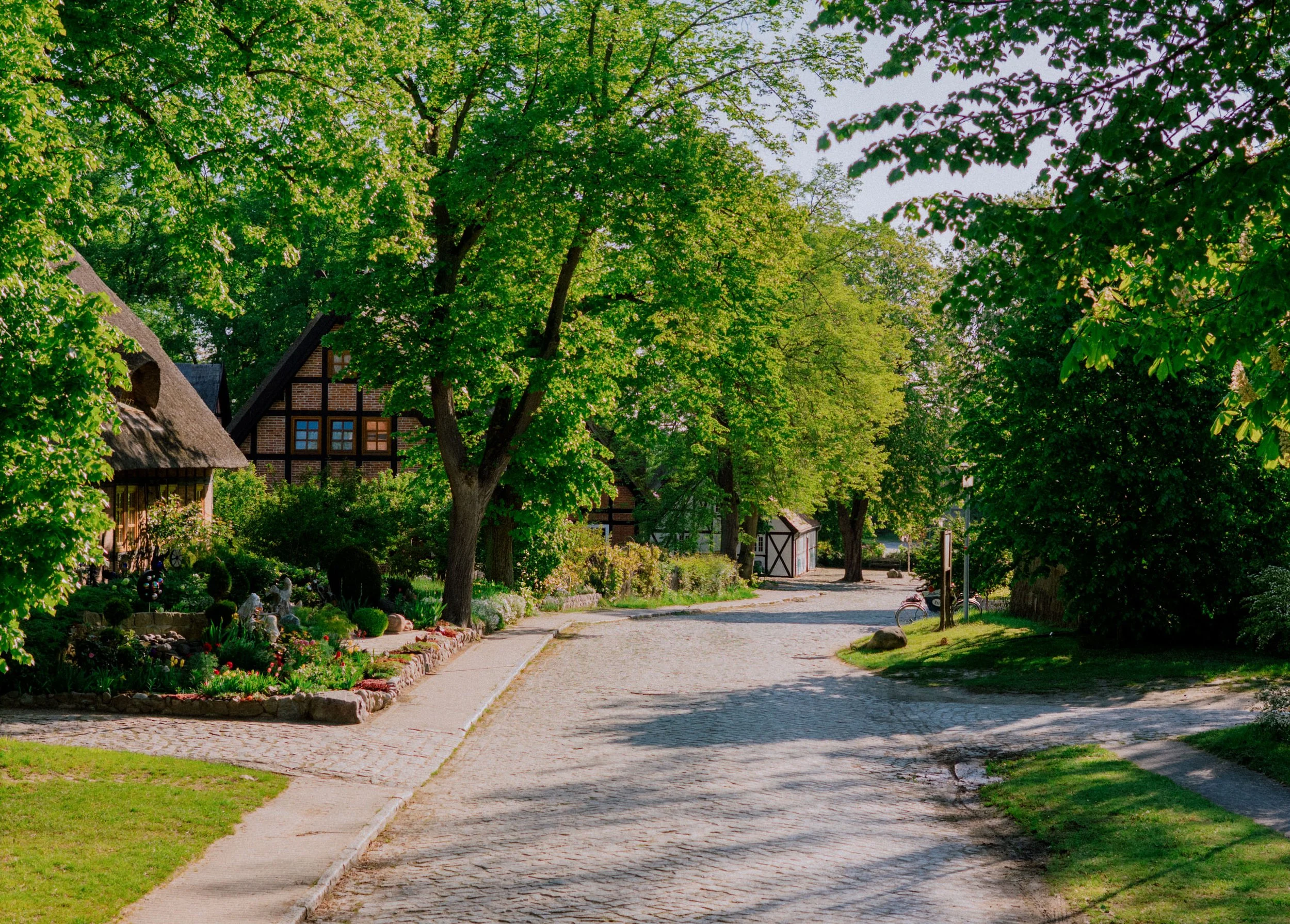
When people outside of Germany think of Germany, they often picture the Bavarian Alps, fairy-tale castles, or bustling cities like Berlin and Hamburg. But tucked away in the country's northeast lies a region that feels completely different: the Mecklenburgische Seenplatte.
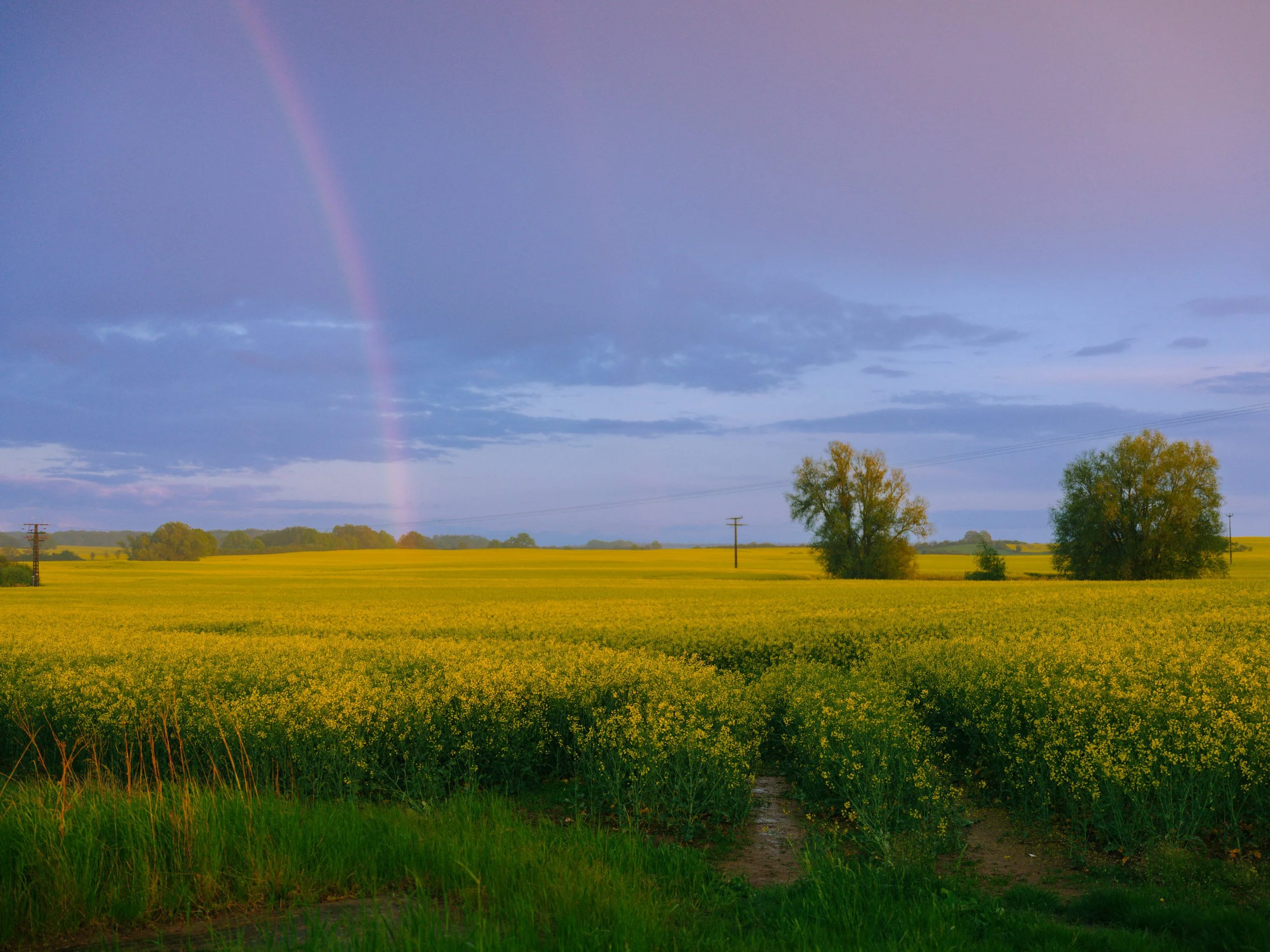
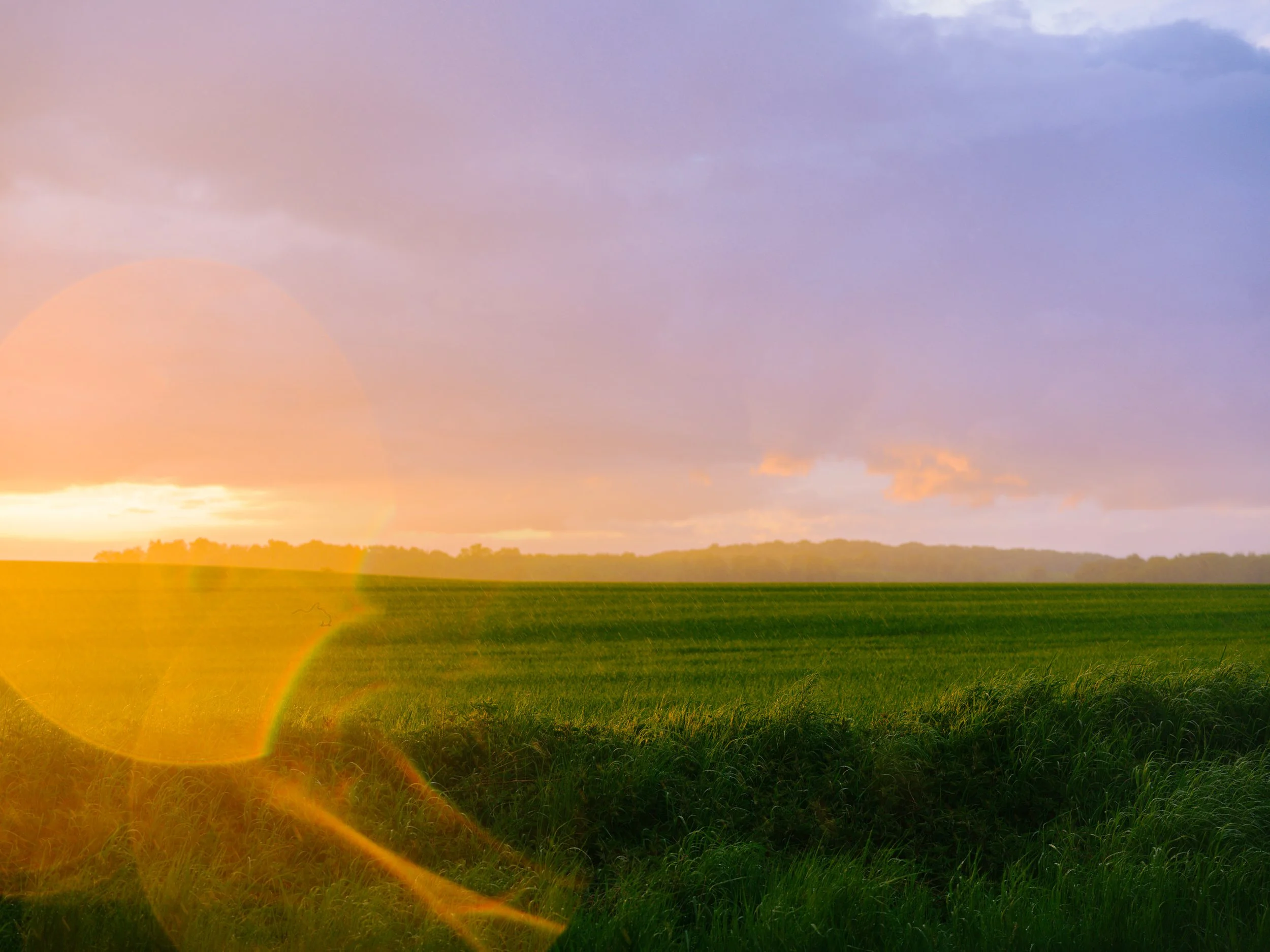
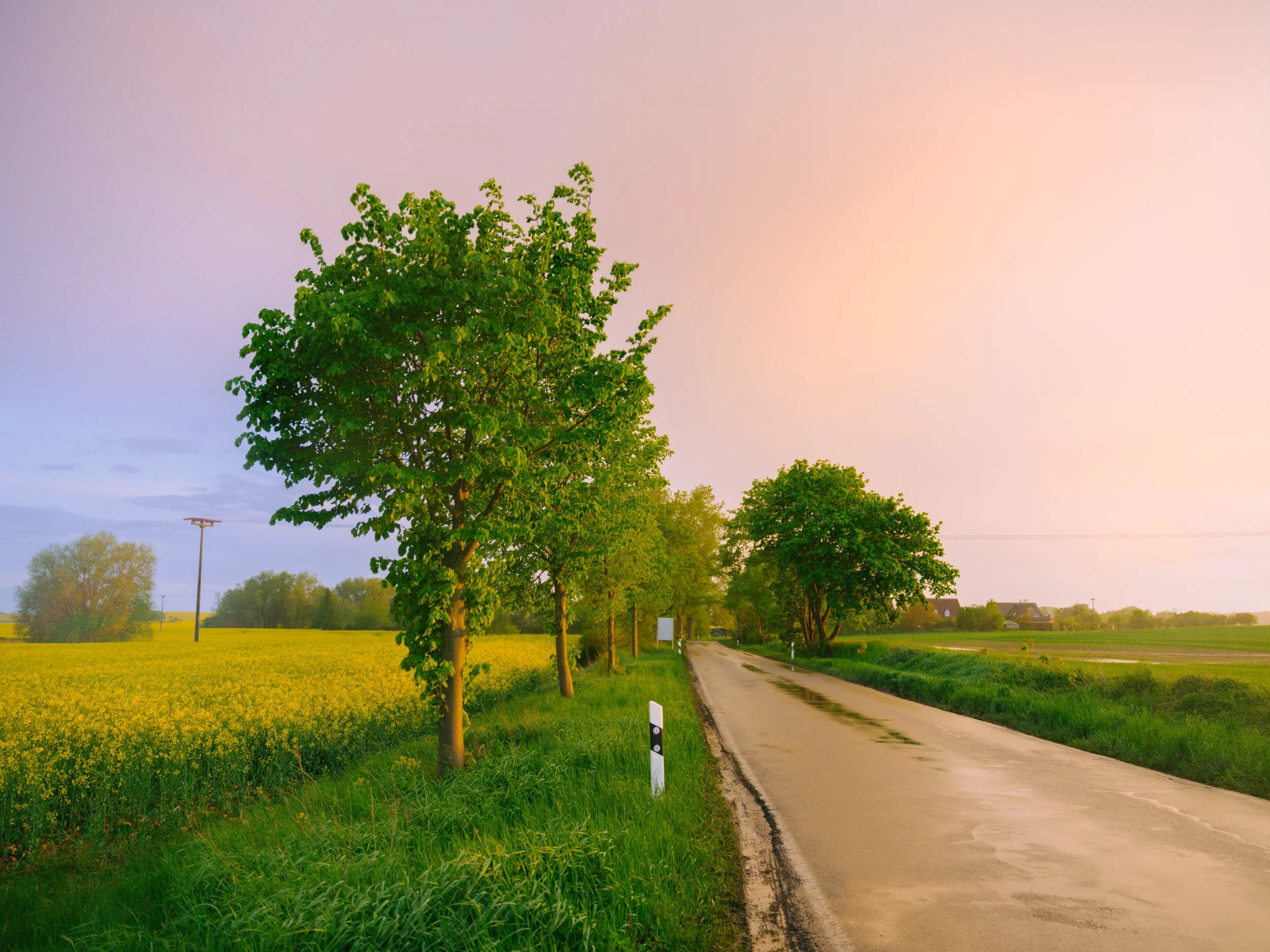
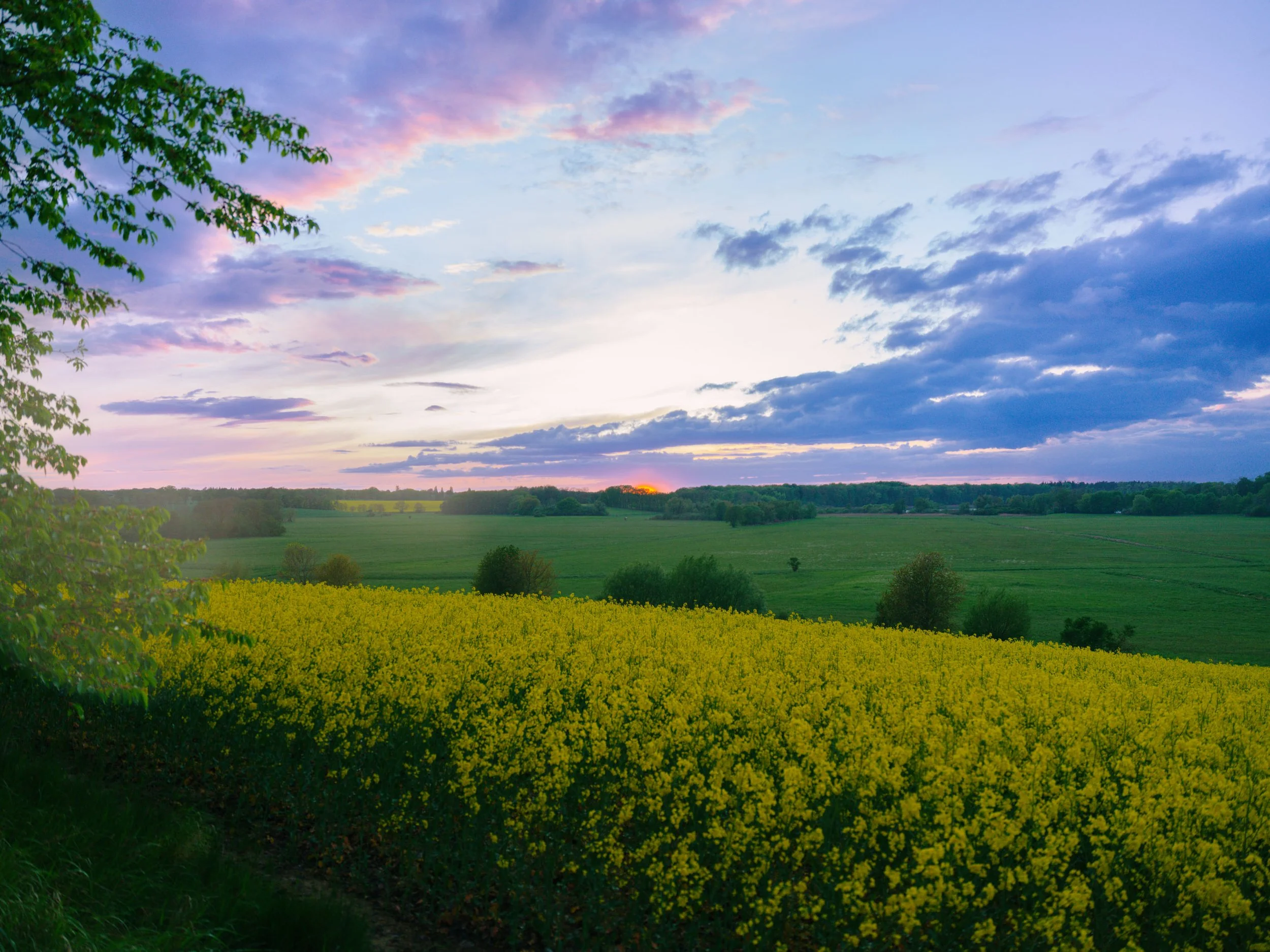
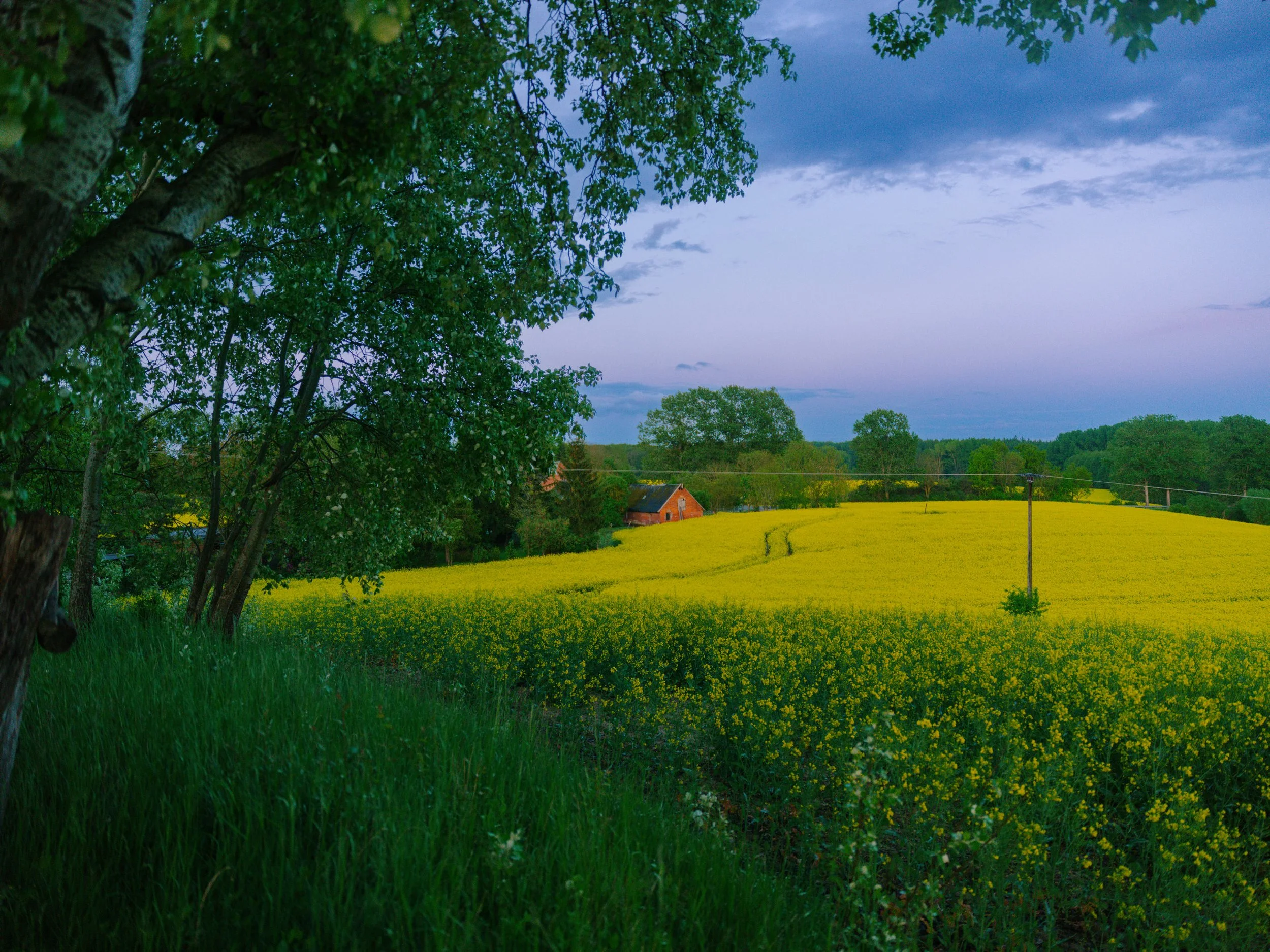
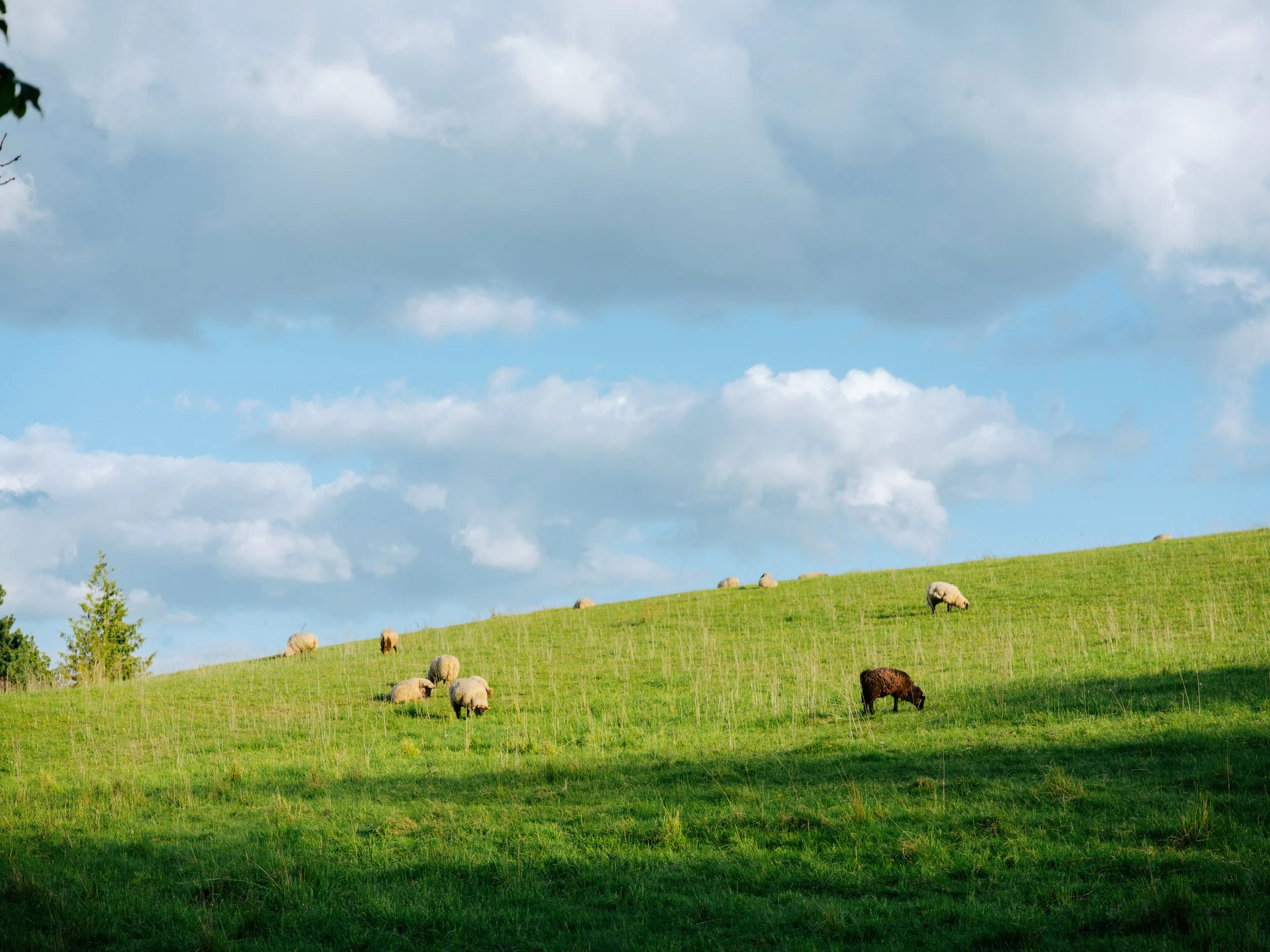
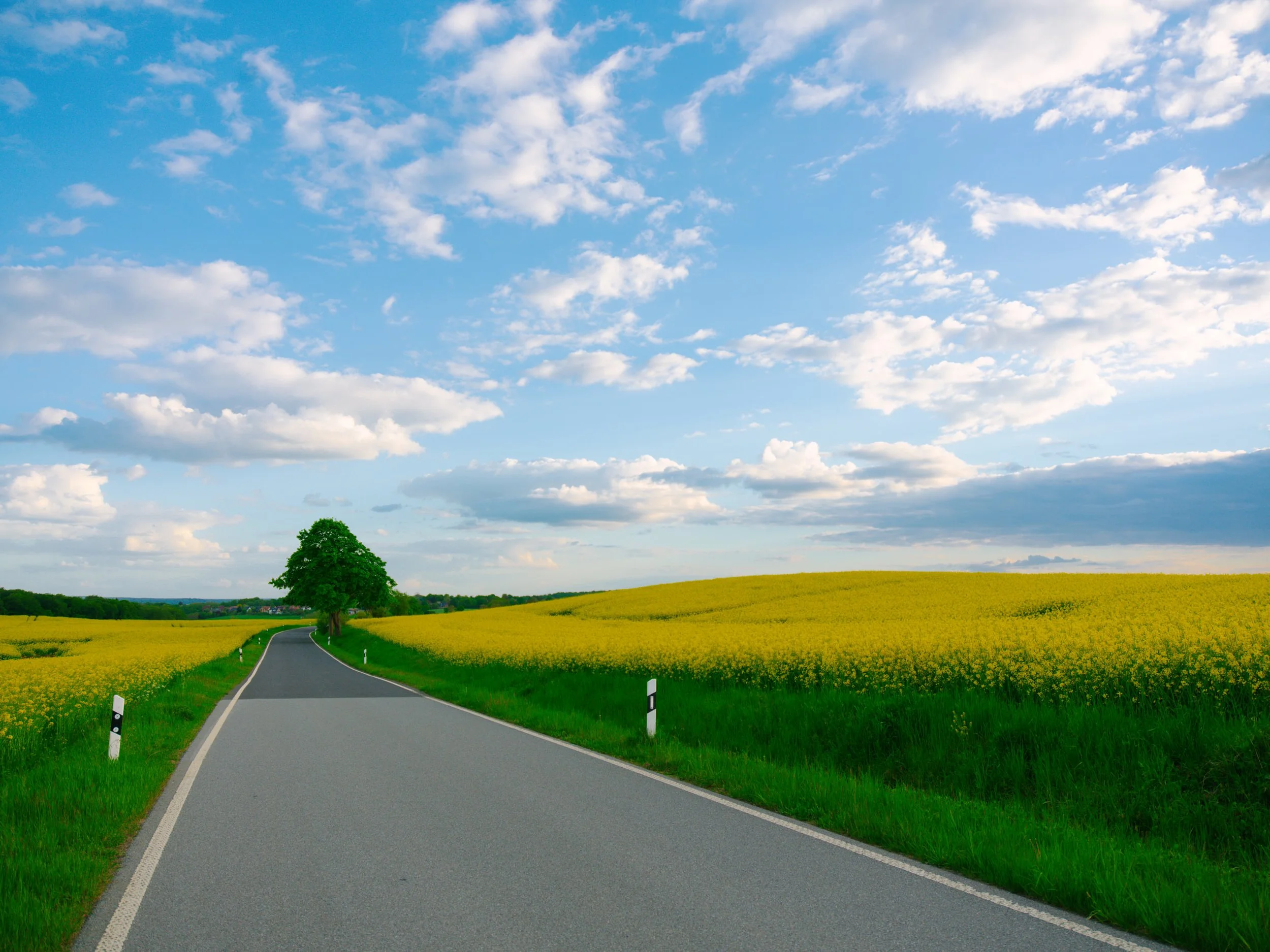
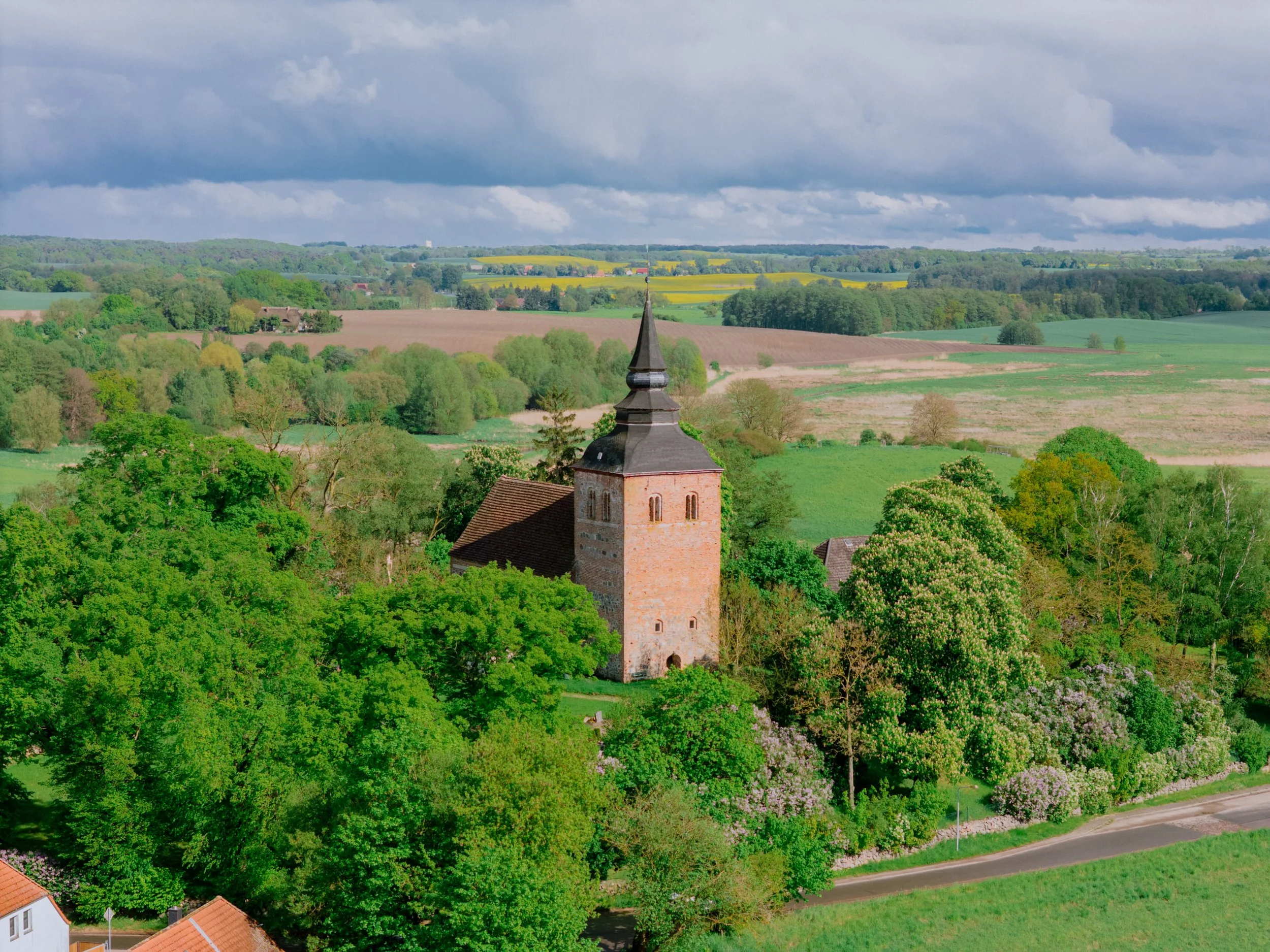
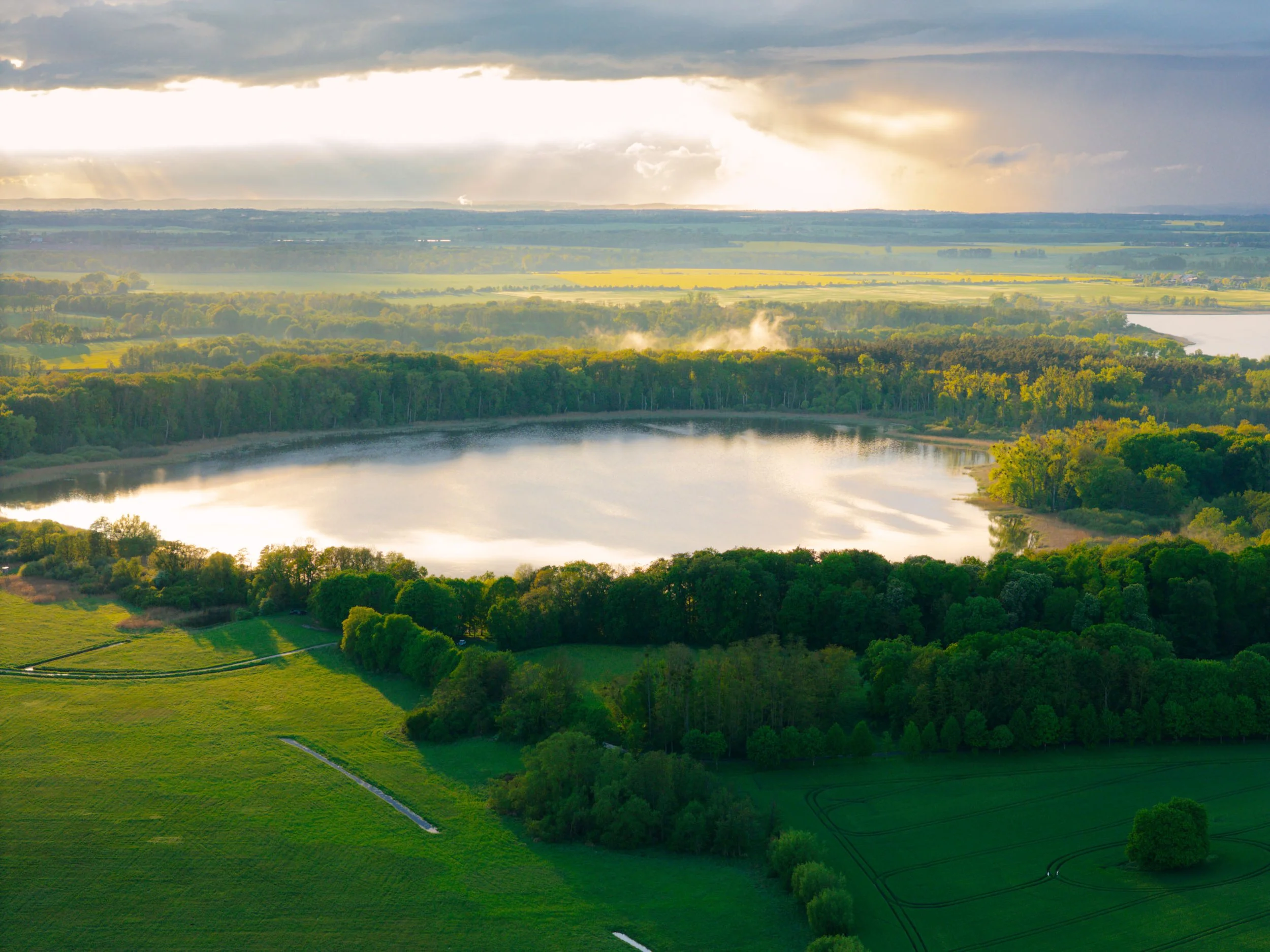
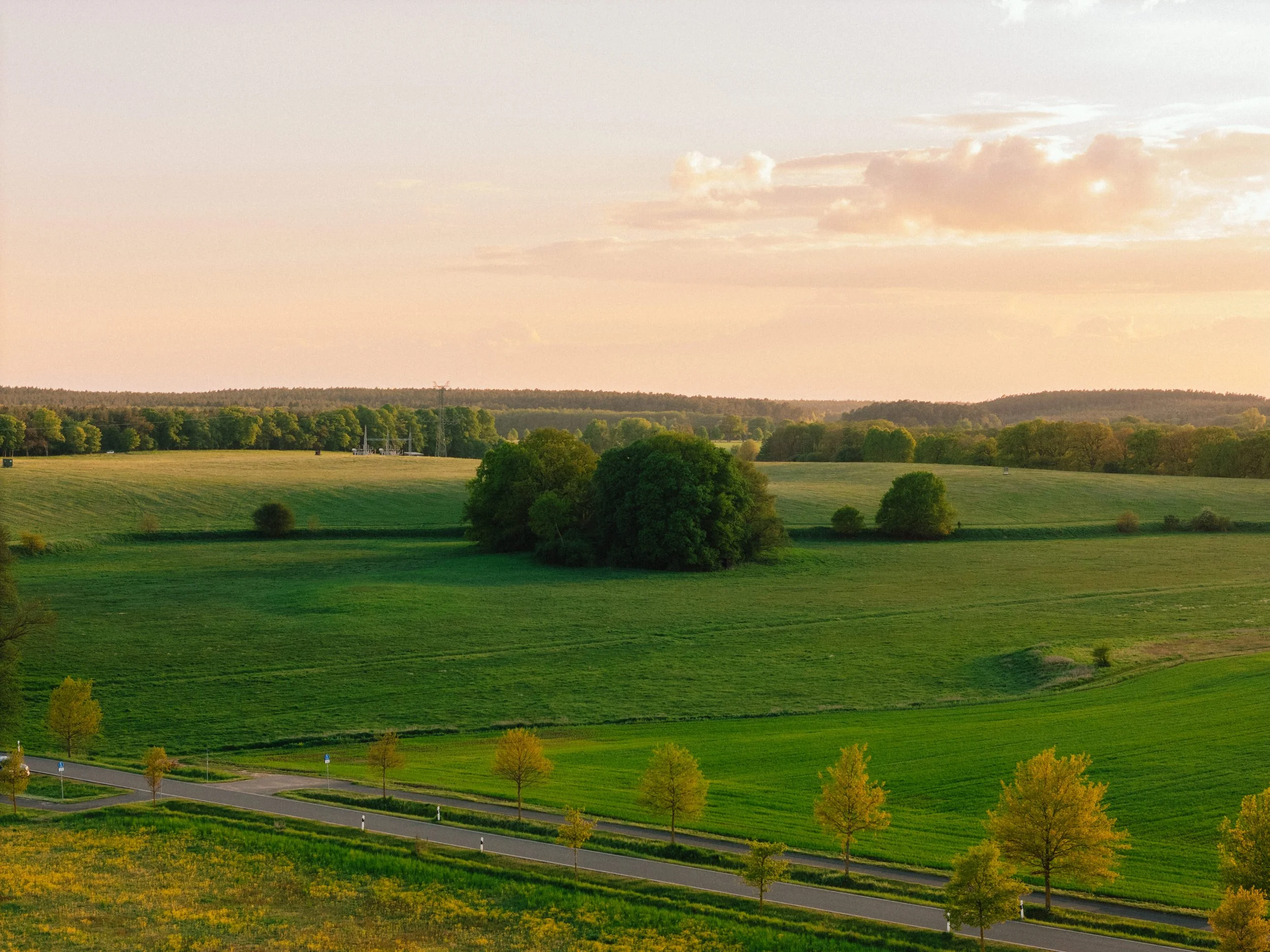
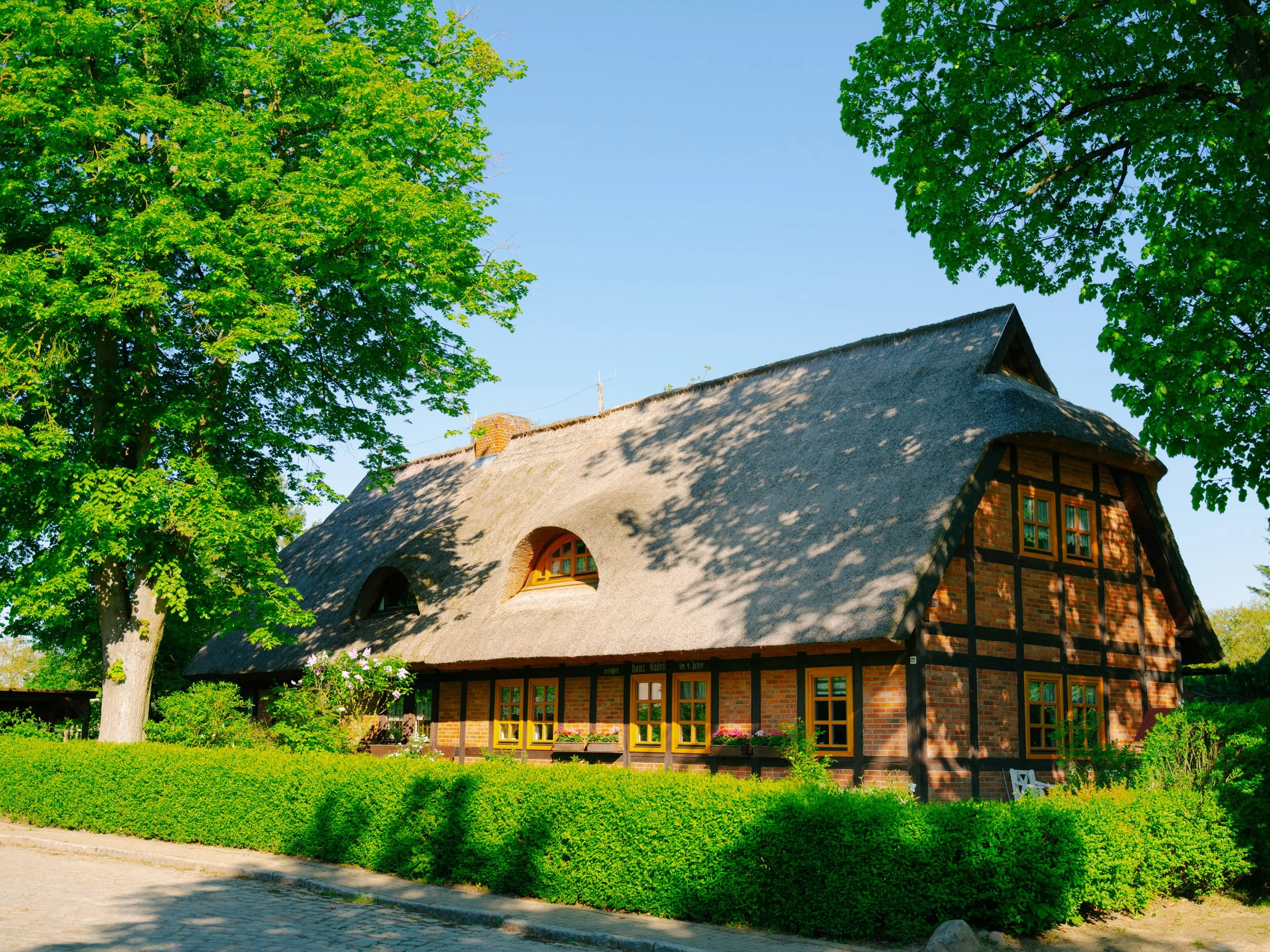
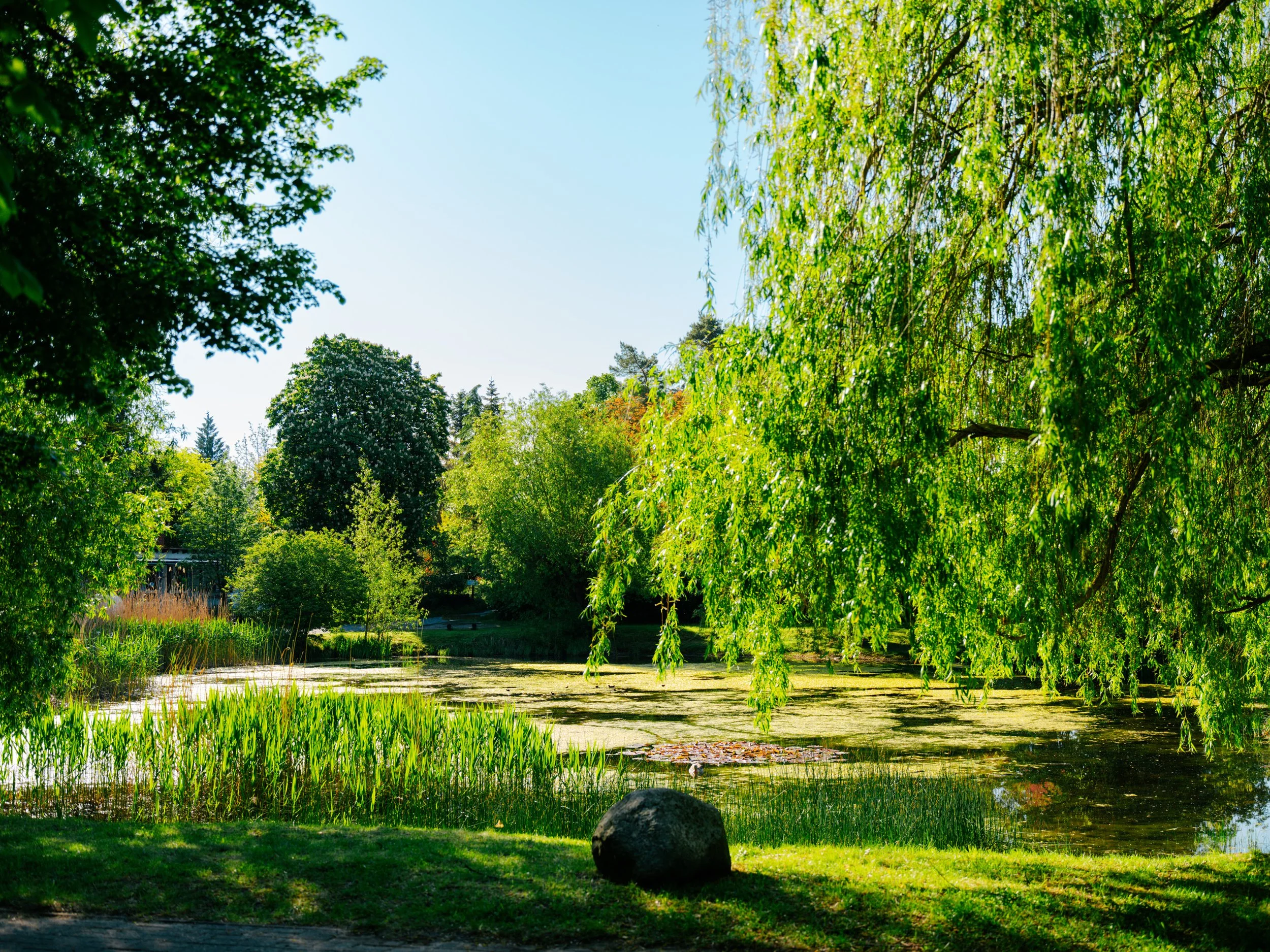
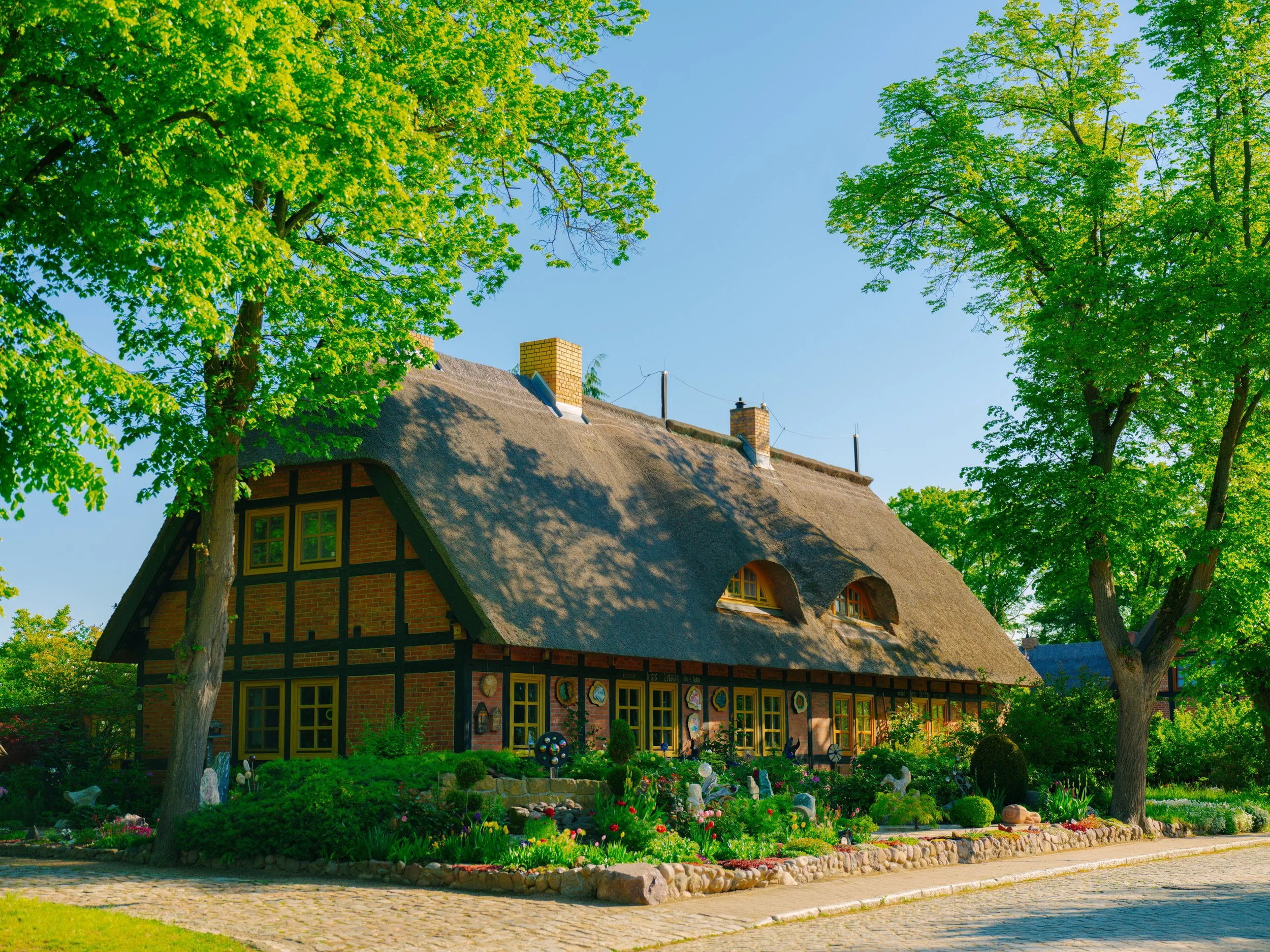
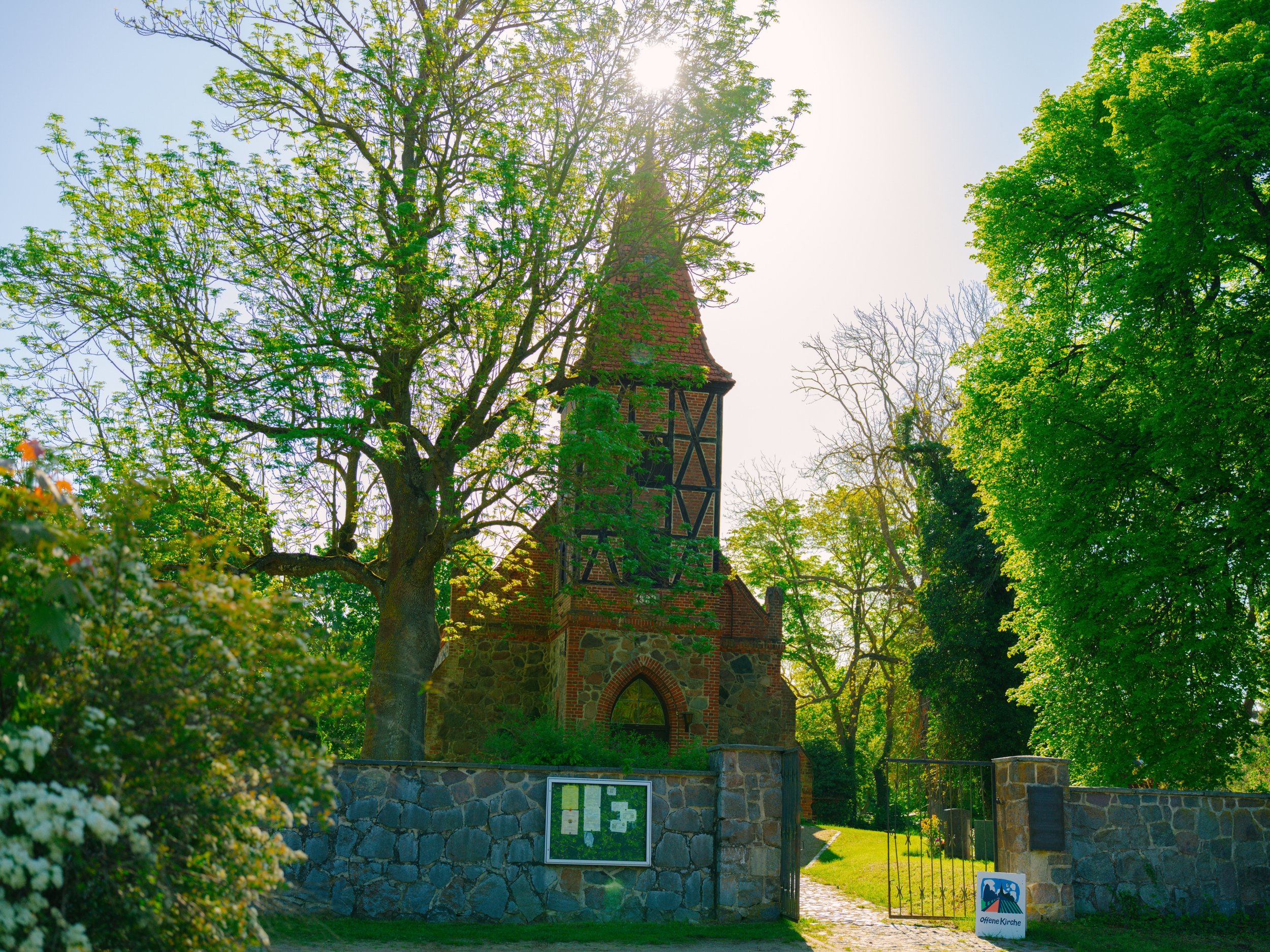
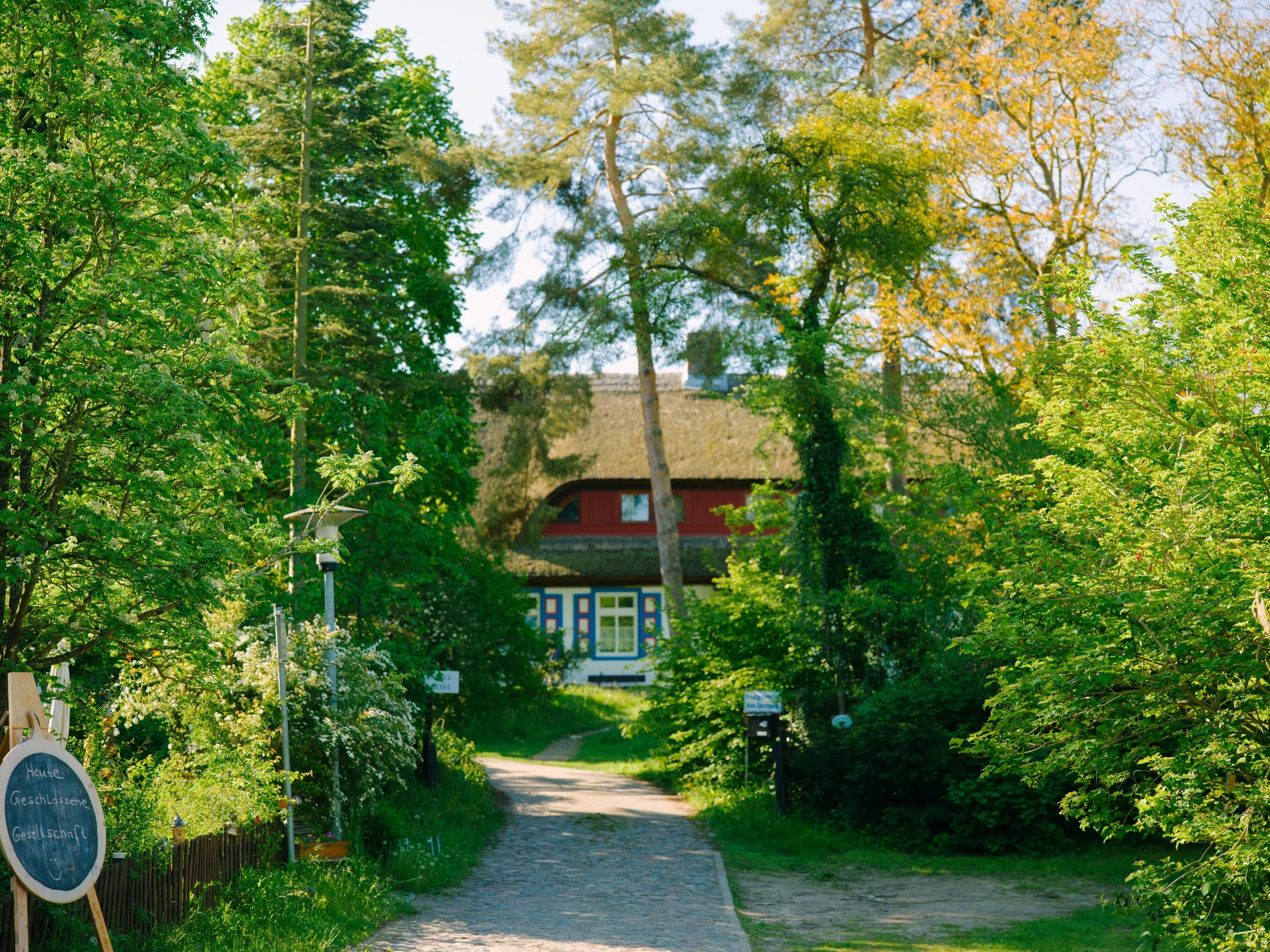
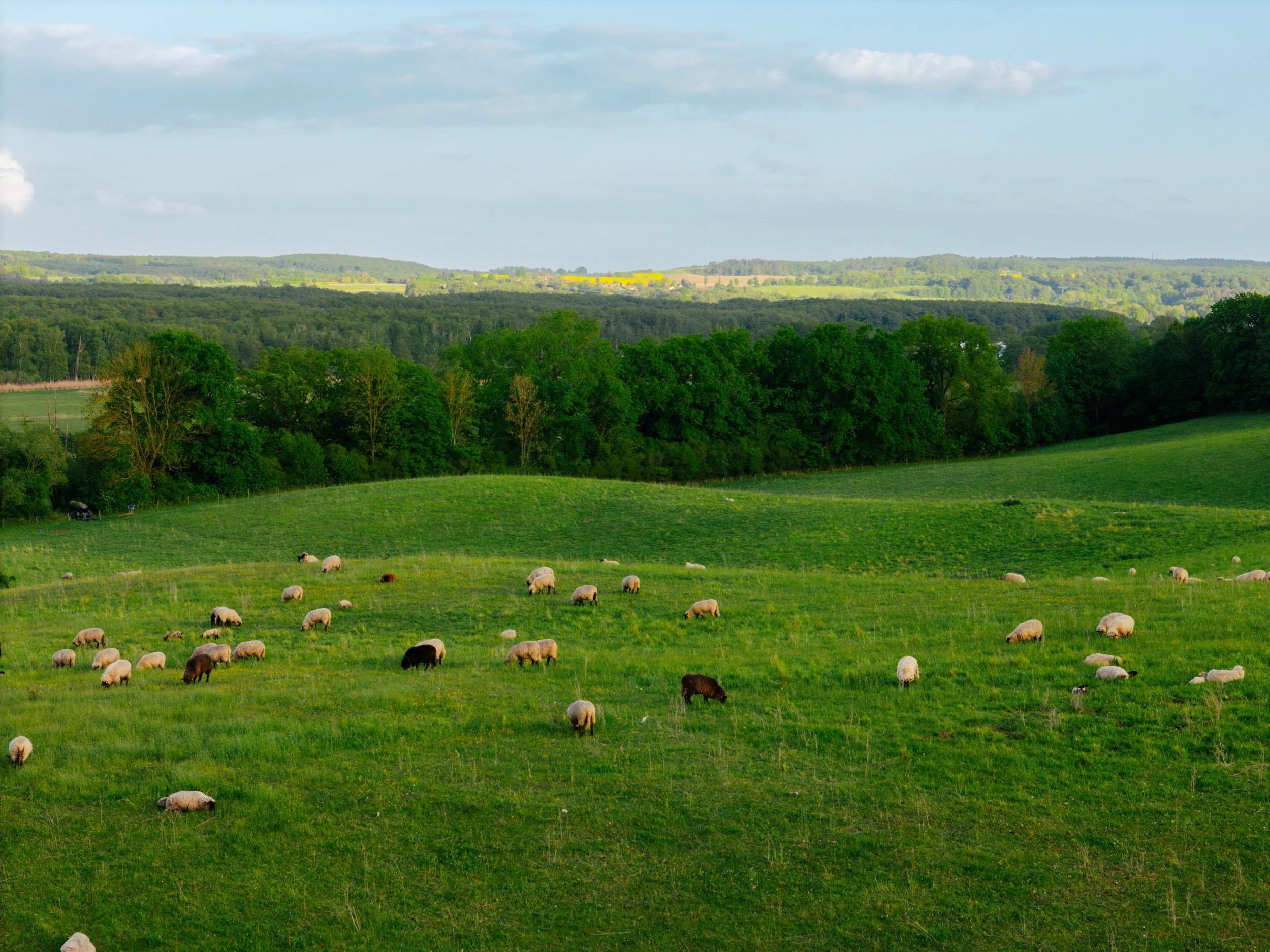
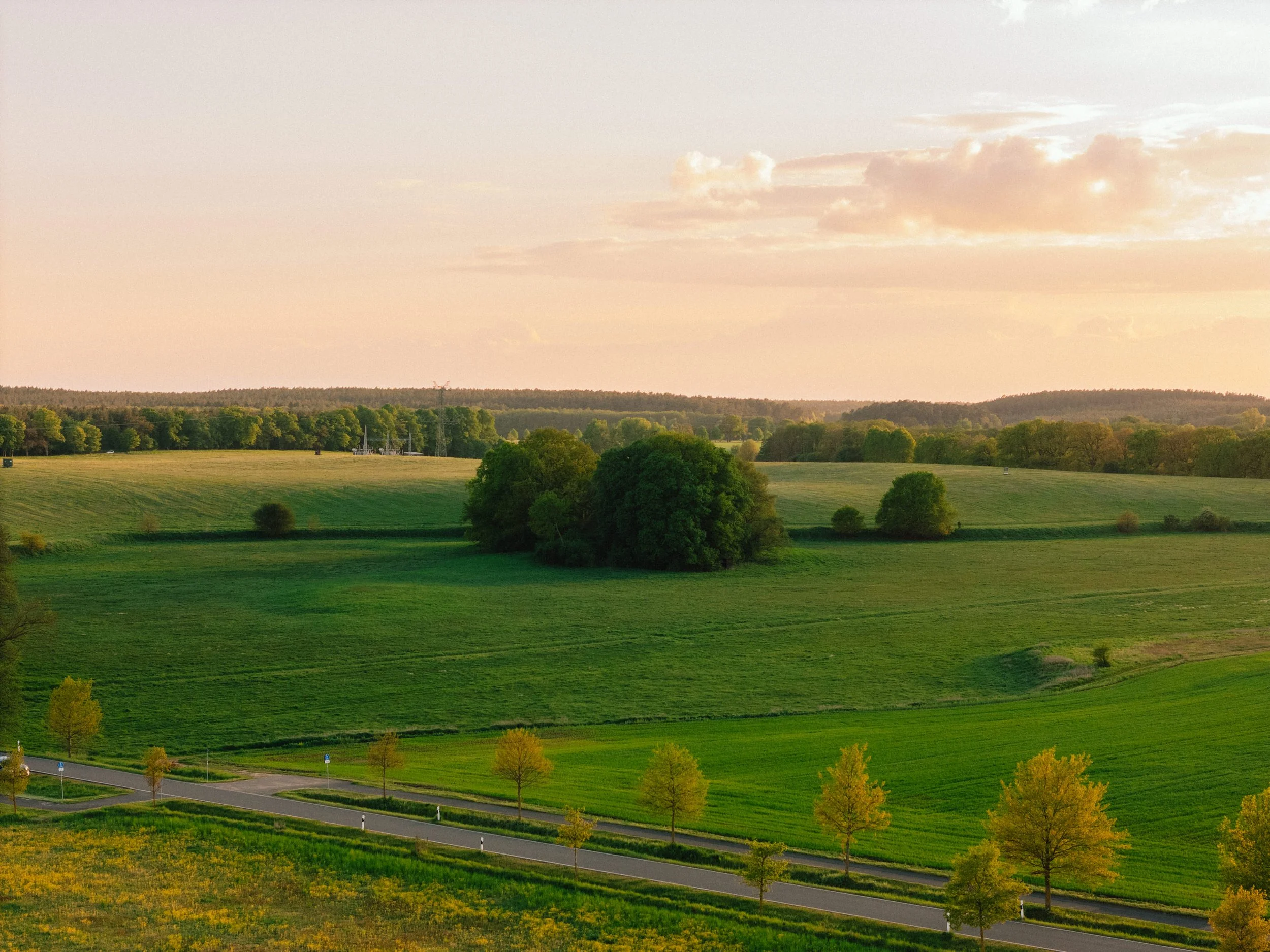
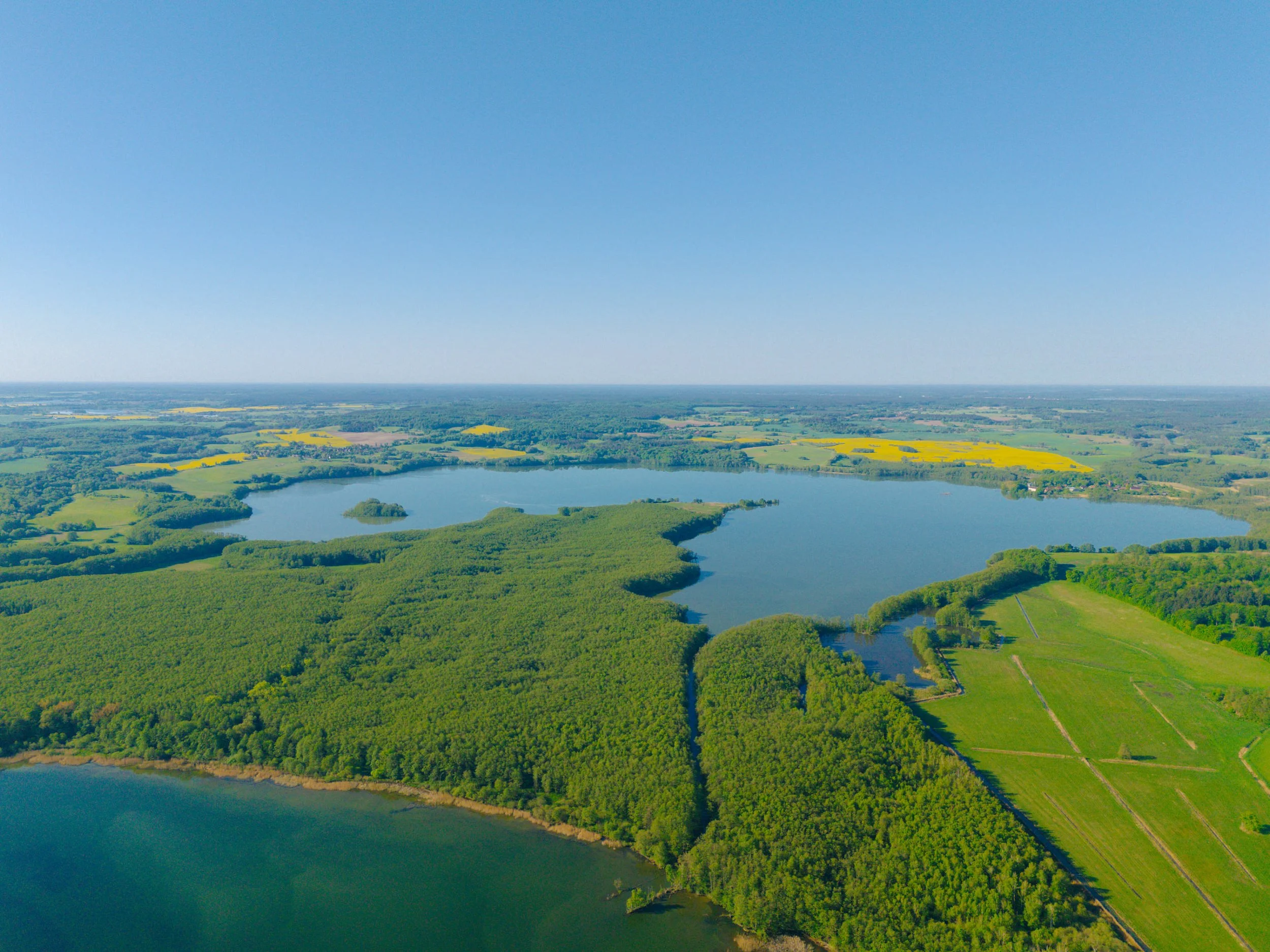
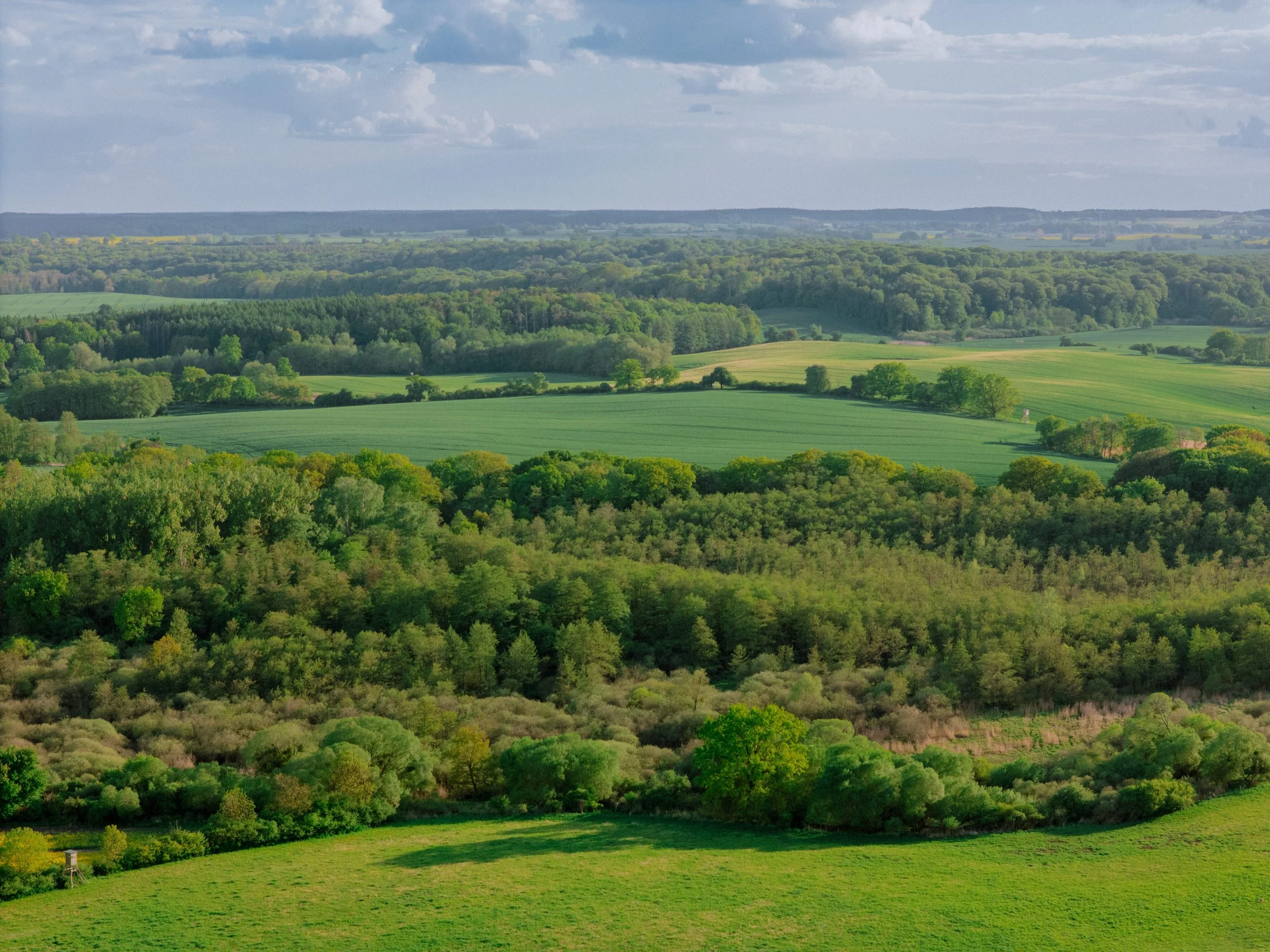
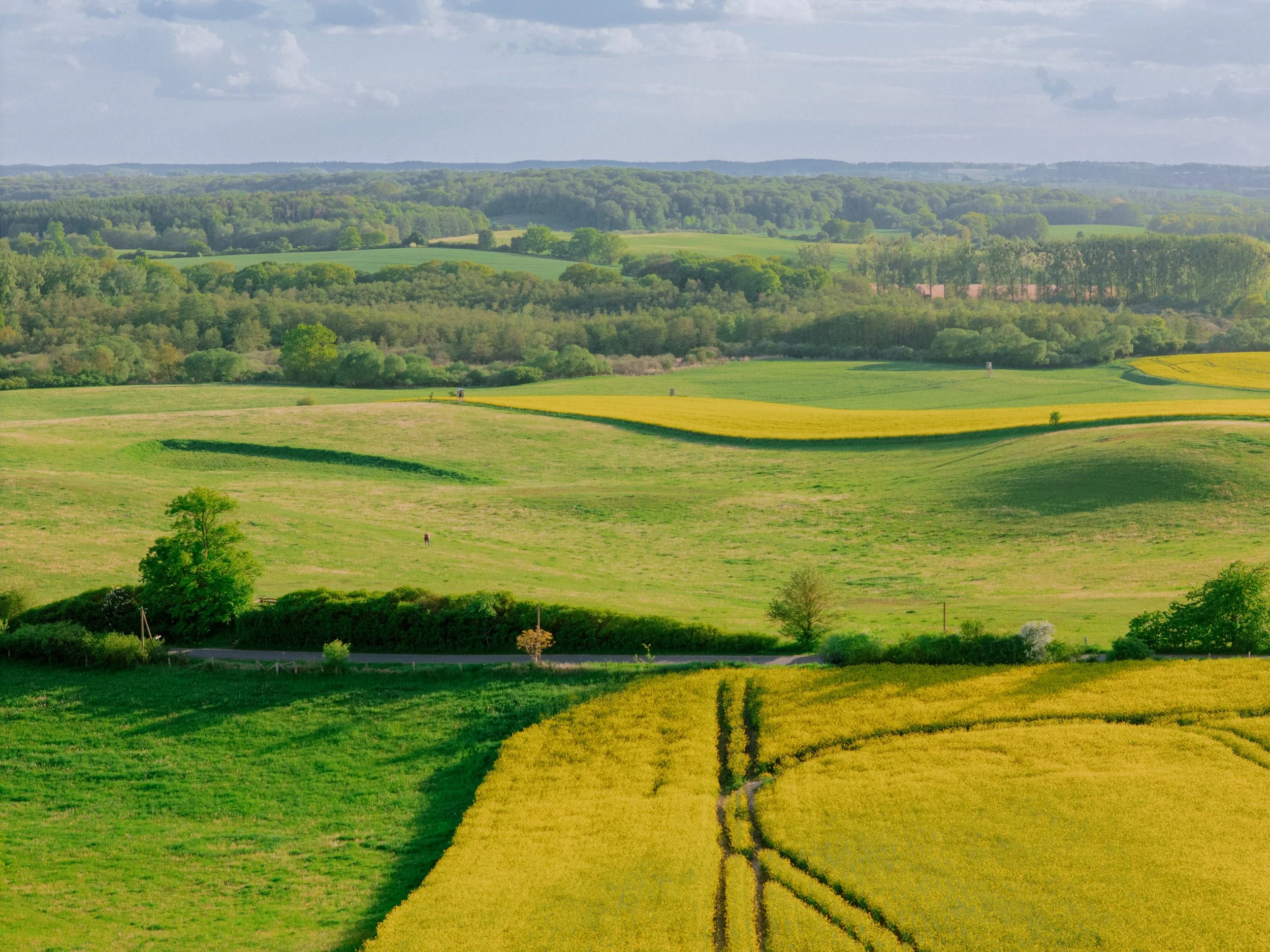
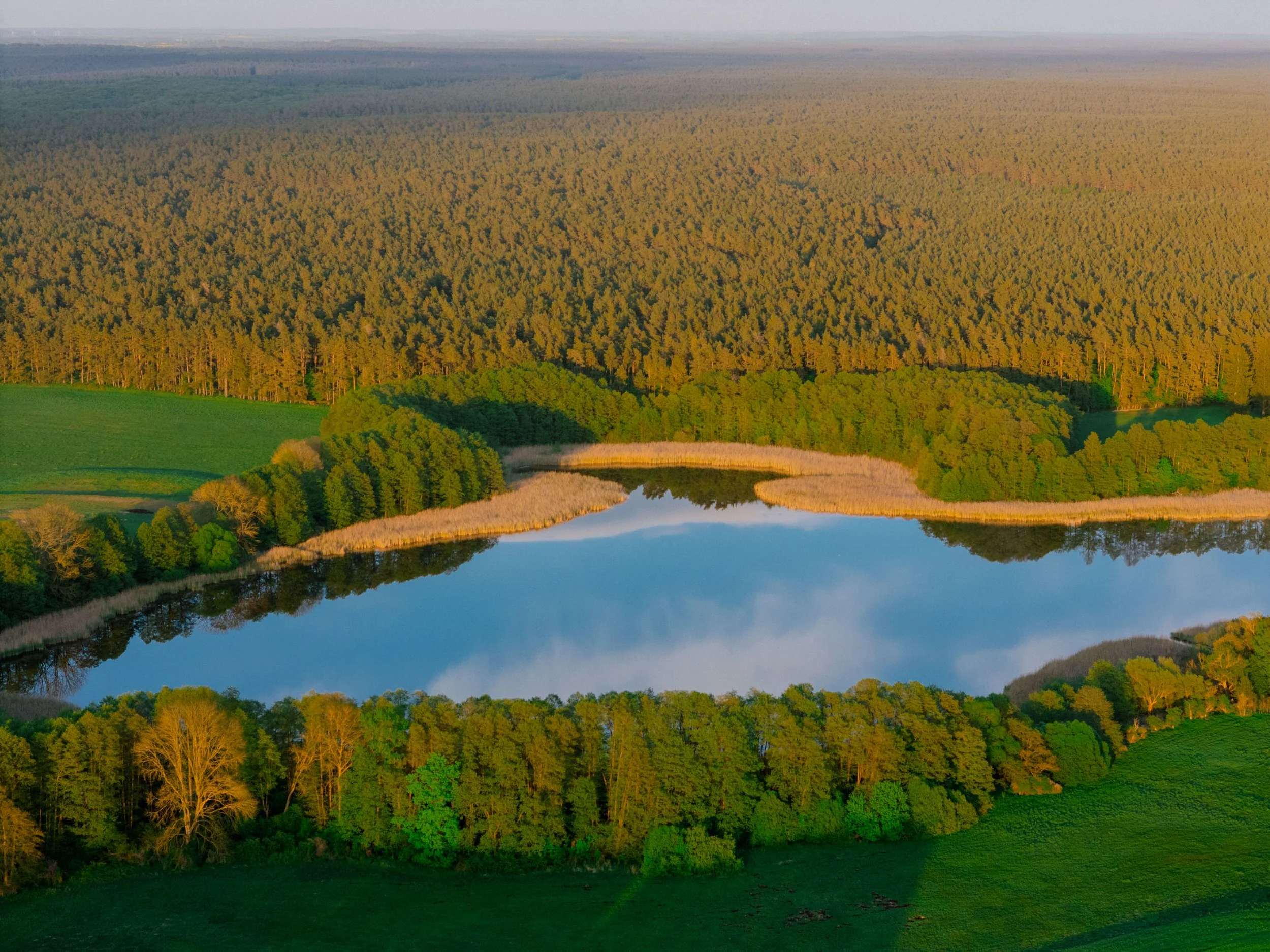
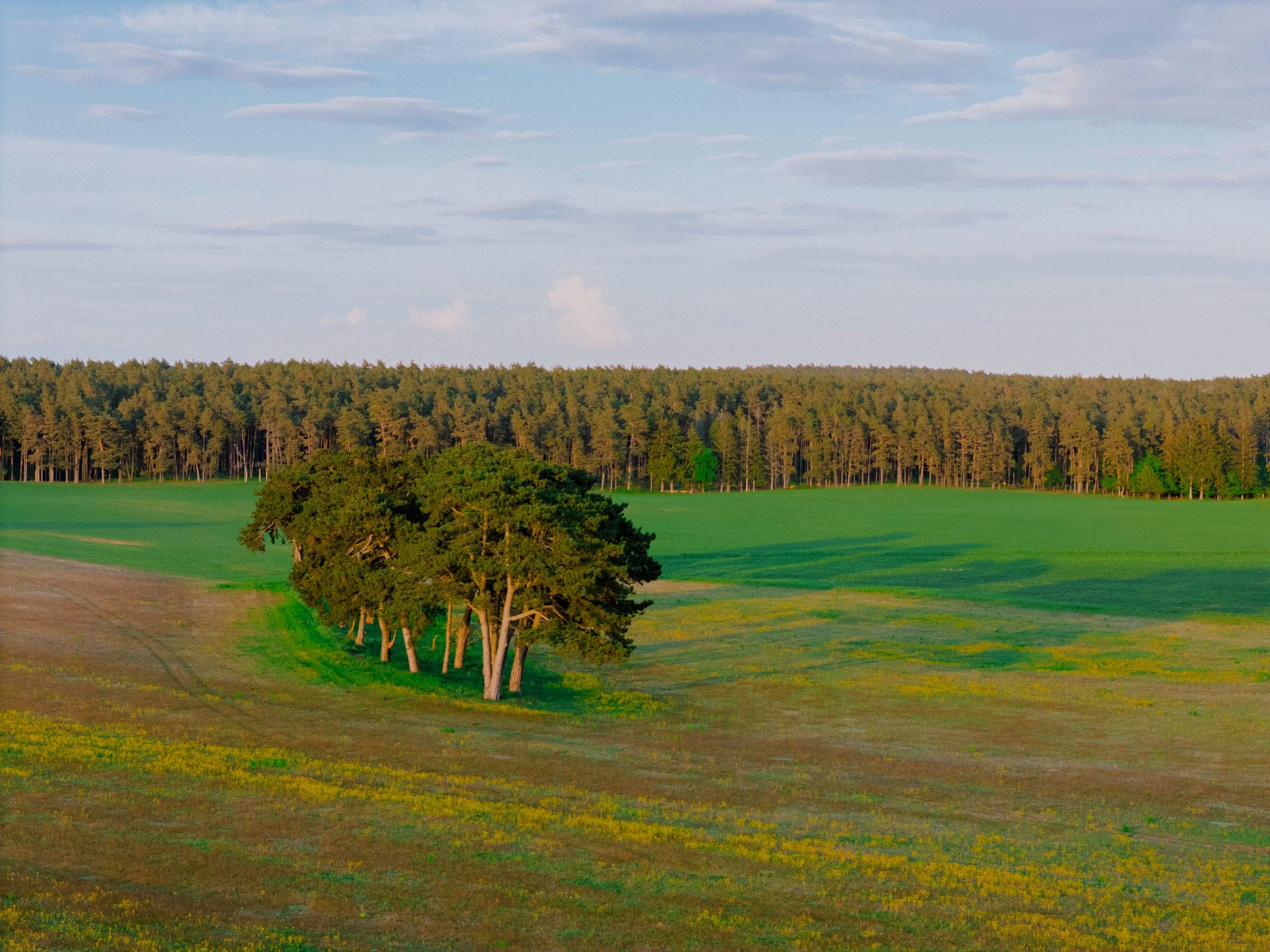
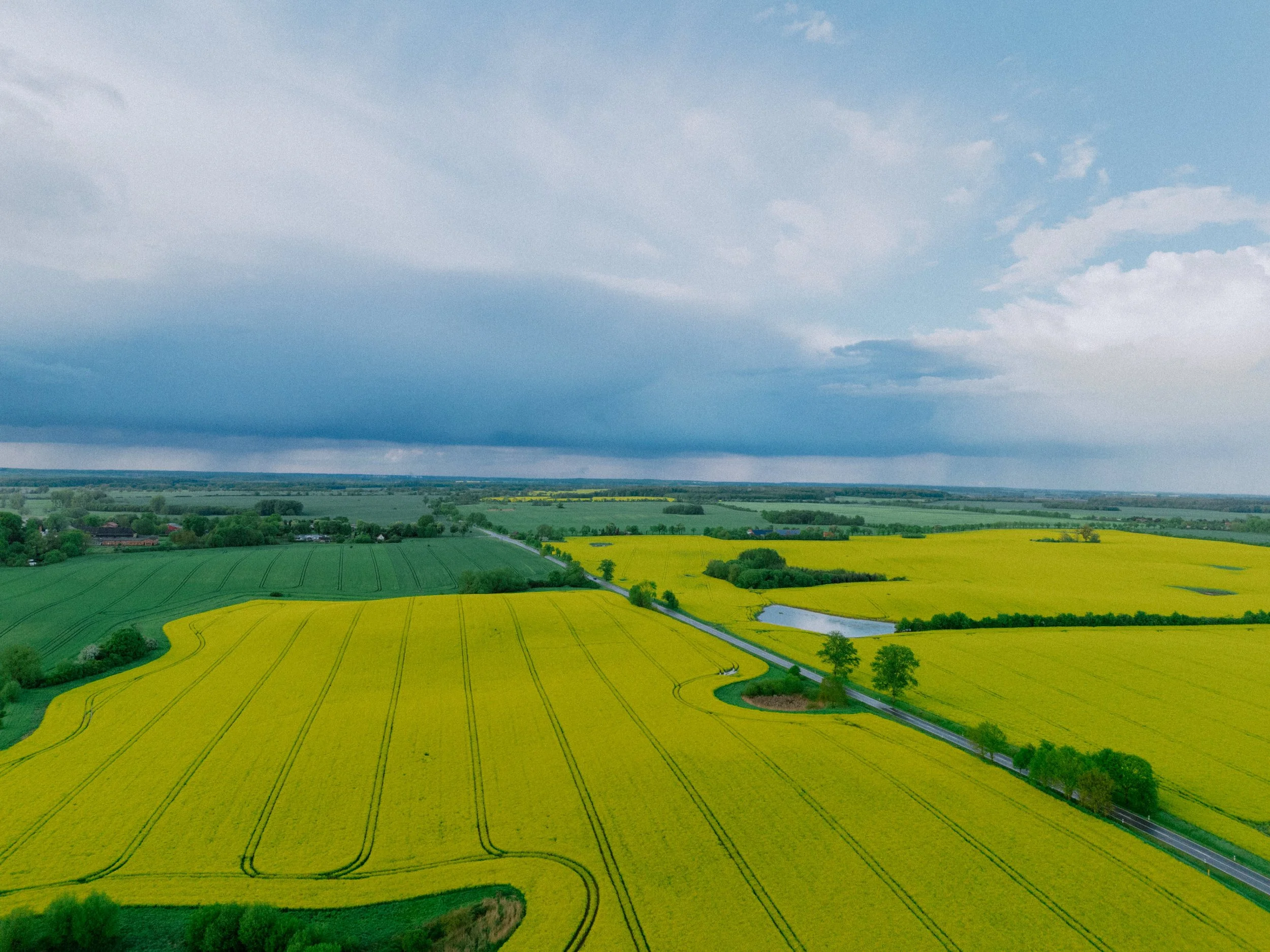
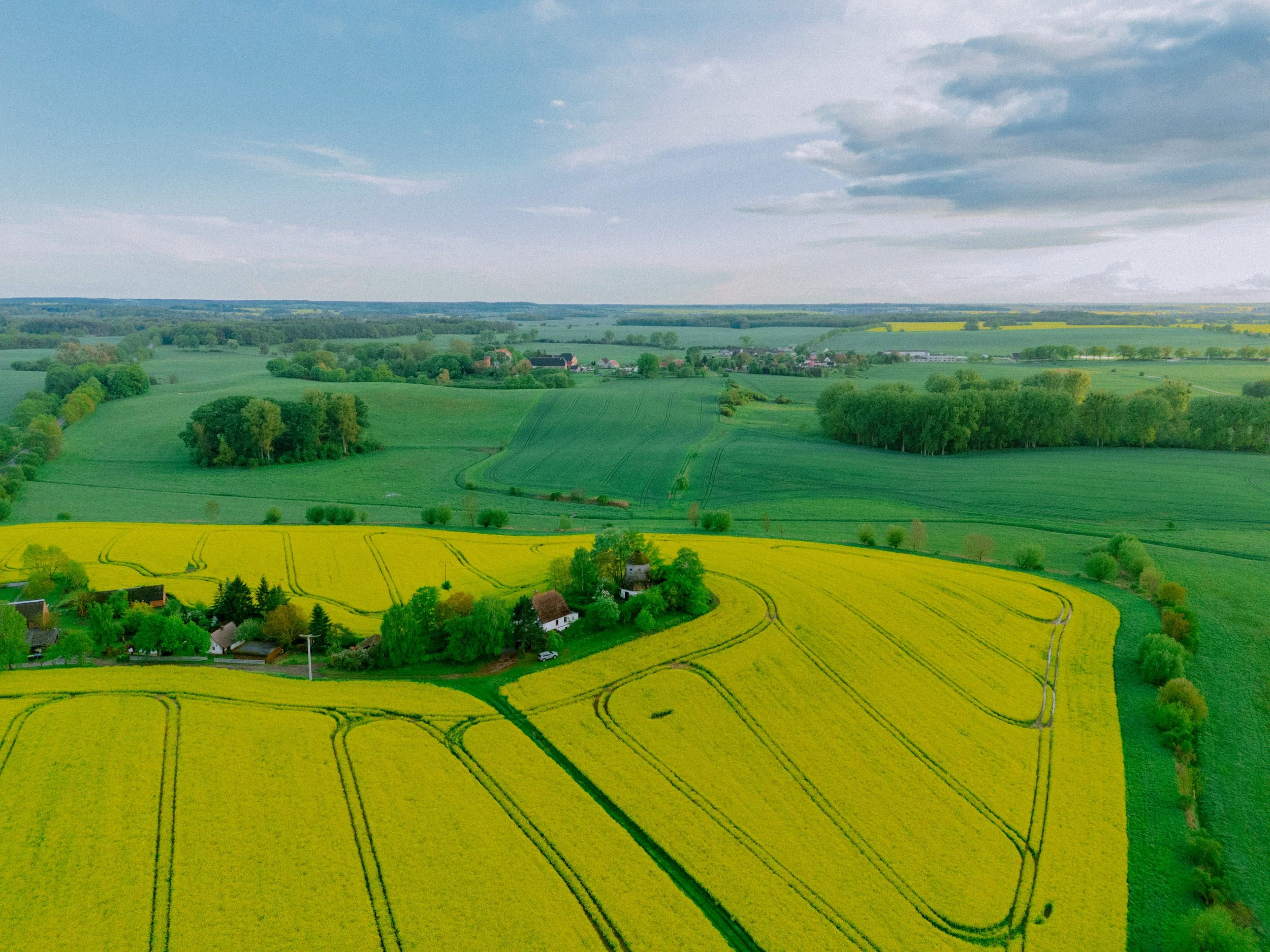
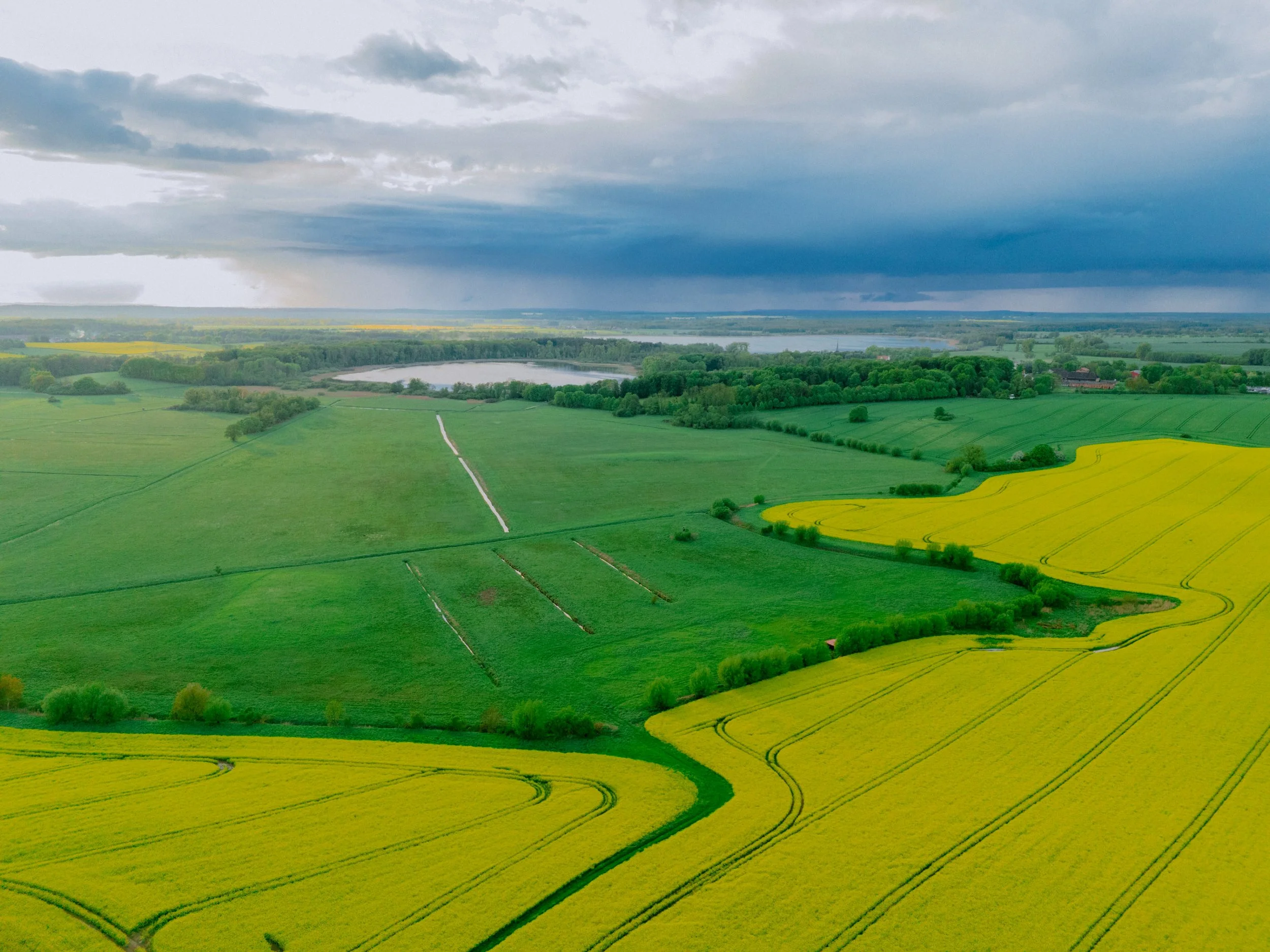
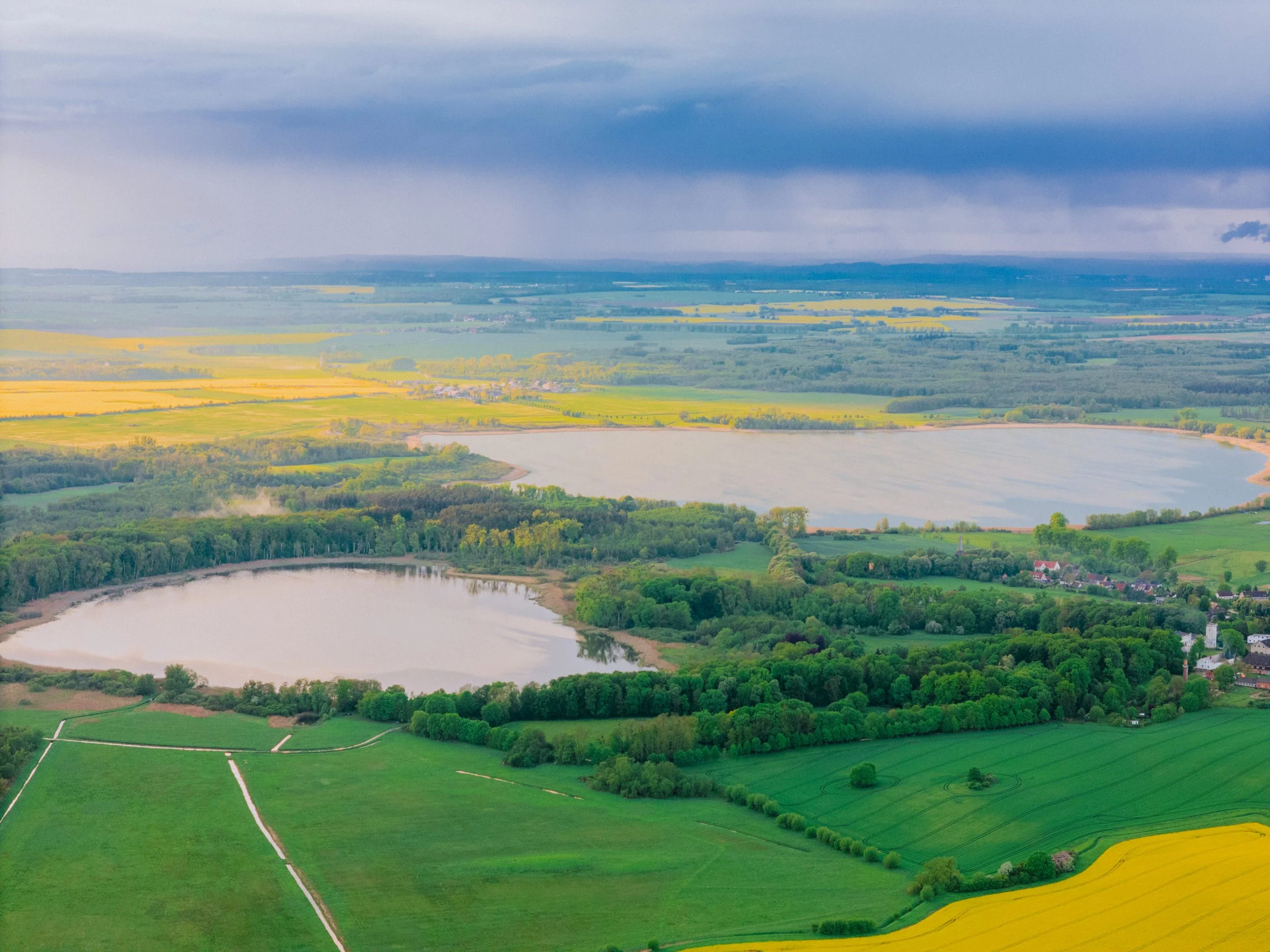
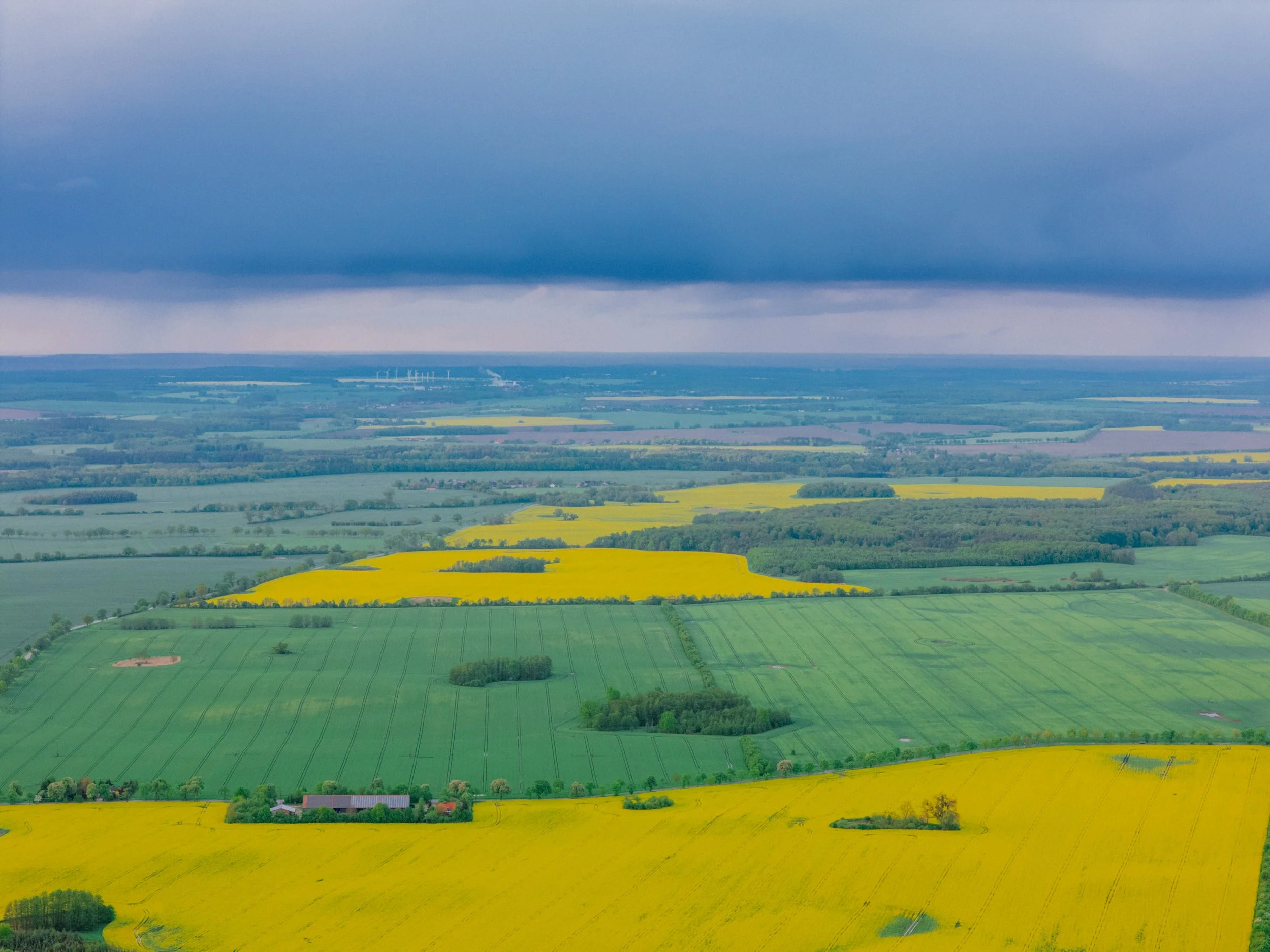
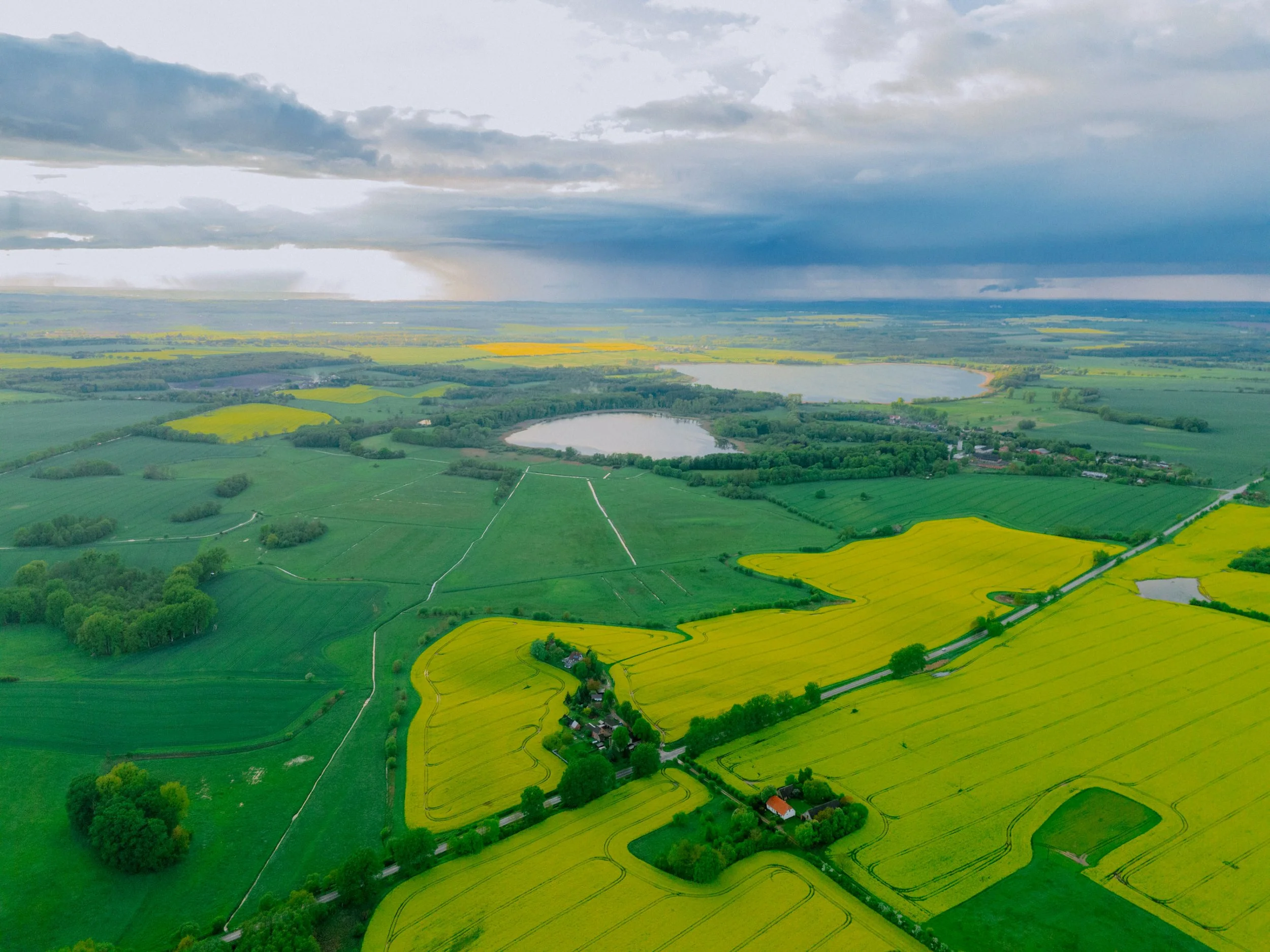
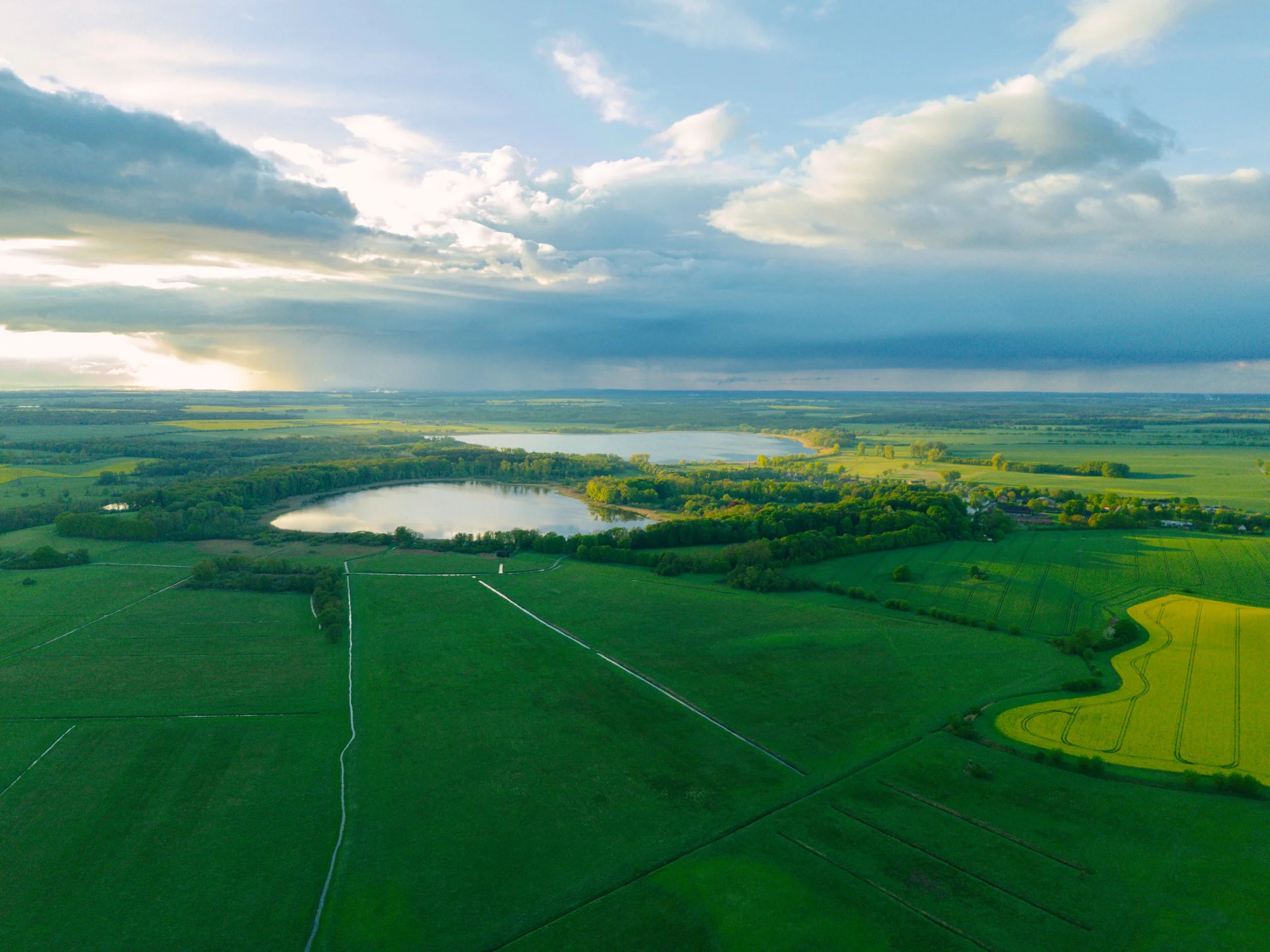
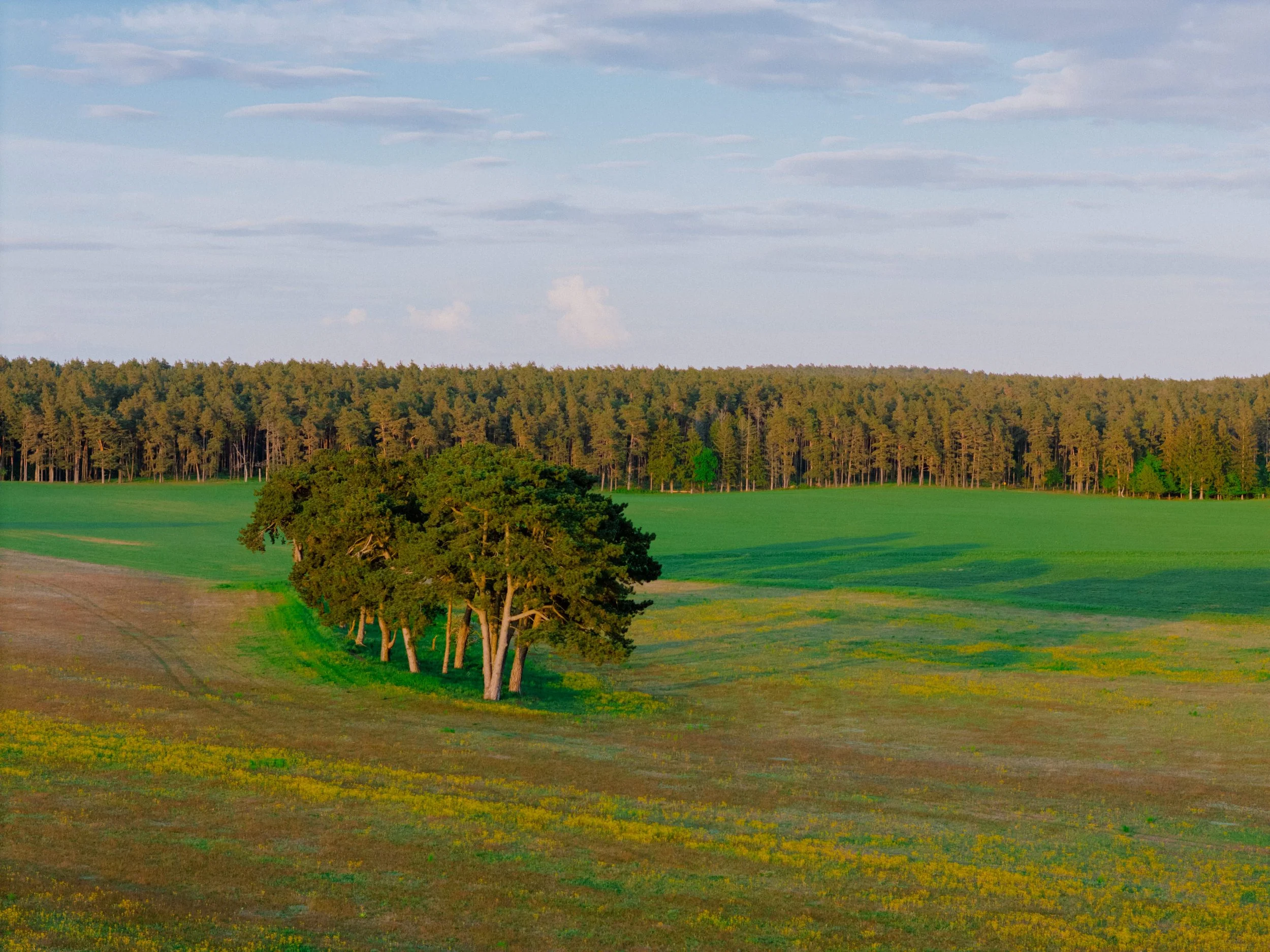
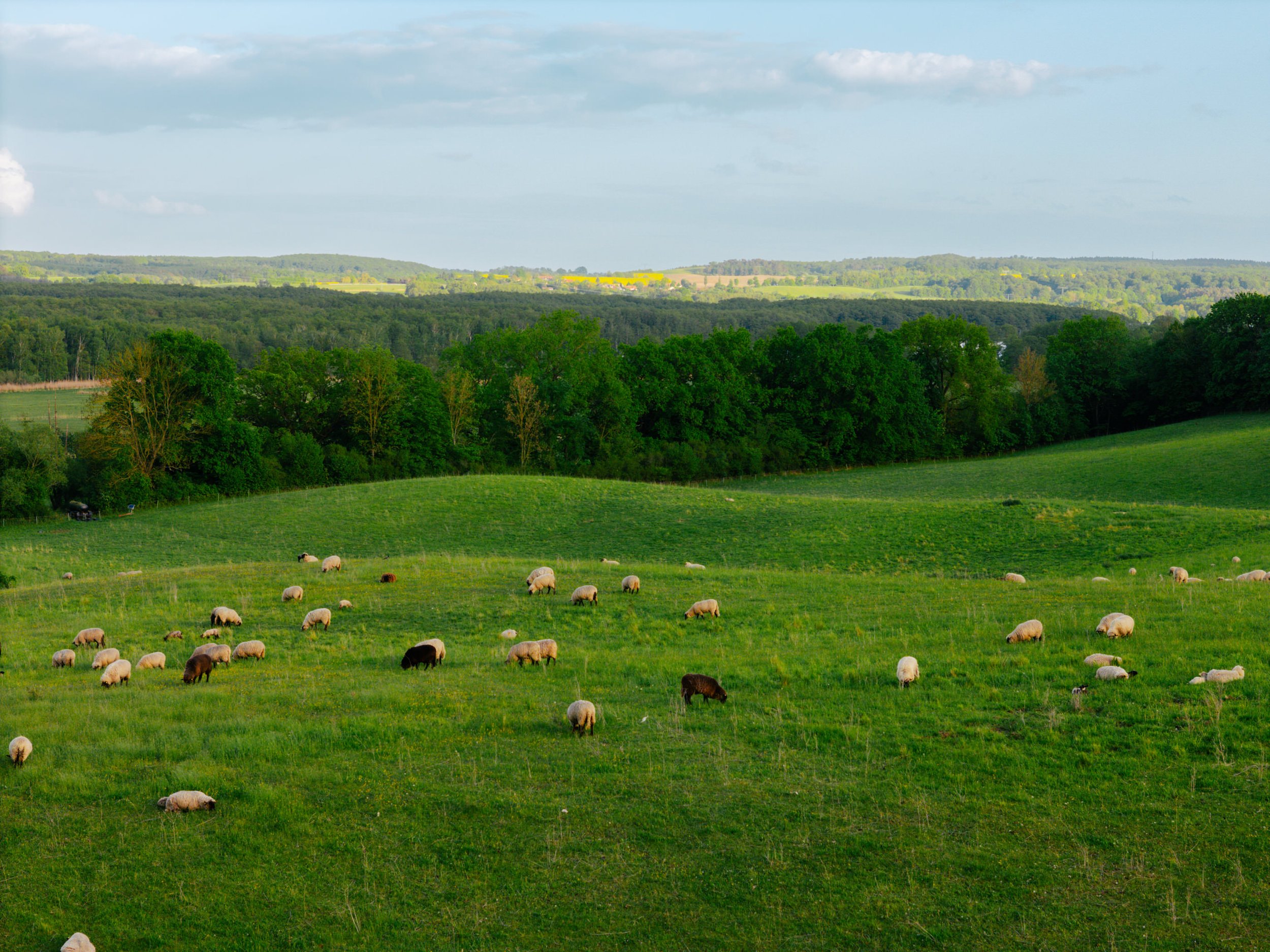
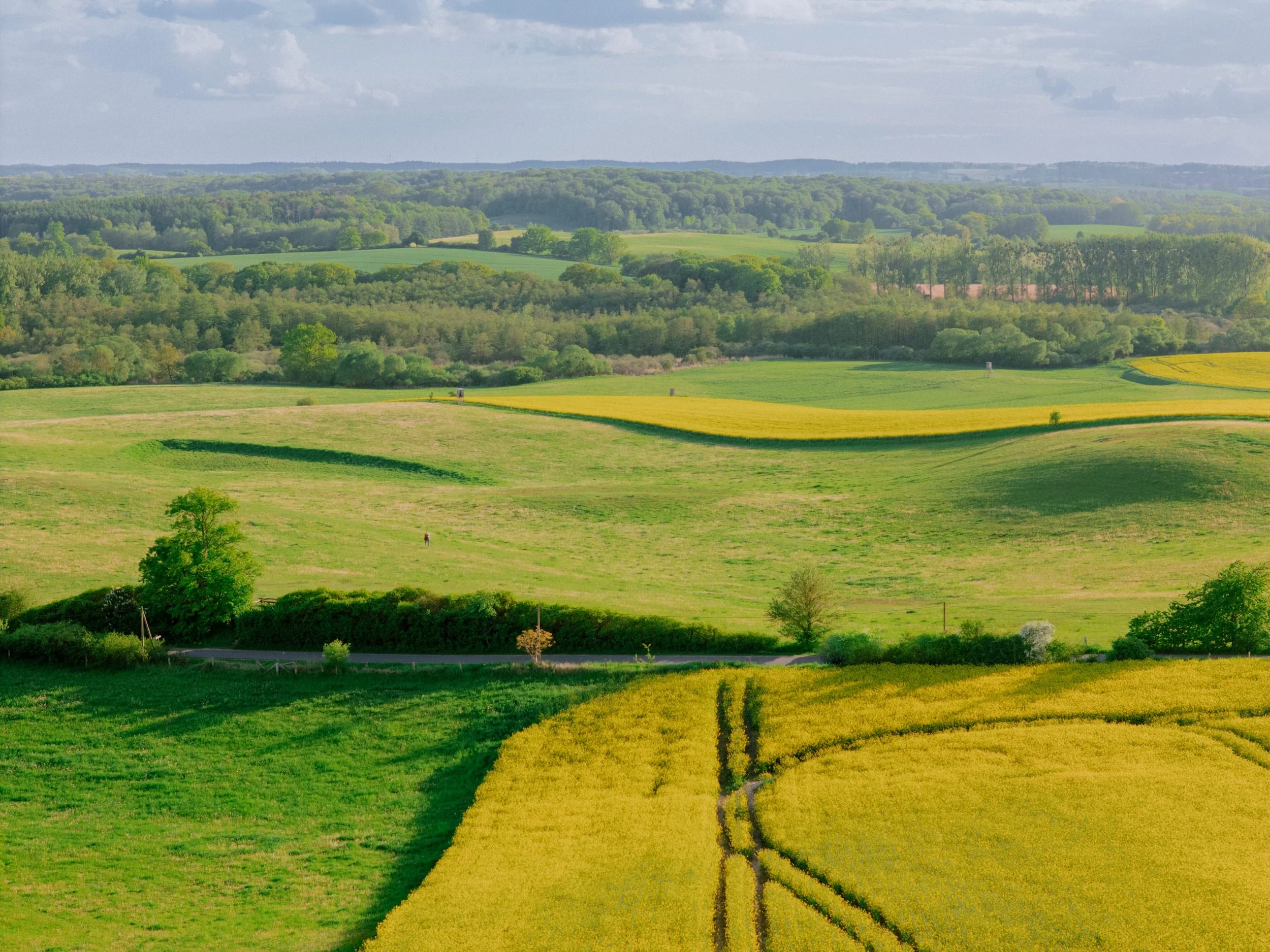
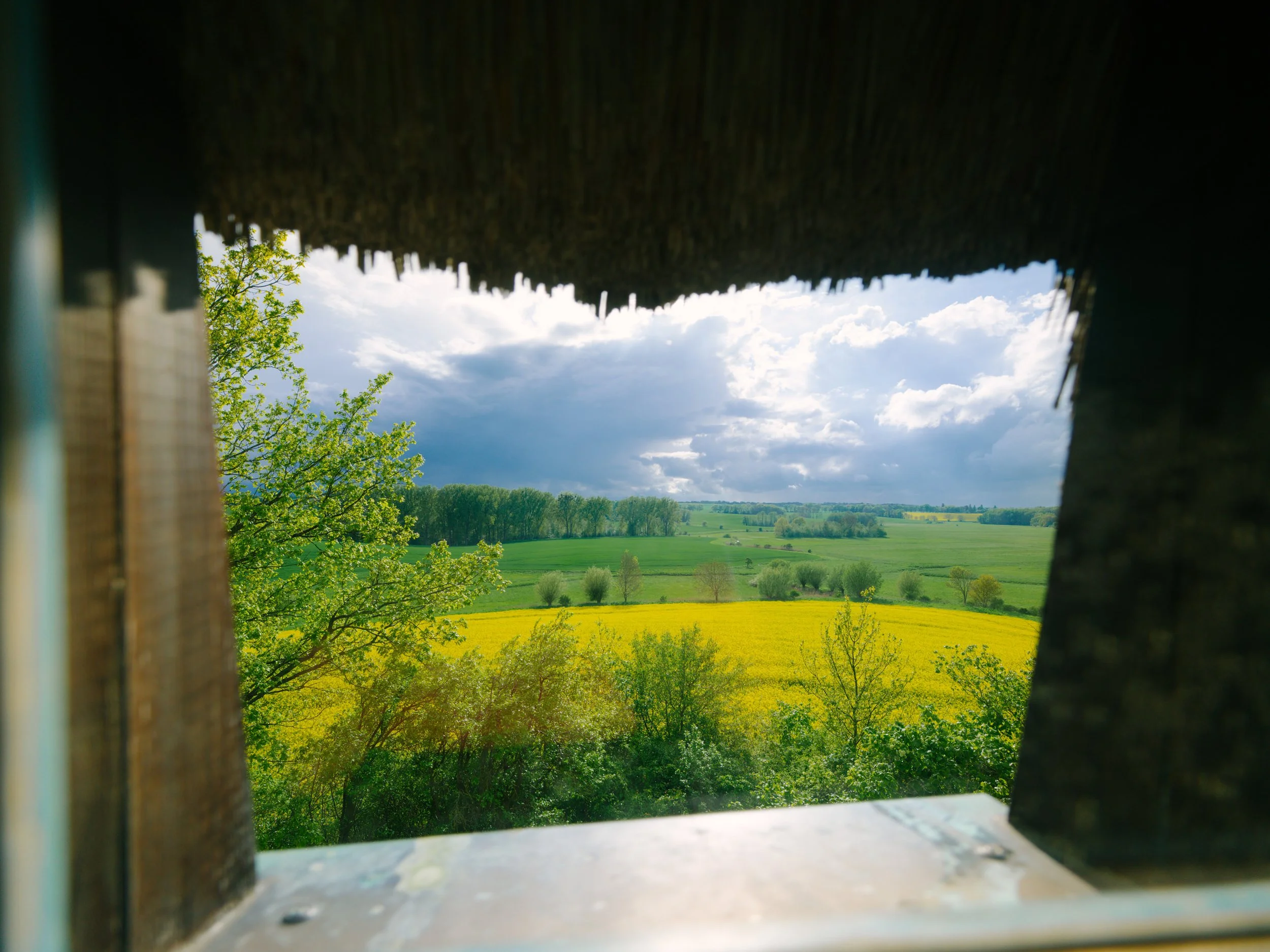
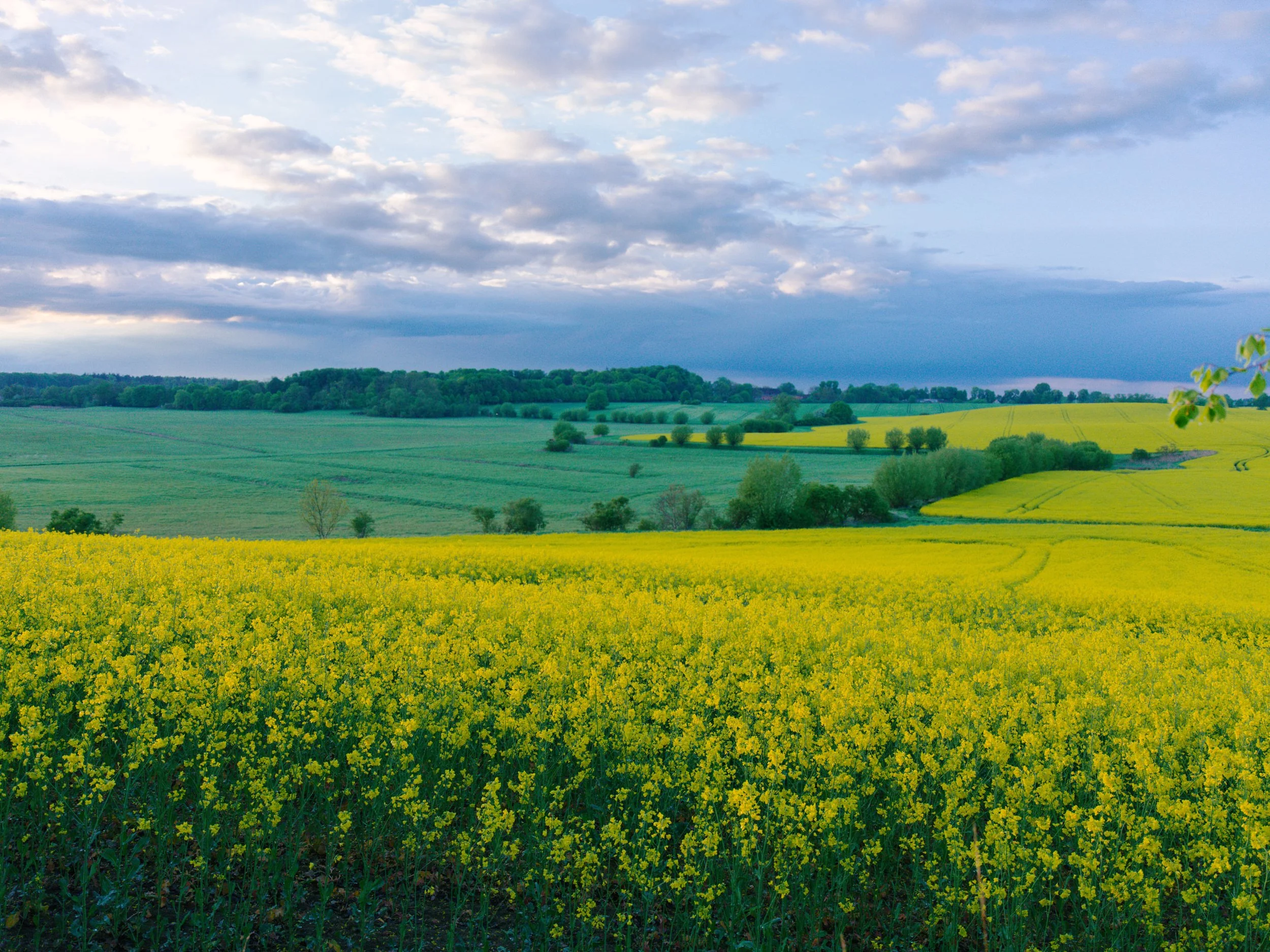
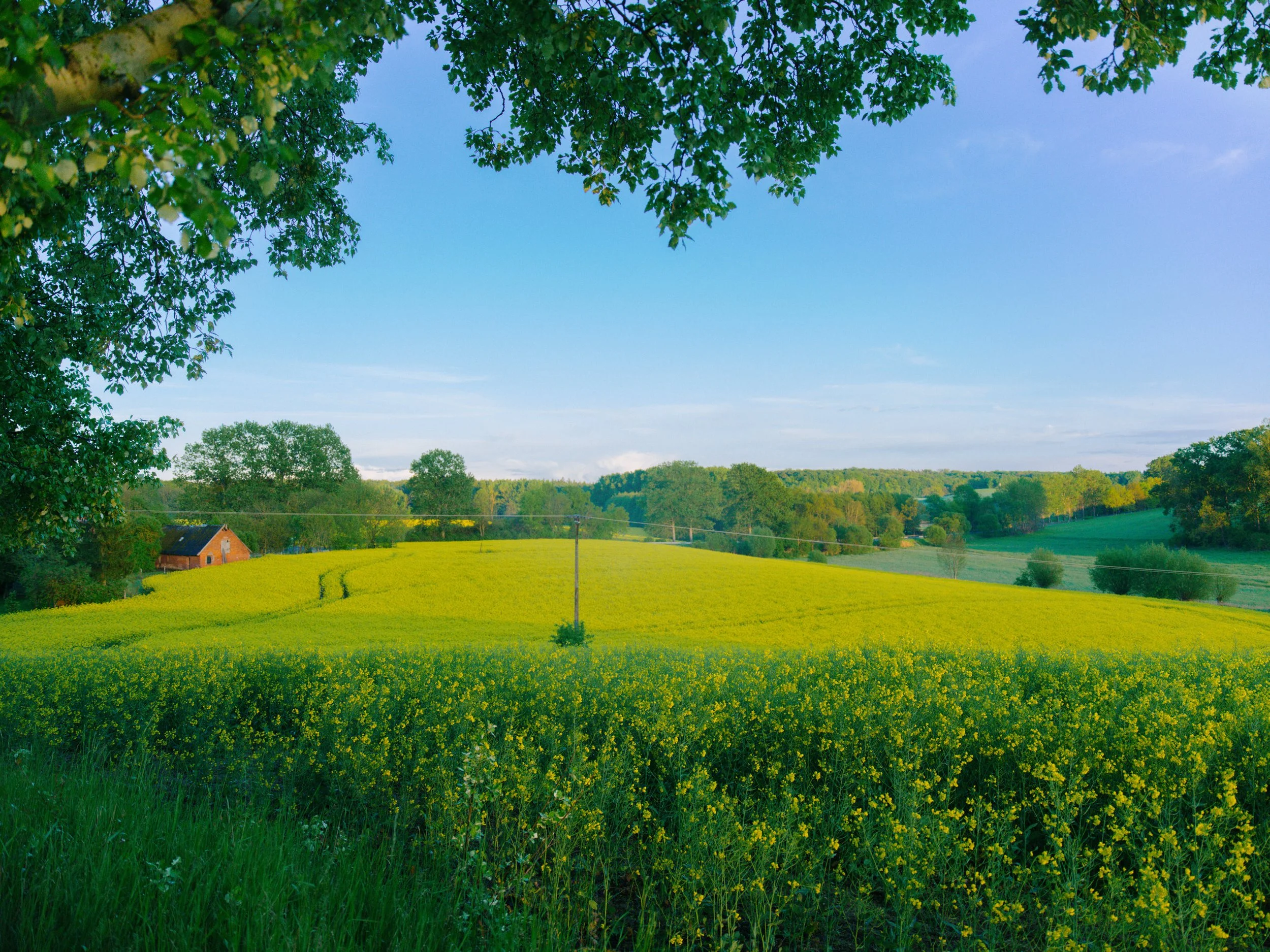
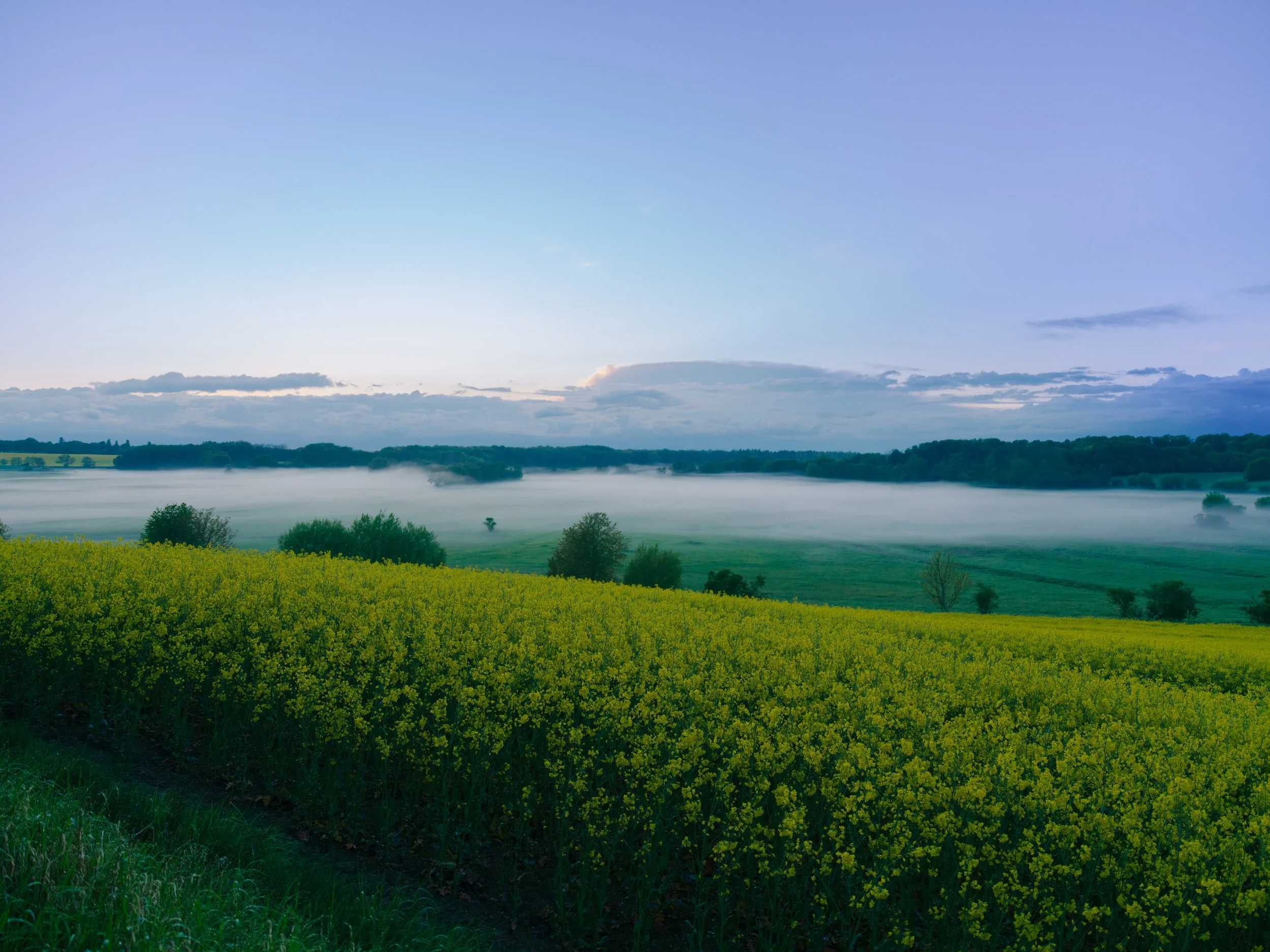
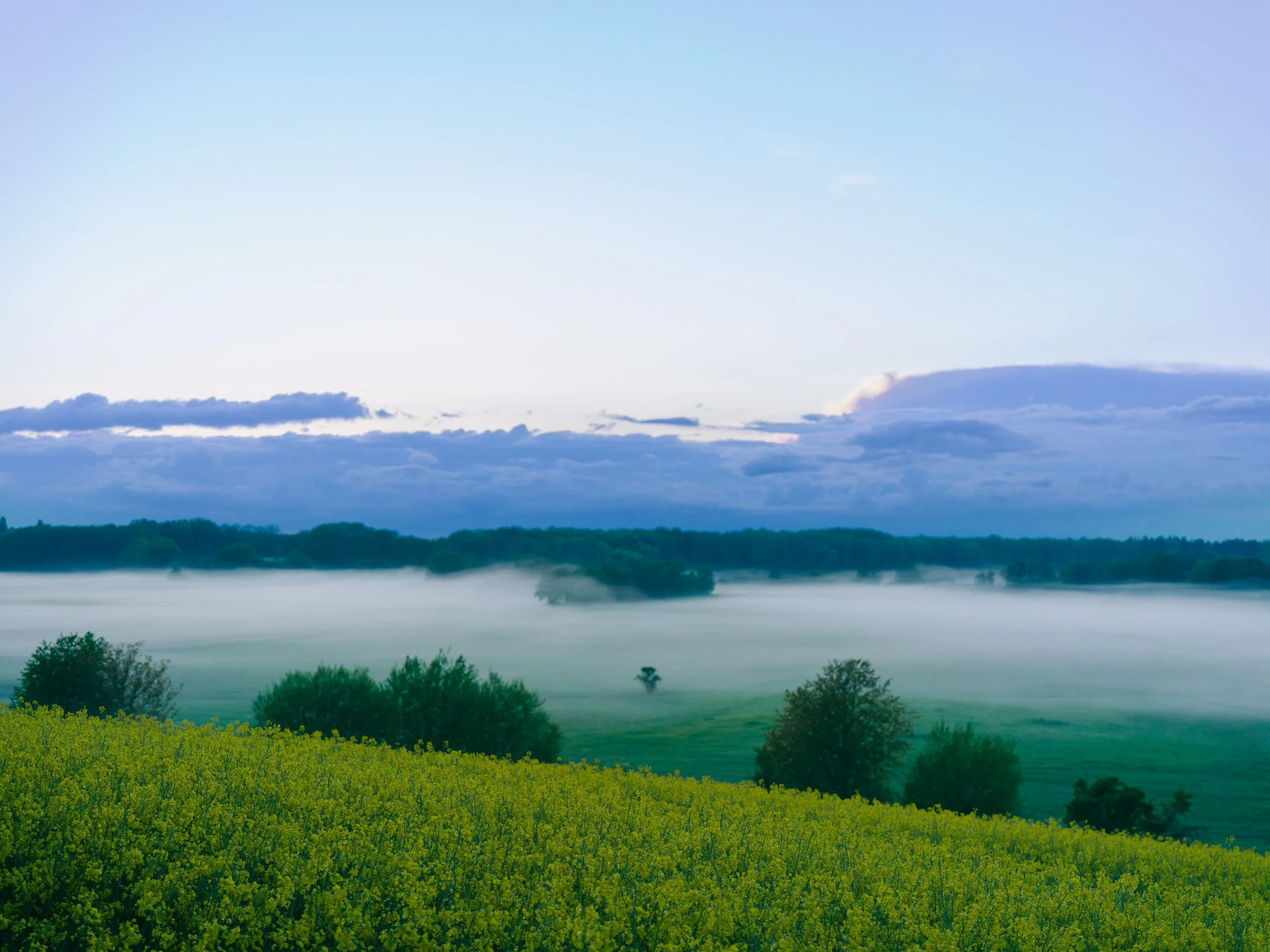
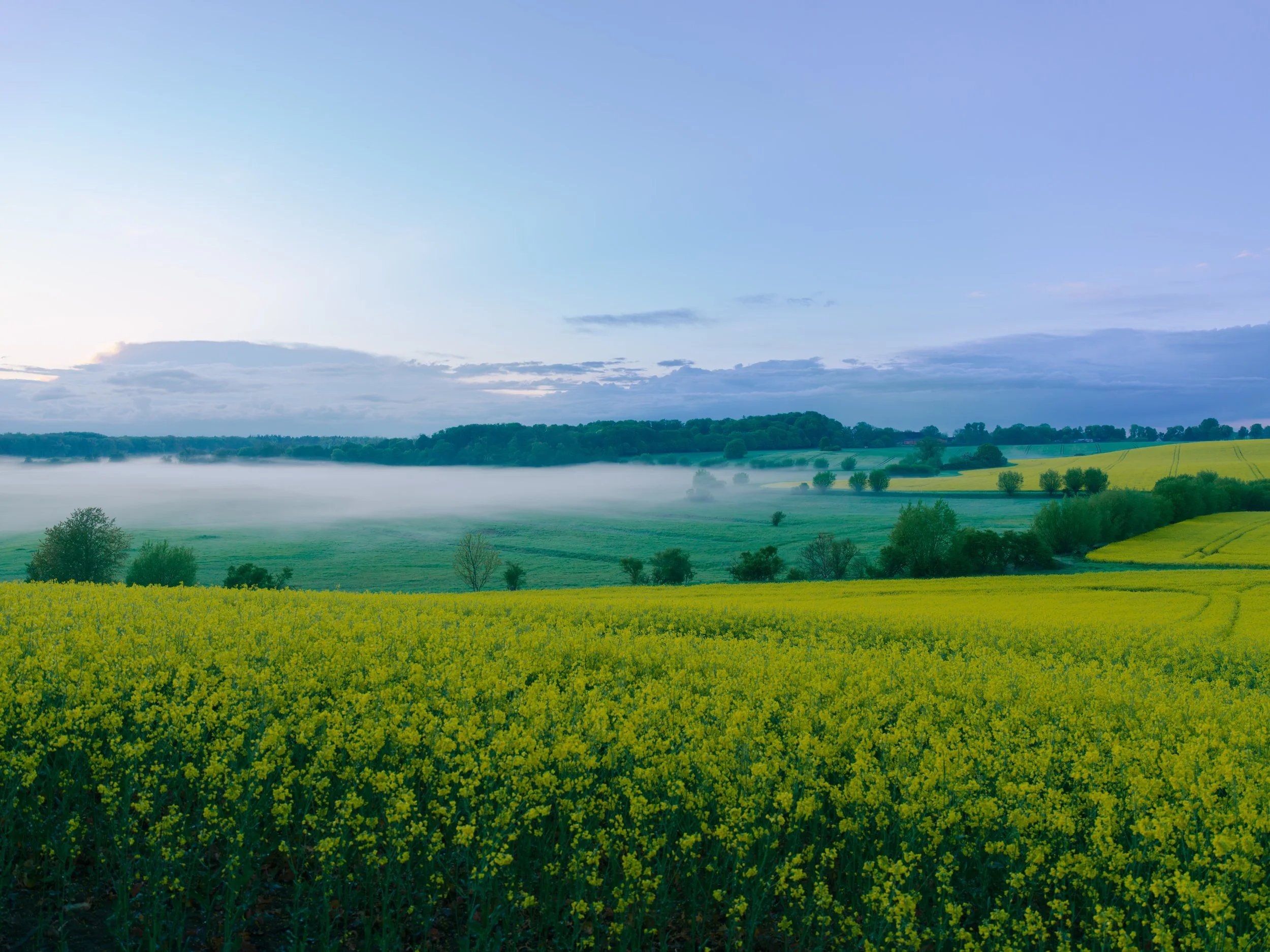
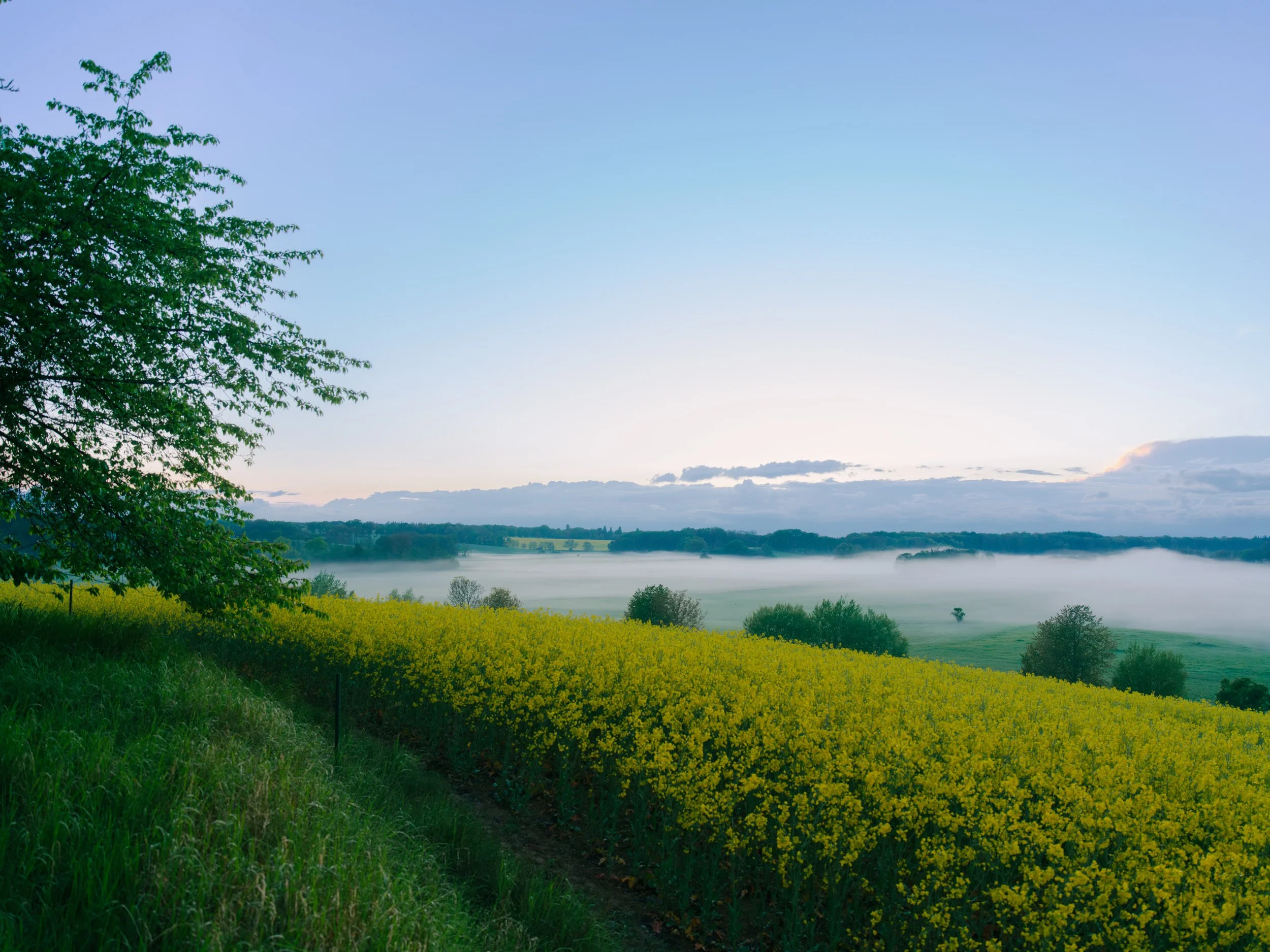
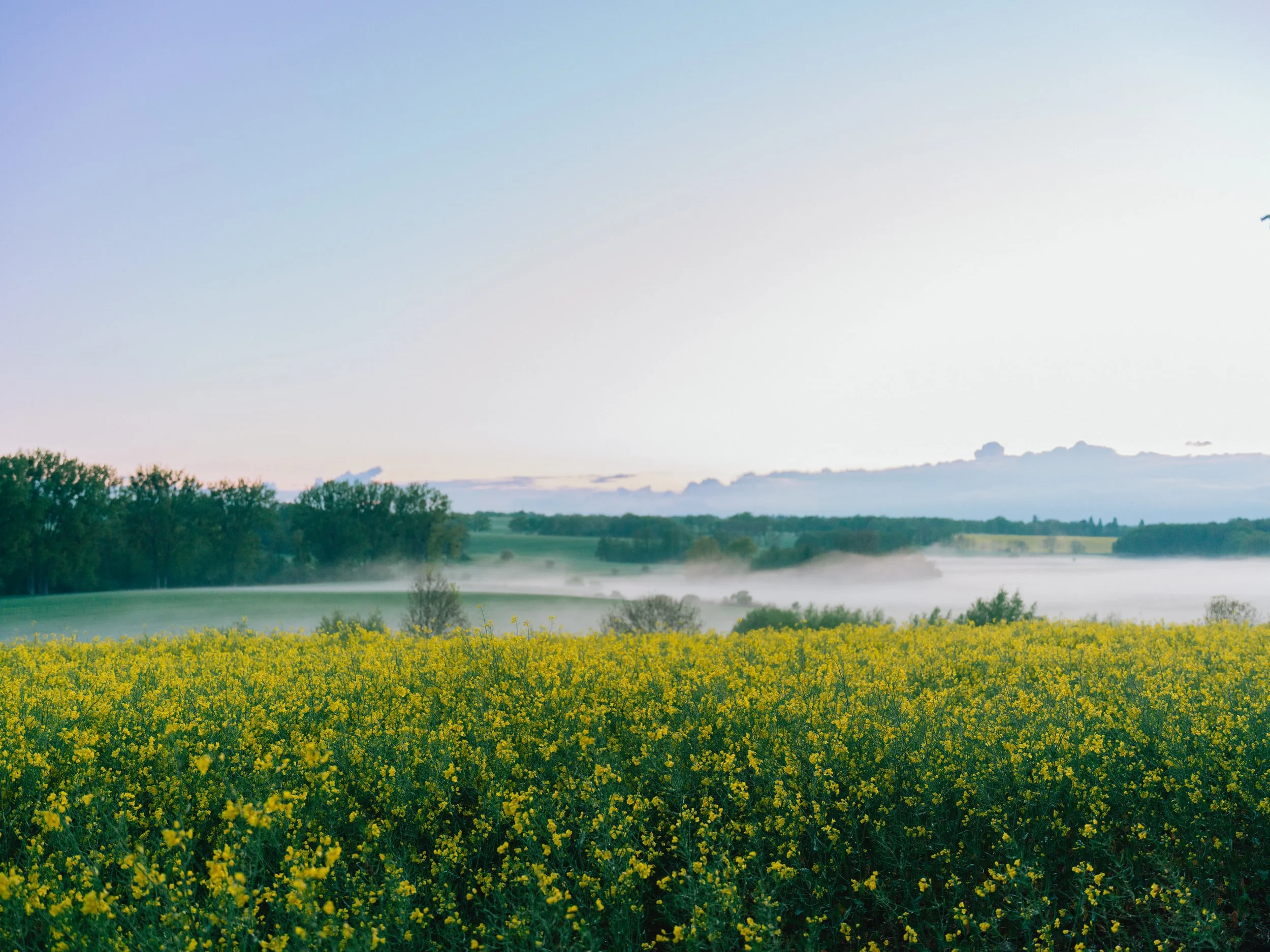
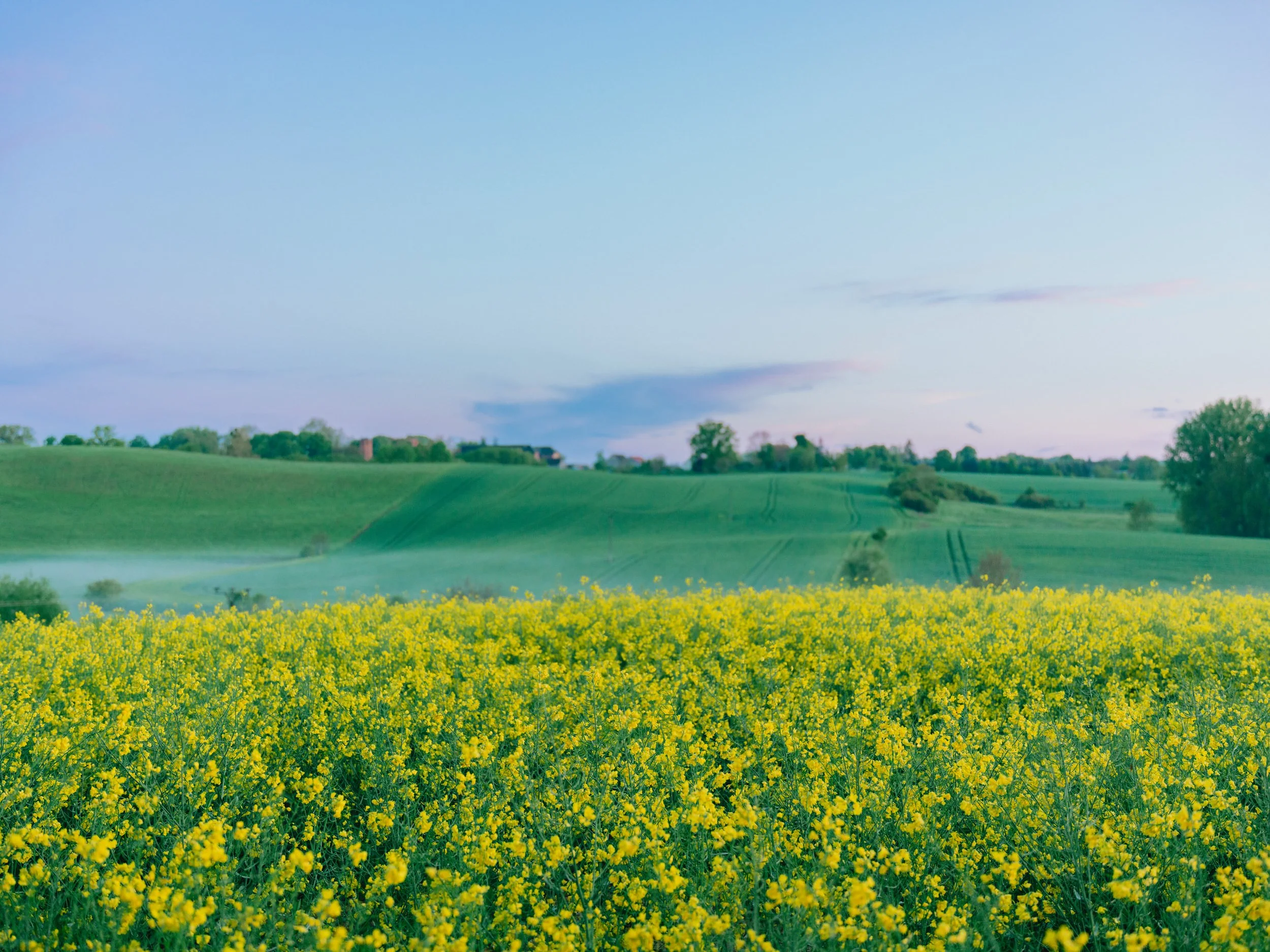
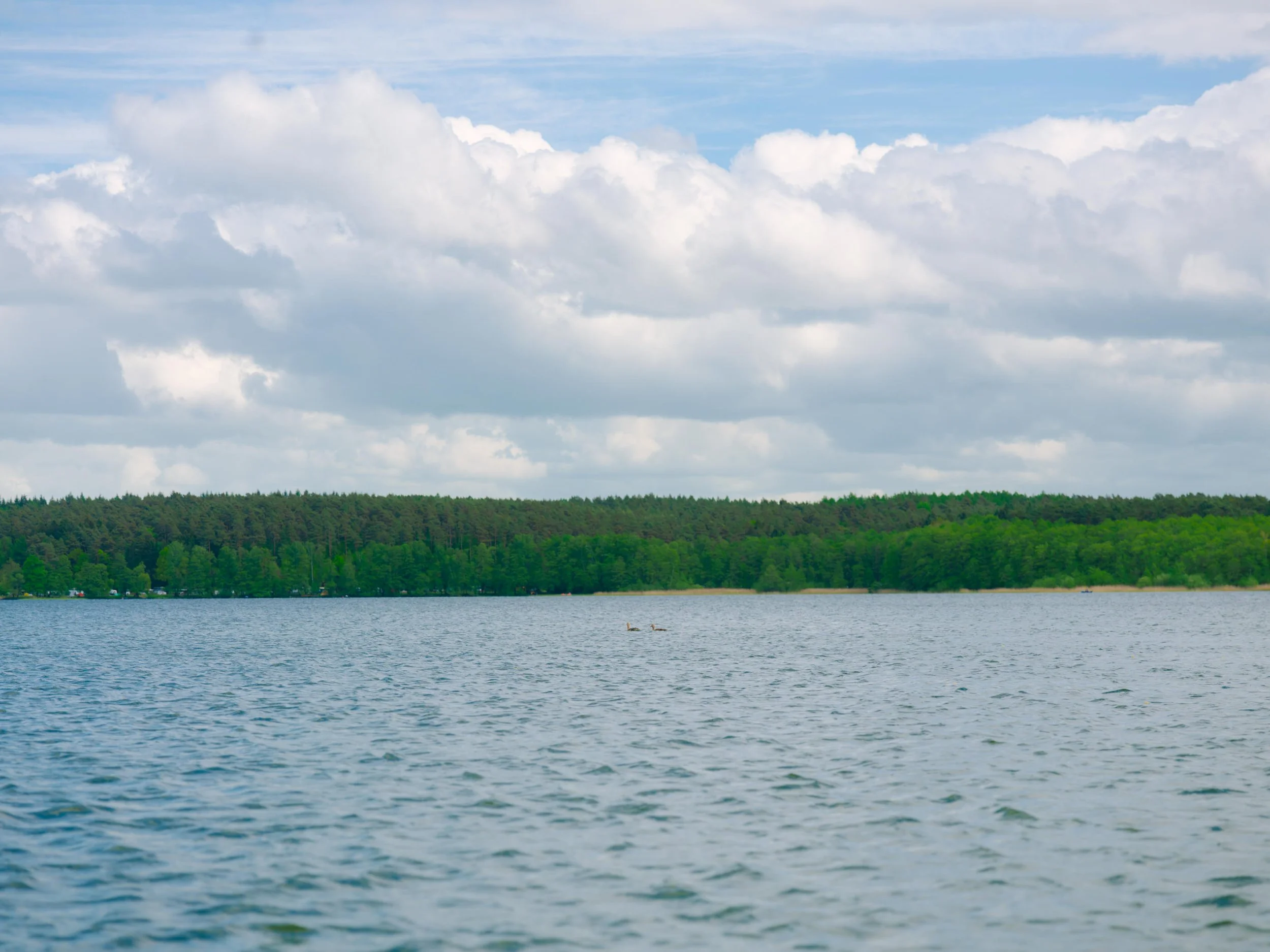
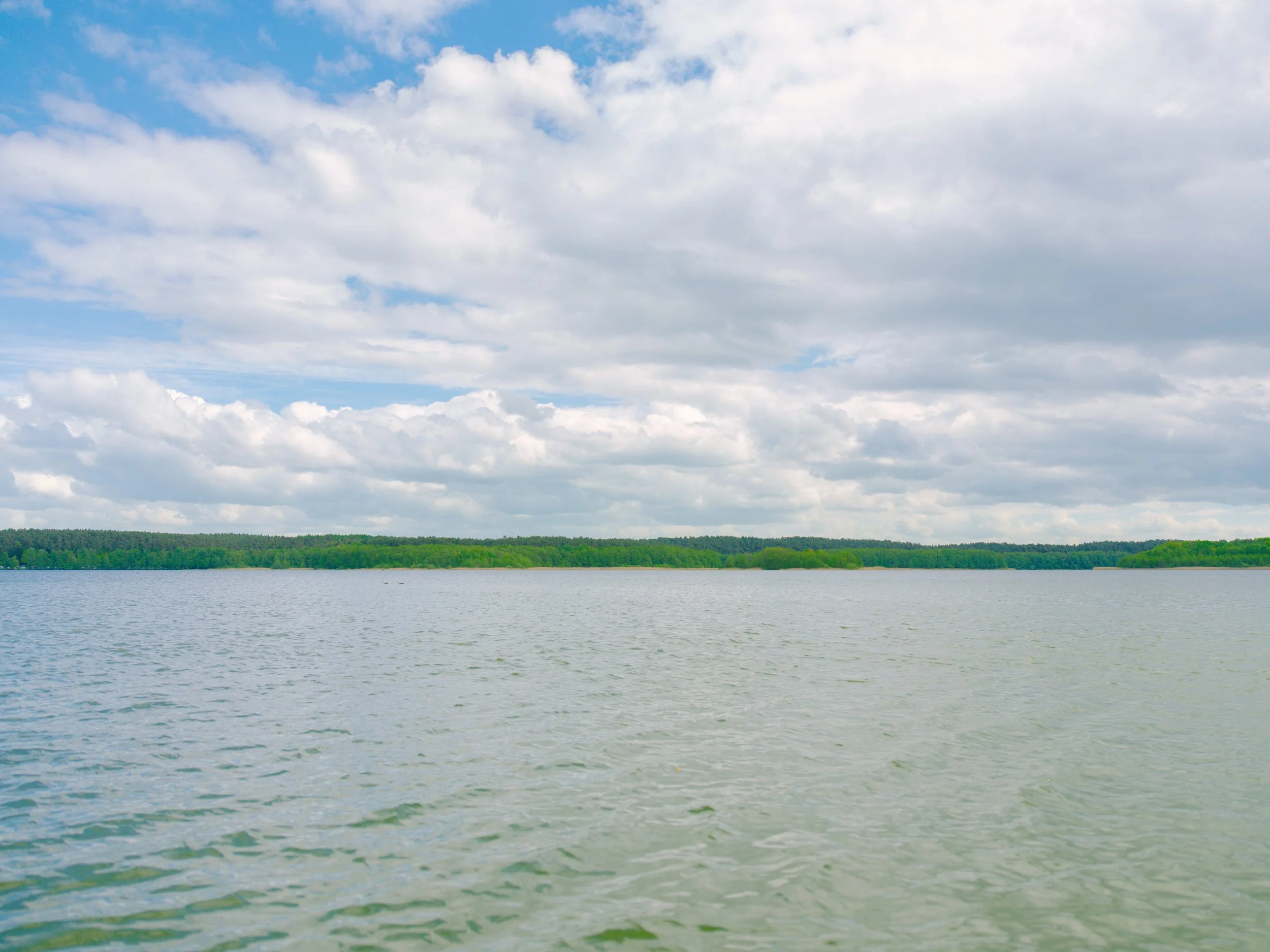
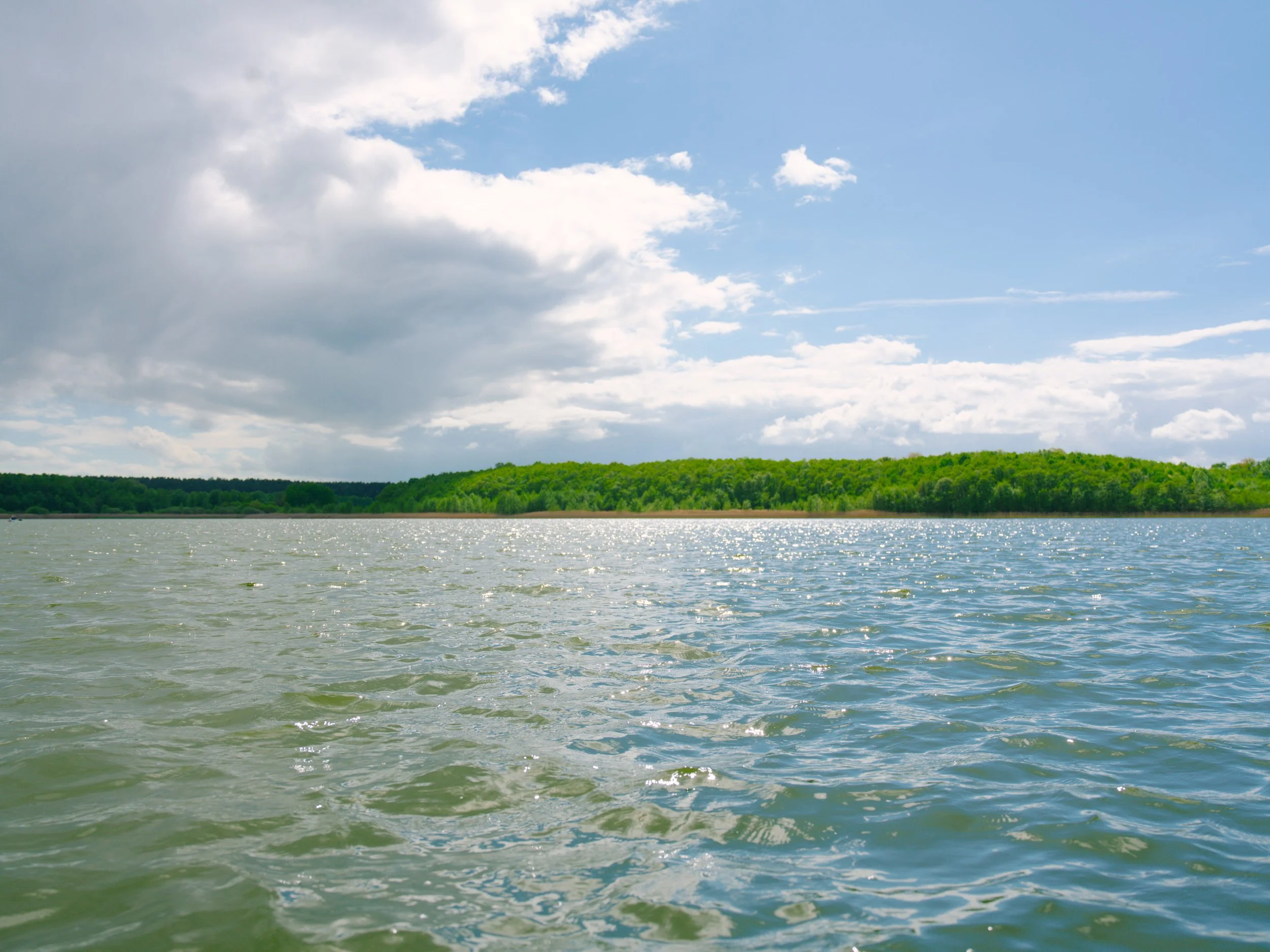
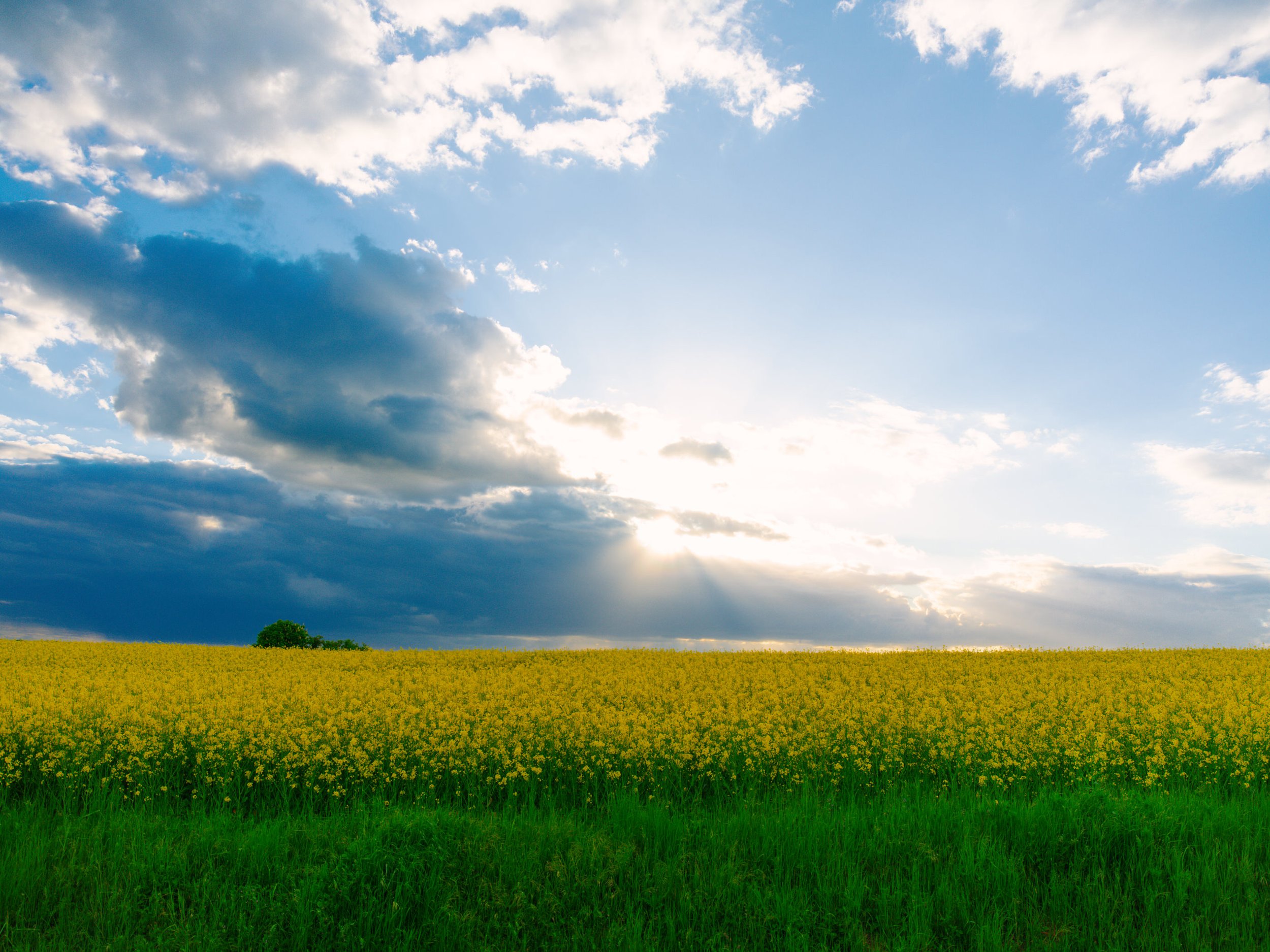
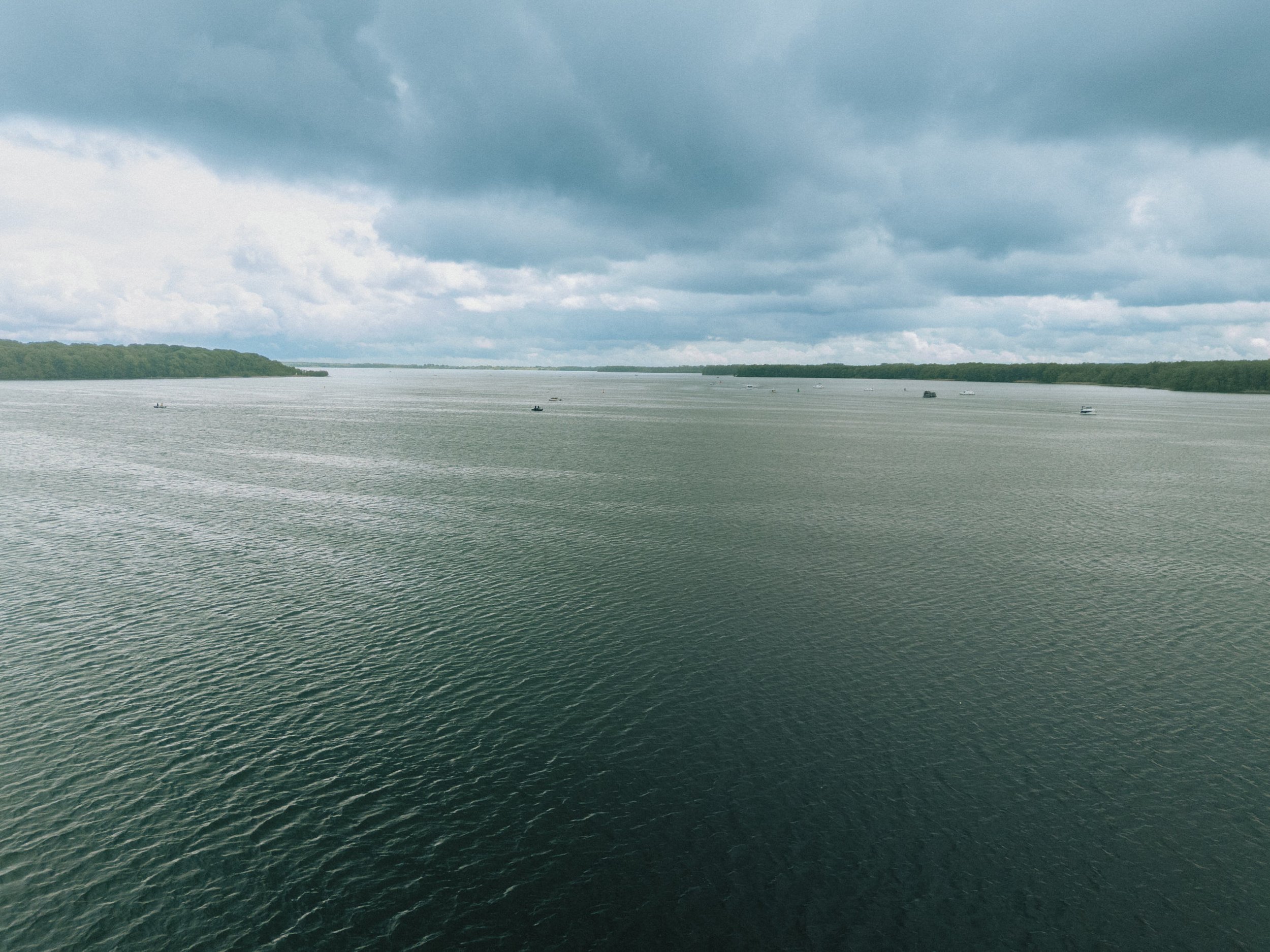
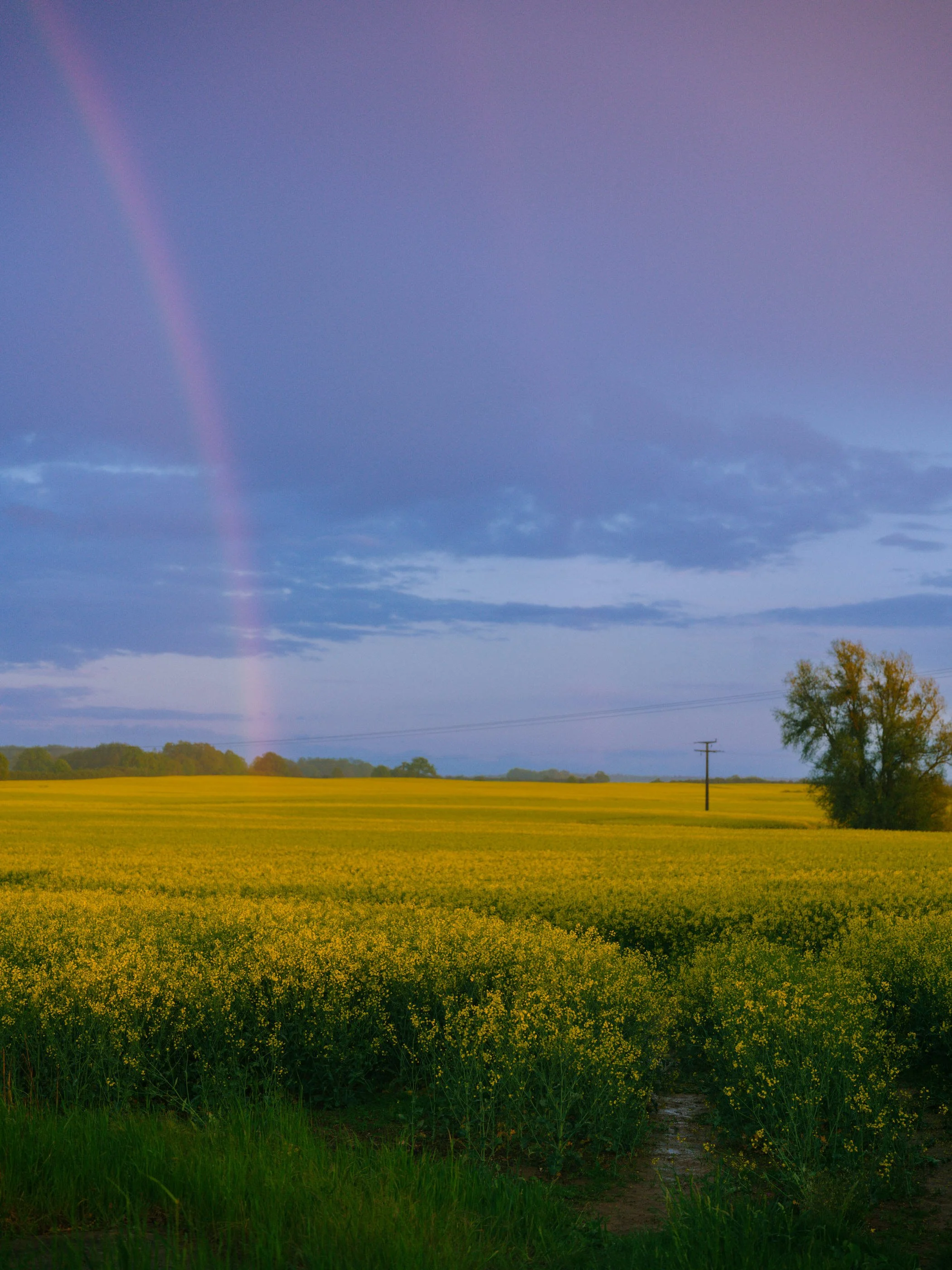
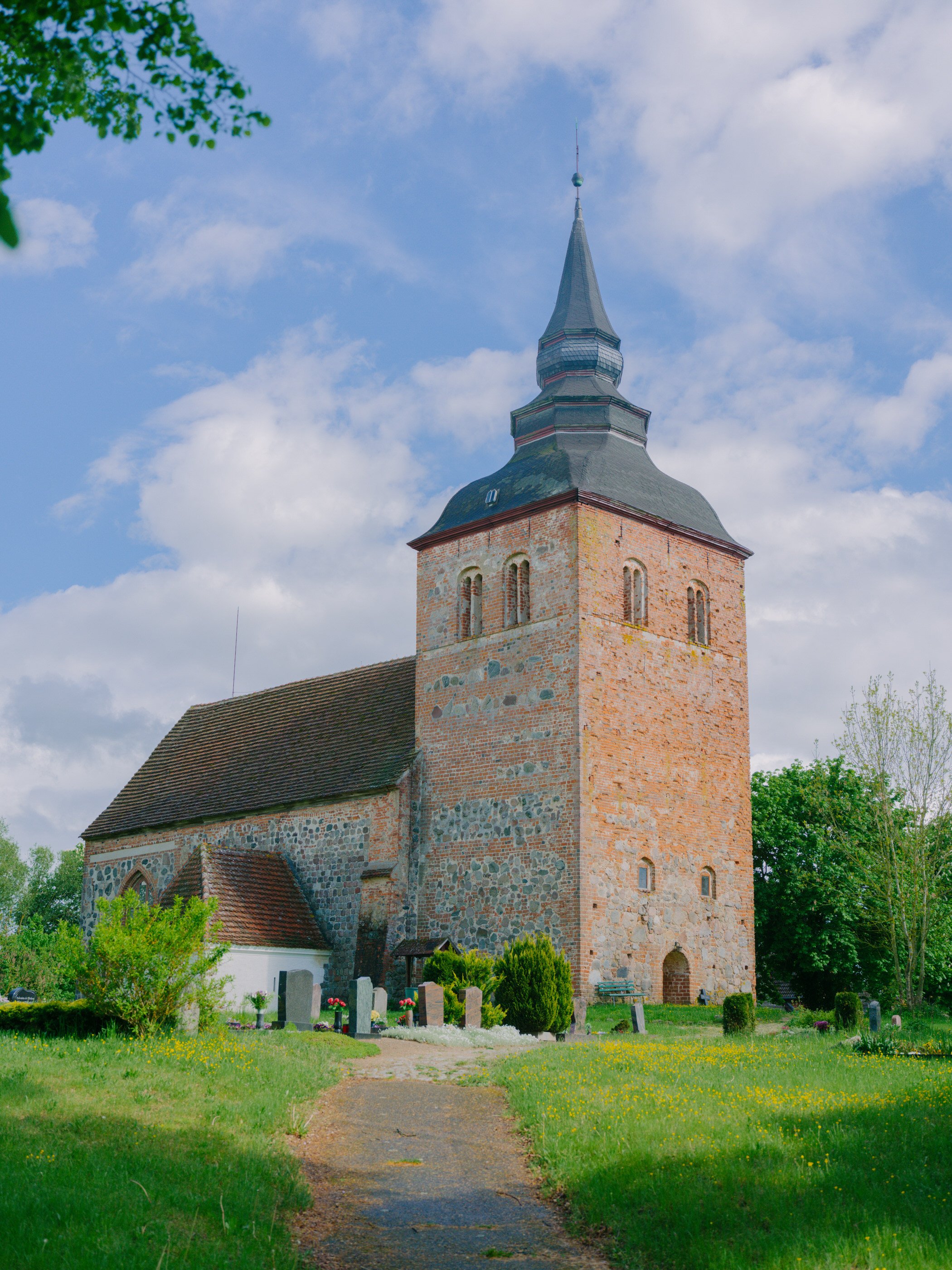
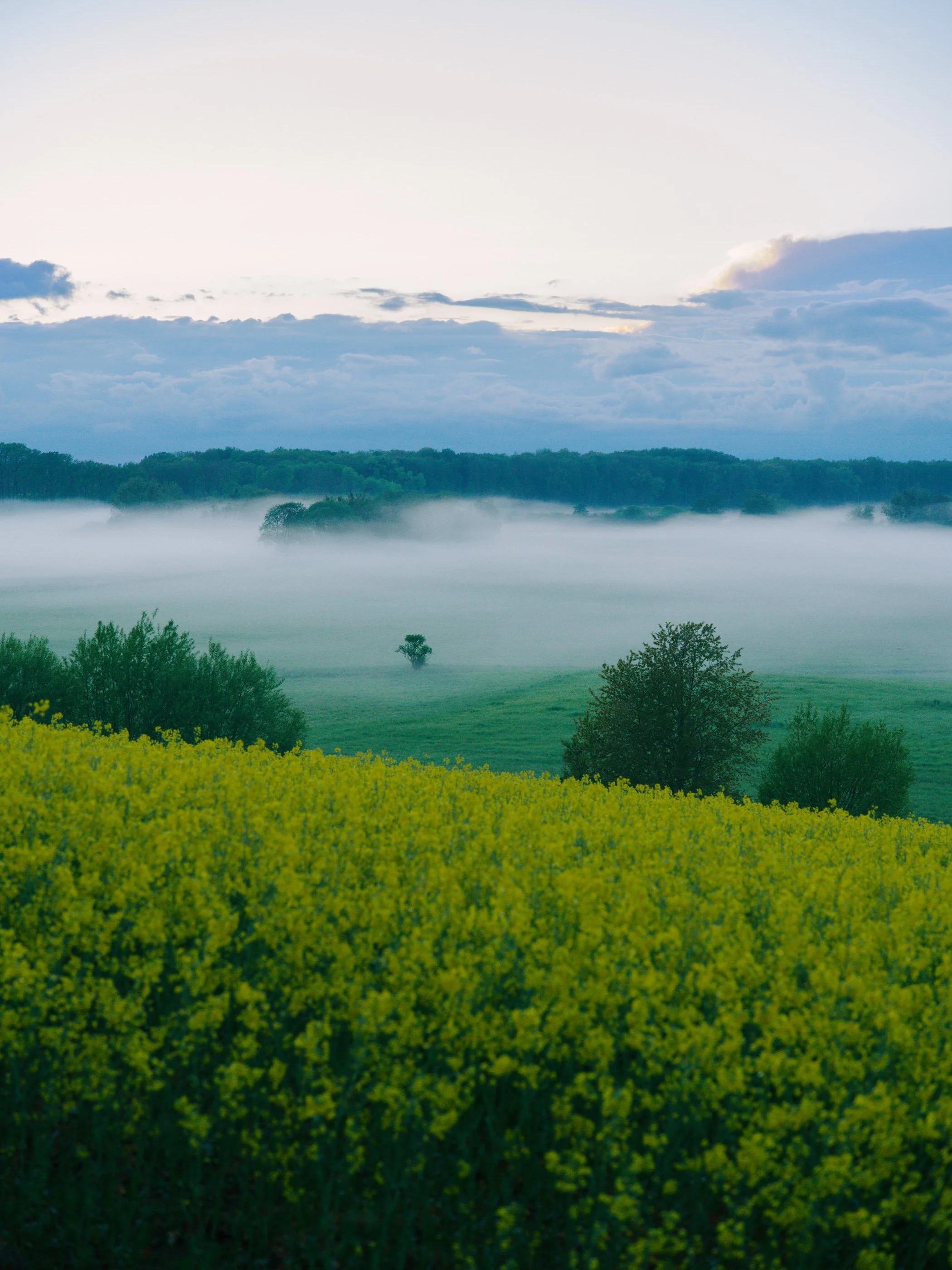
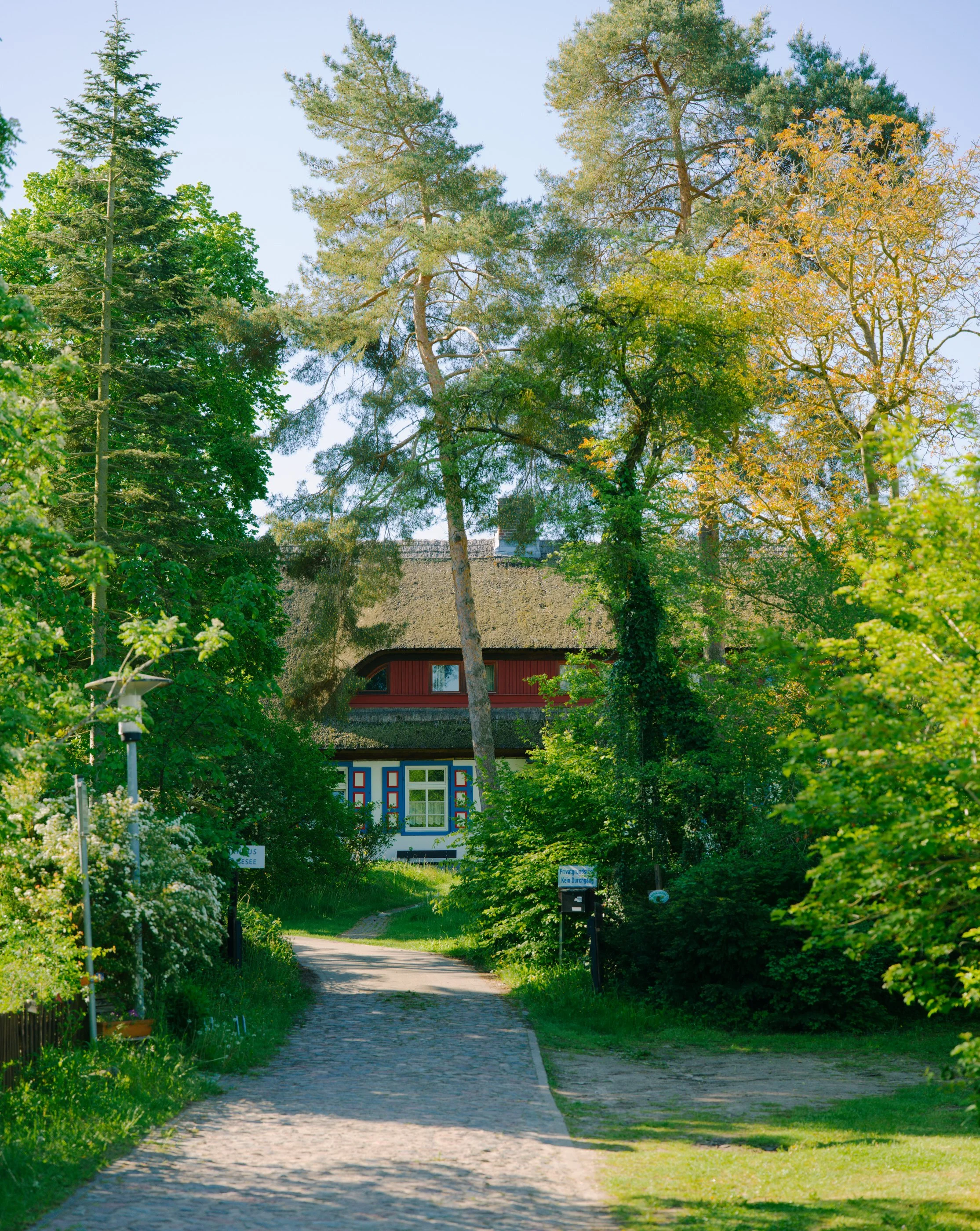
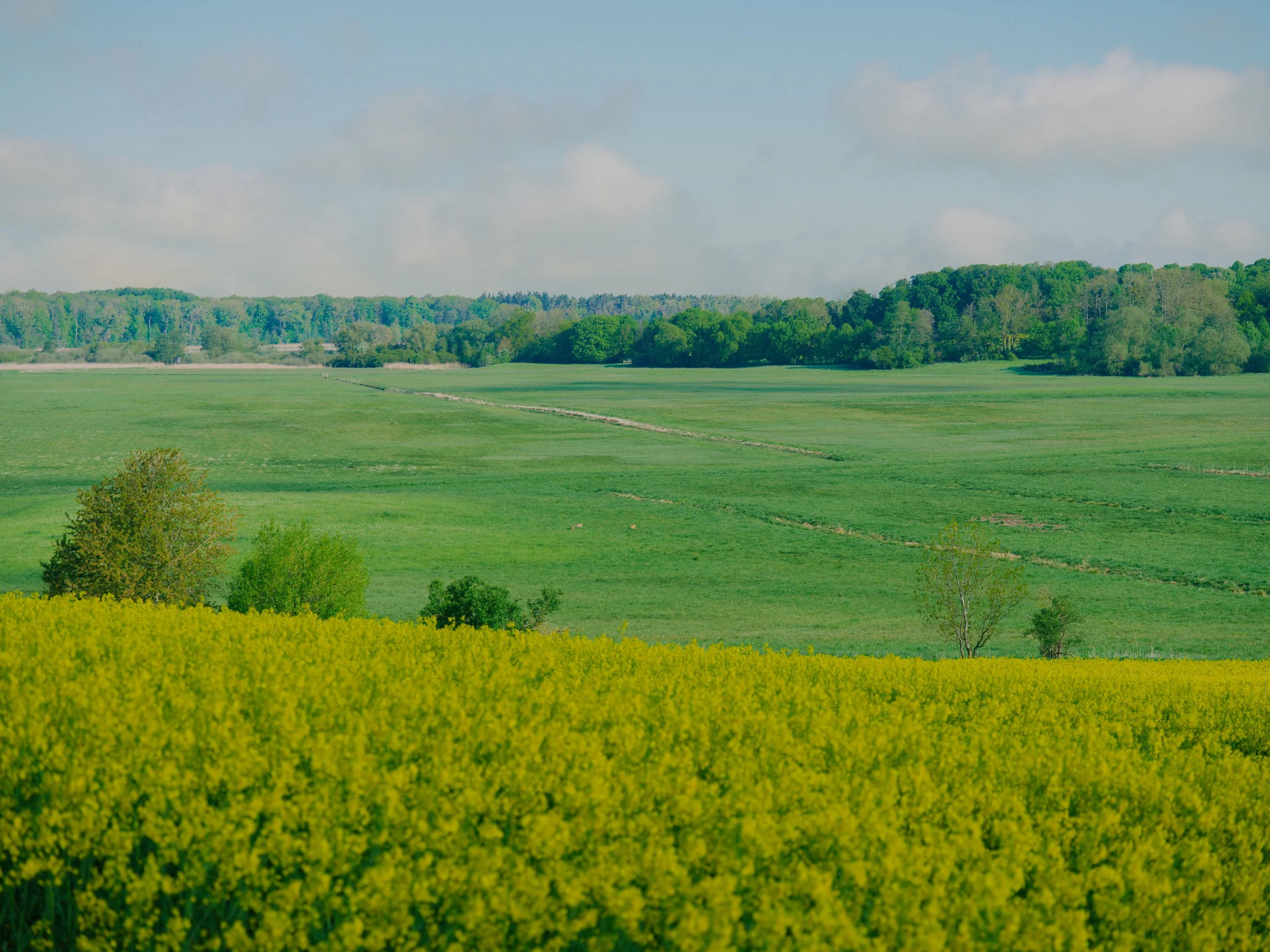
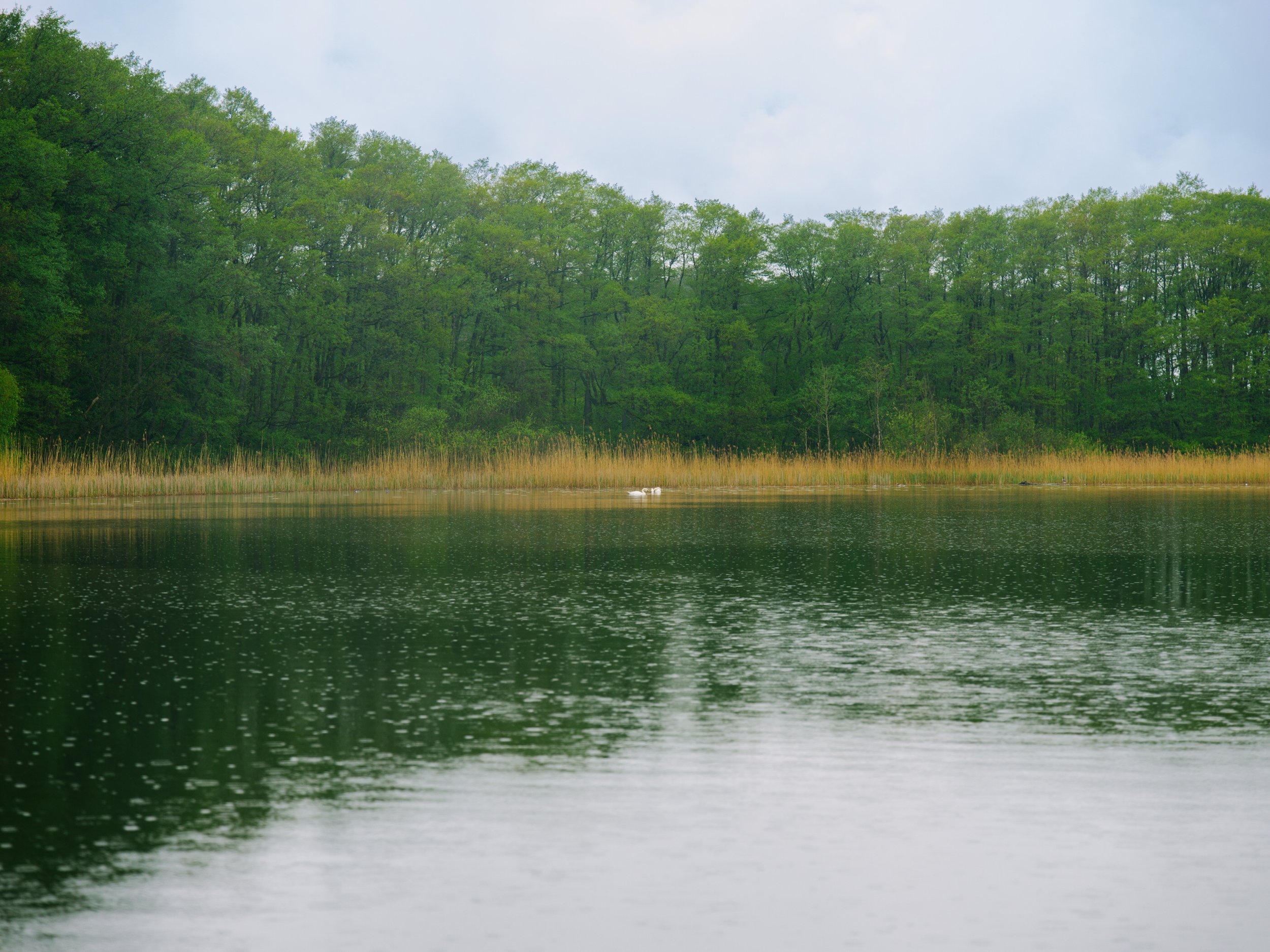
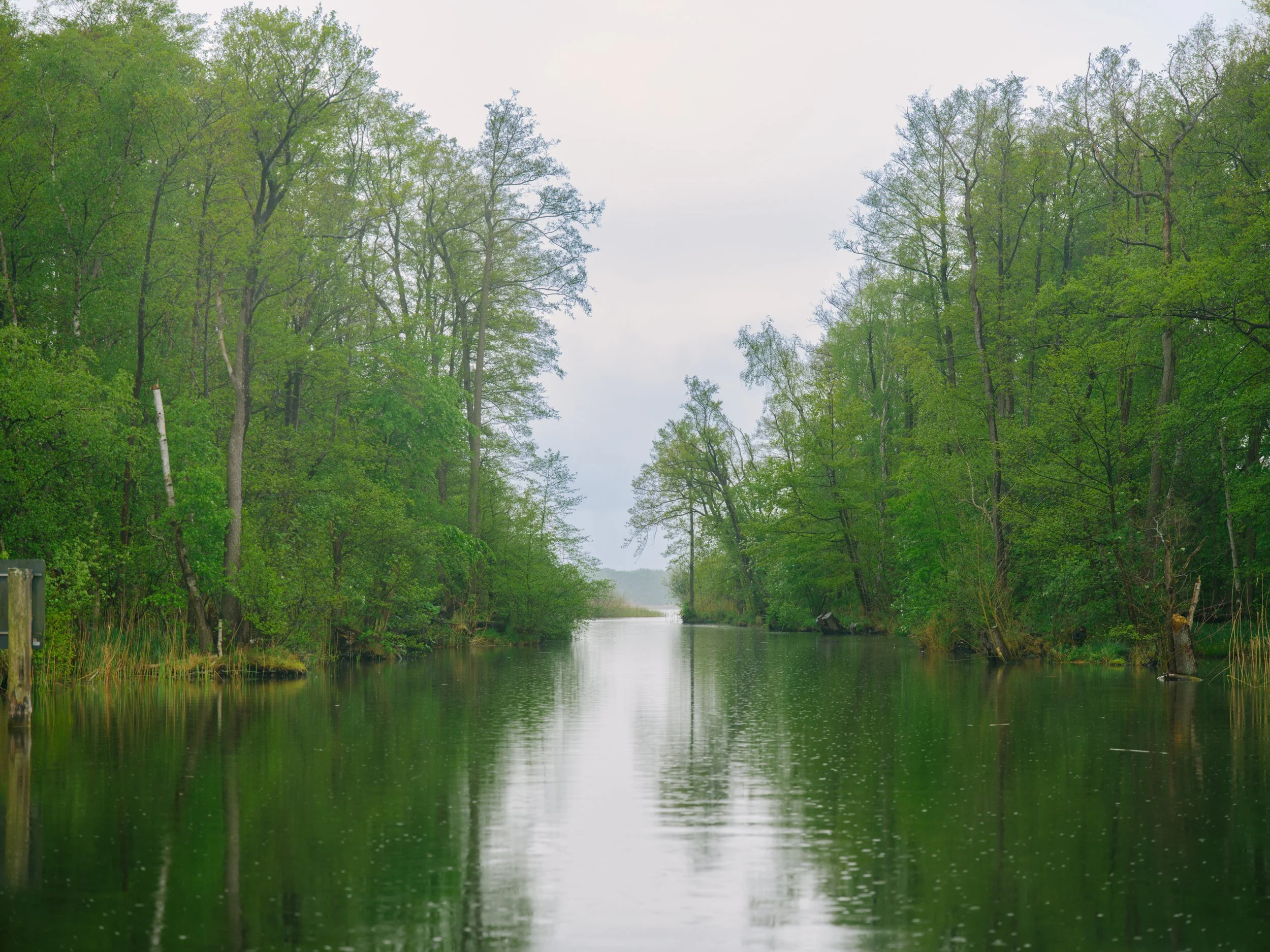
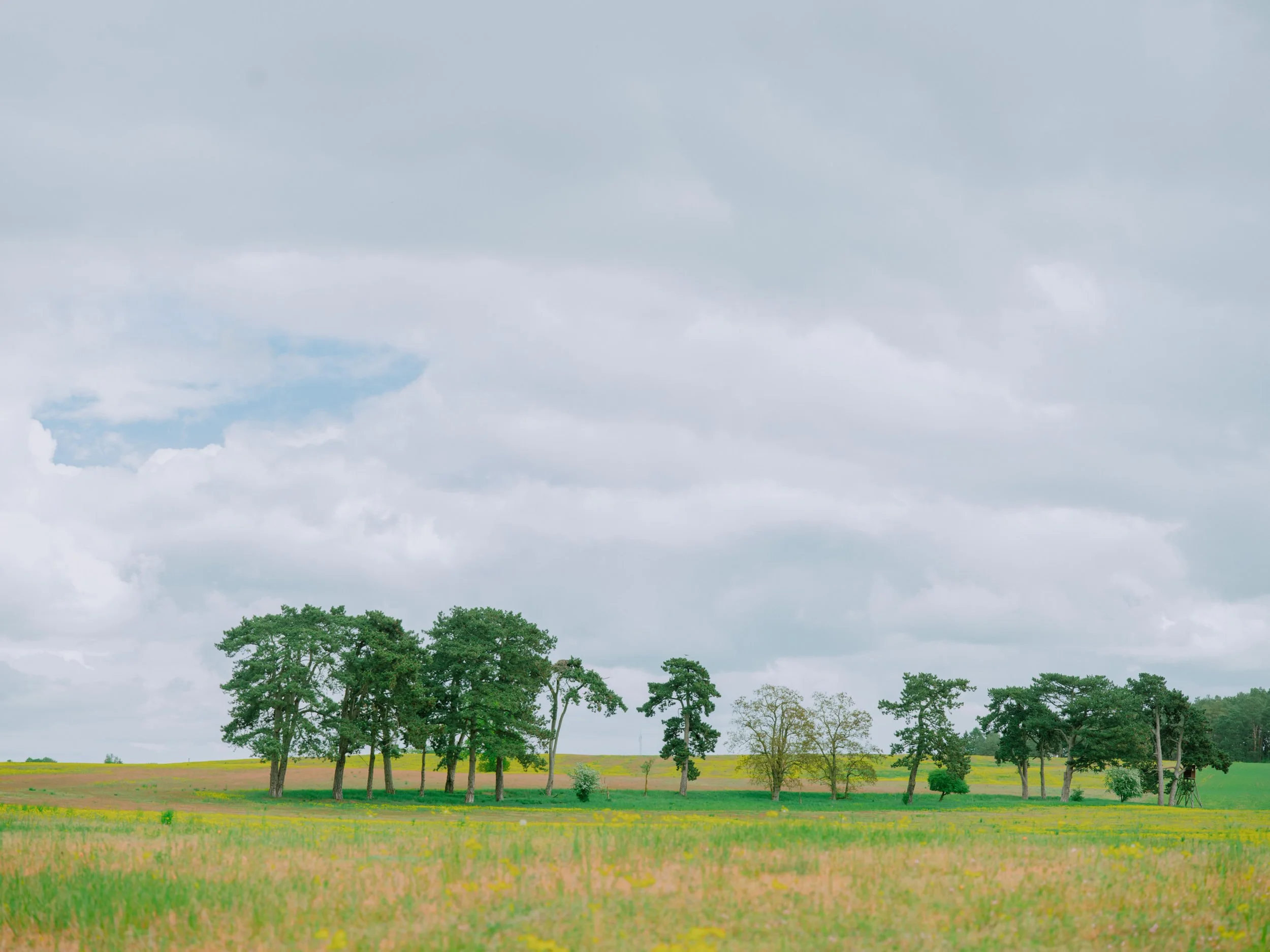
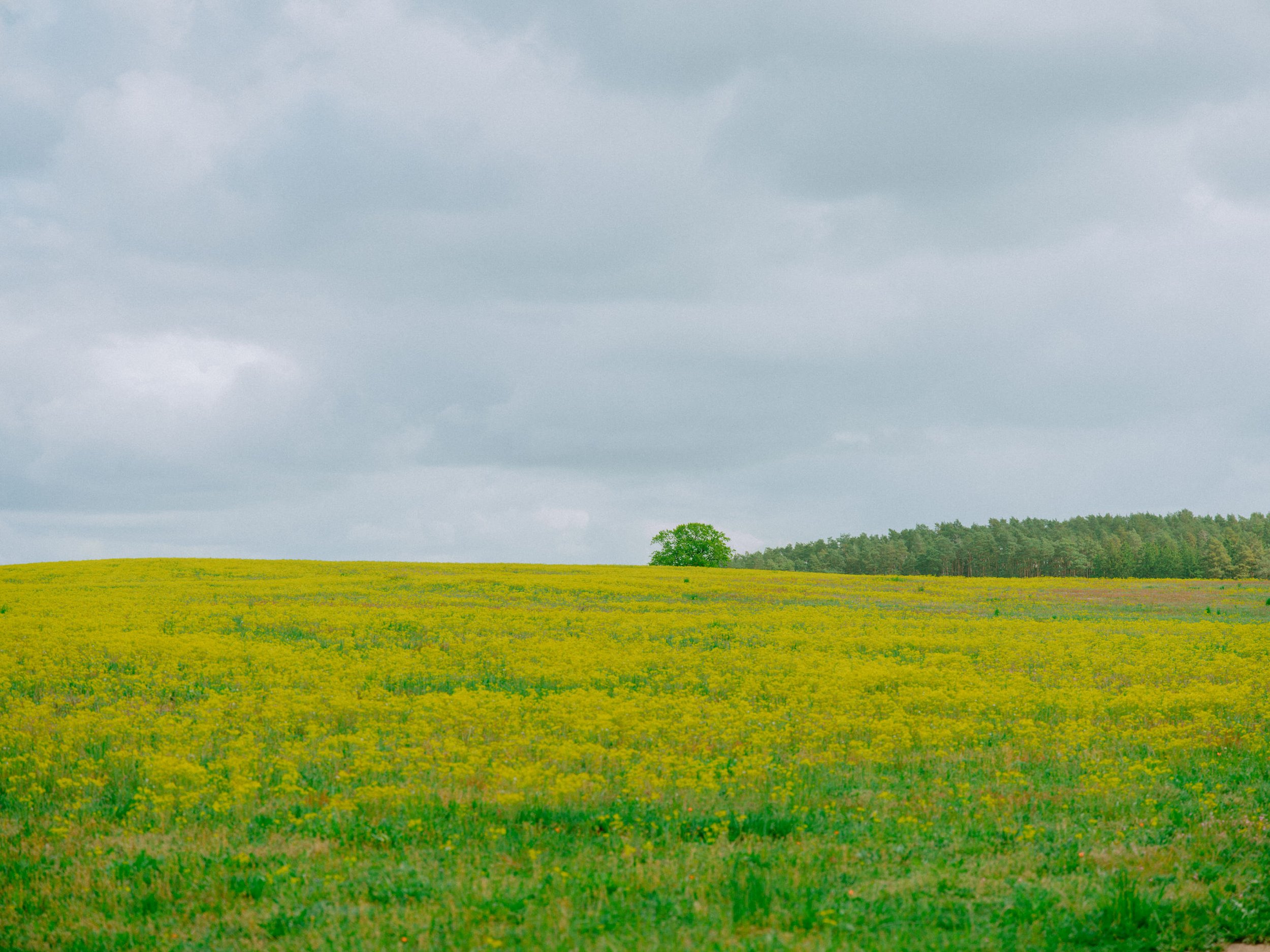
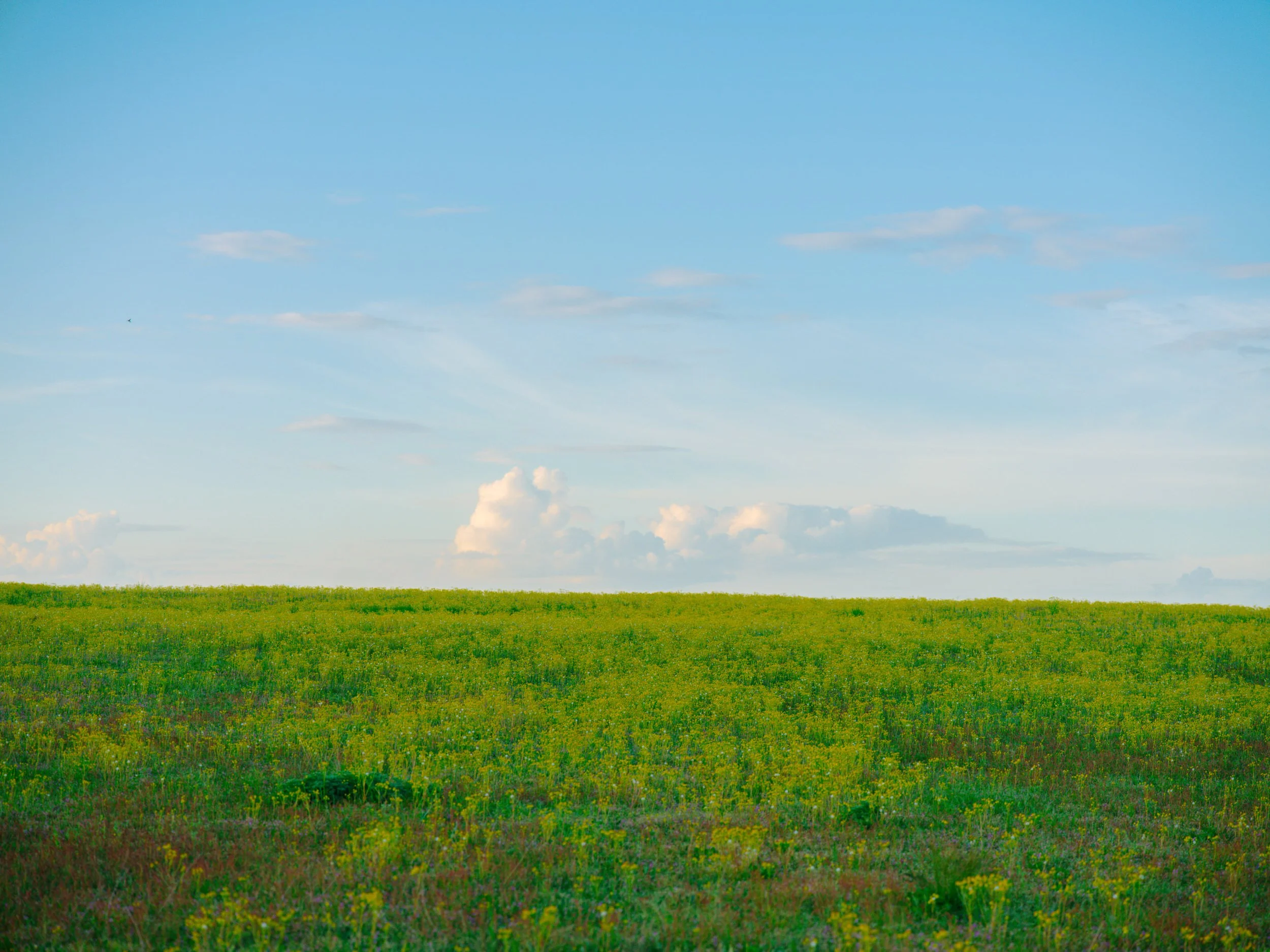
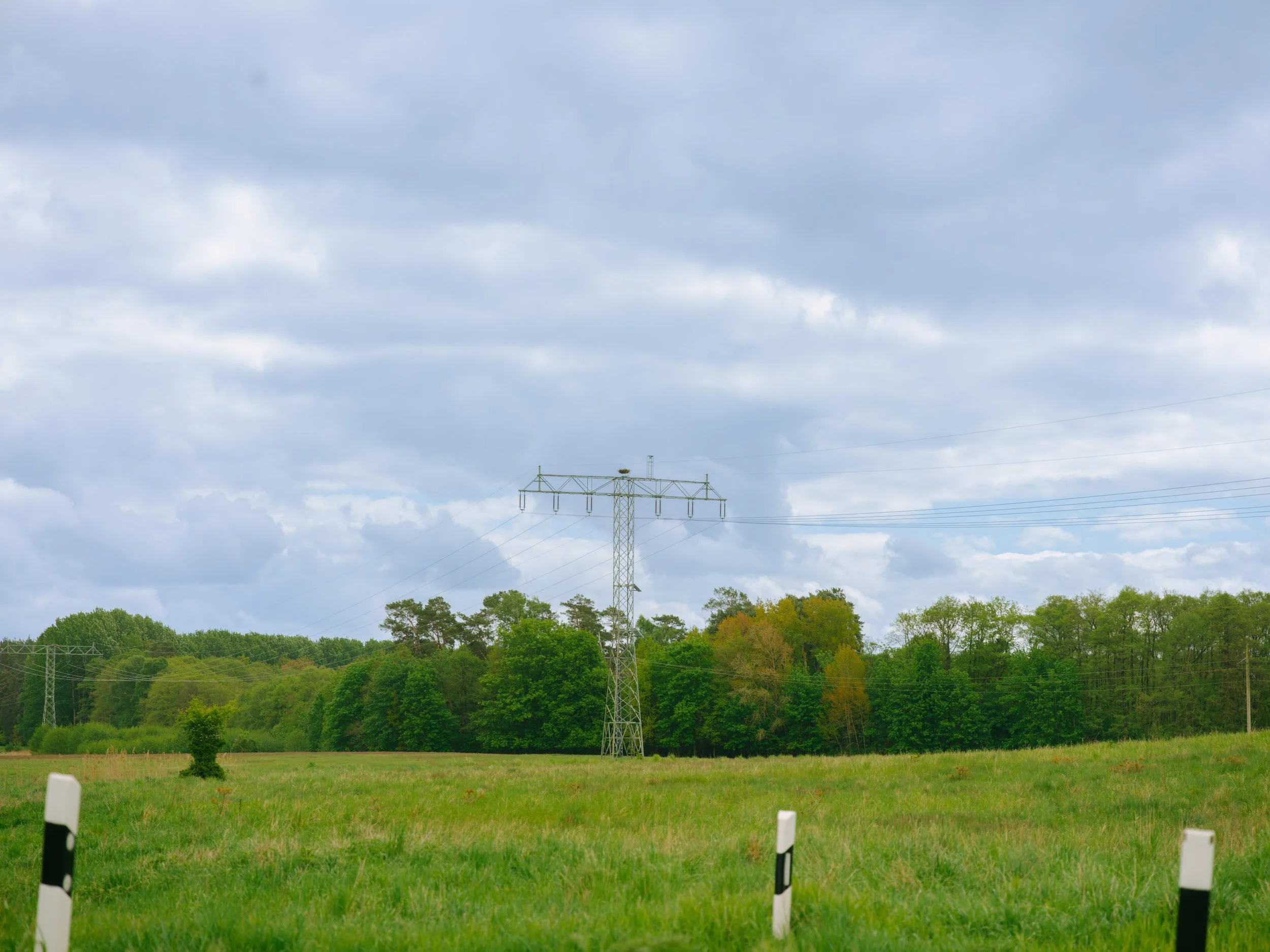
Often called Germany's Lake District, it's a landscape shaped by water. With over a thousand interconnected lakes, rolling farmland, ancient forests, and sleepy villages, it's one of the country's most peaceful and surprisingly overlooked destinations. Rather than dramatic mountains or iconic landmarks, the beauty here is quiet. Humble. The kind that slowly grows on you the longer you stay.
And maybe that's exactly why I fell in love with it.
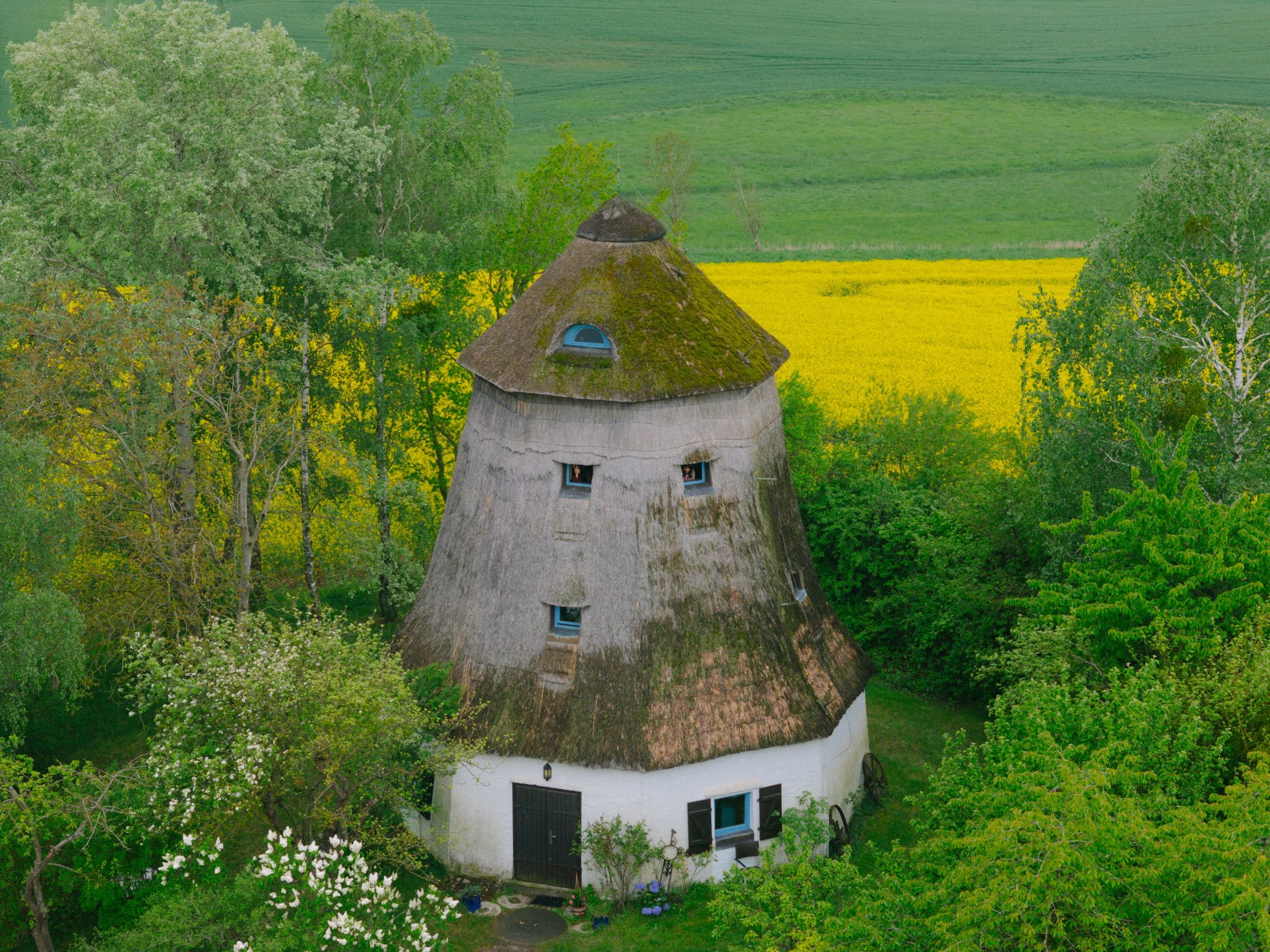
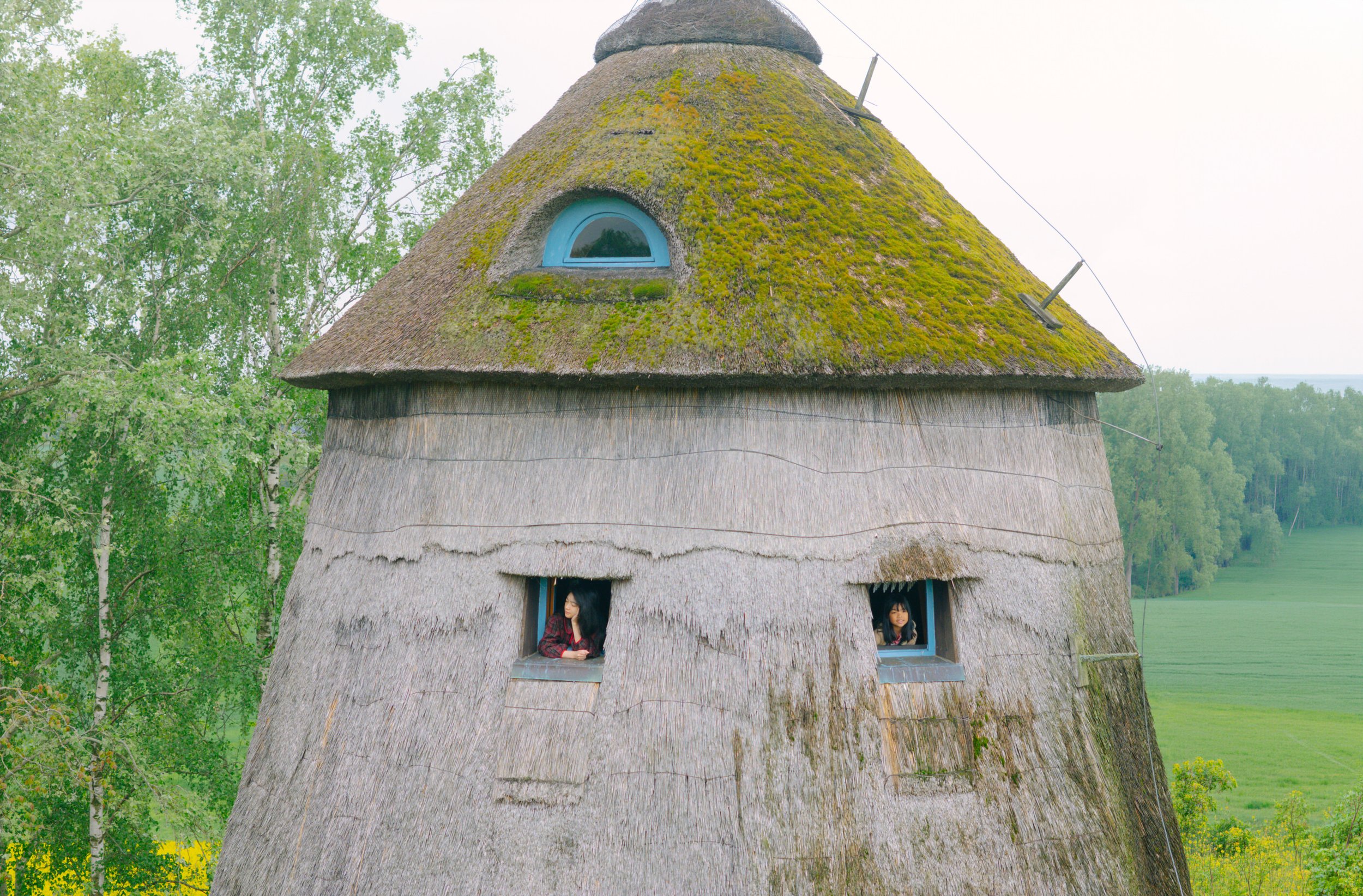
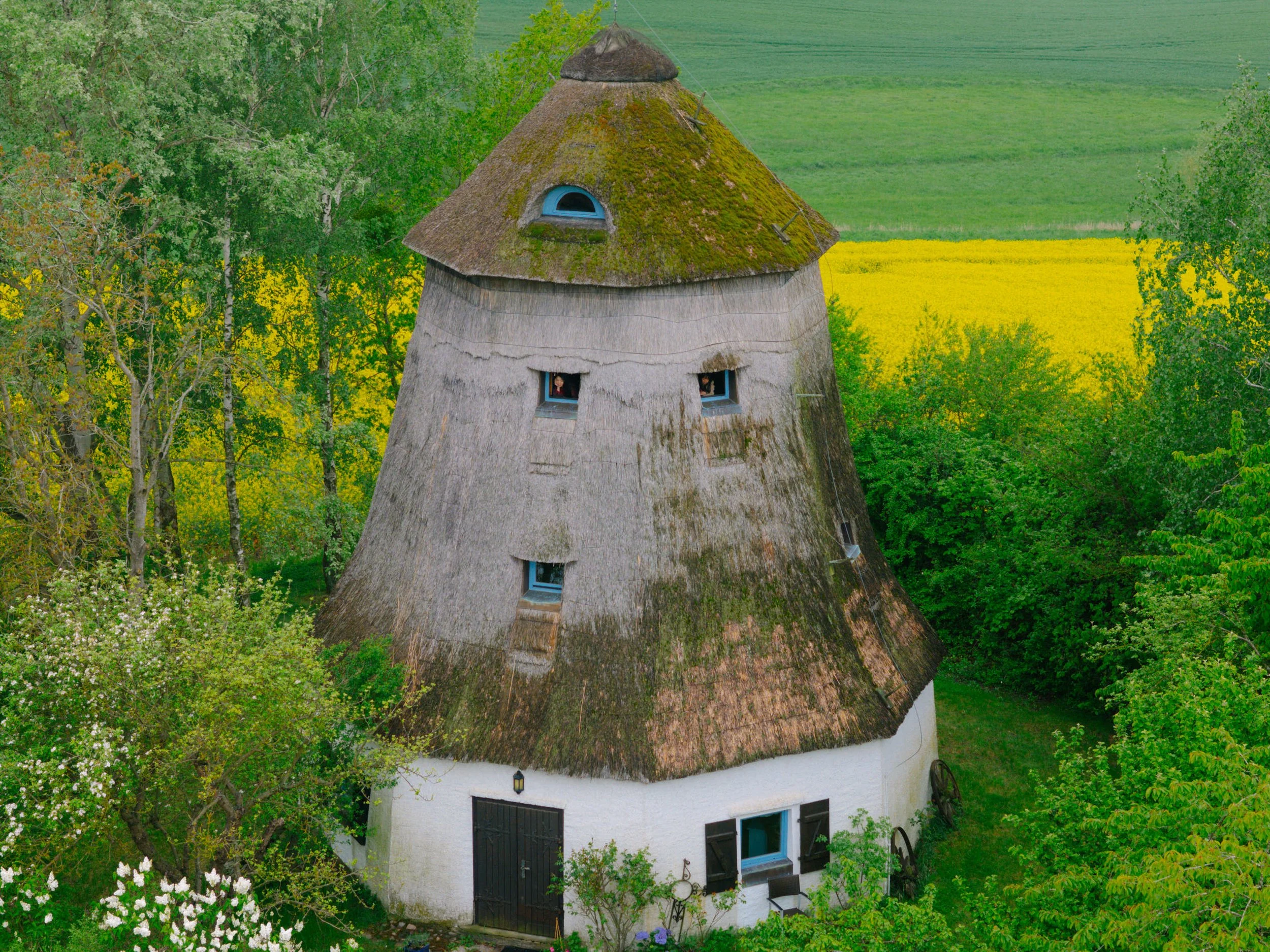
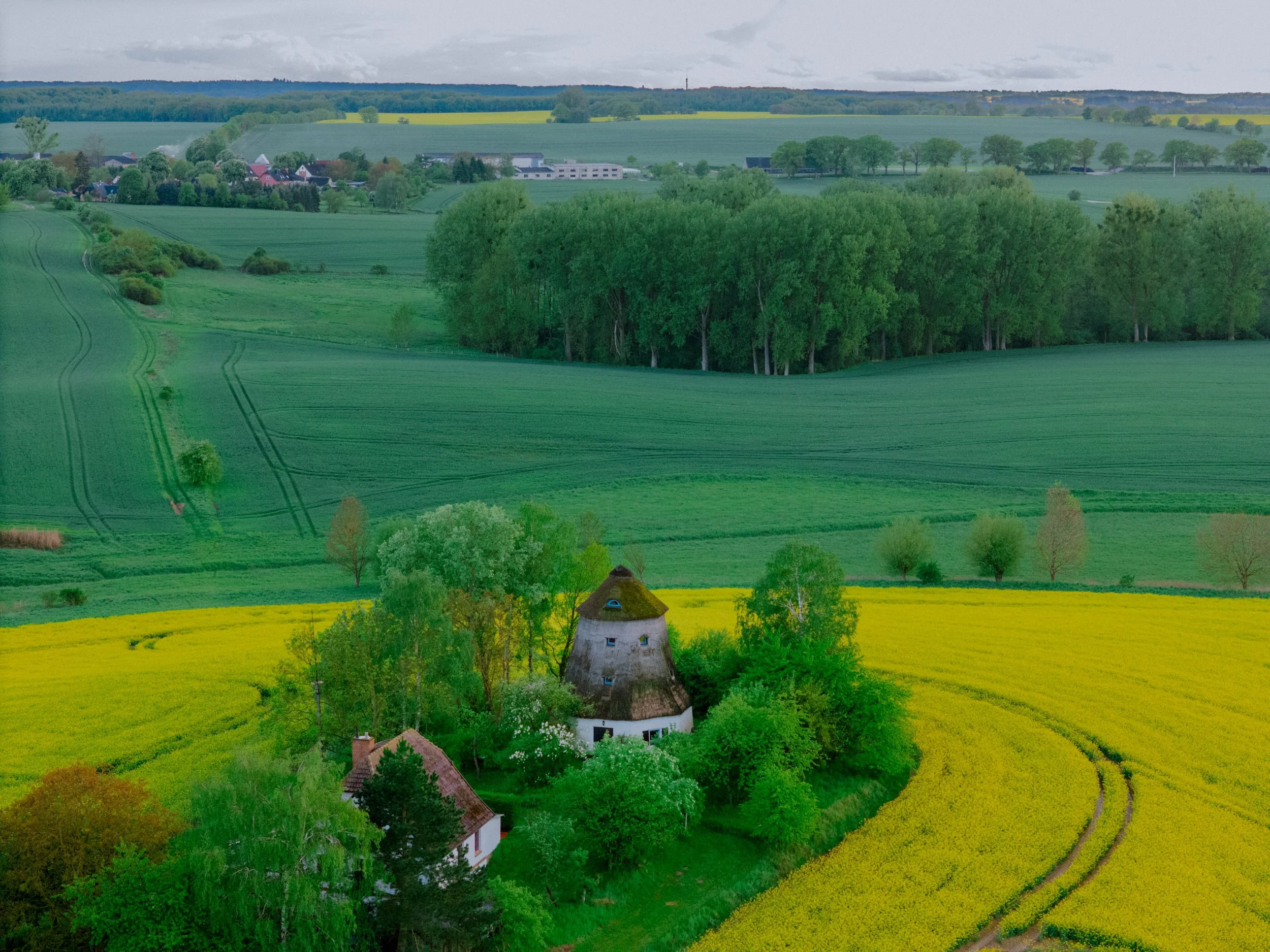
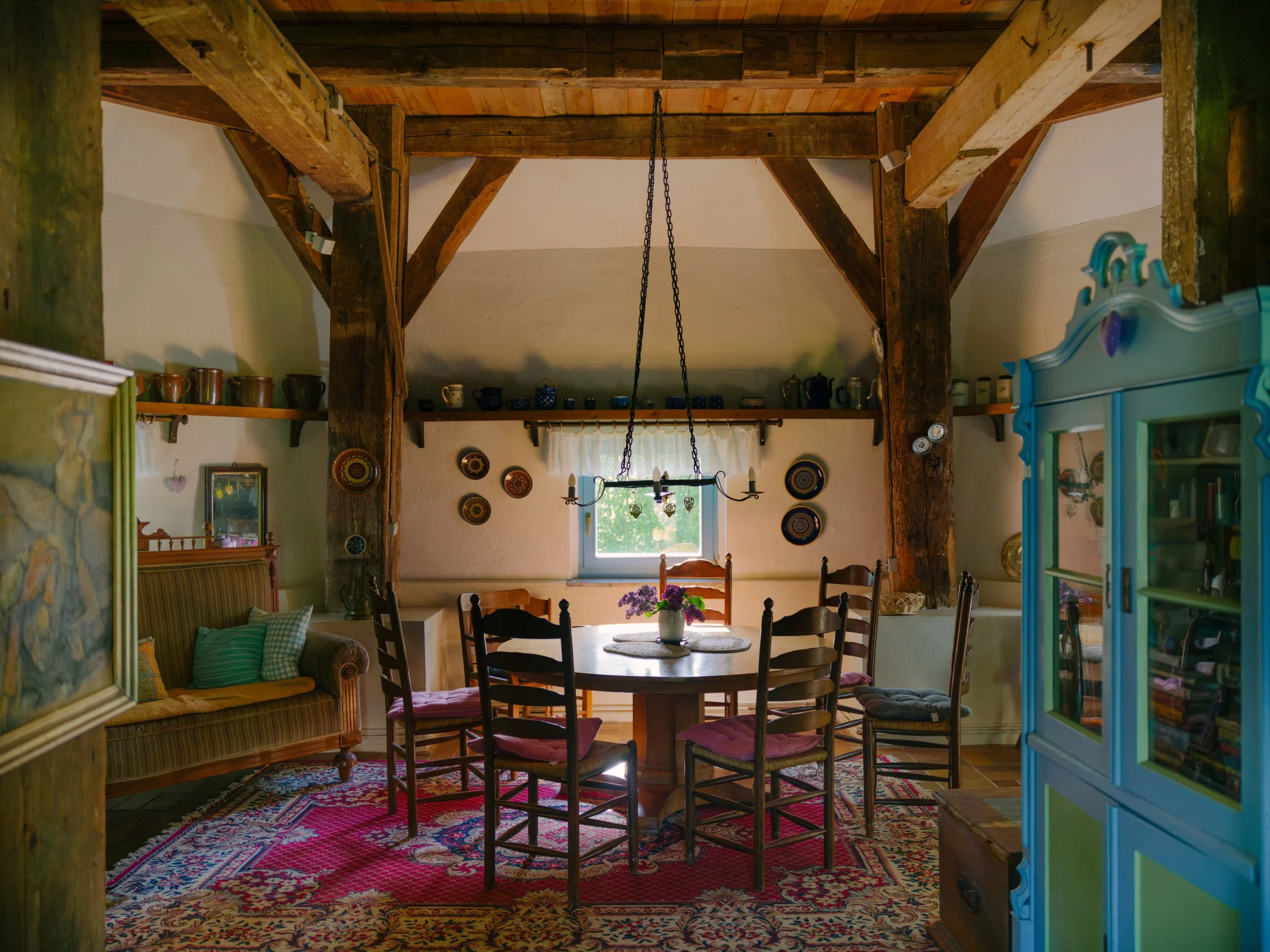
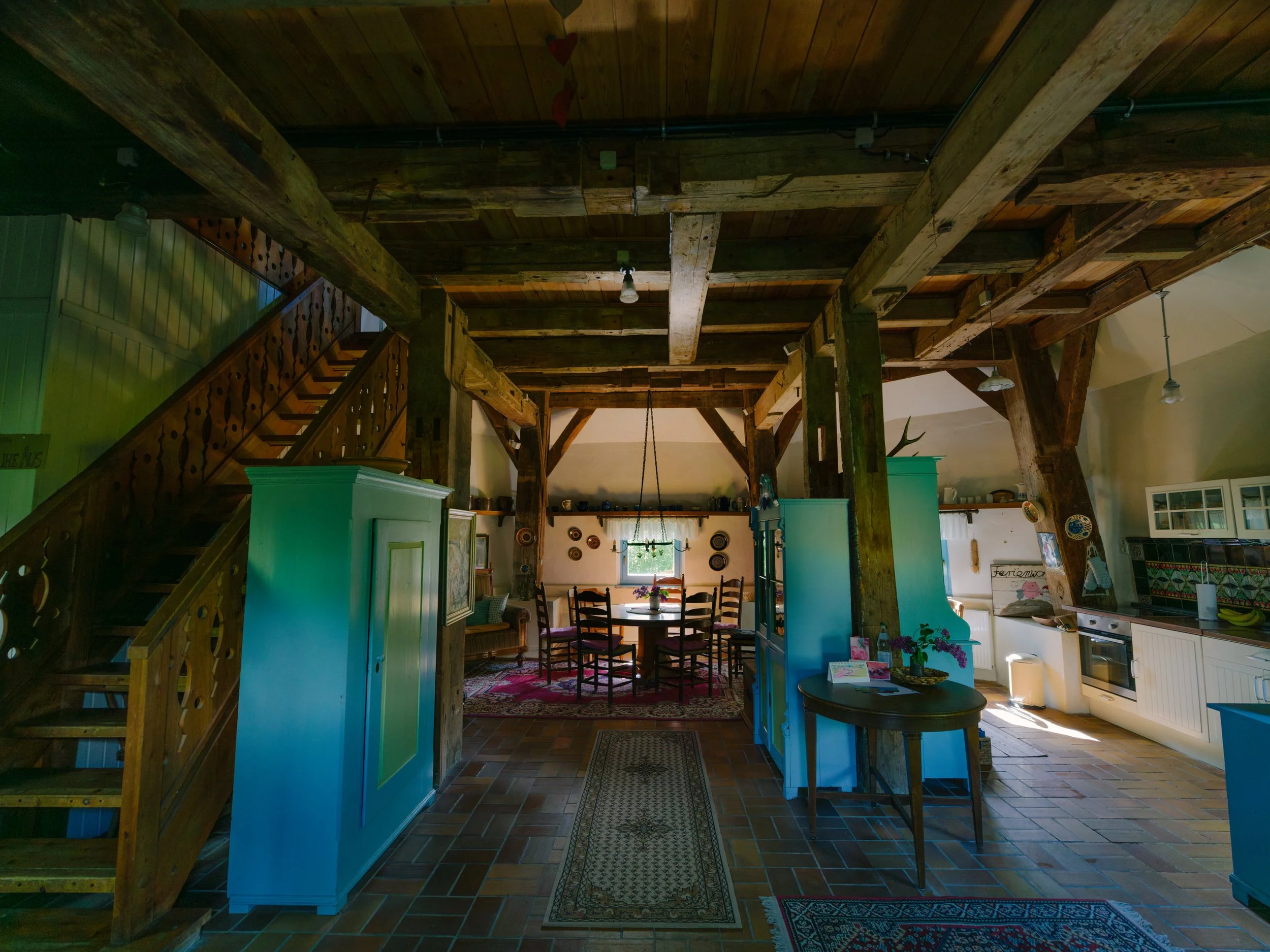
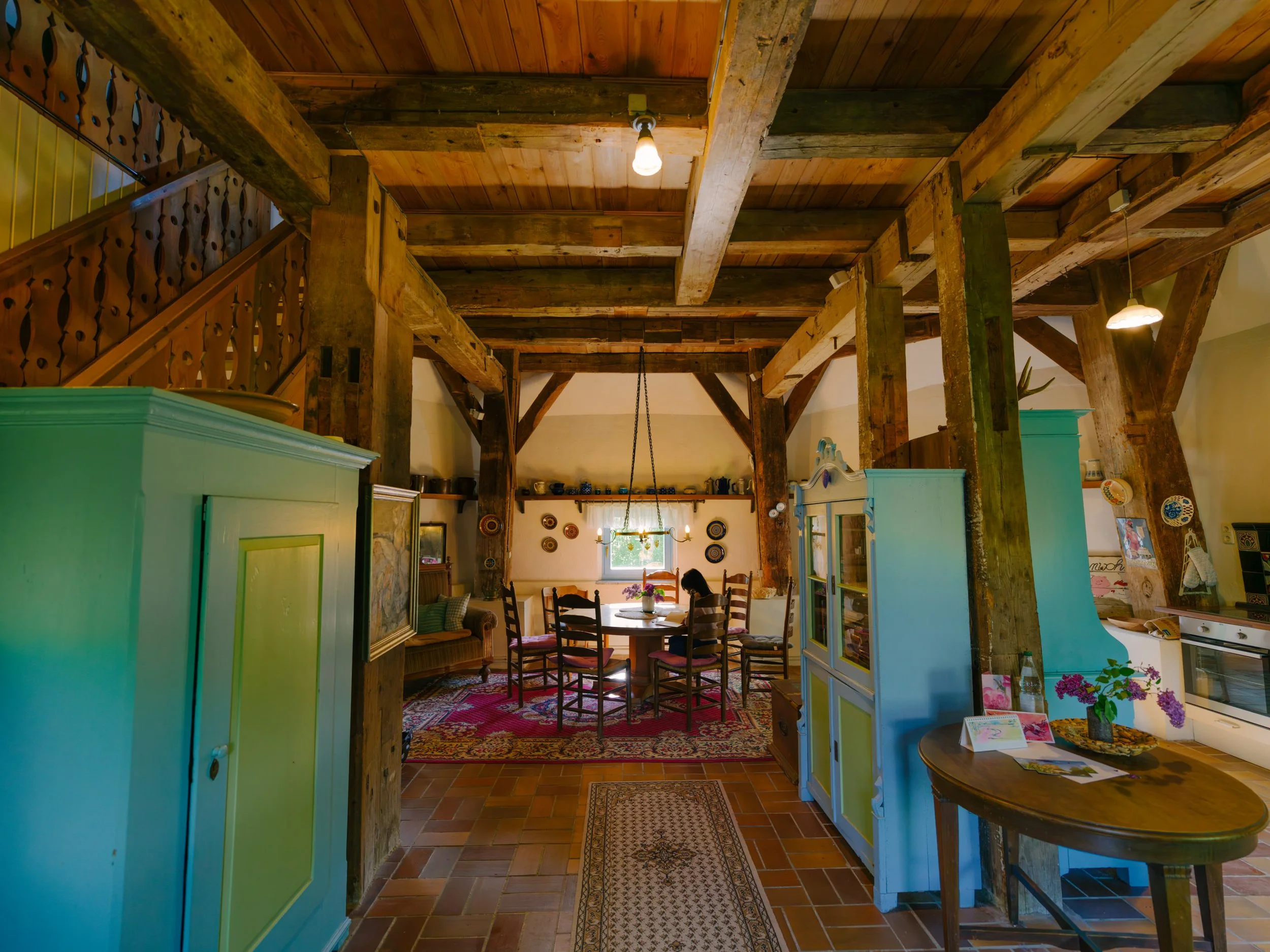
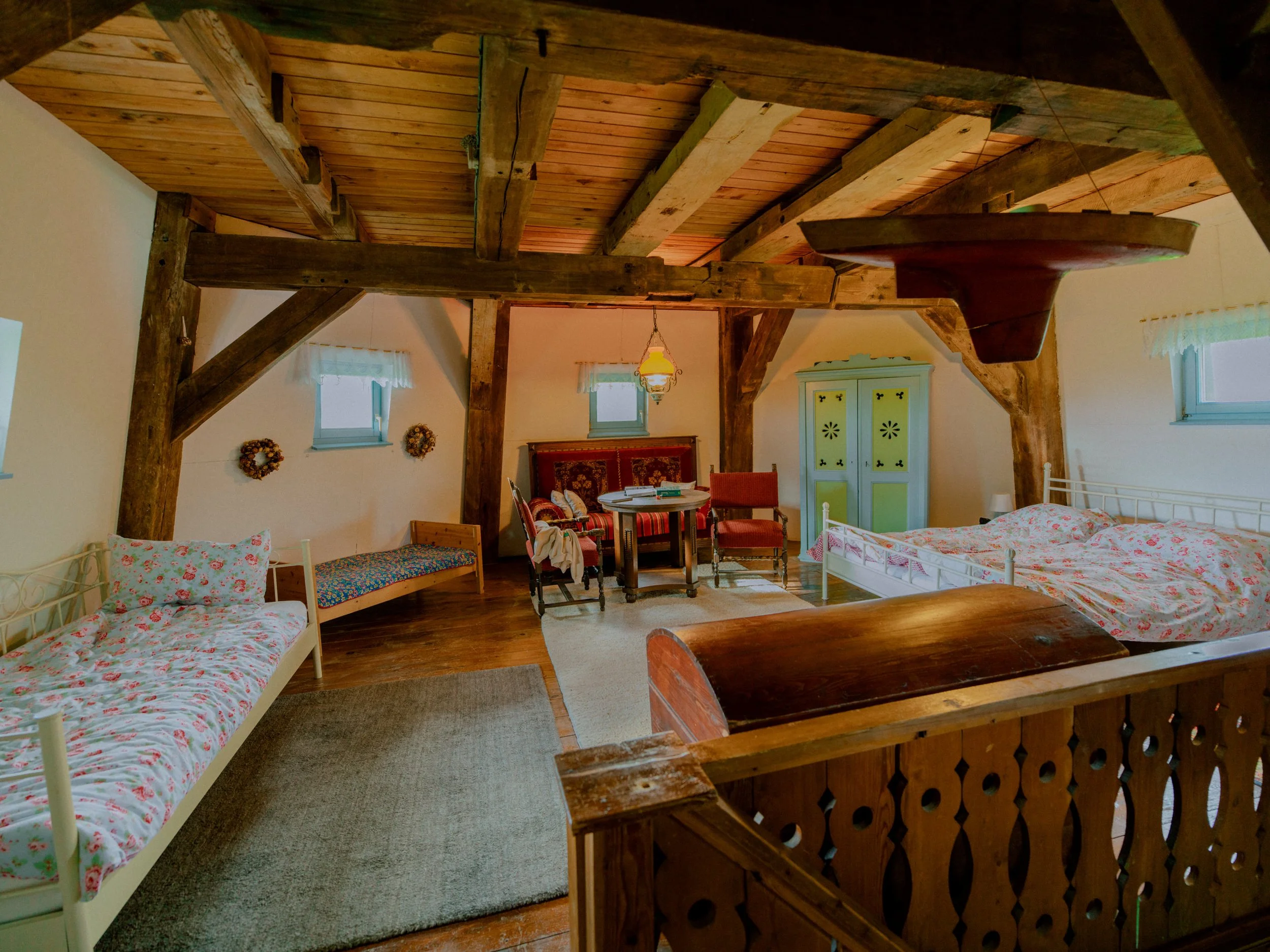
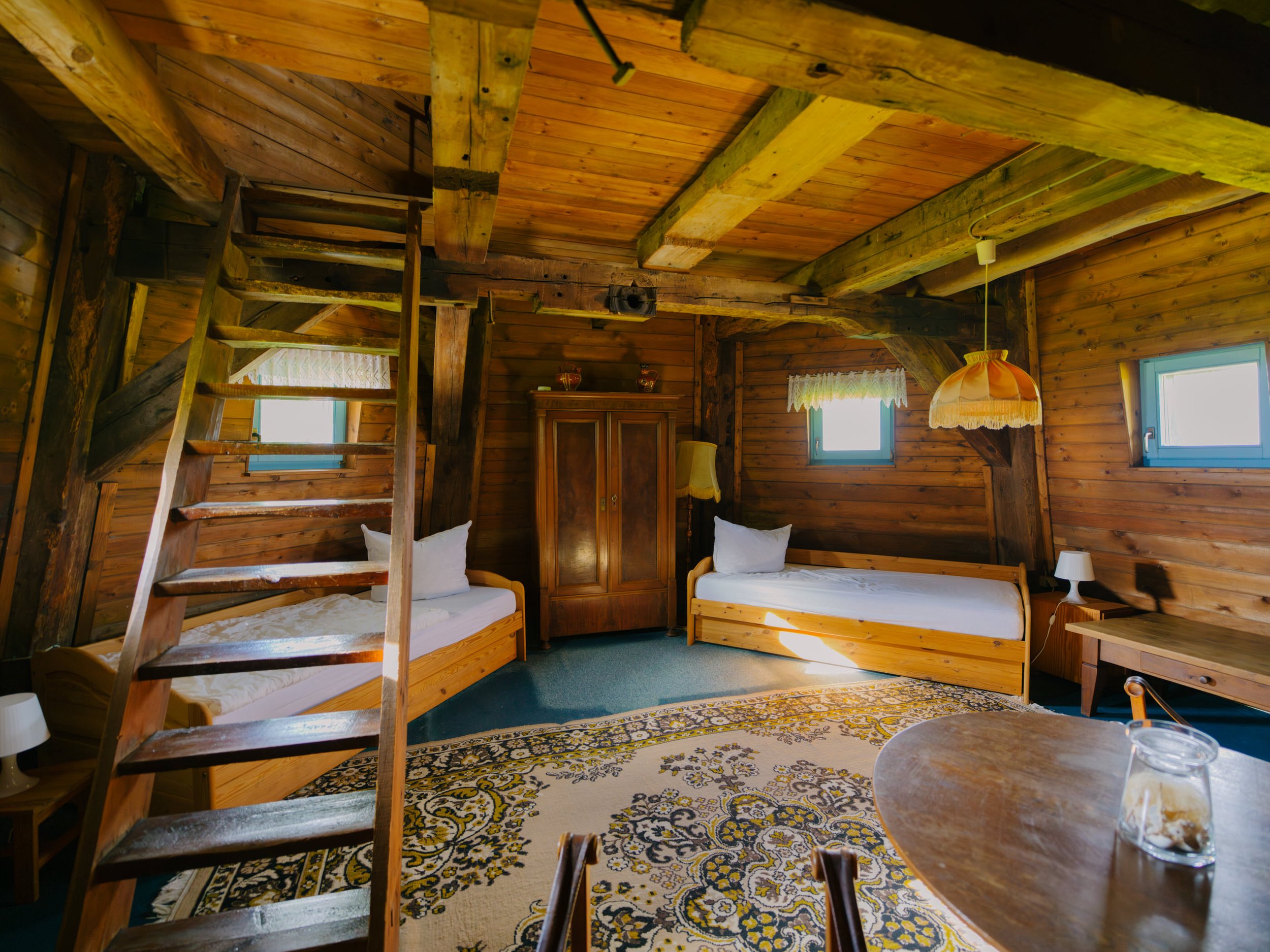
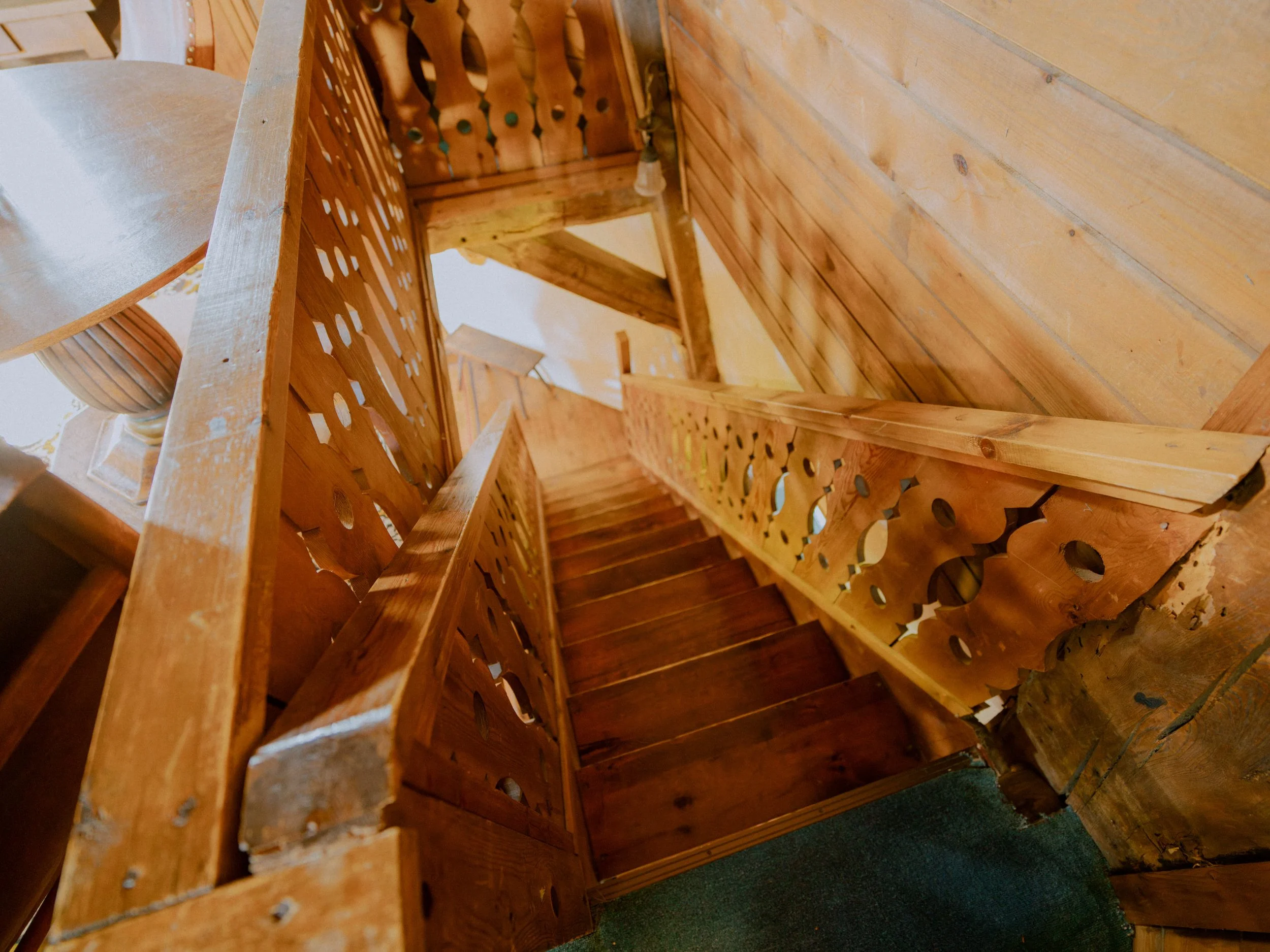
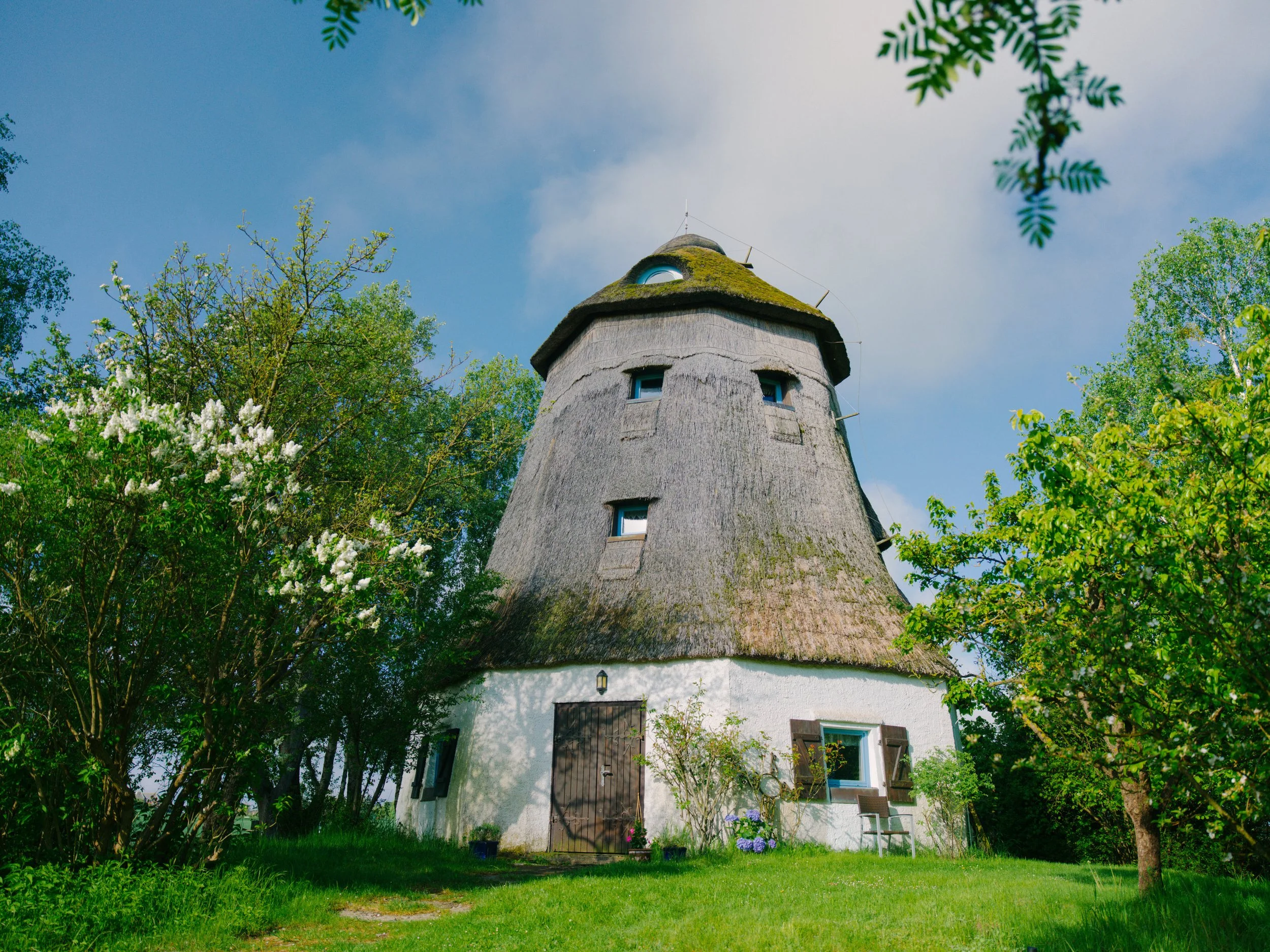
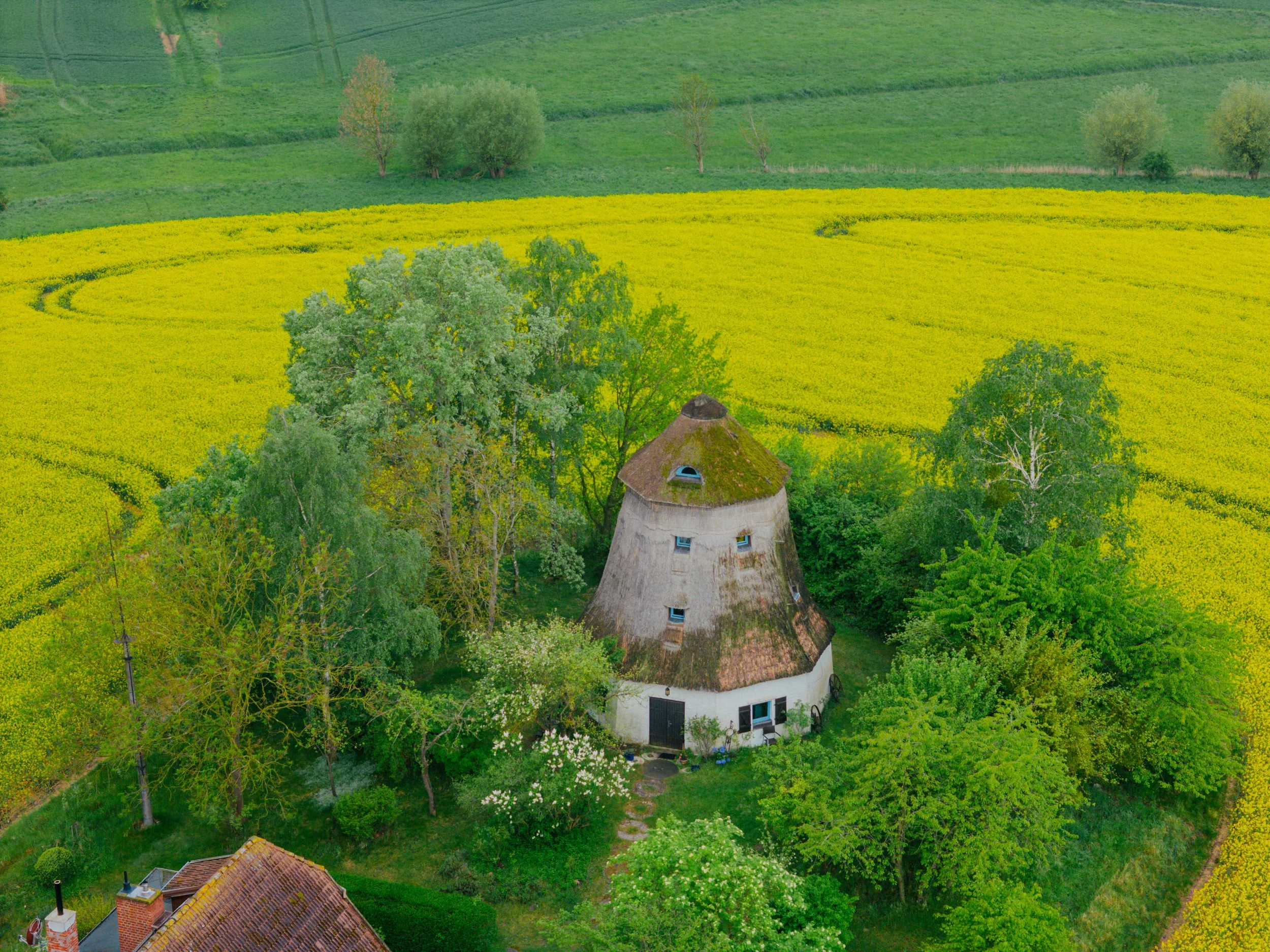
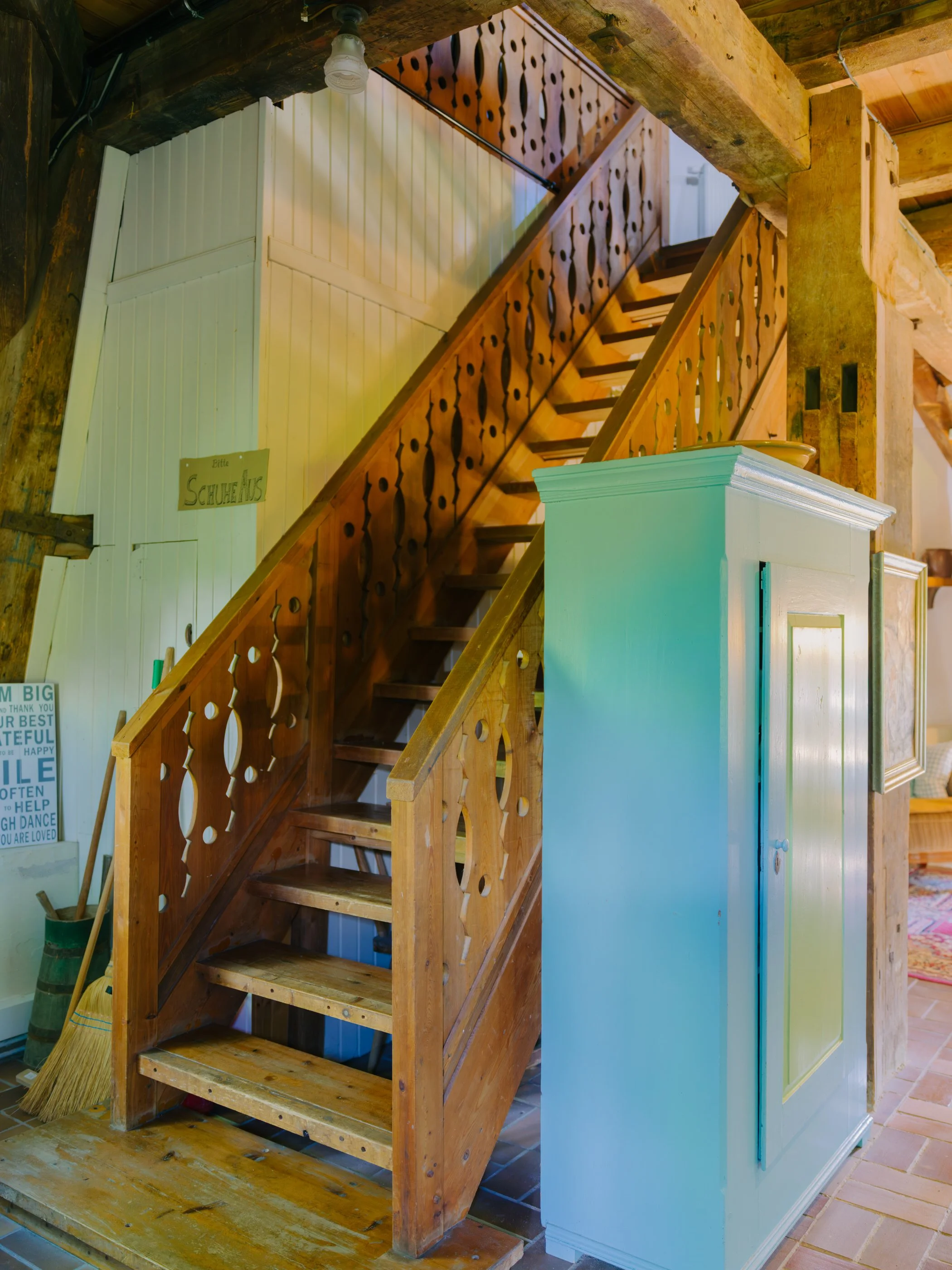
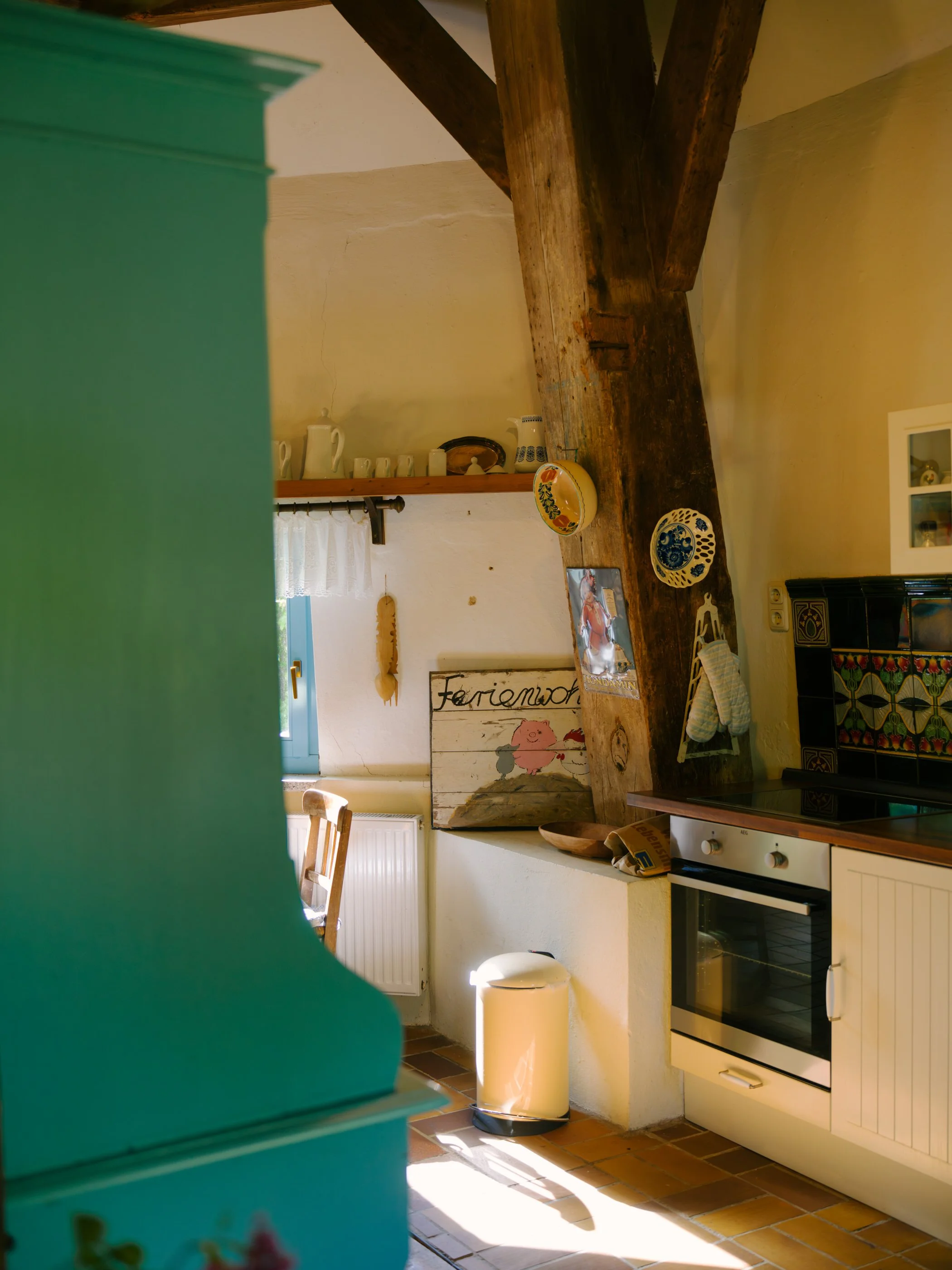
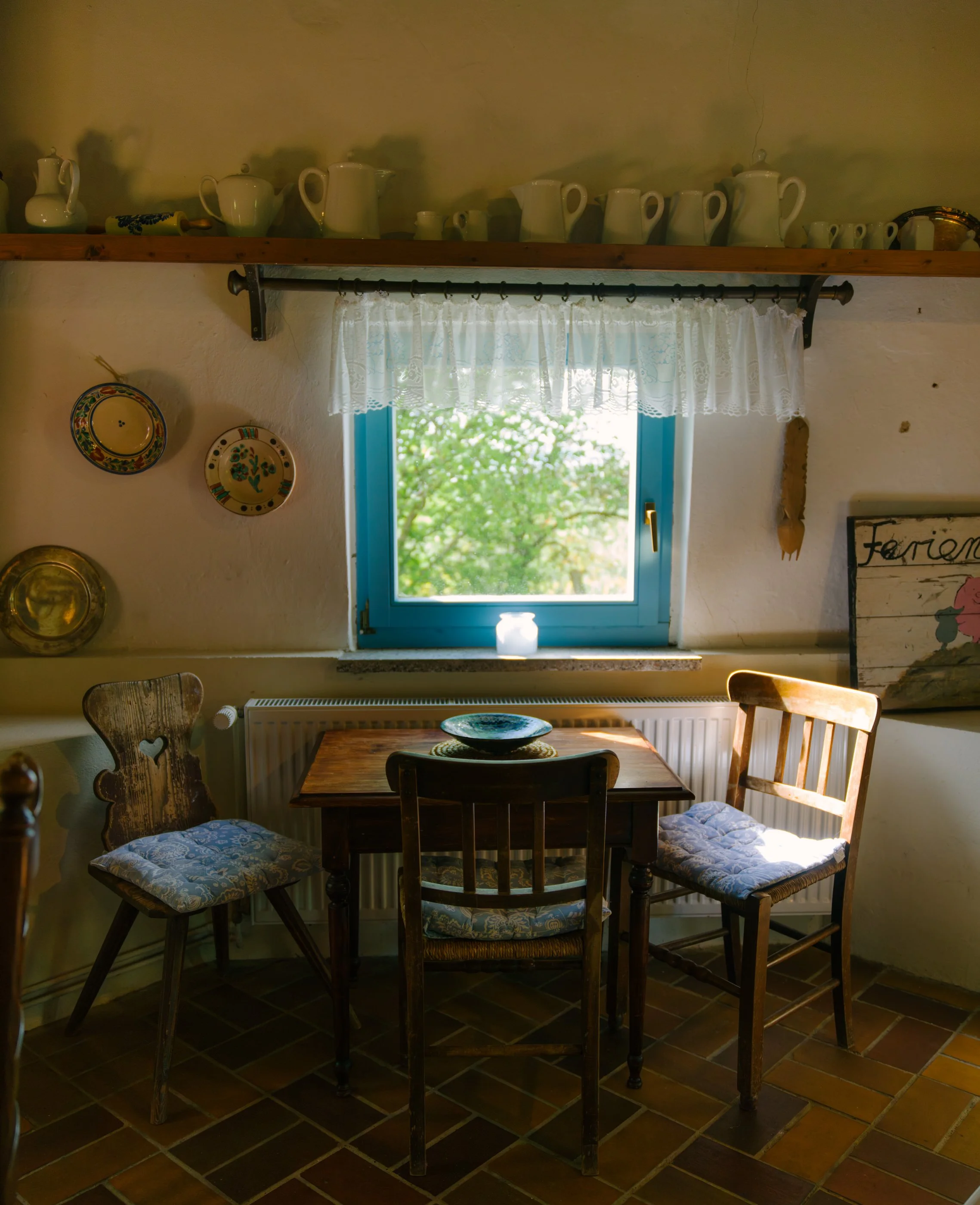
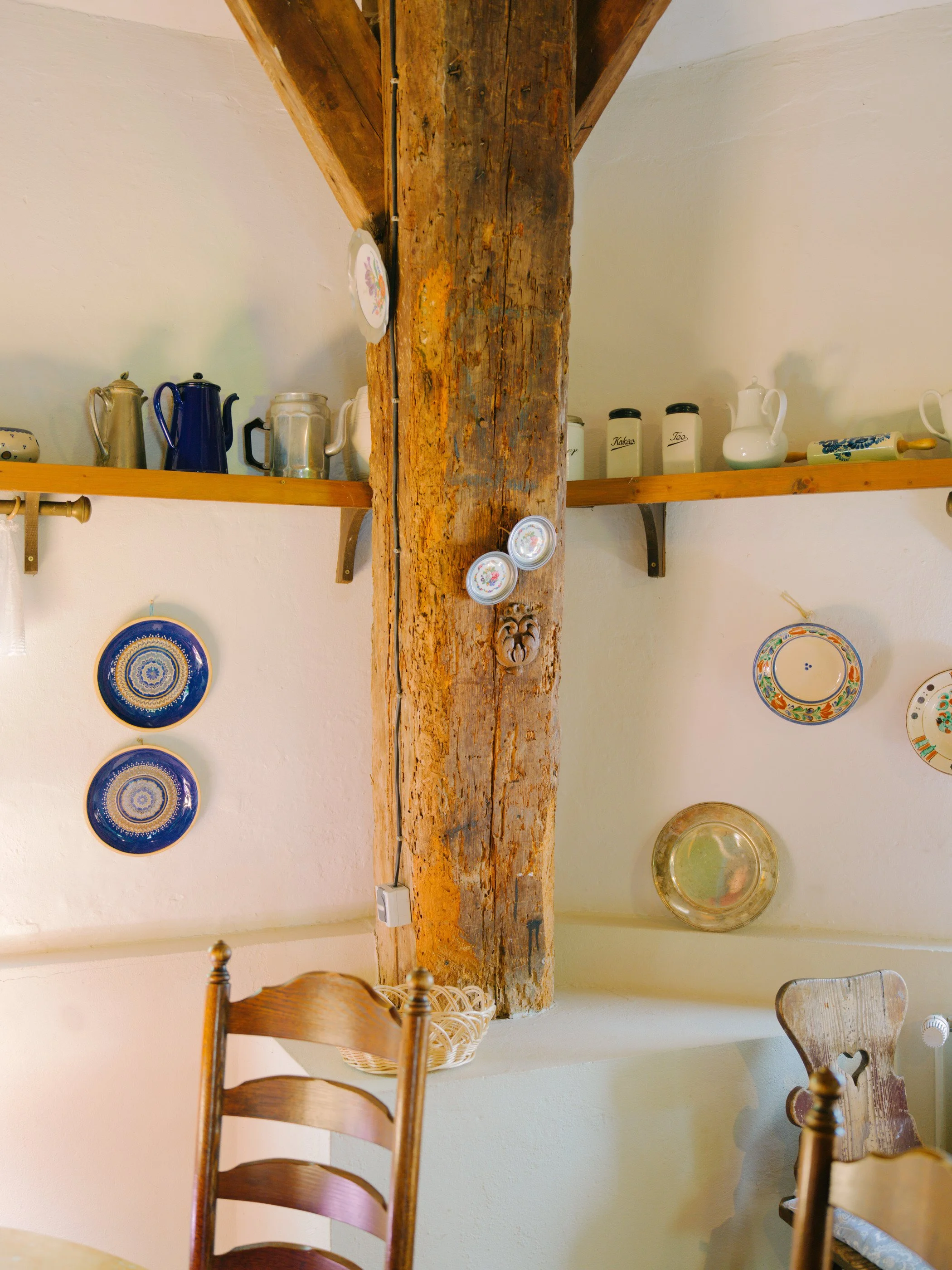
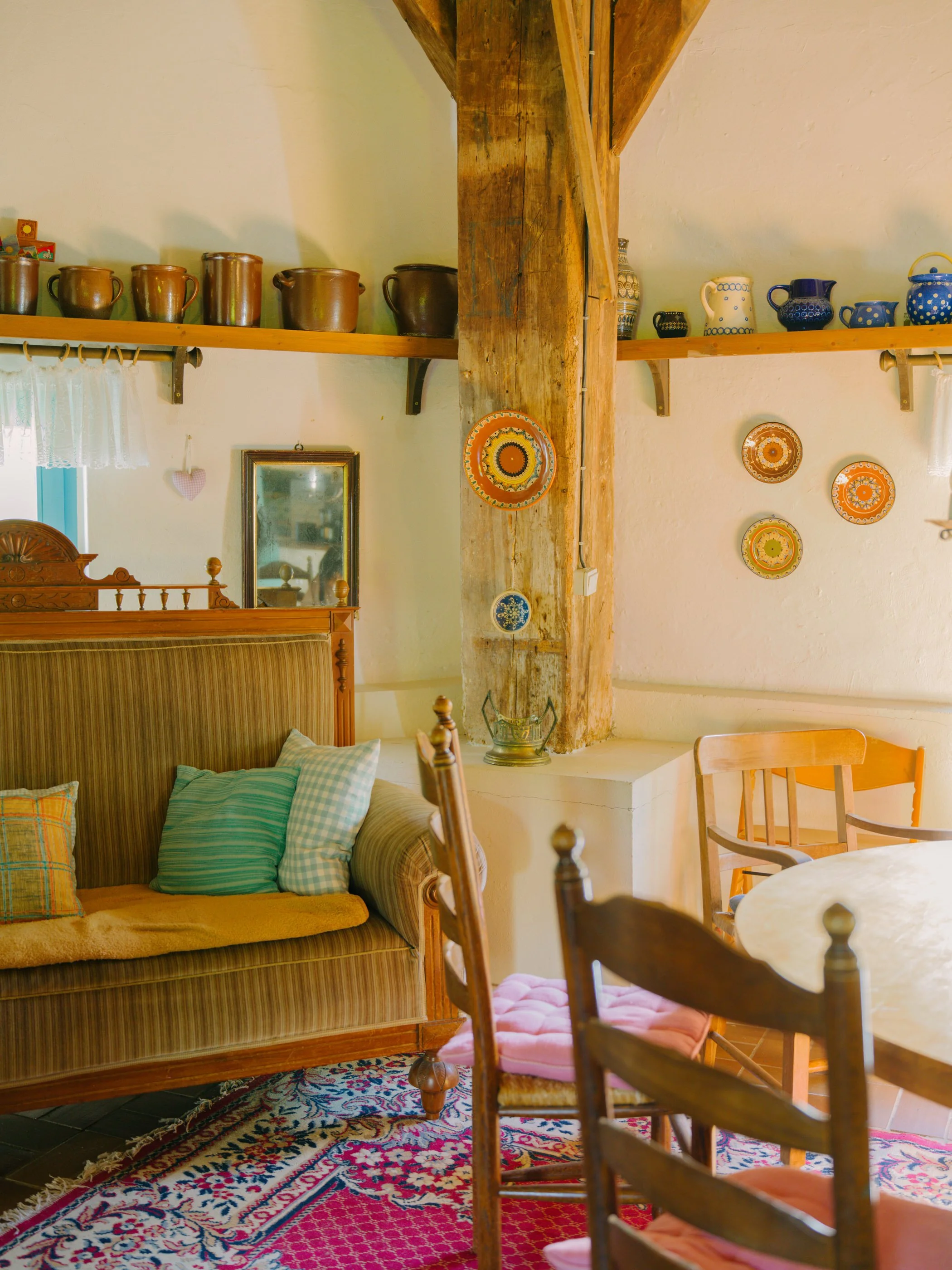
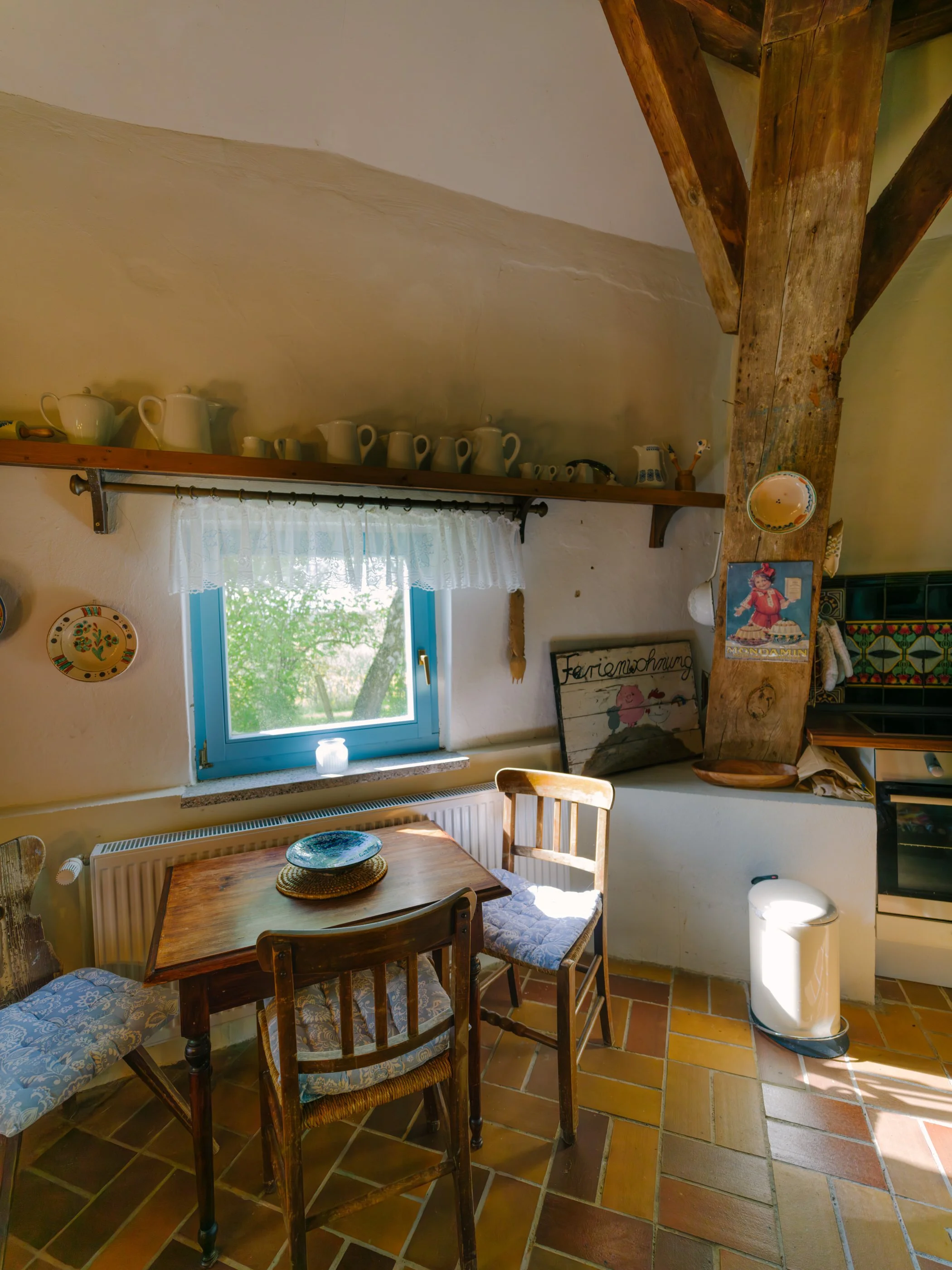
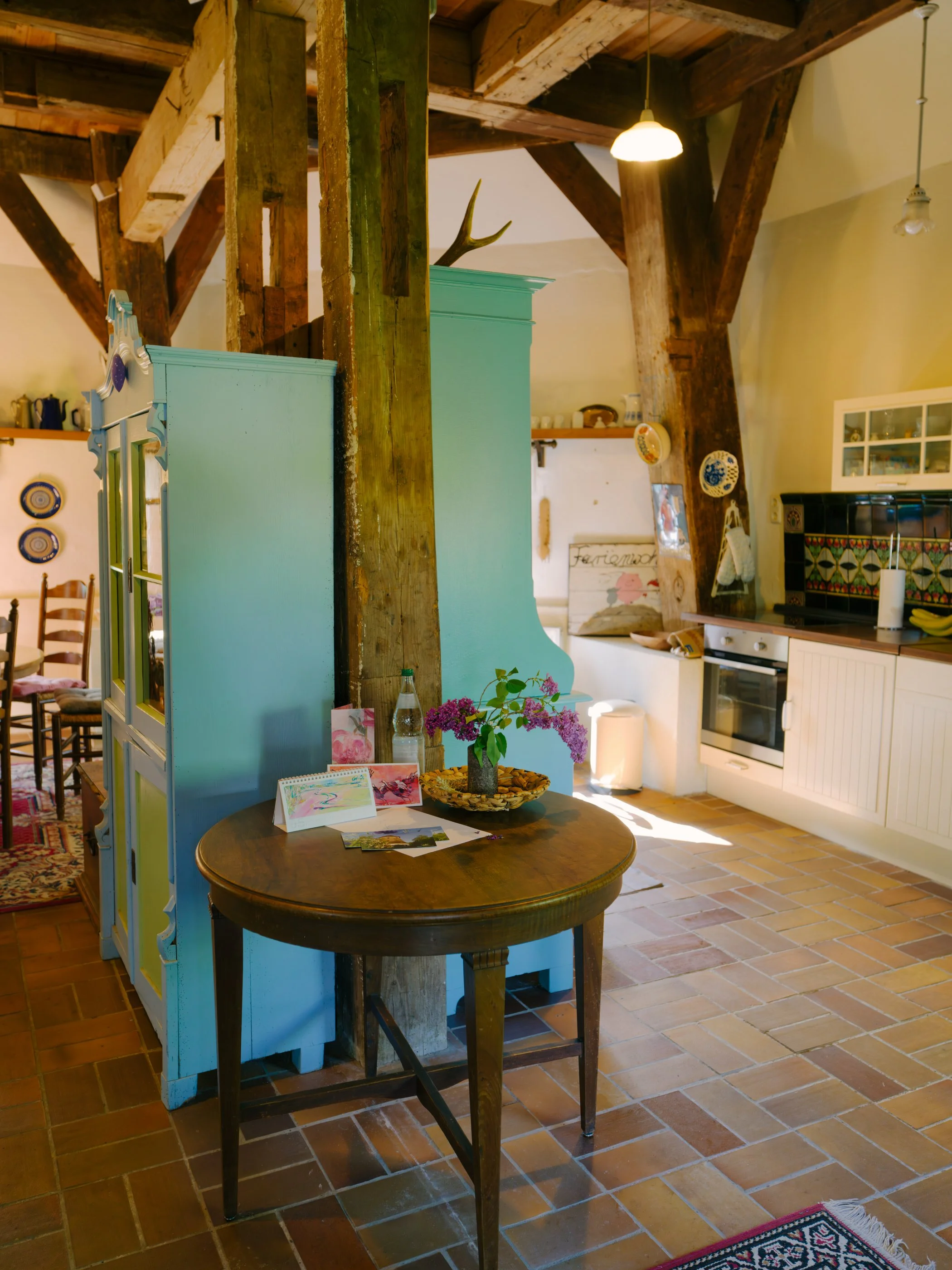
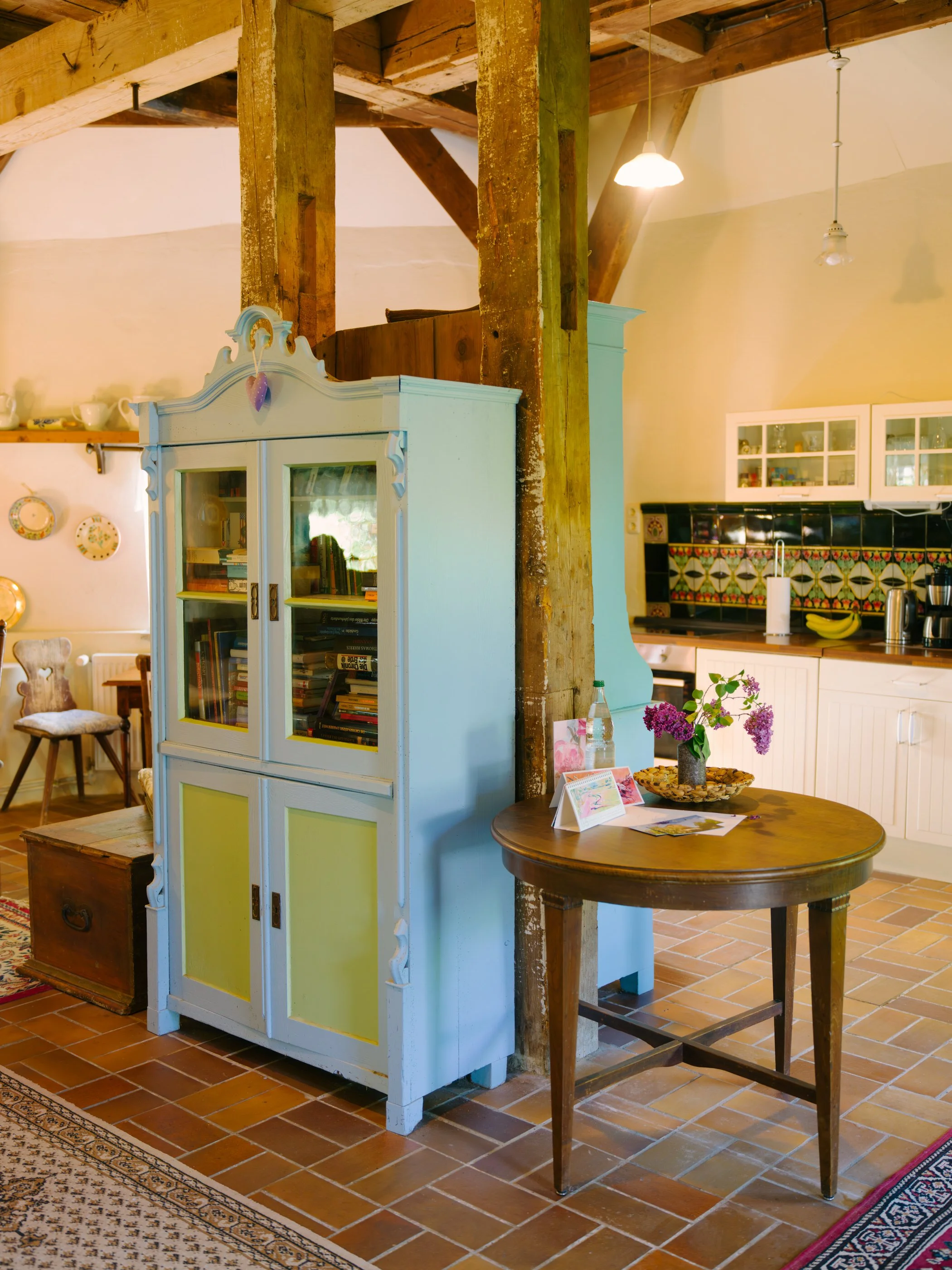
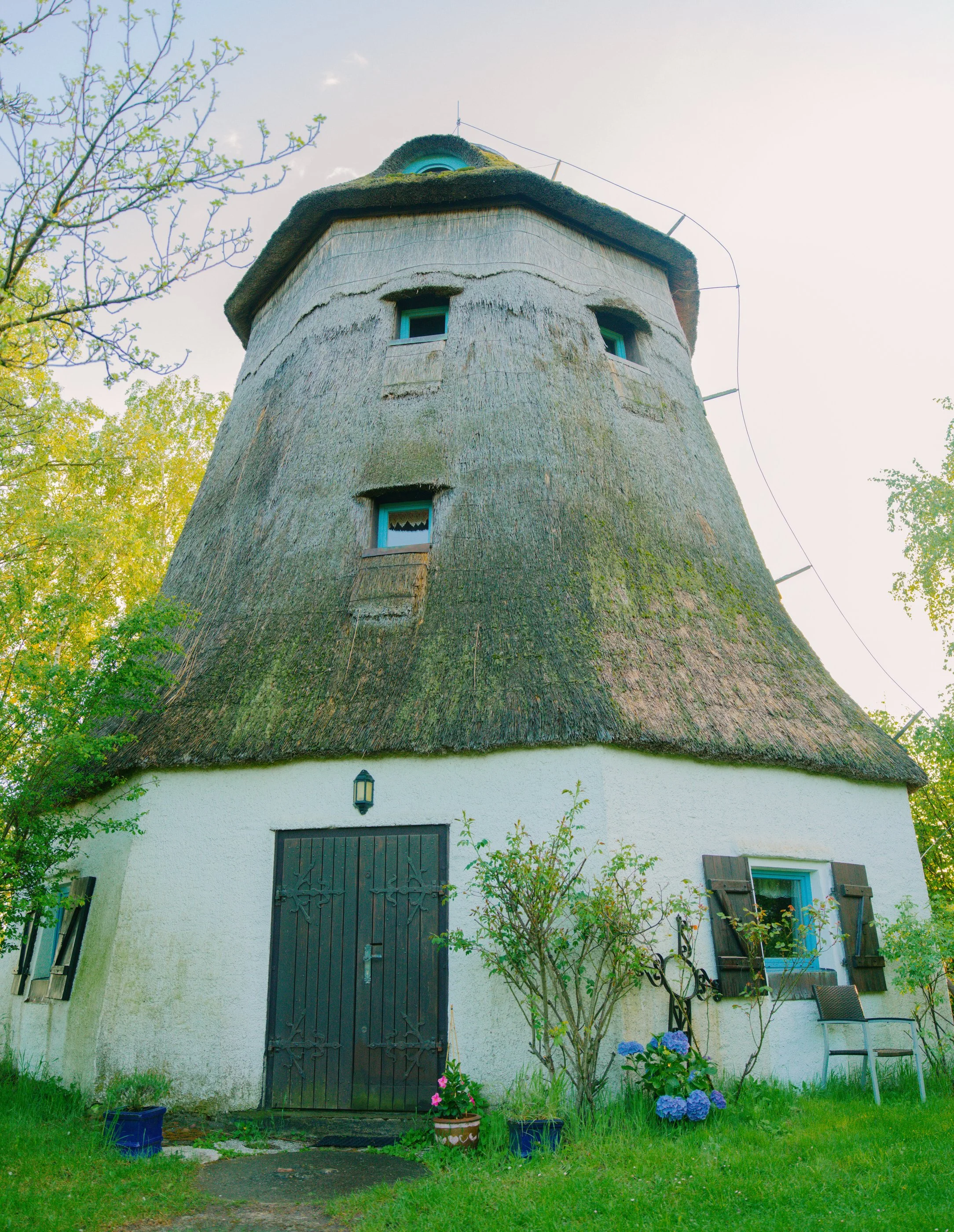
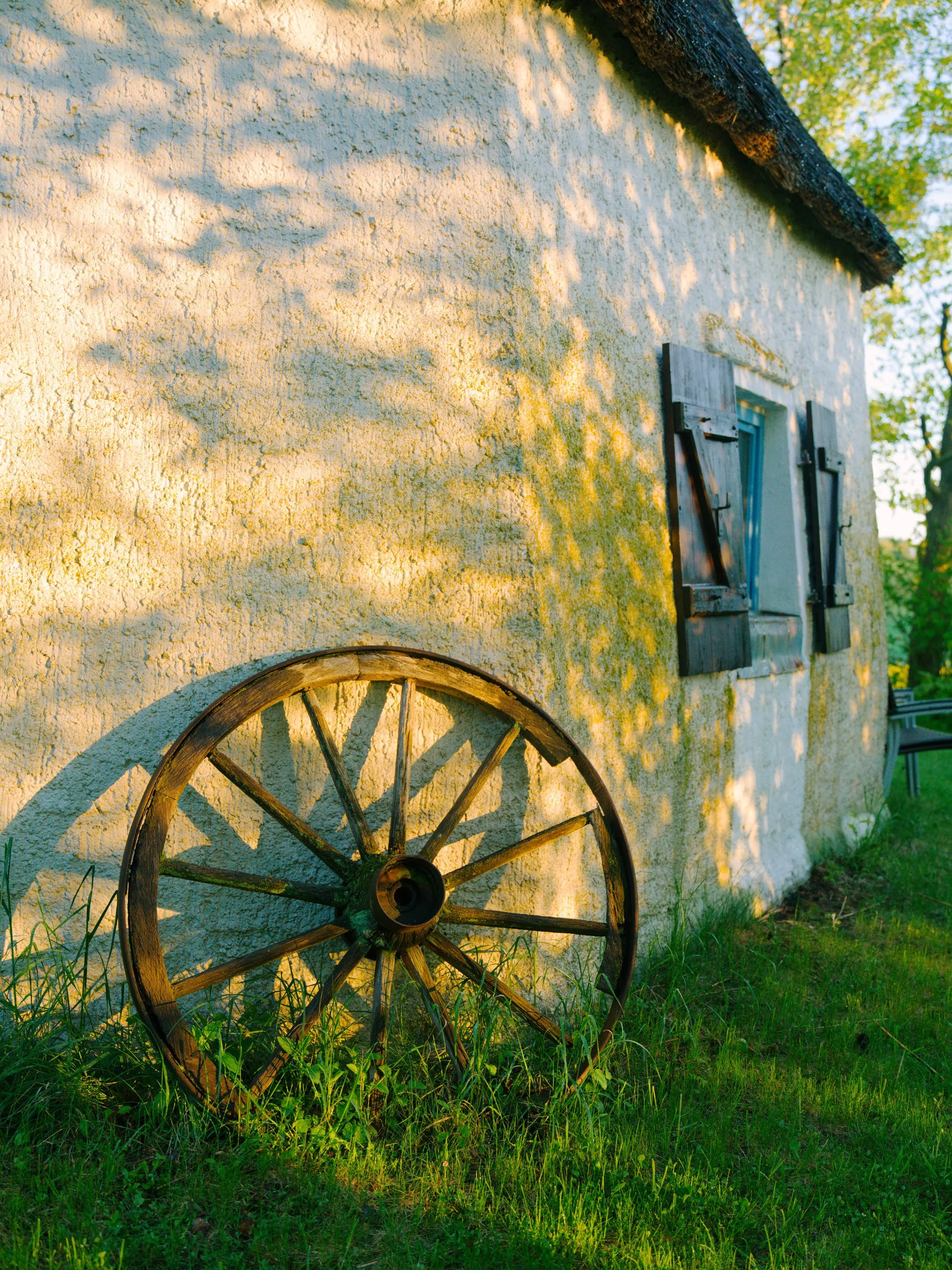
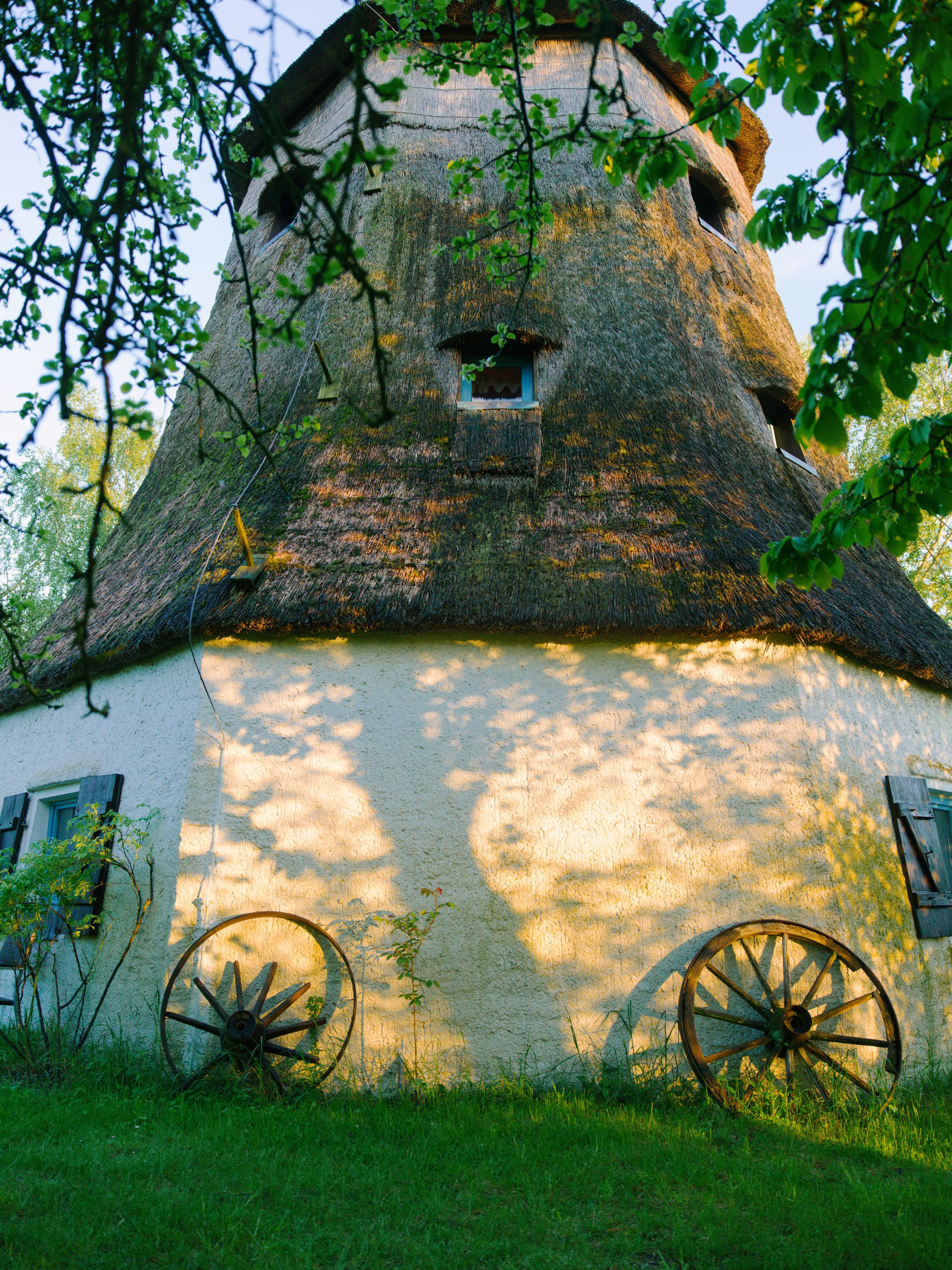
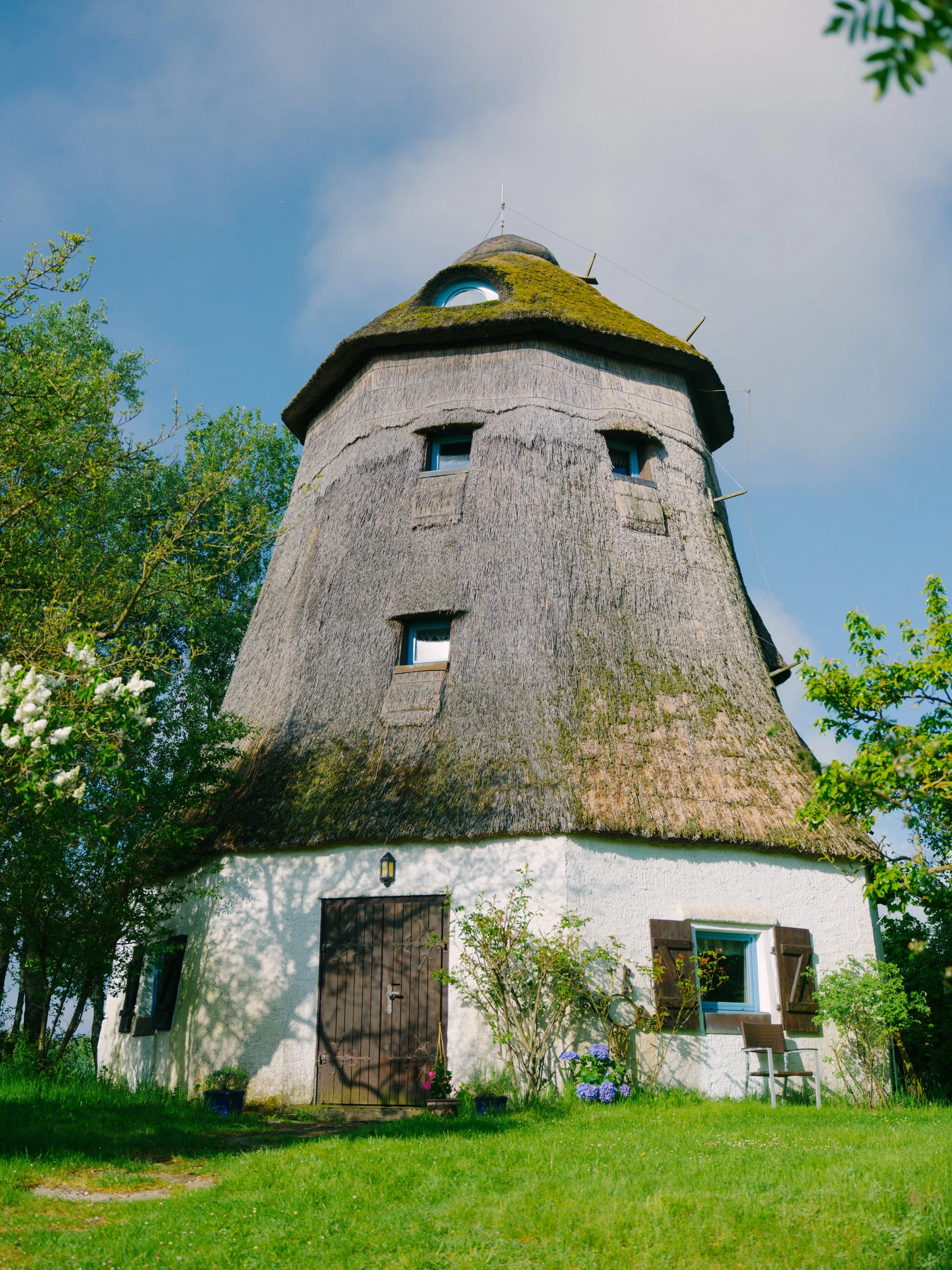
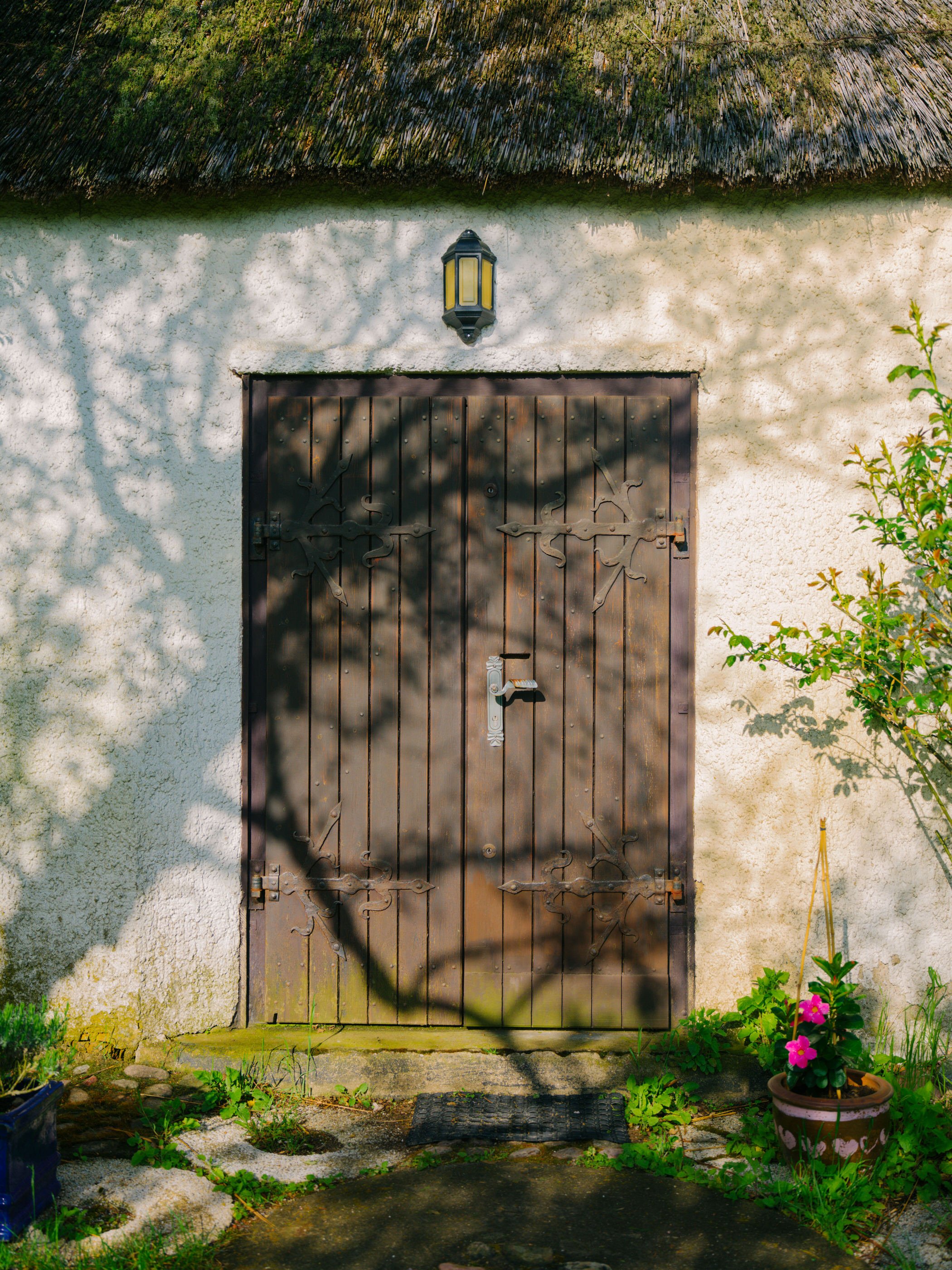
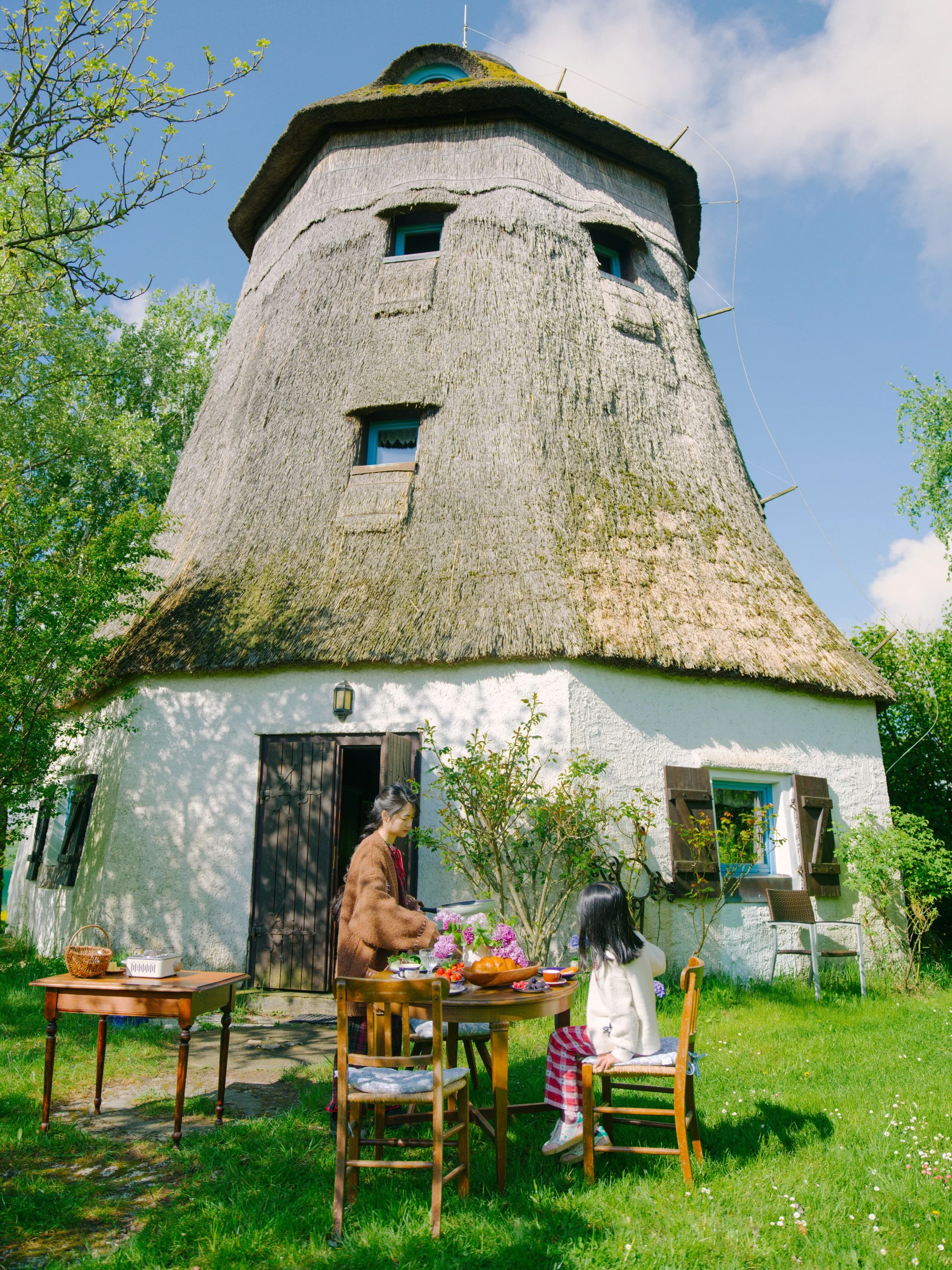
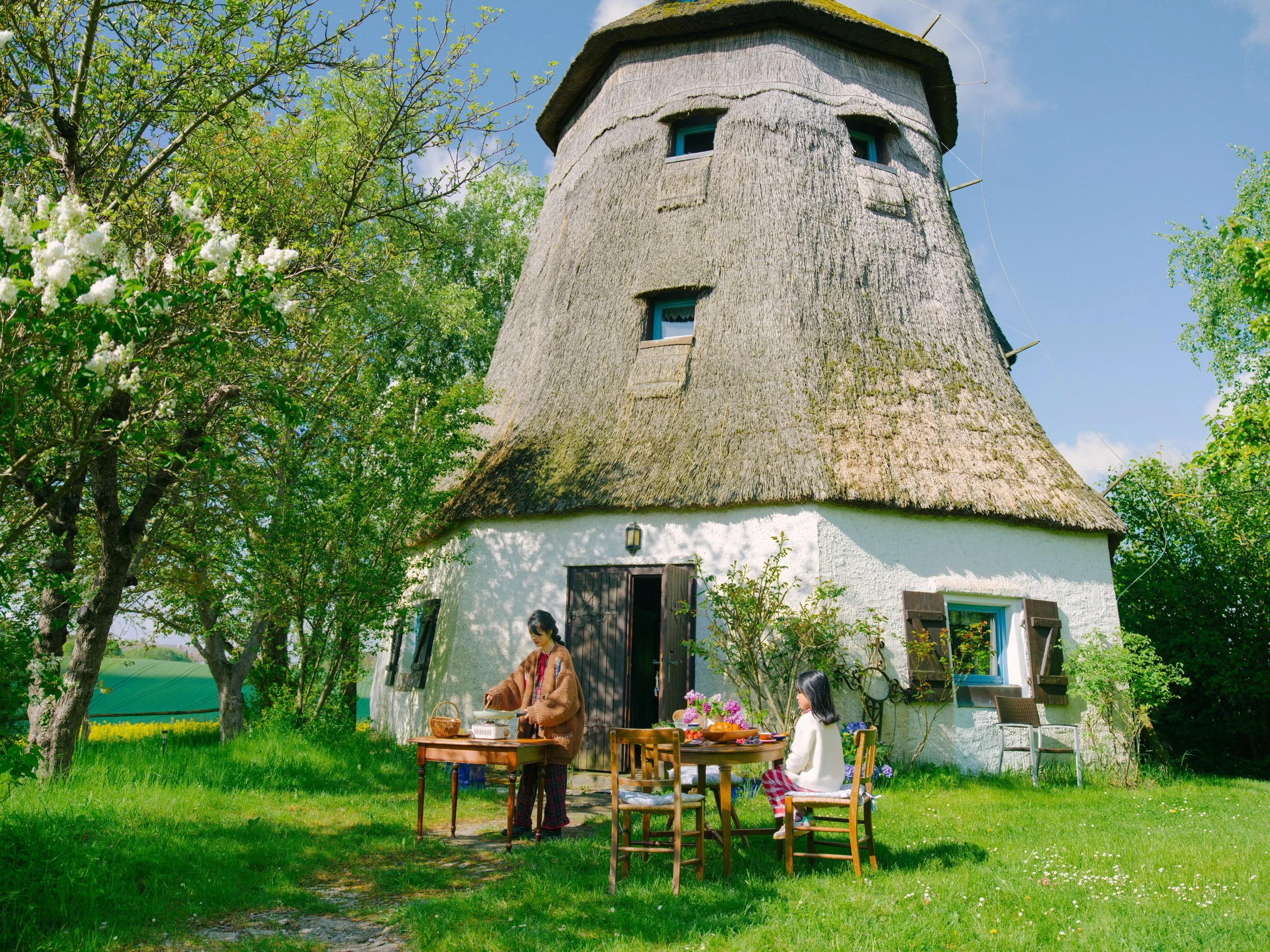
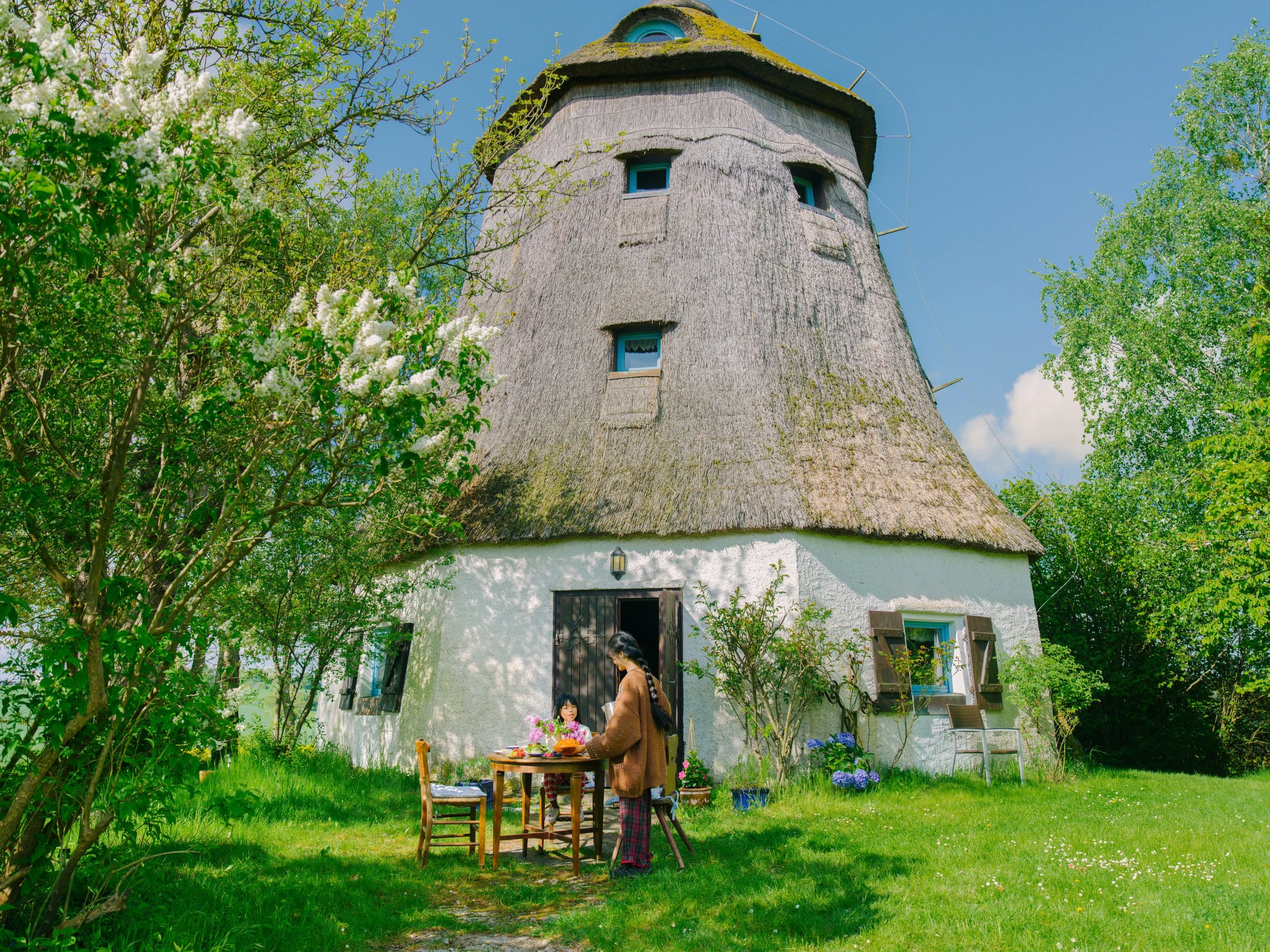
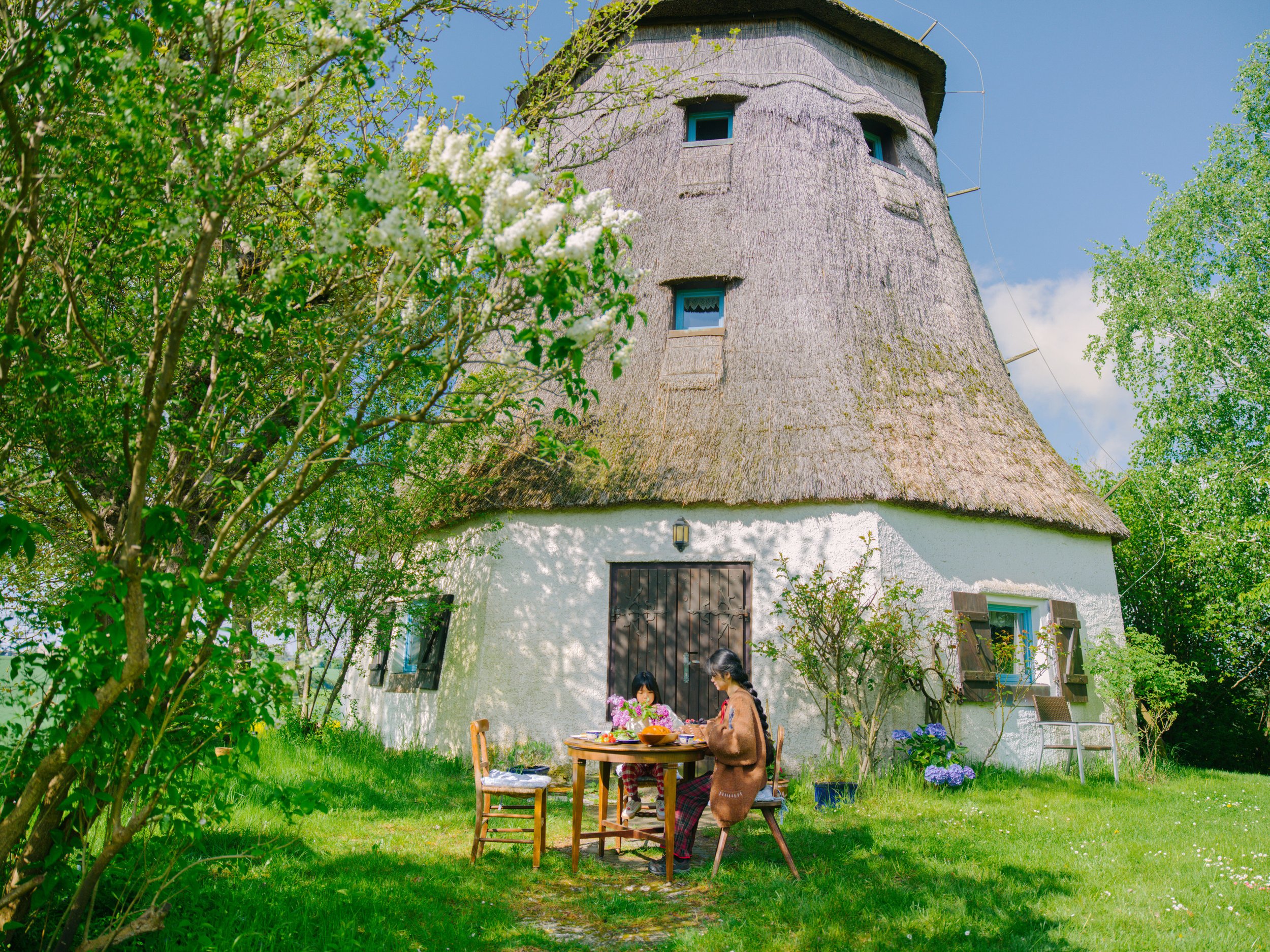
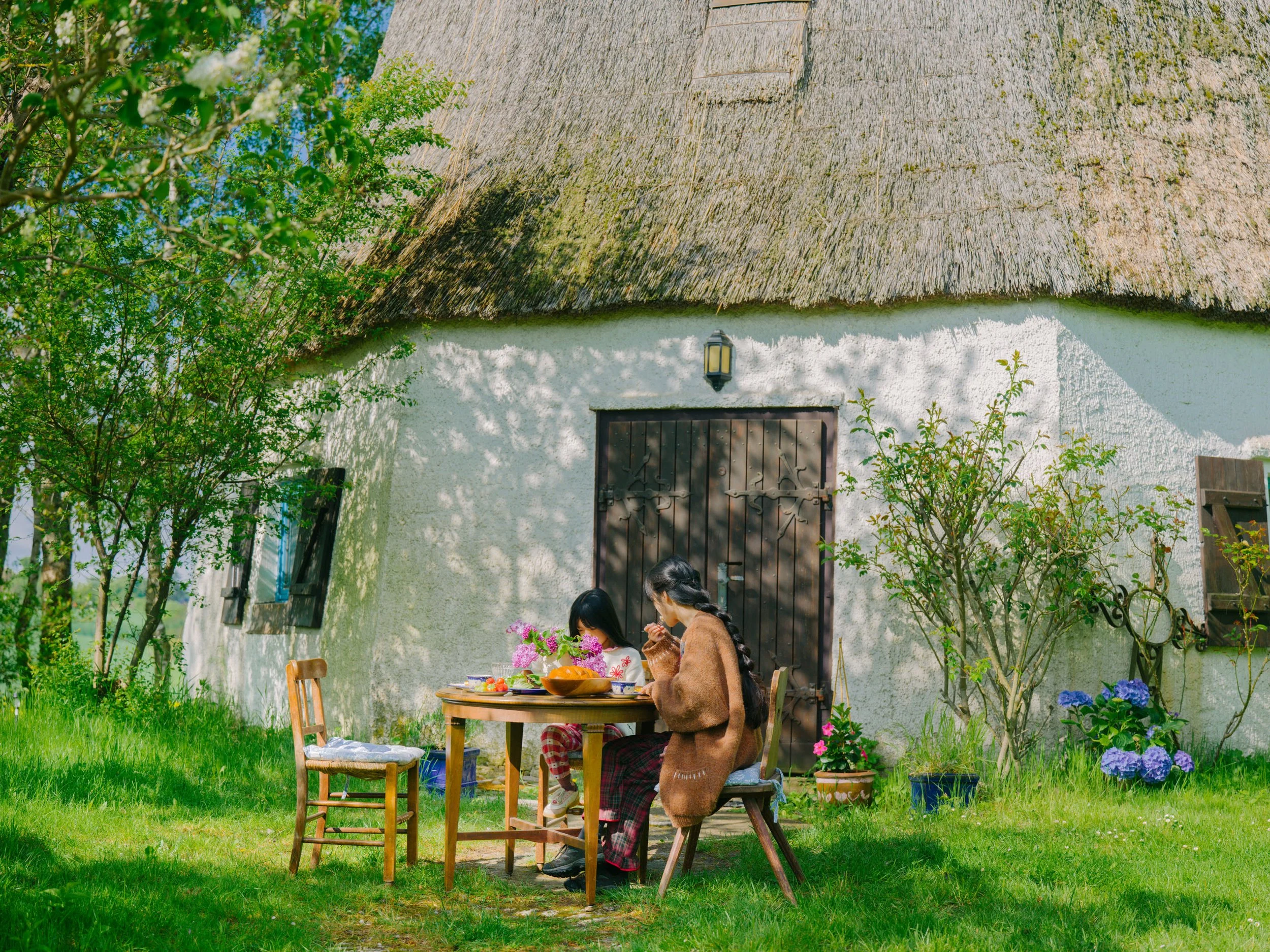
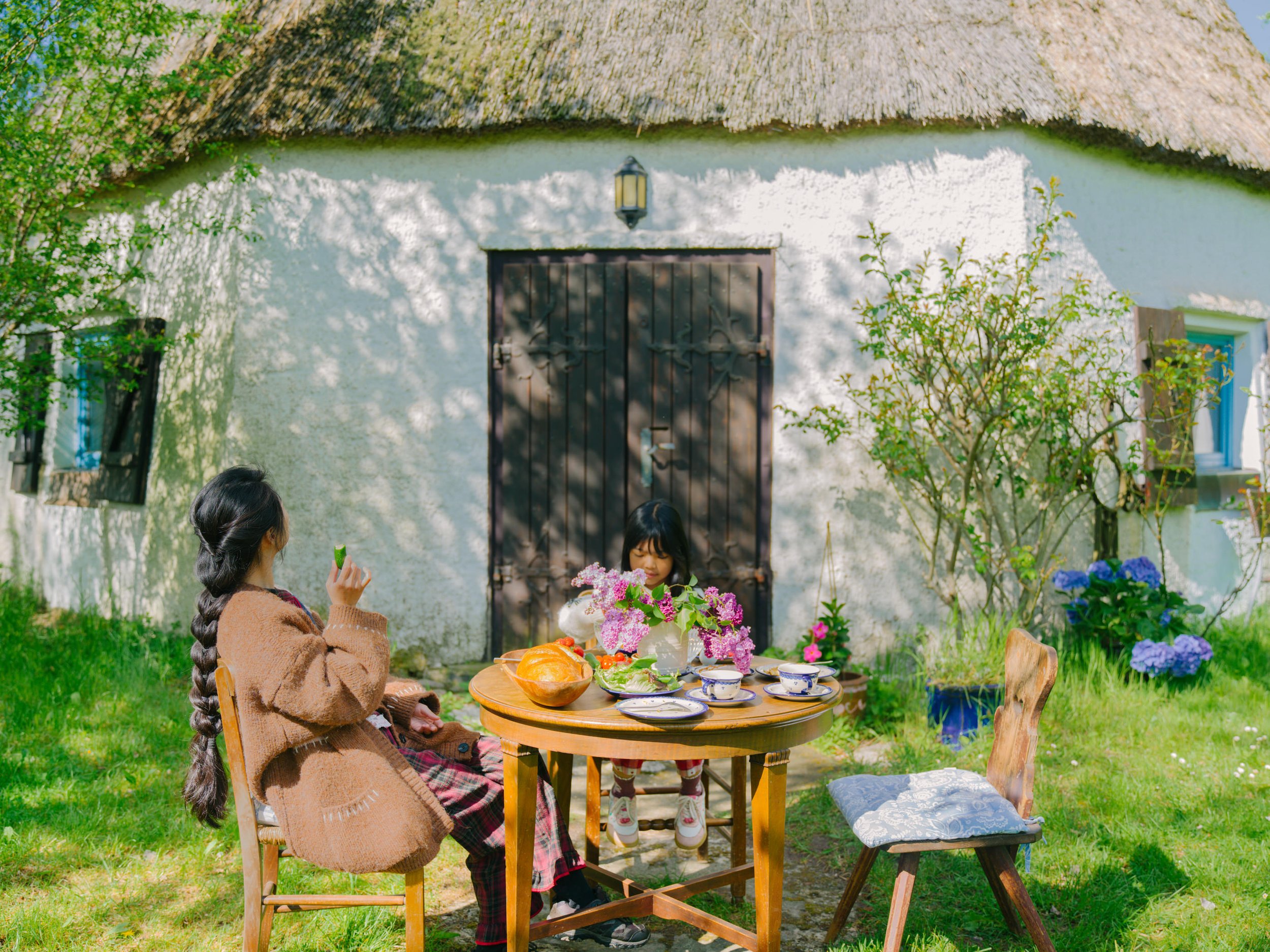
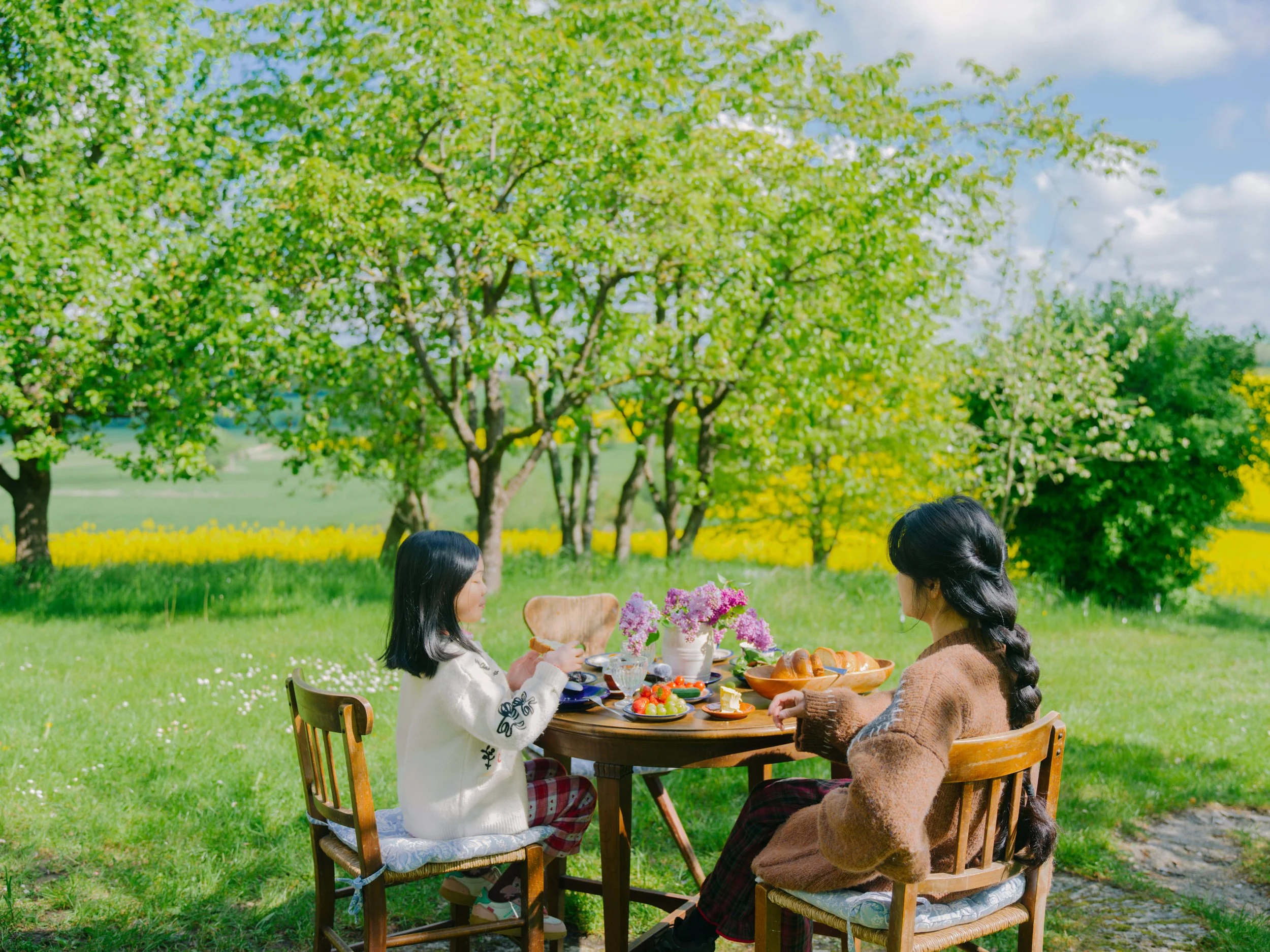
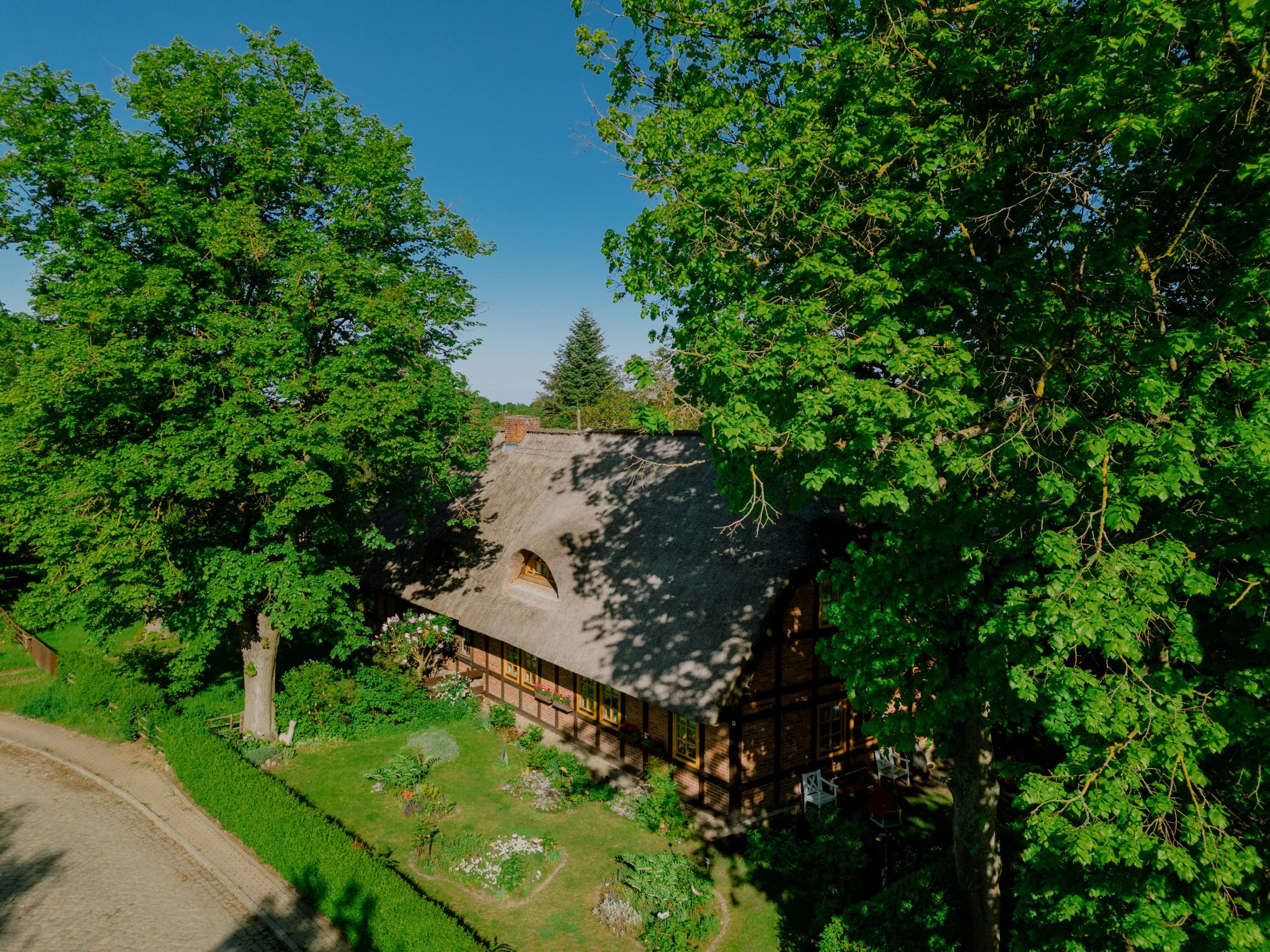
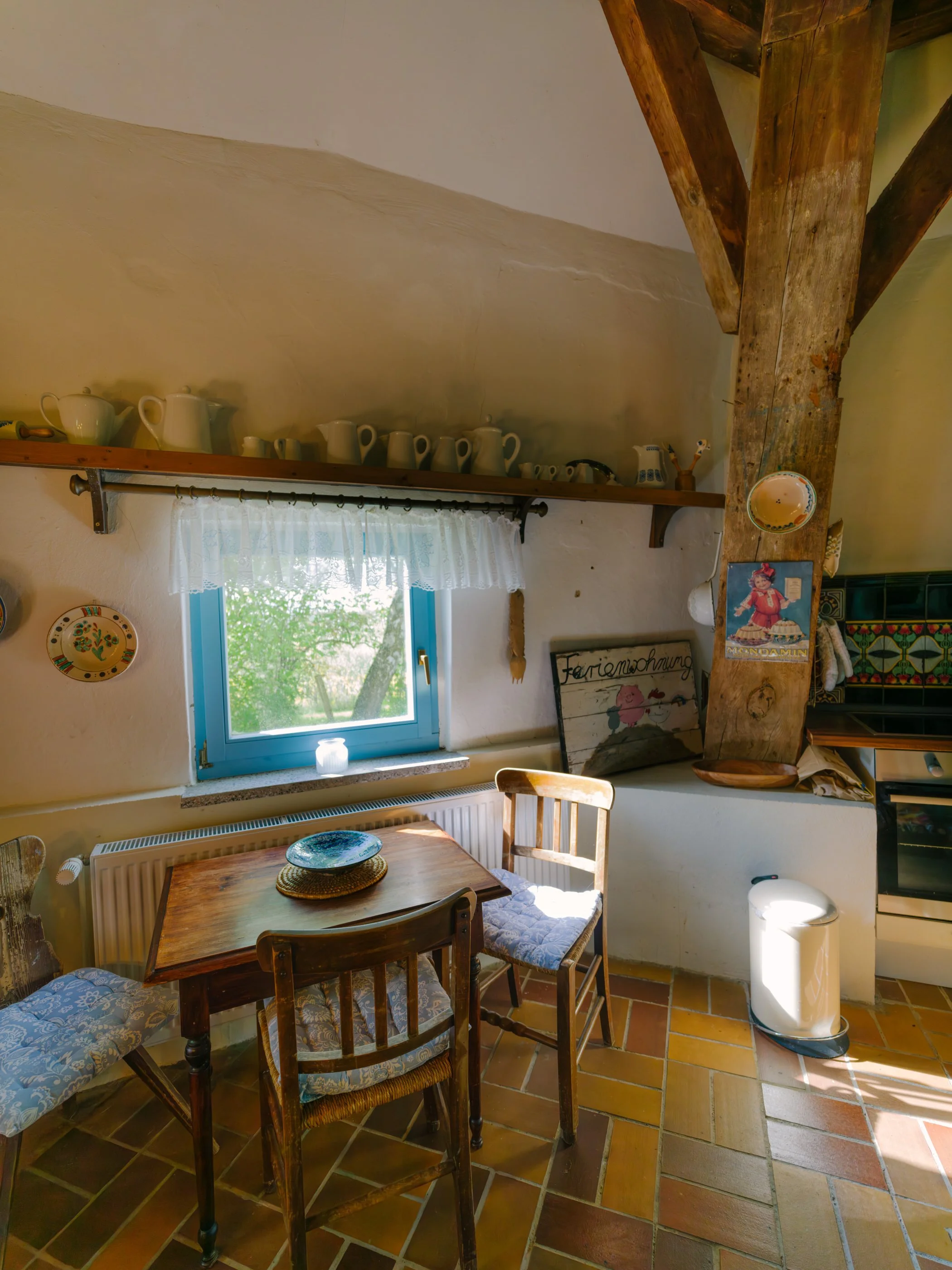
For a few days, we stayed in a beautifully restored historic windmill surrounded by endless fields and lakes. Mornings began slowly, making breakfast outdoors while the countryside woke up around us. I've always loved making breakfast after the first night of a trip - it somehow turns a place from somewhere you're visiting into somewhere you're briefly living.
One of the highlights was visiting local farms, where we collected fresh eggs and harvested organic vegetables that would later become our meals. There's something incredibly satisfying about cooking with ingredients you've gathered yourself, especially in a place where food still feels deeply connected to the land.
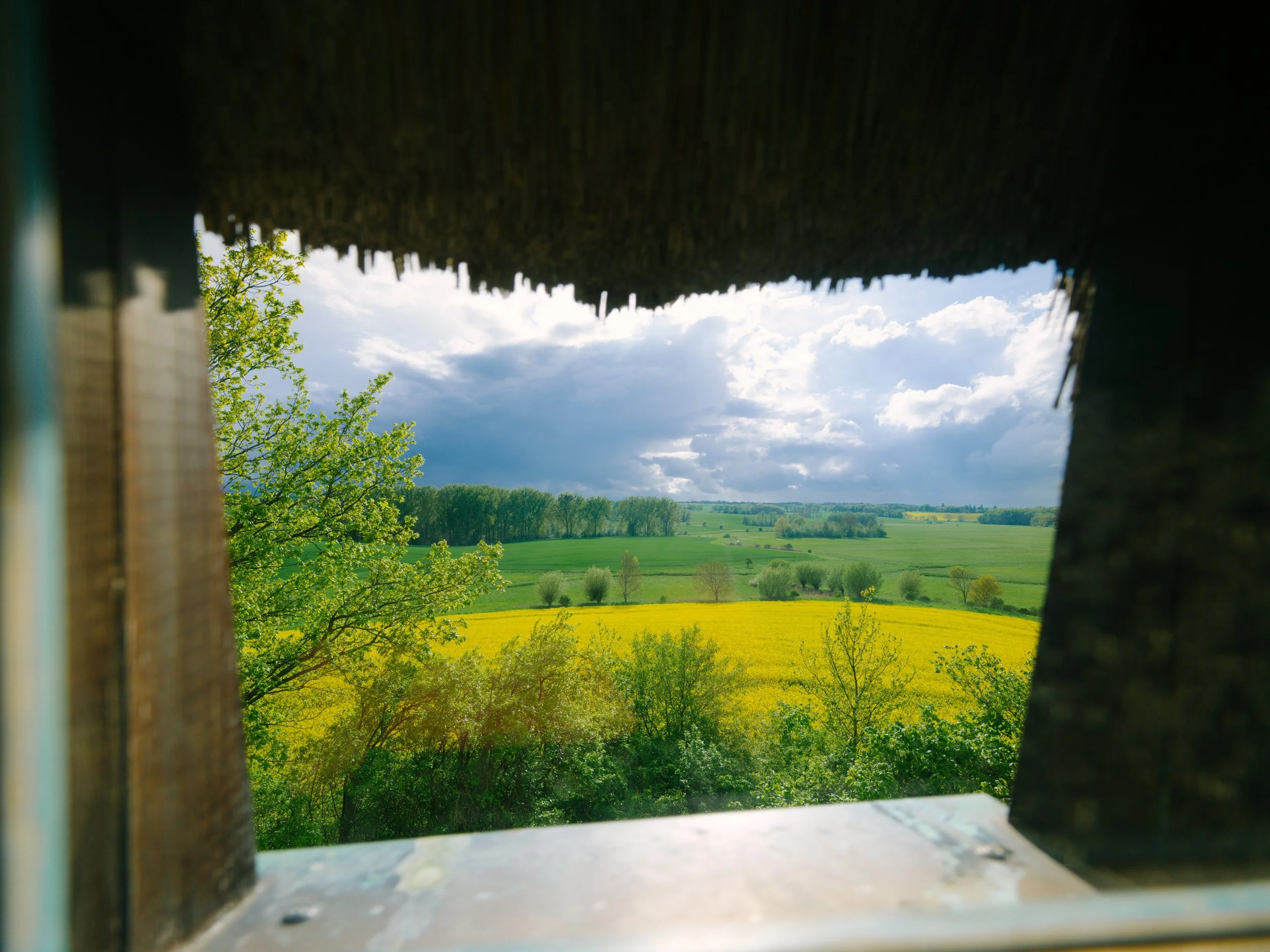
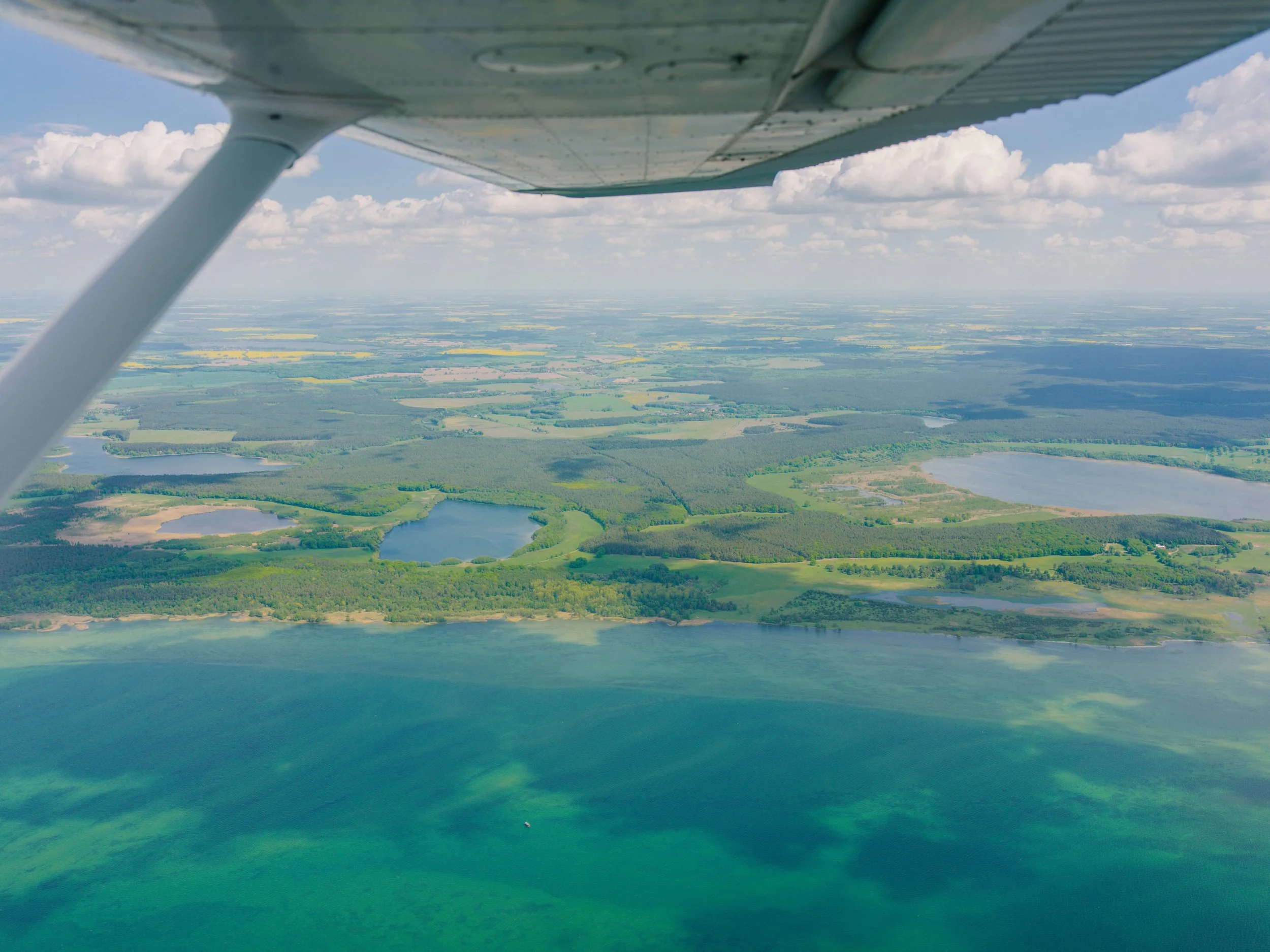
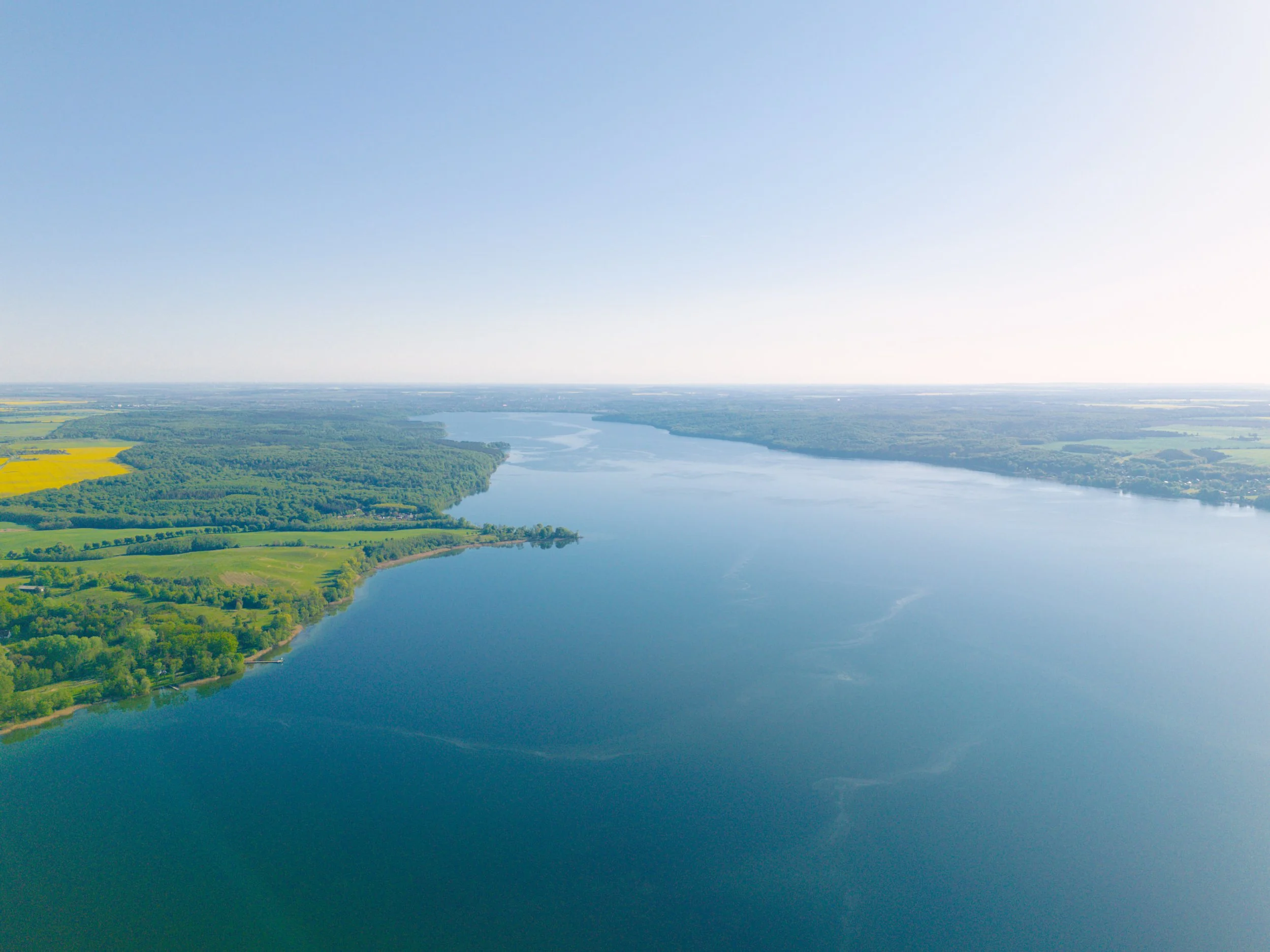
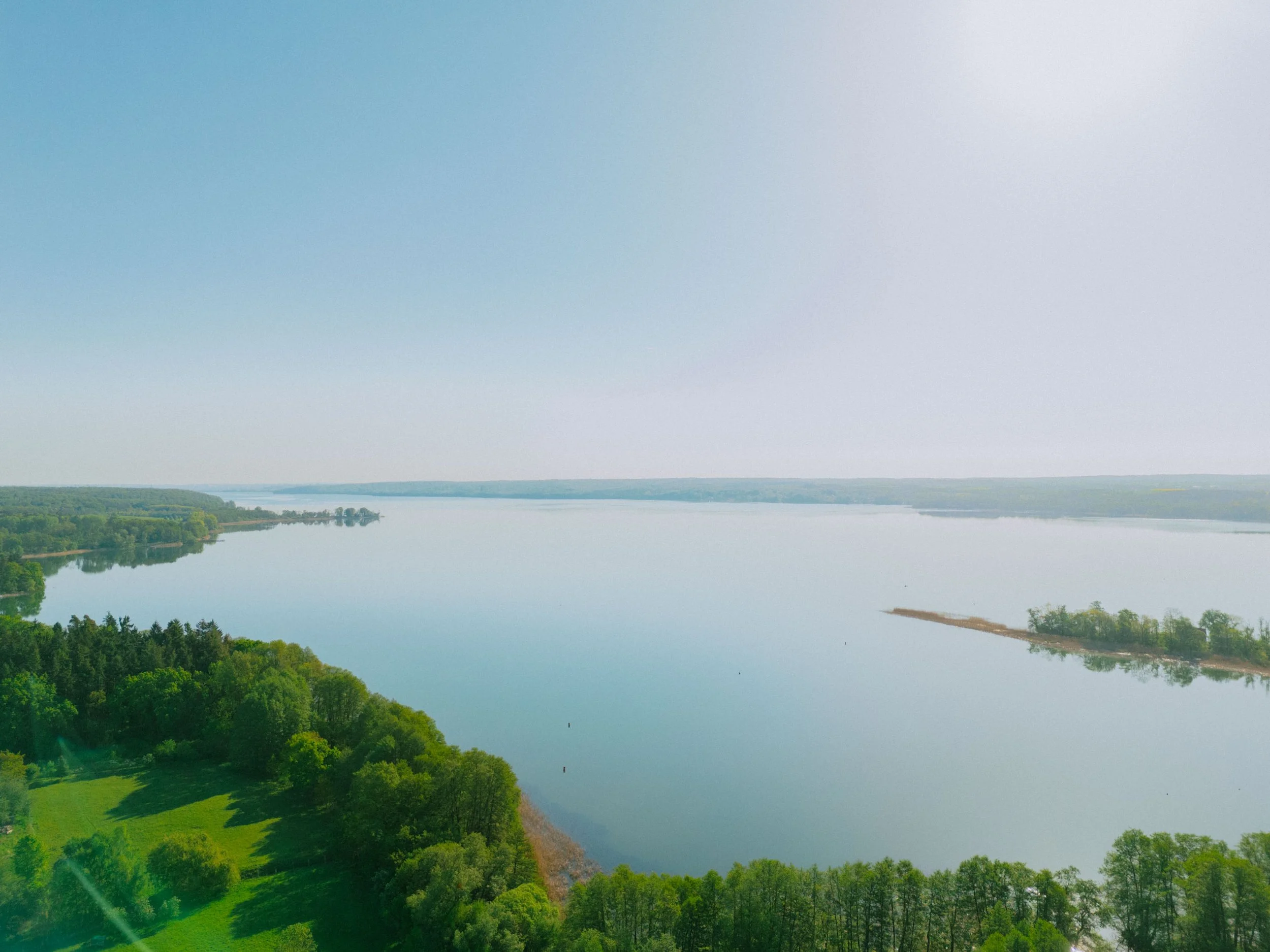
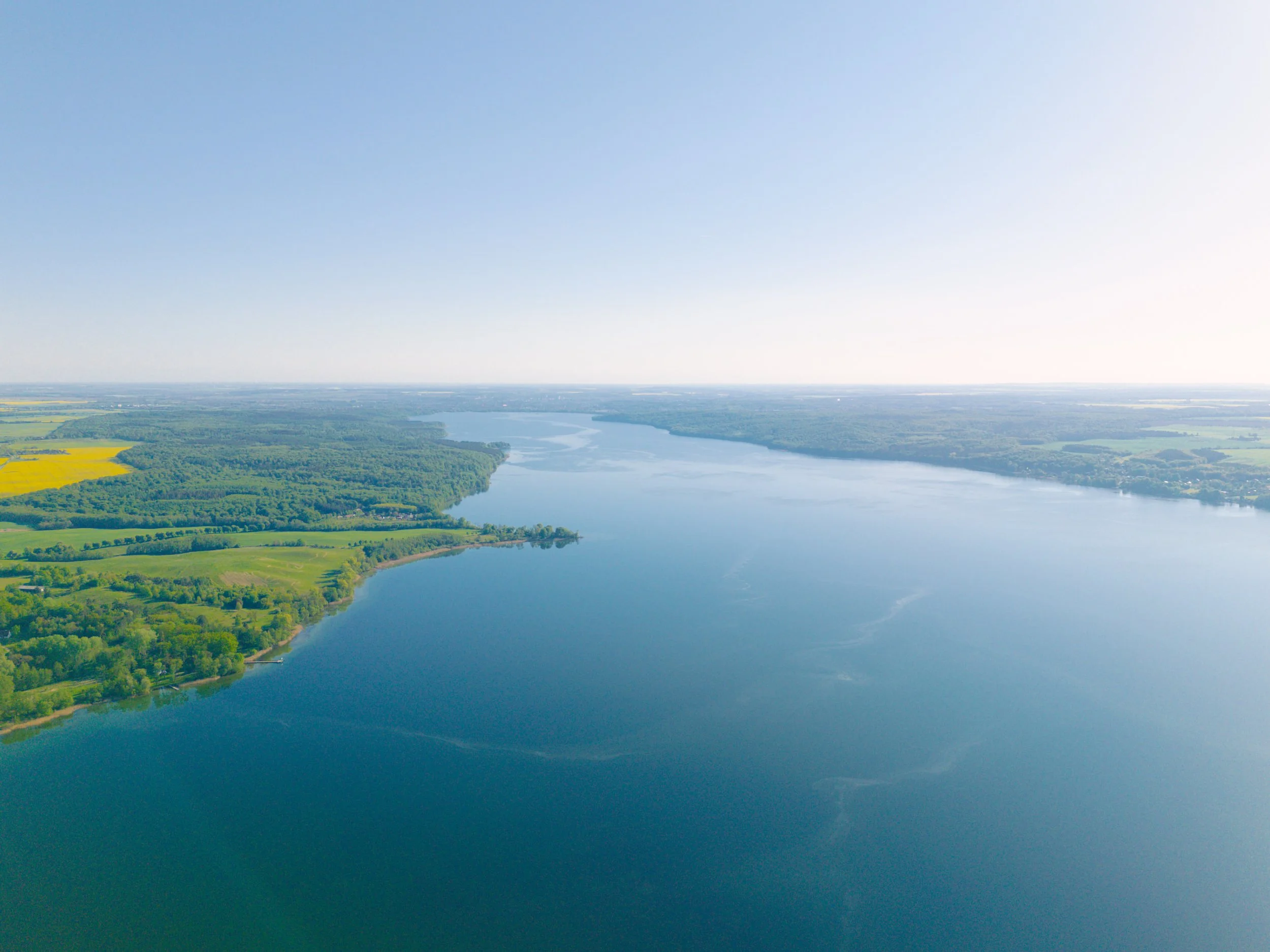
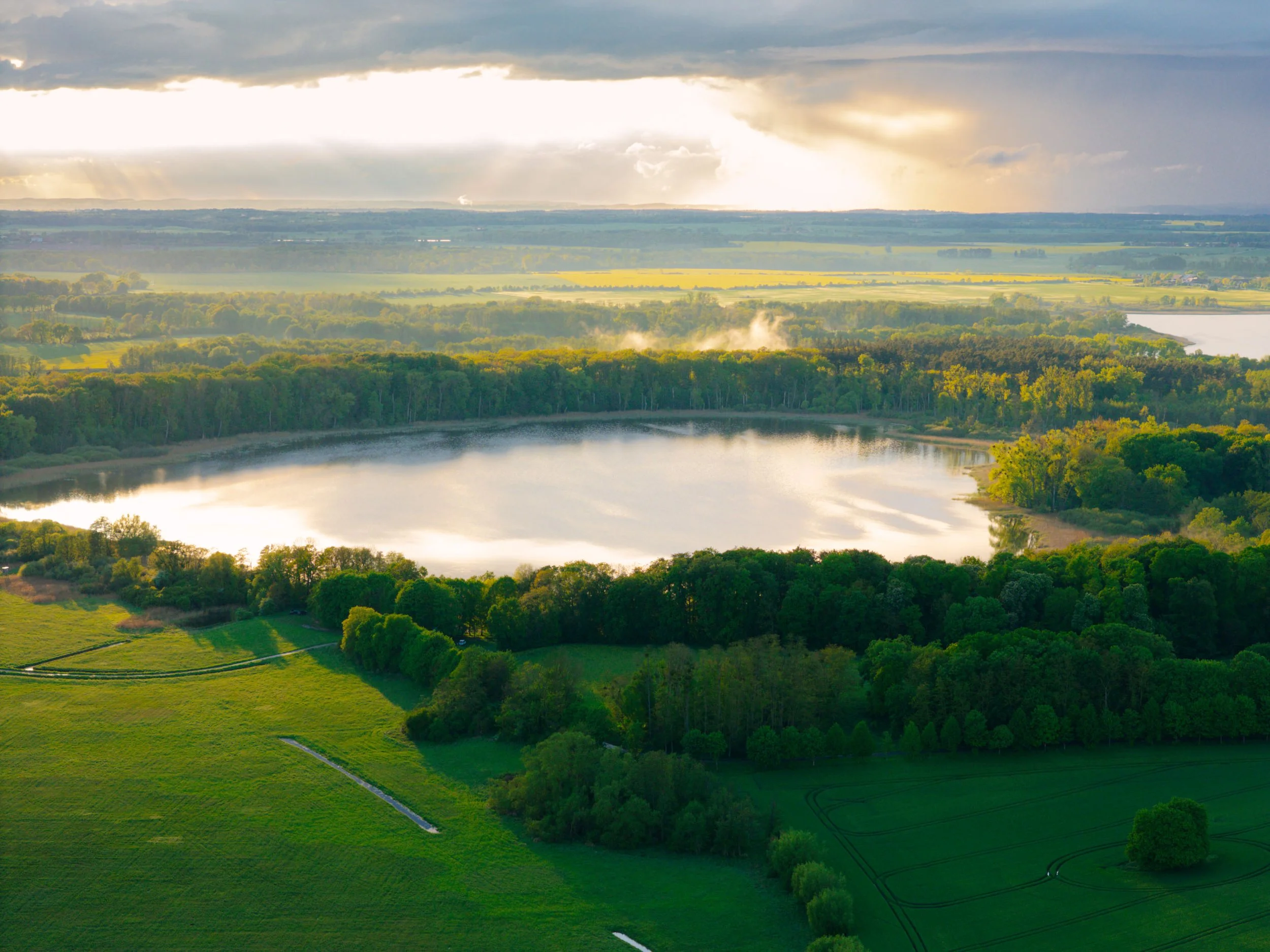
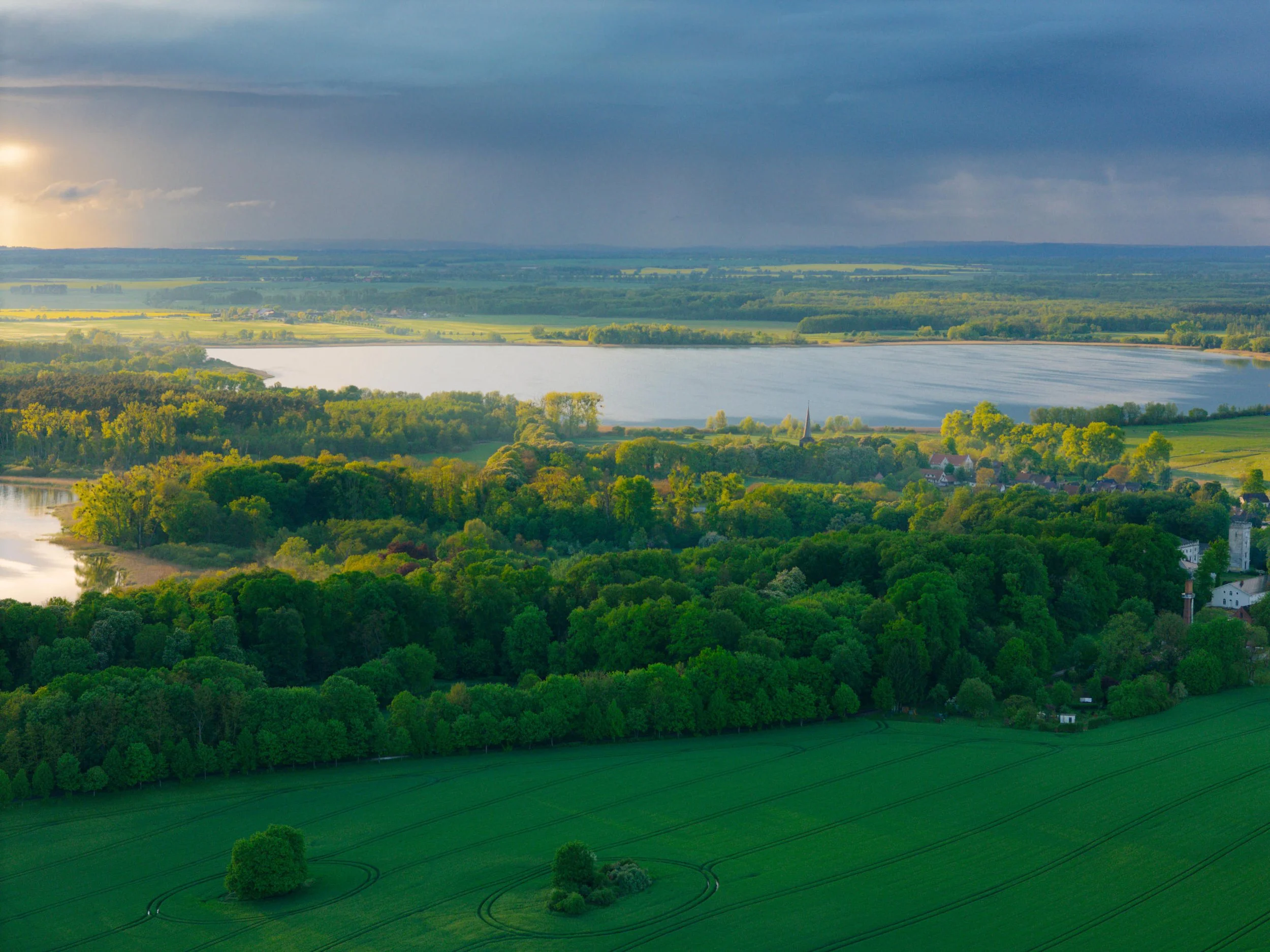
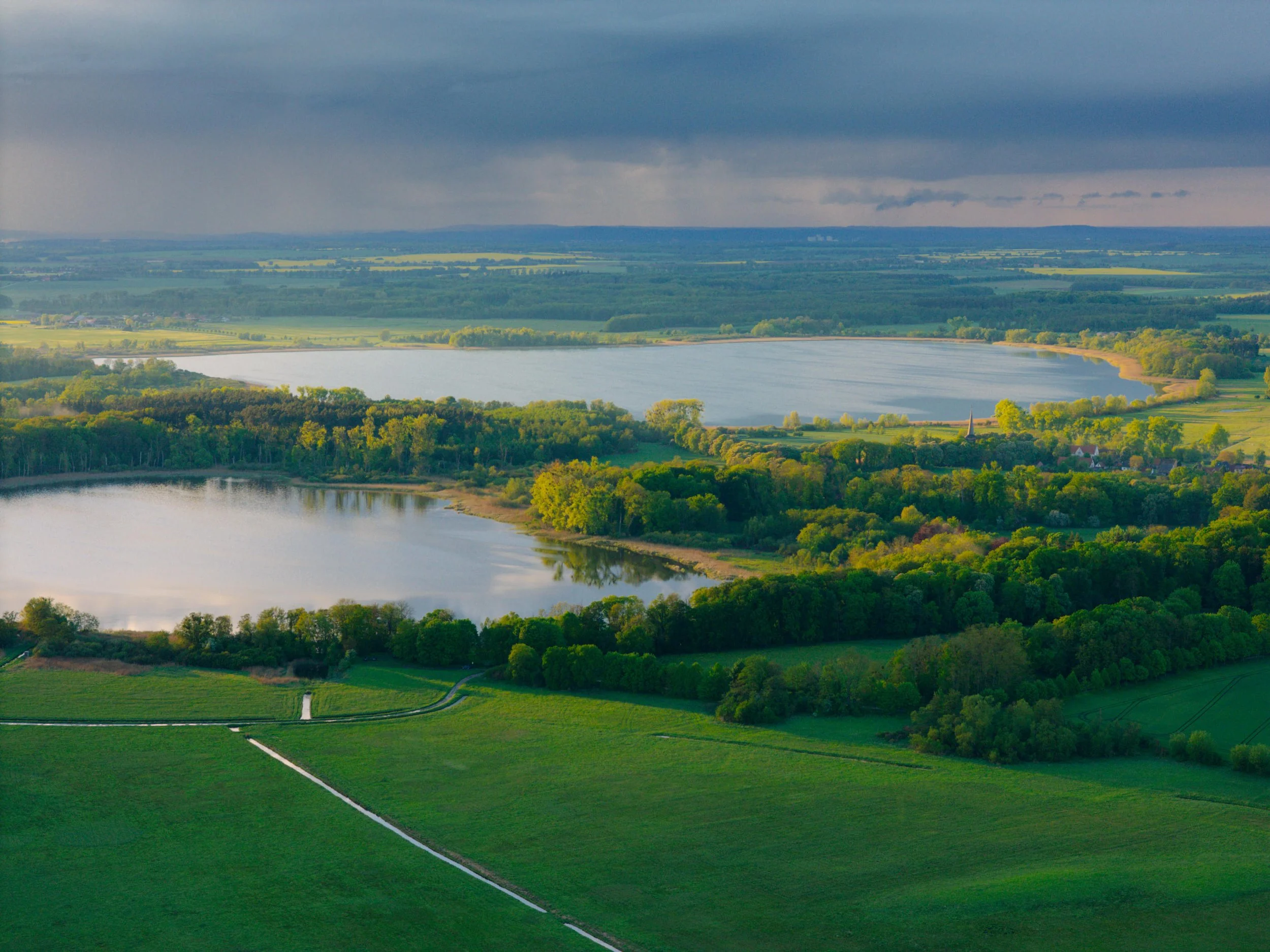
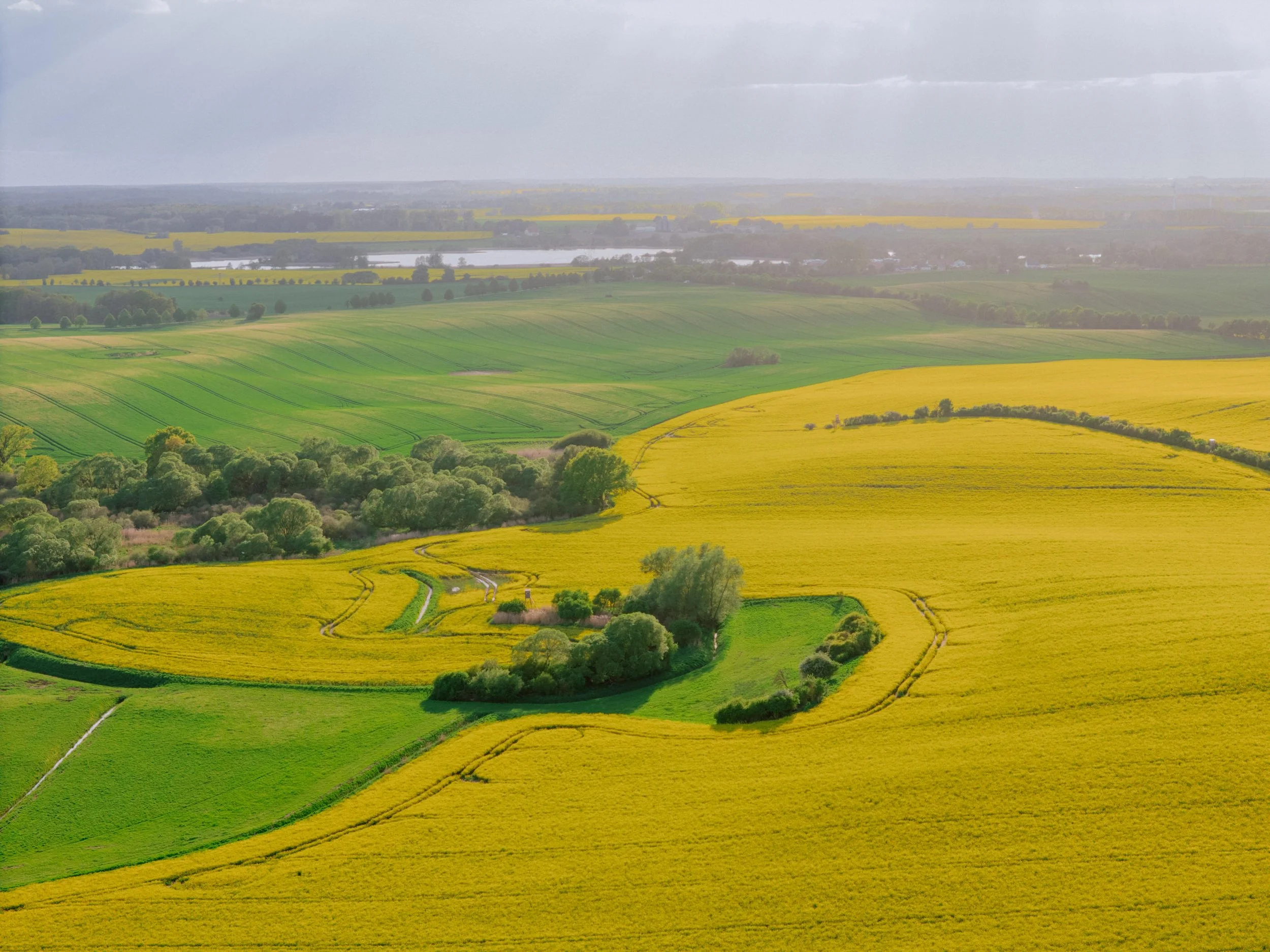
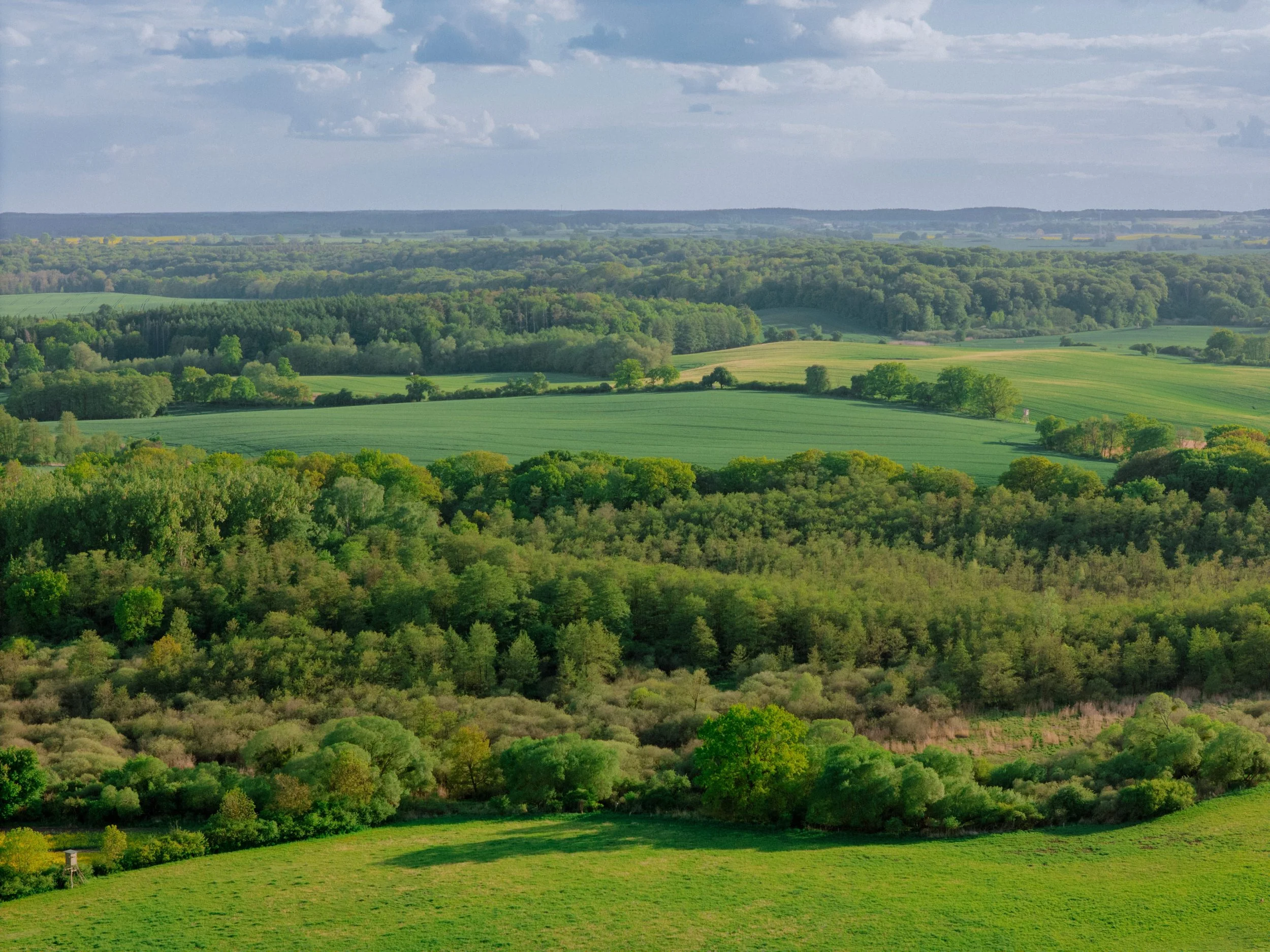
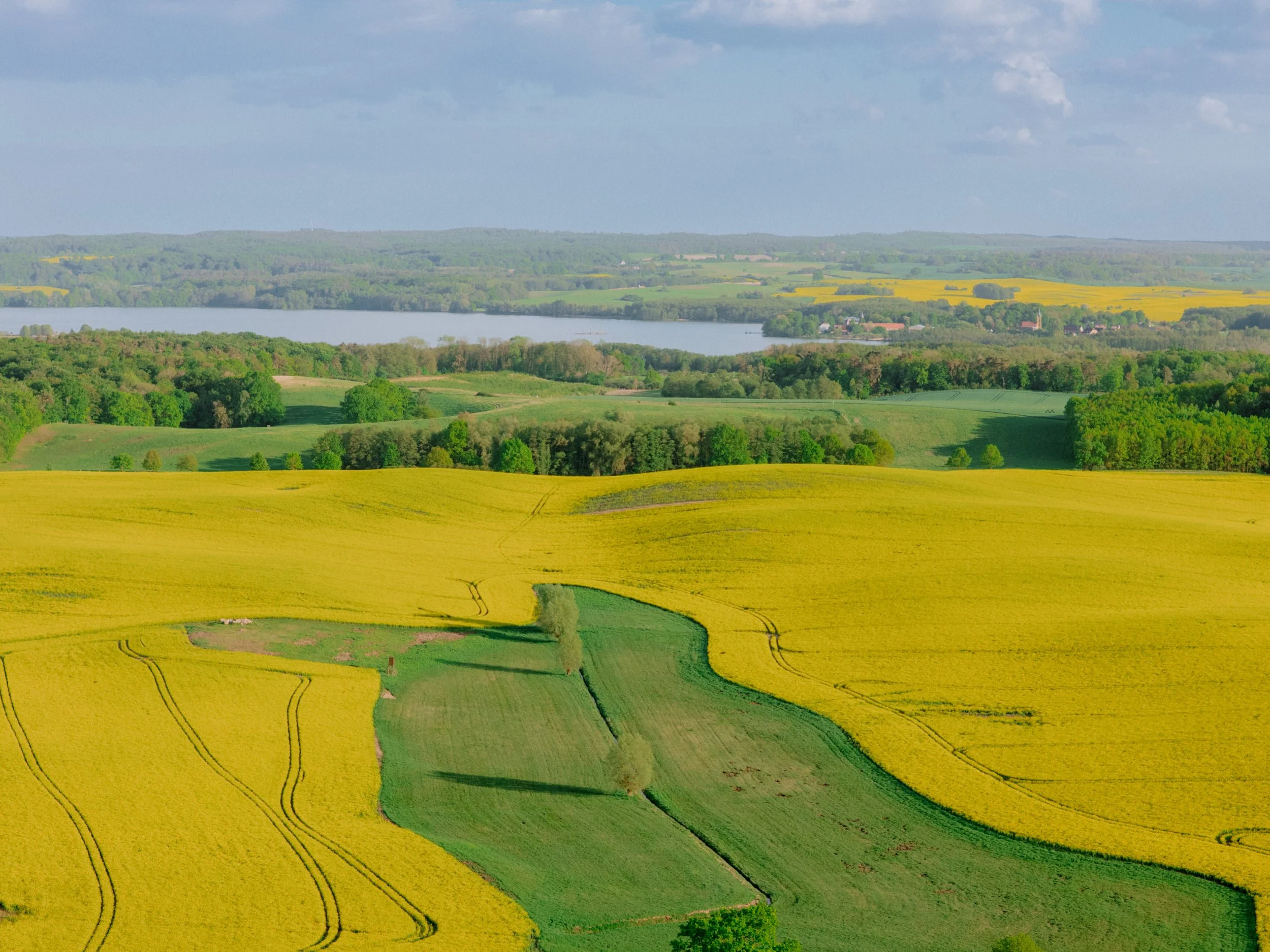
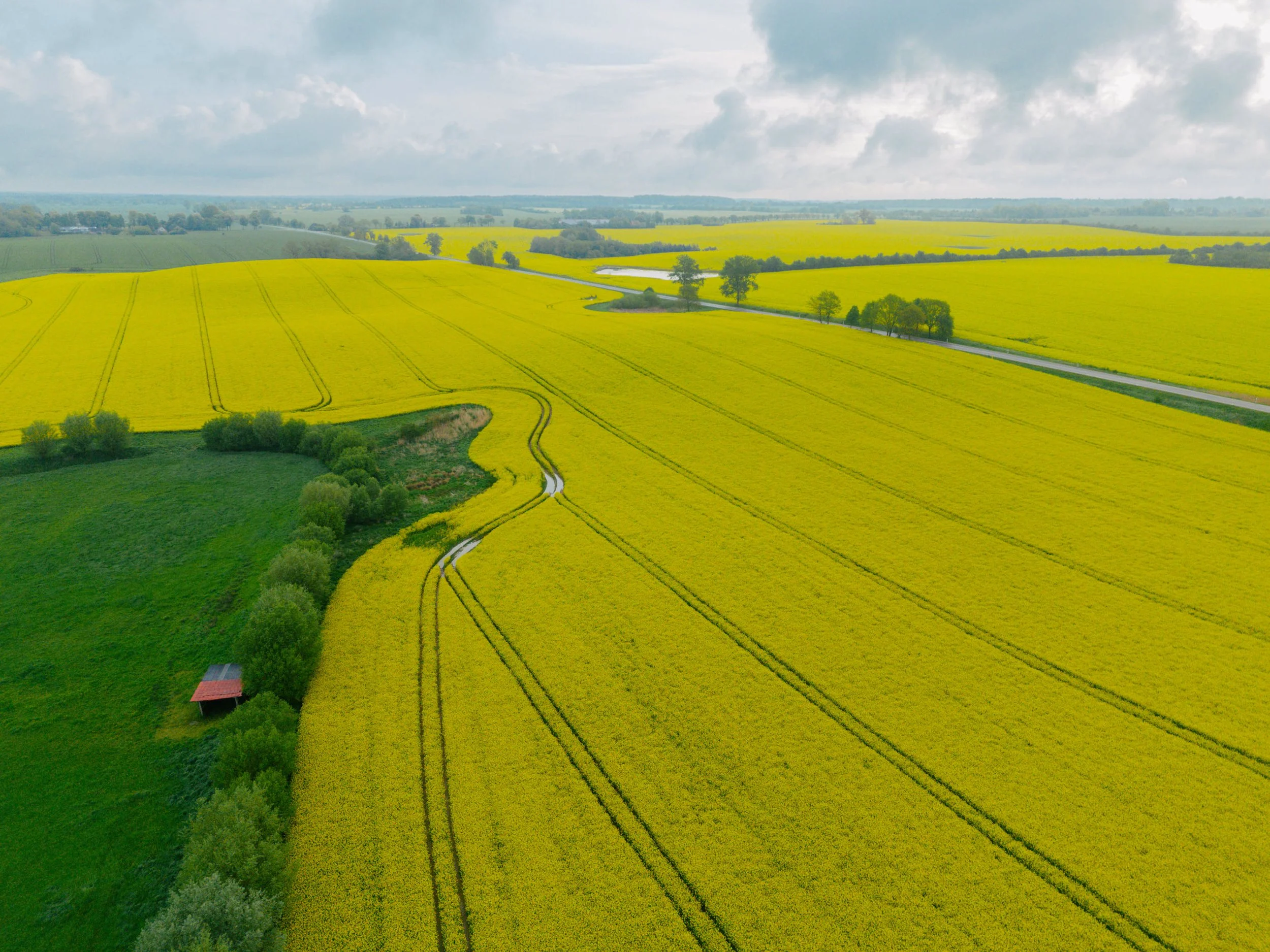
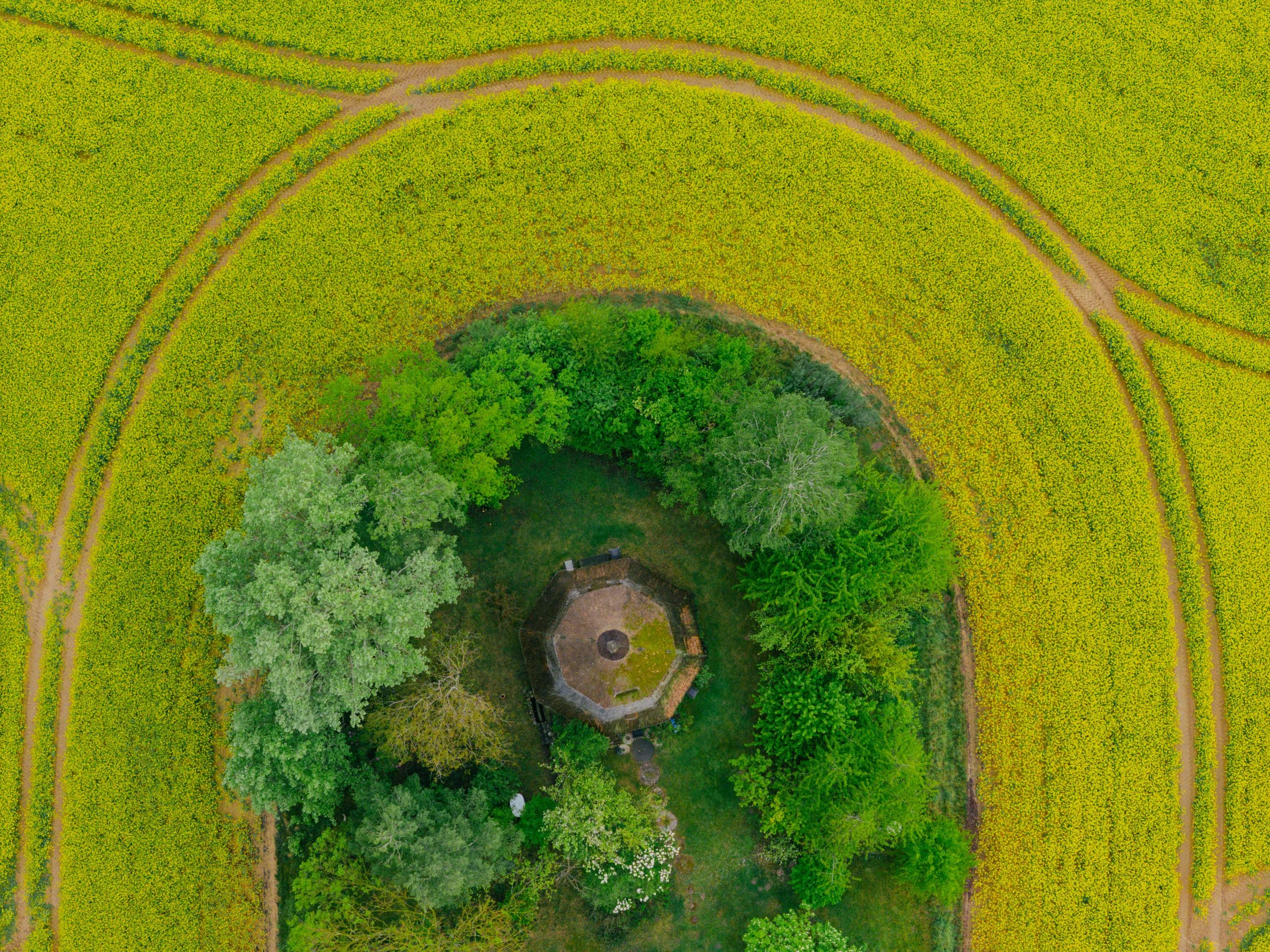
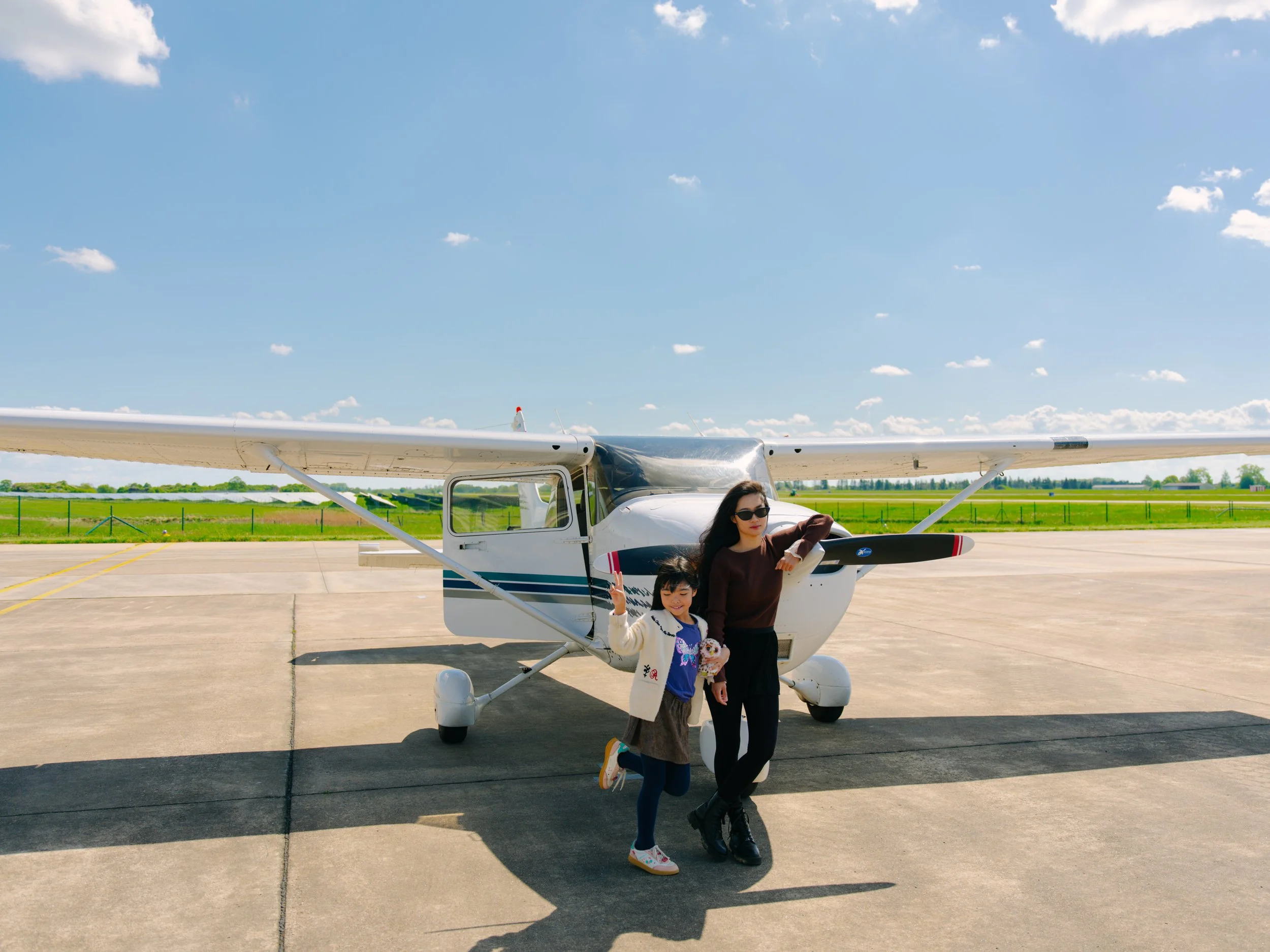
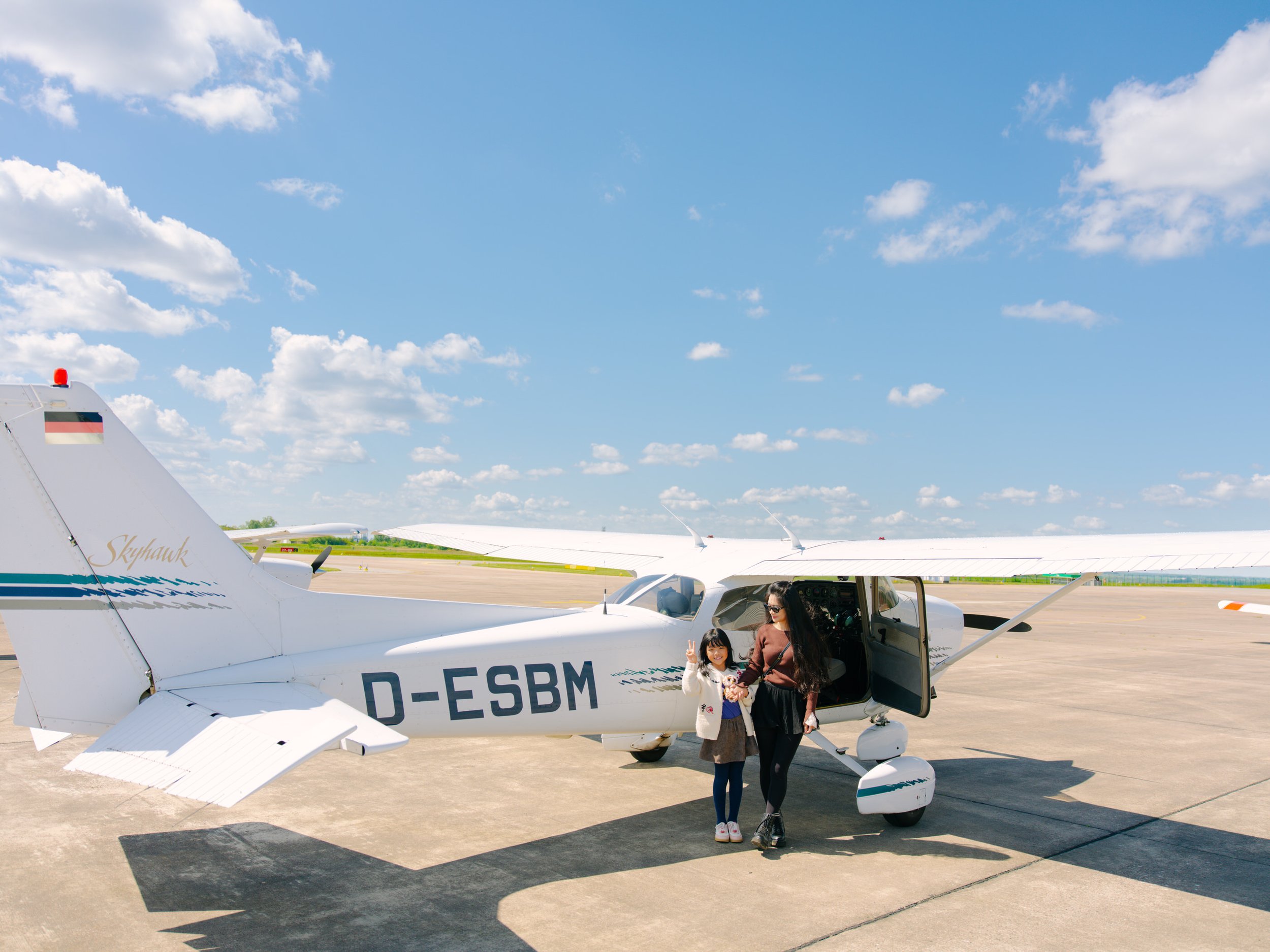
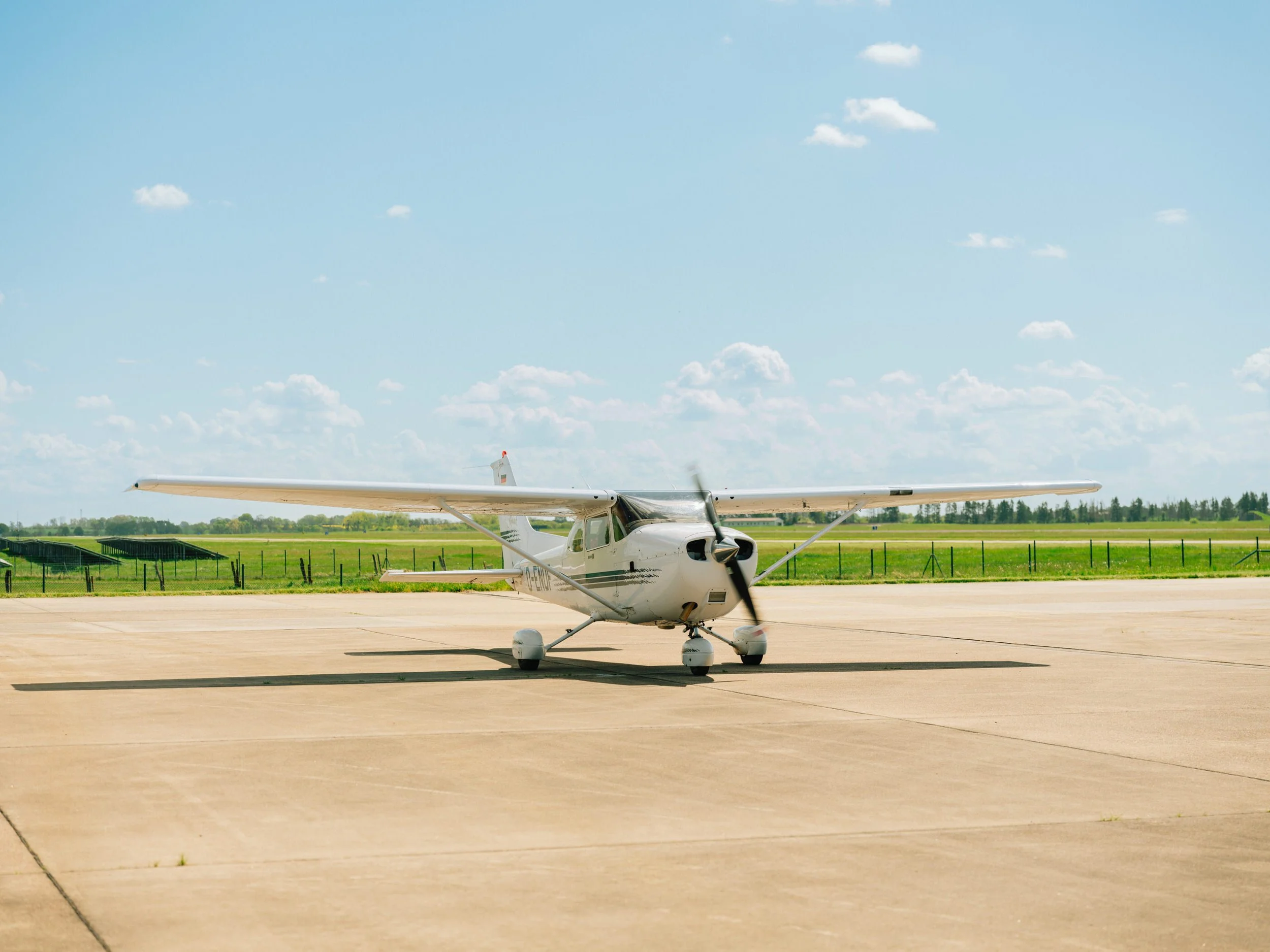
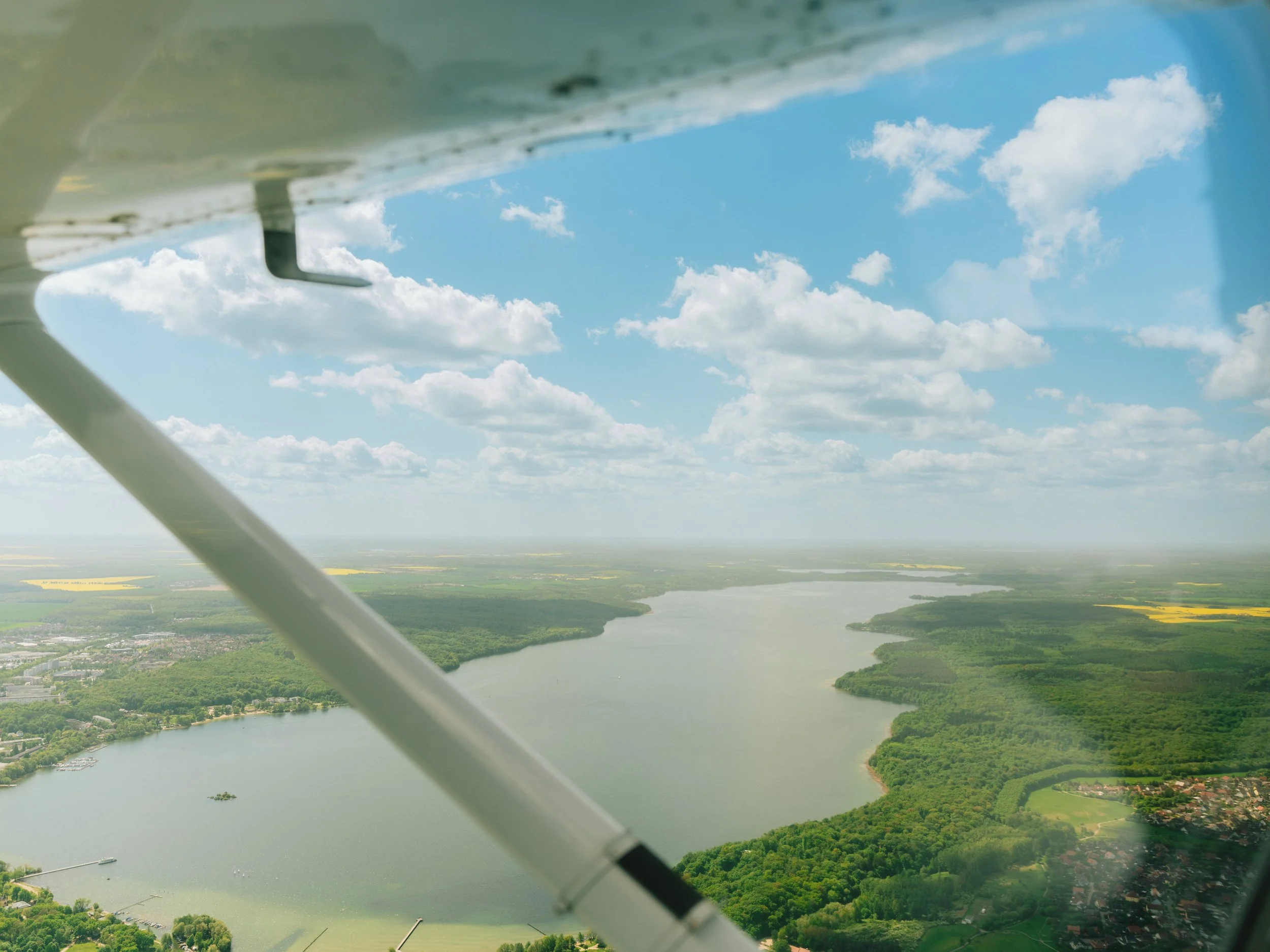
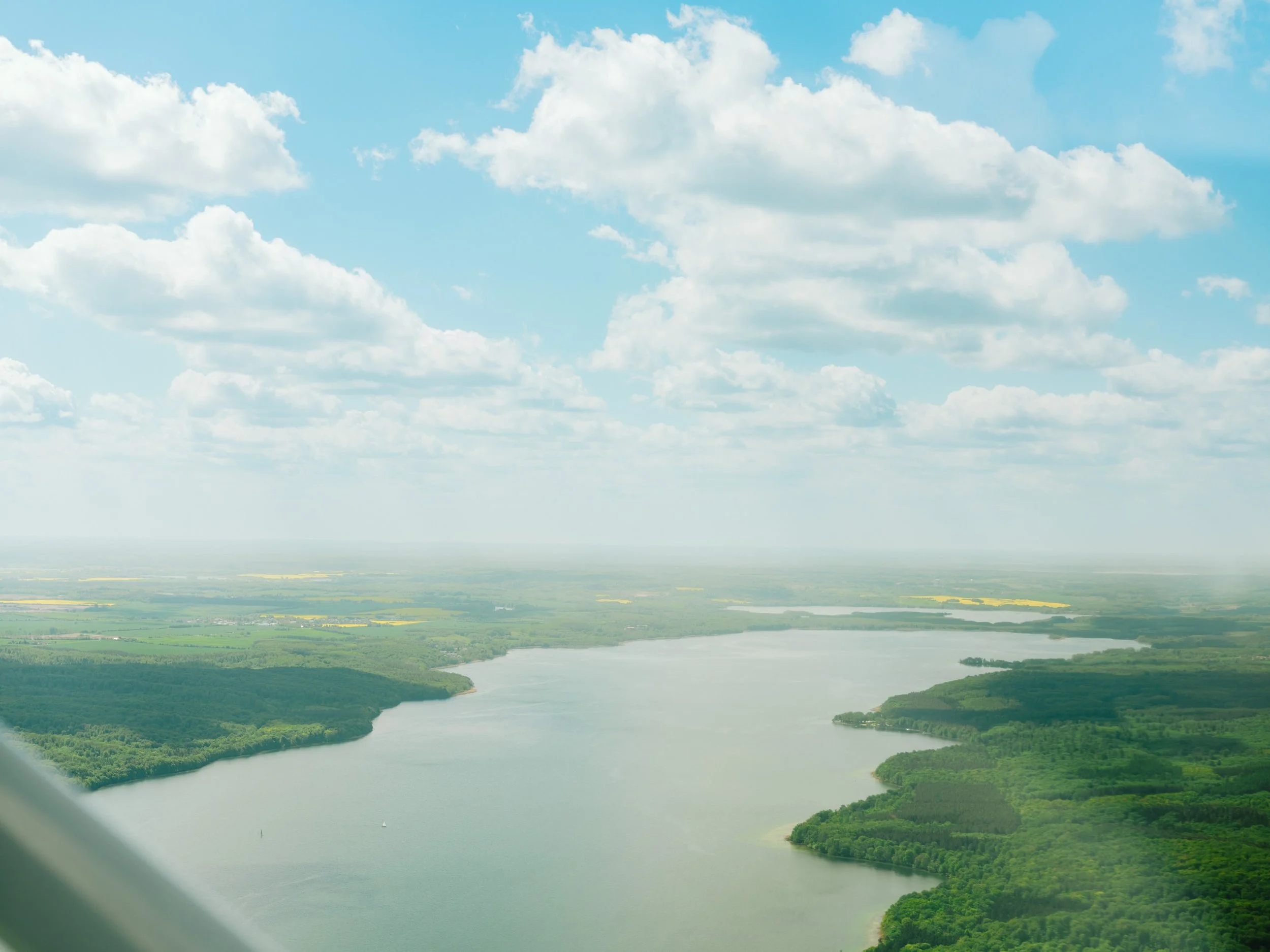
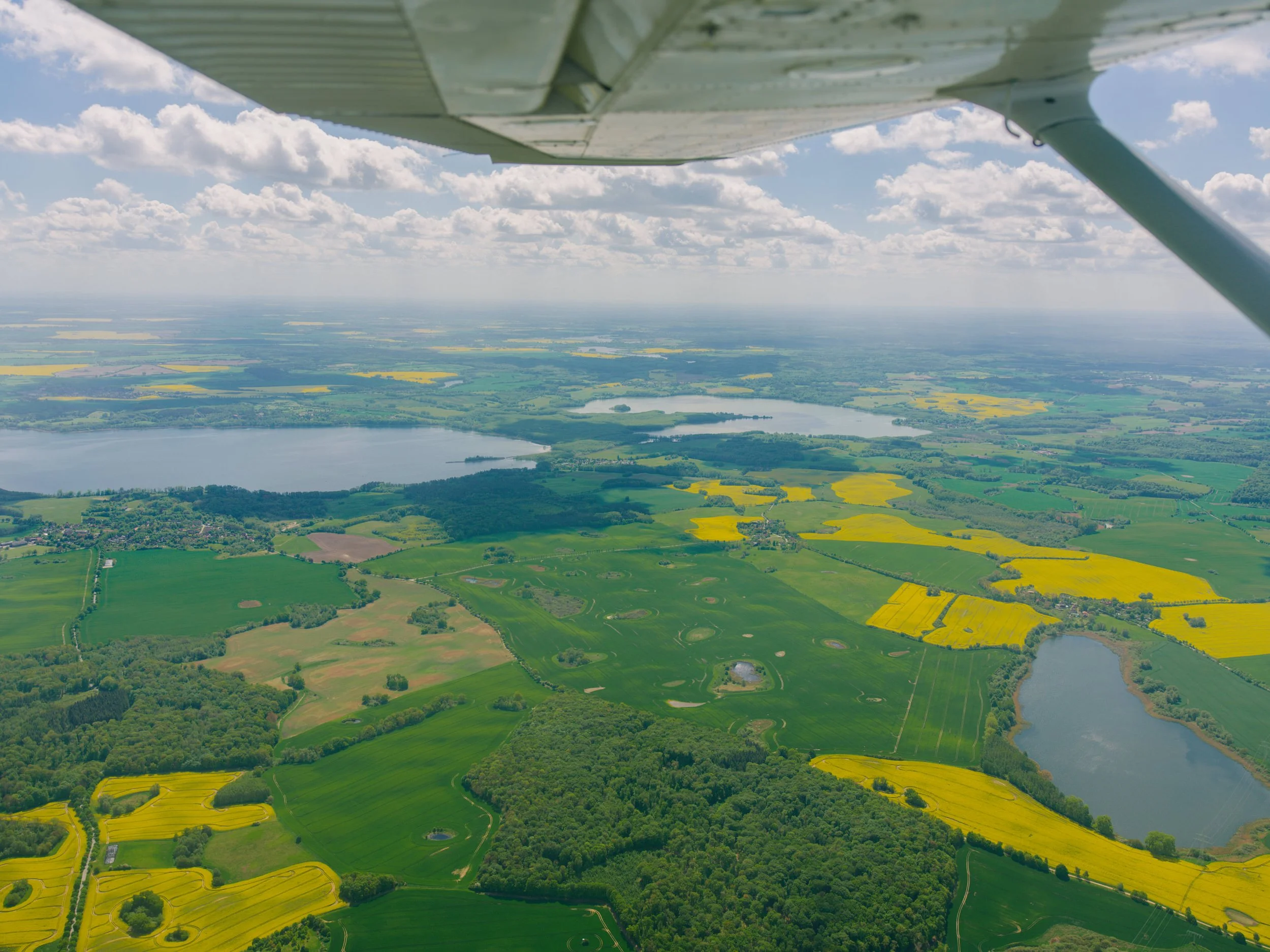
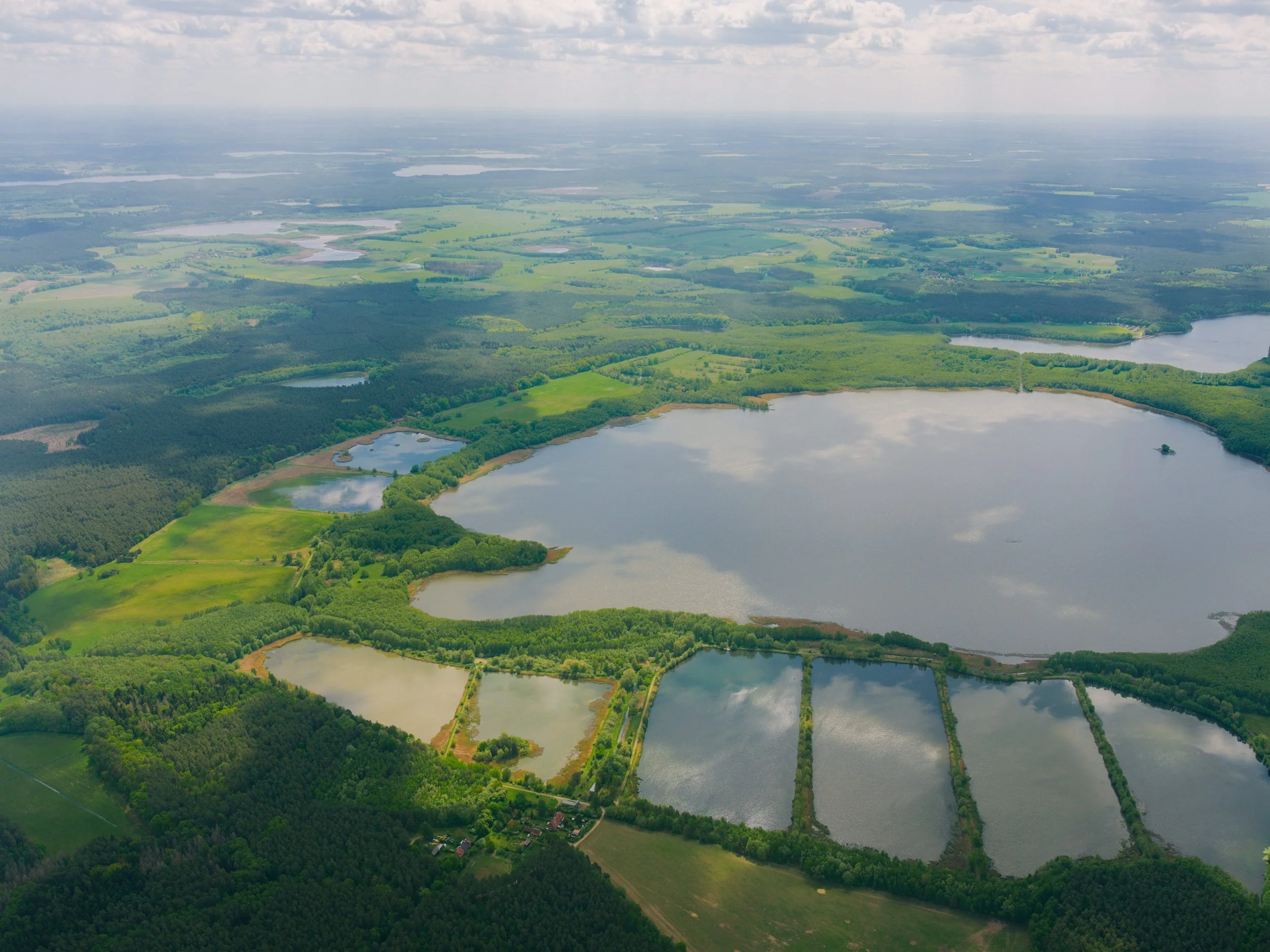
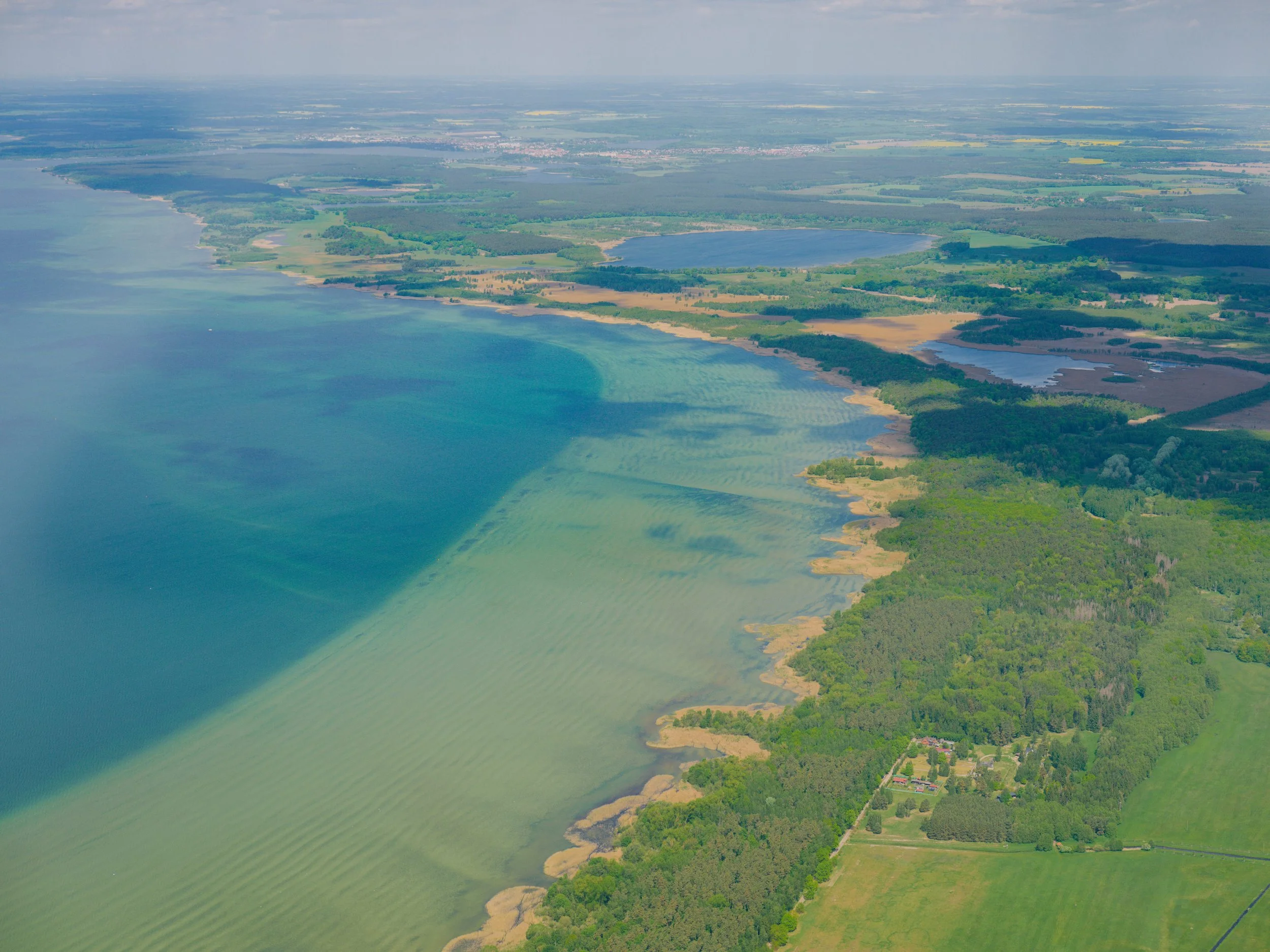
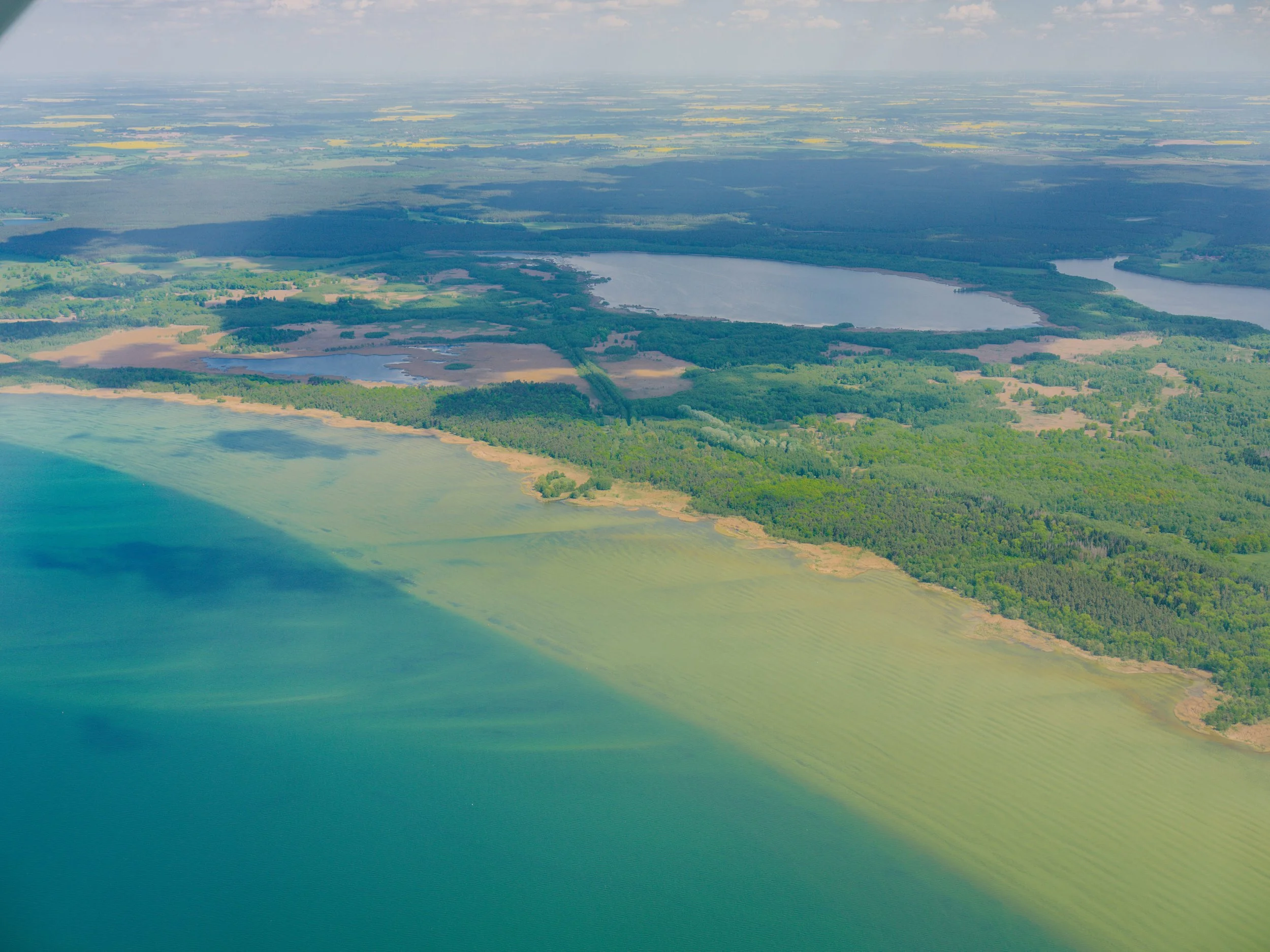
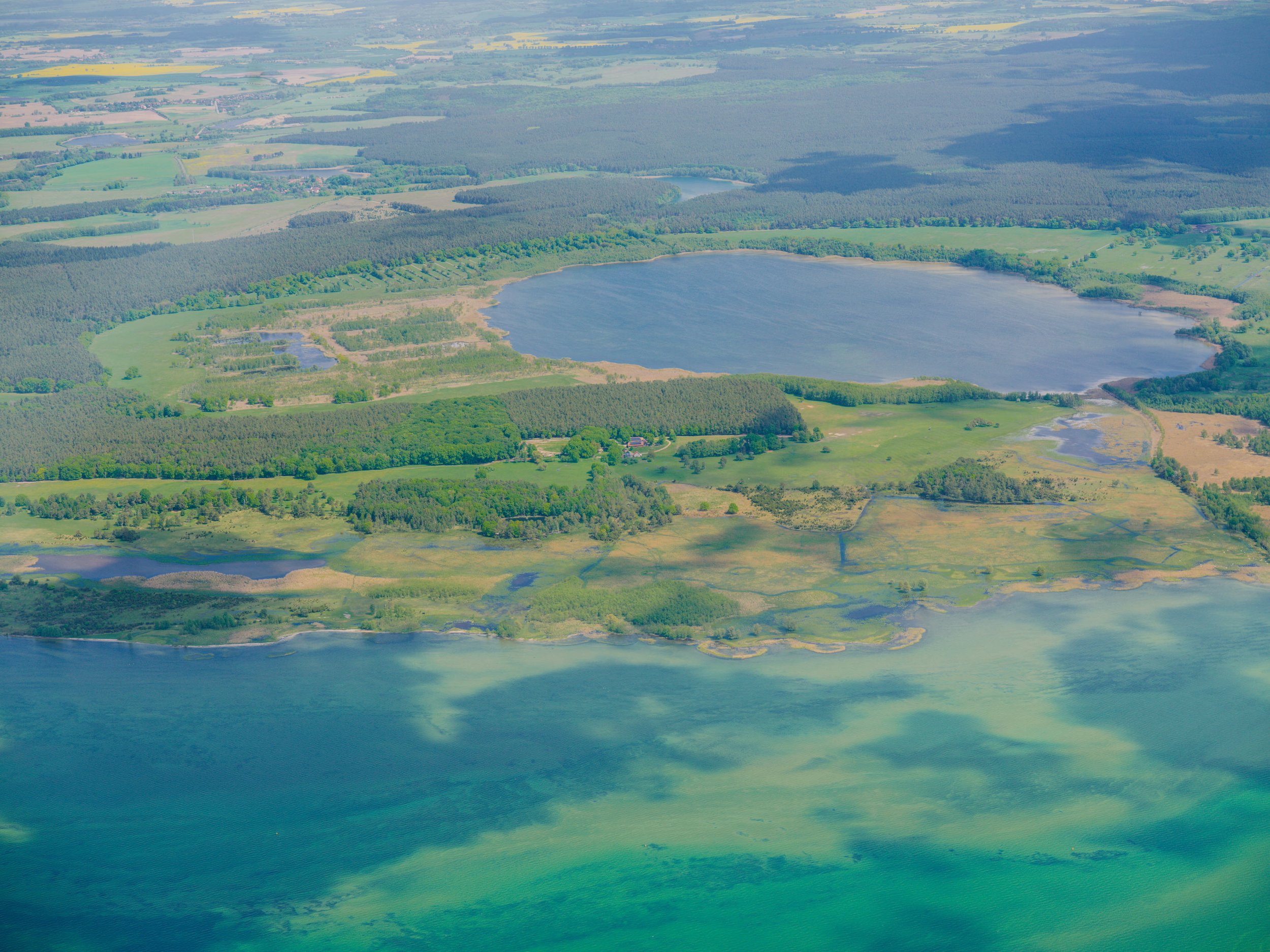
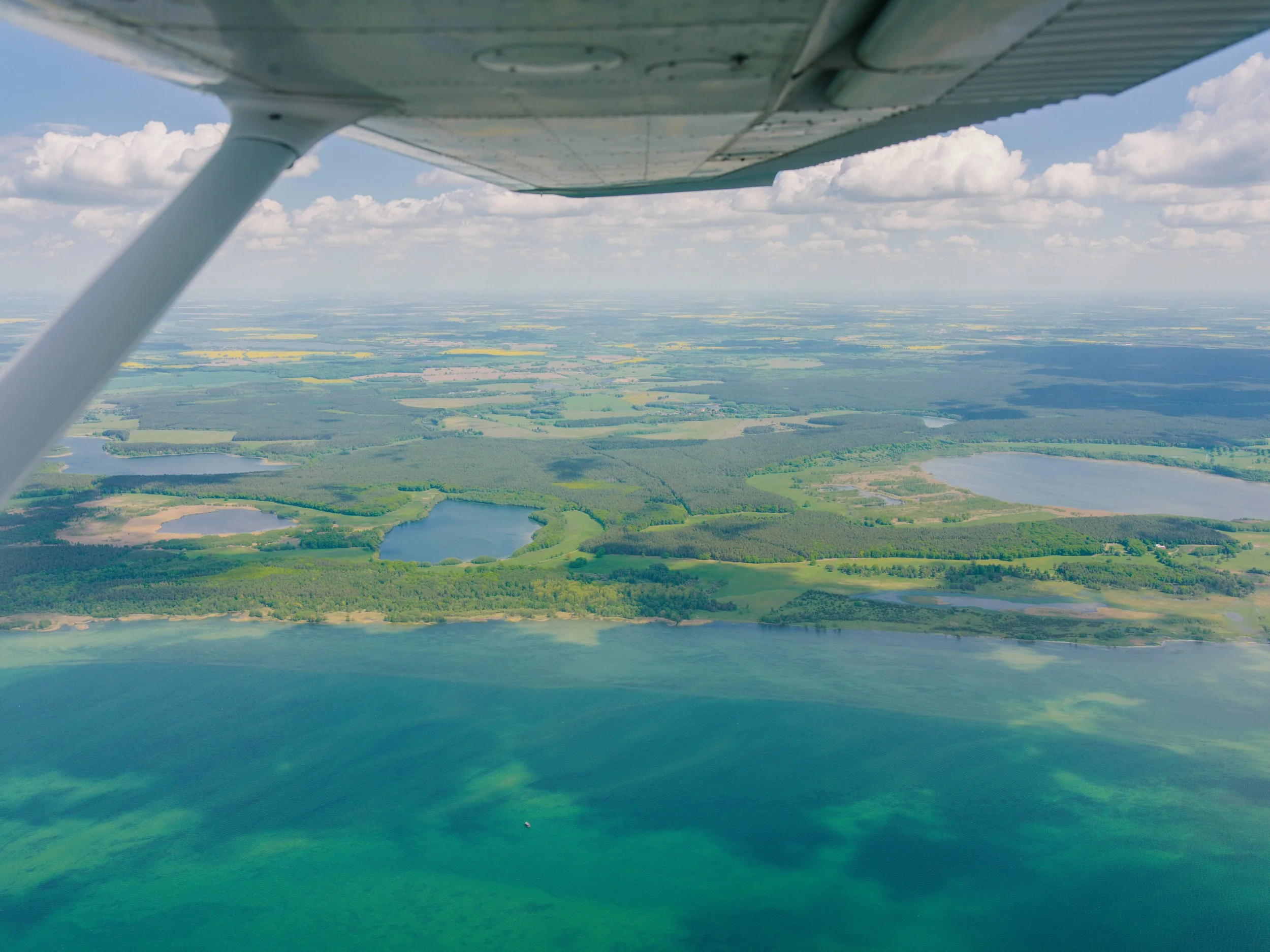
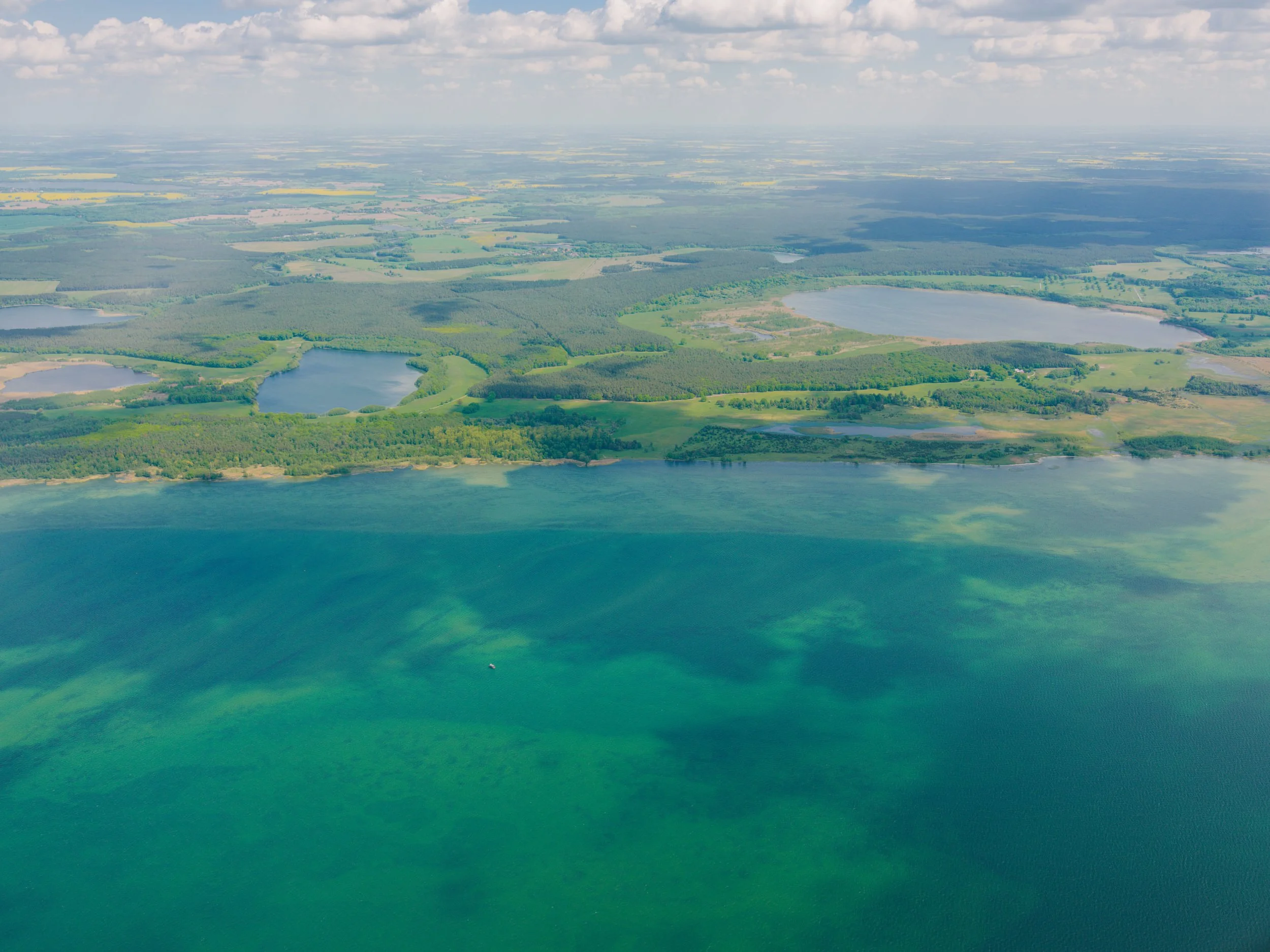
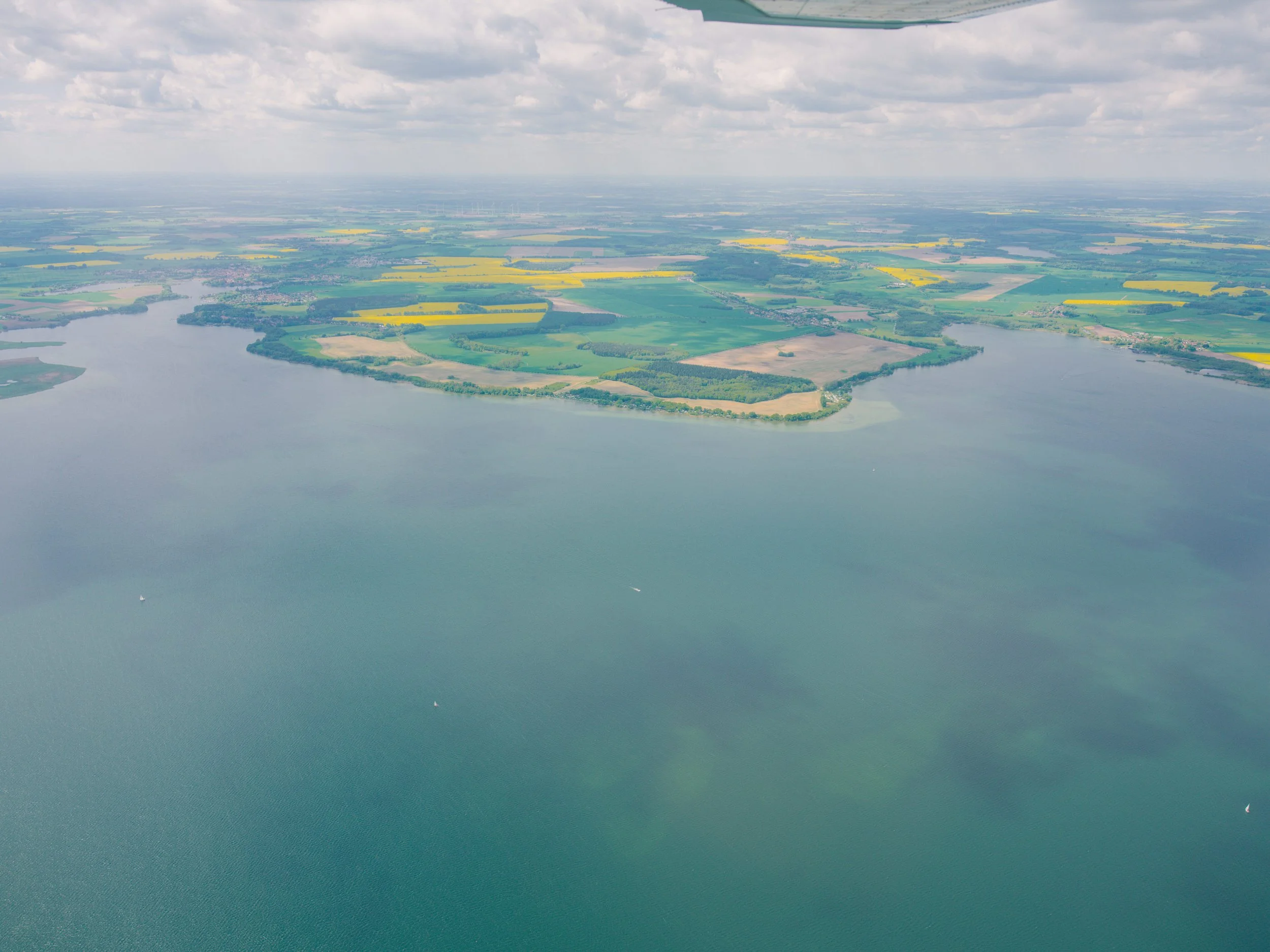
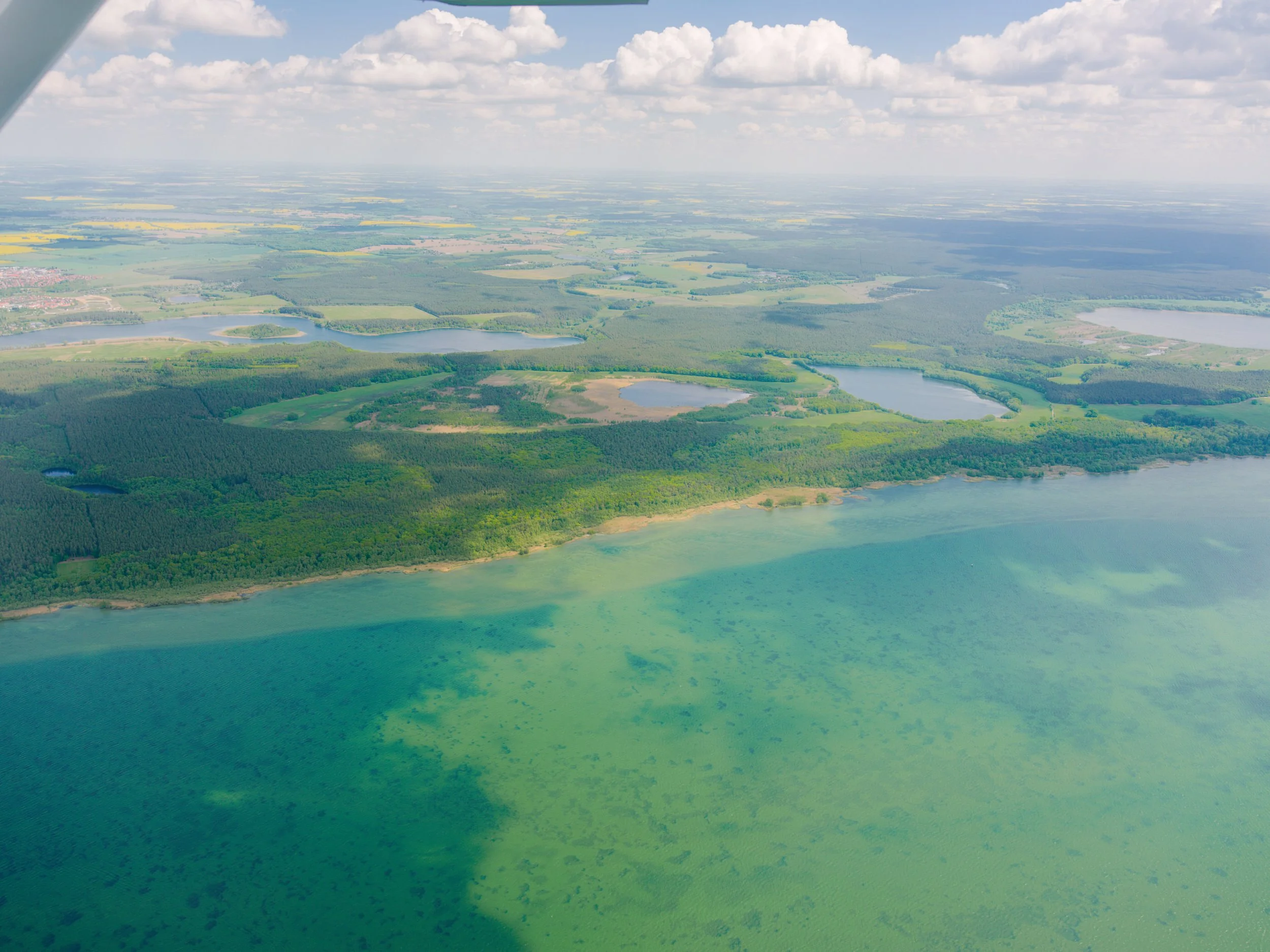
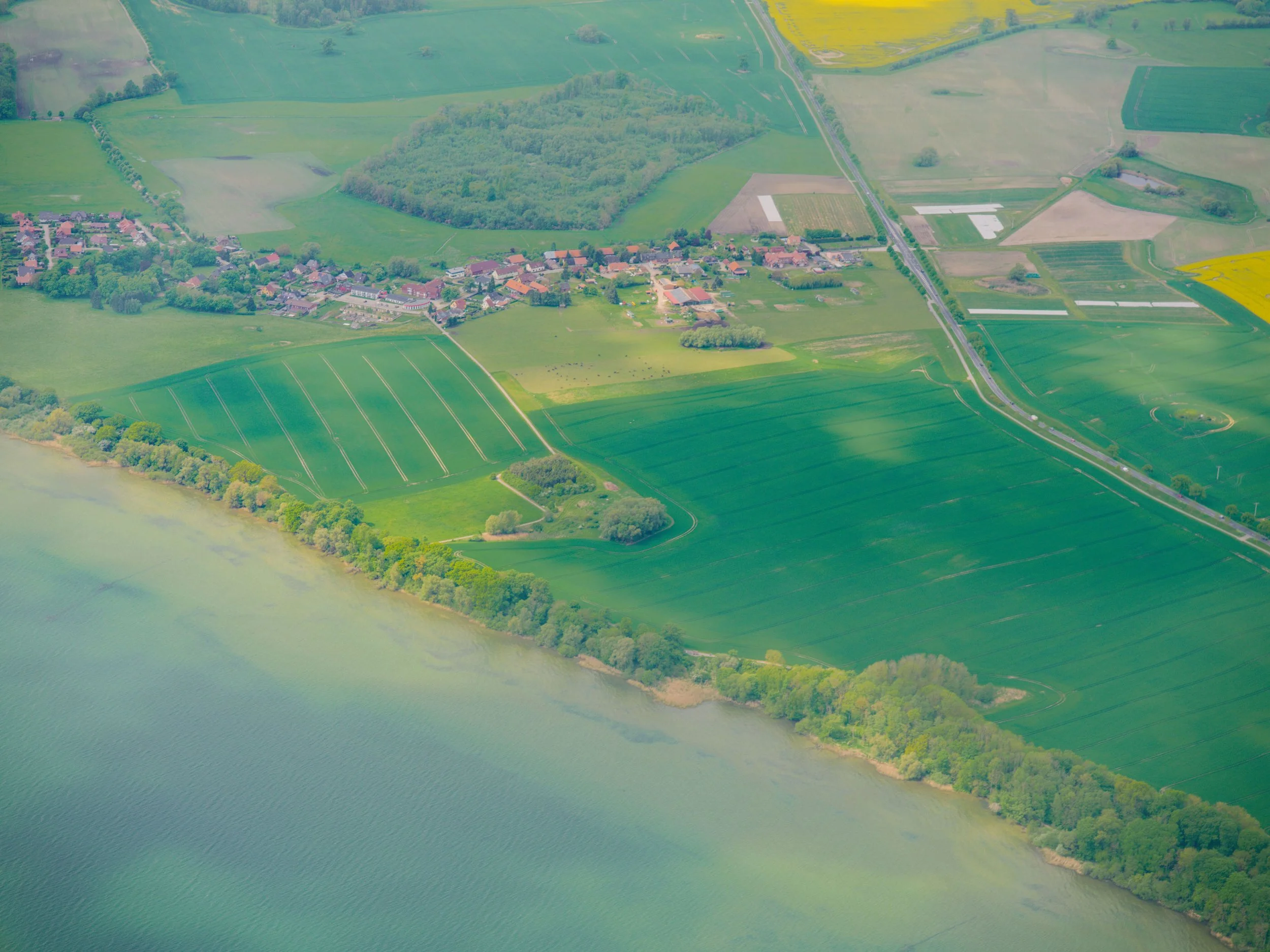
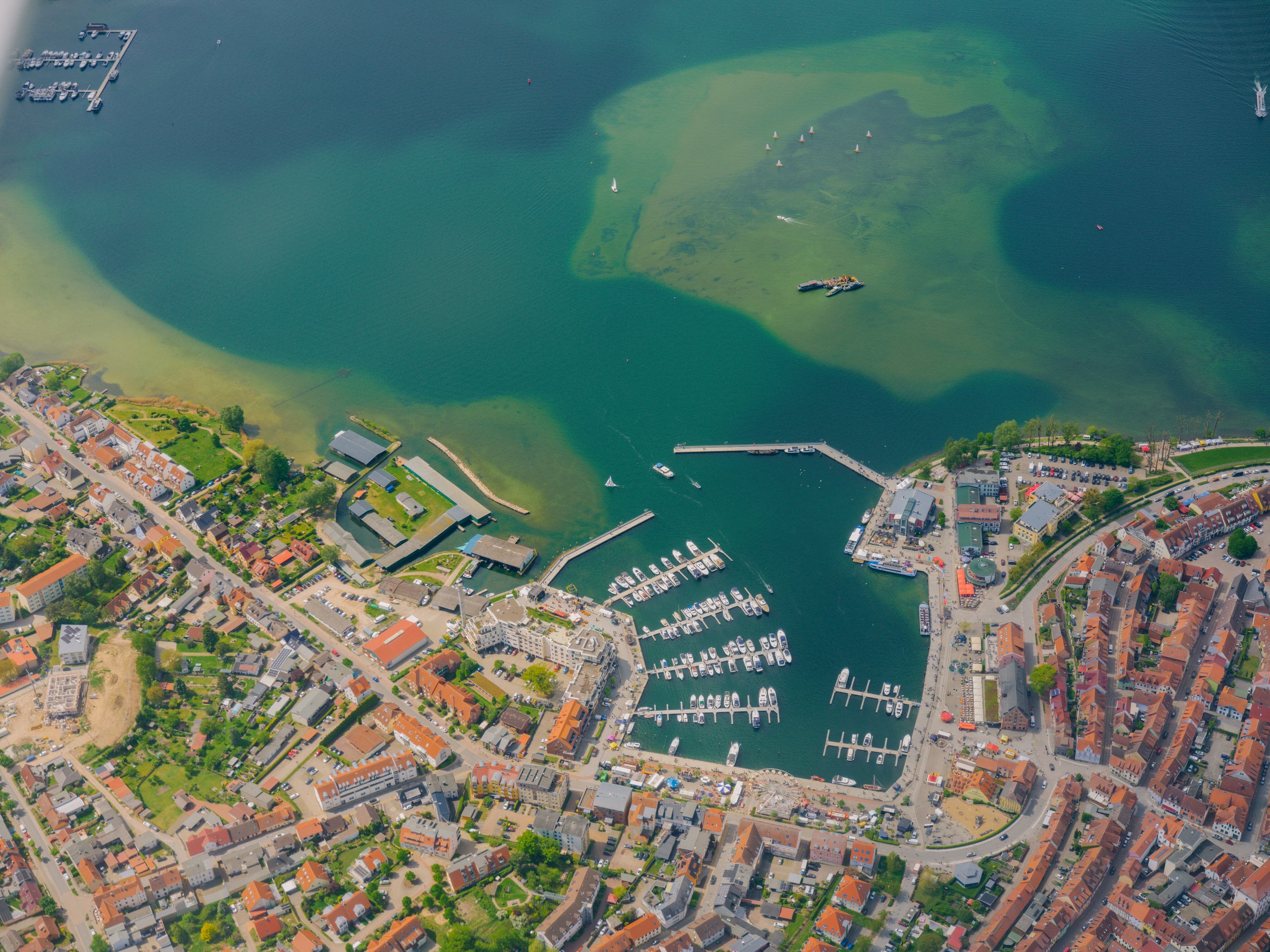
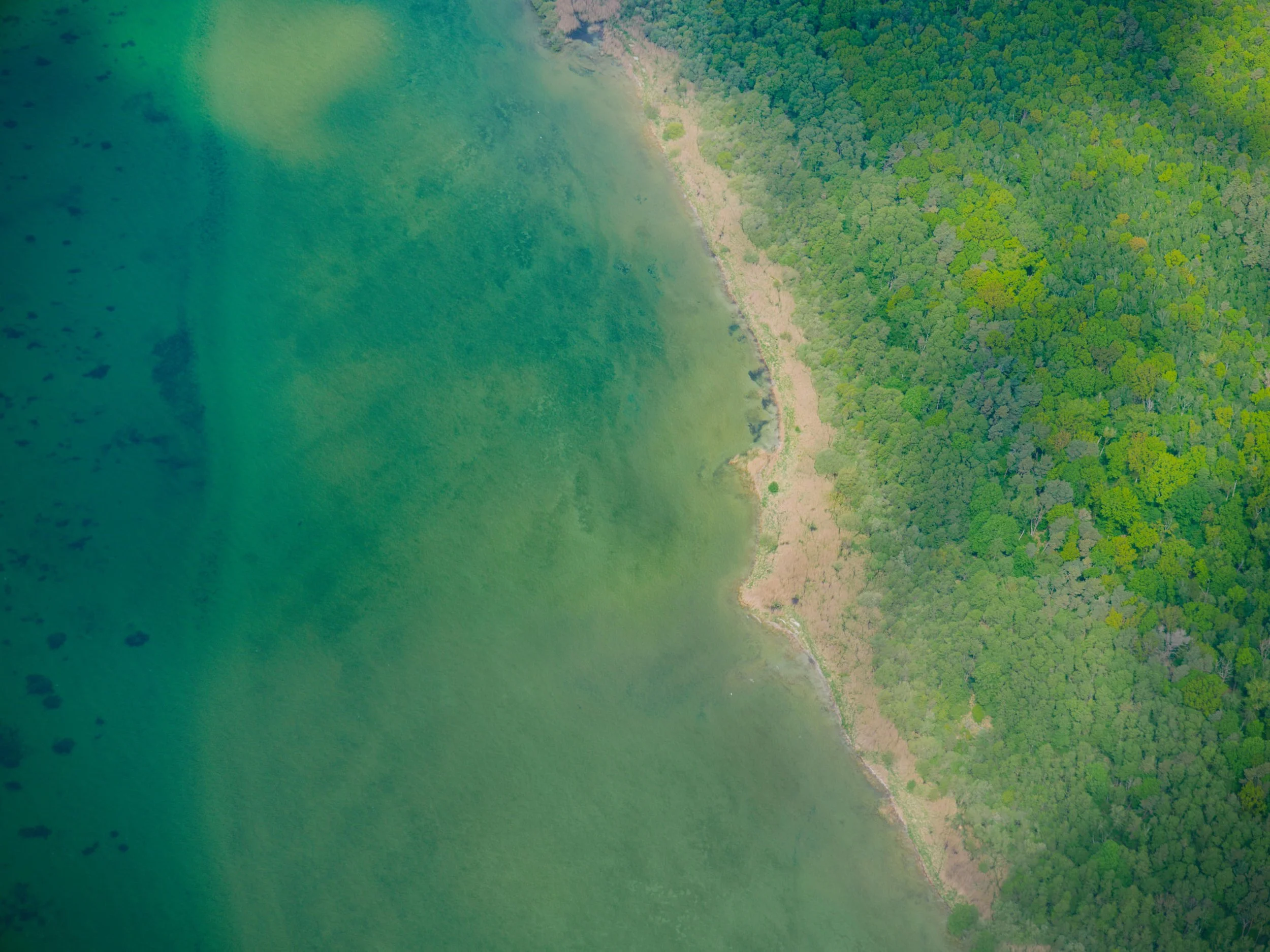
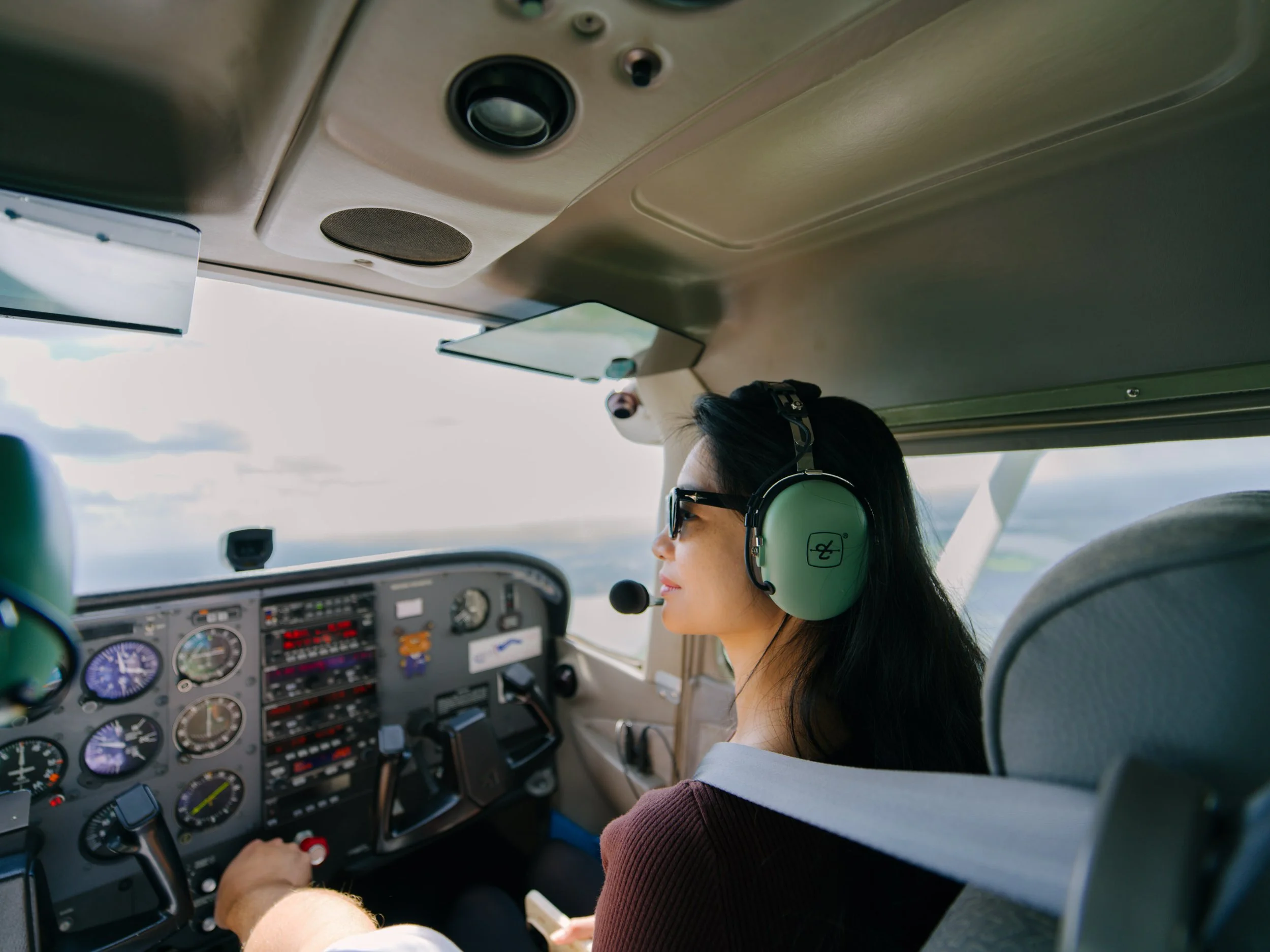
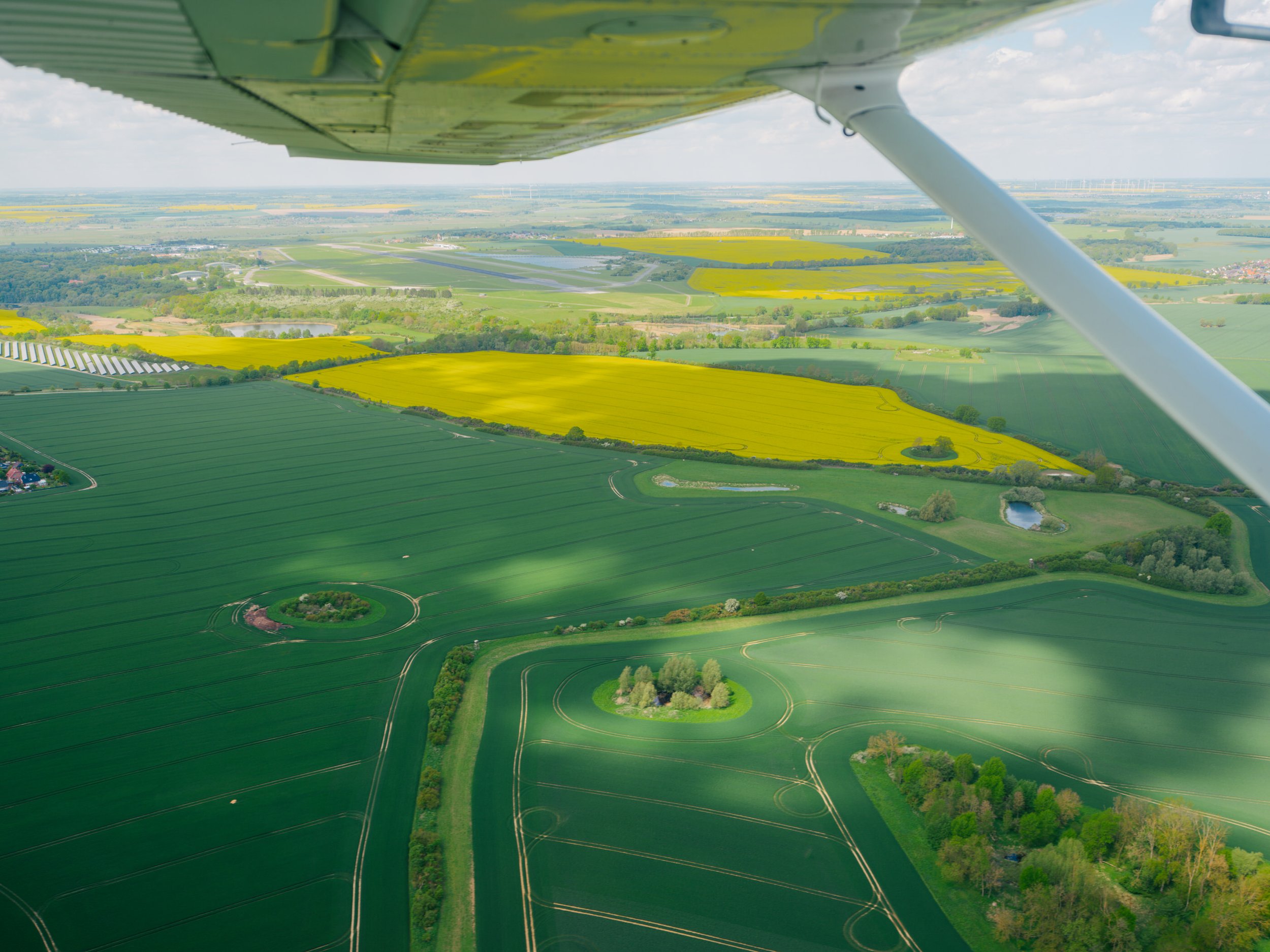
To truly understand the scale of the region, we took a scenic flight over the Mecklenburg Lake District. From above, the landscape transformed into a breathtaking mosaic of lakes, forests, rivers, and farmland. It was only then that we realized just how vast this place really is.
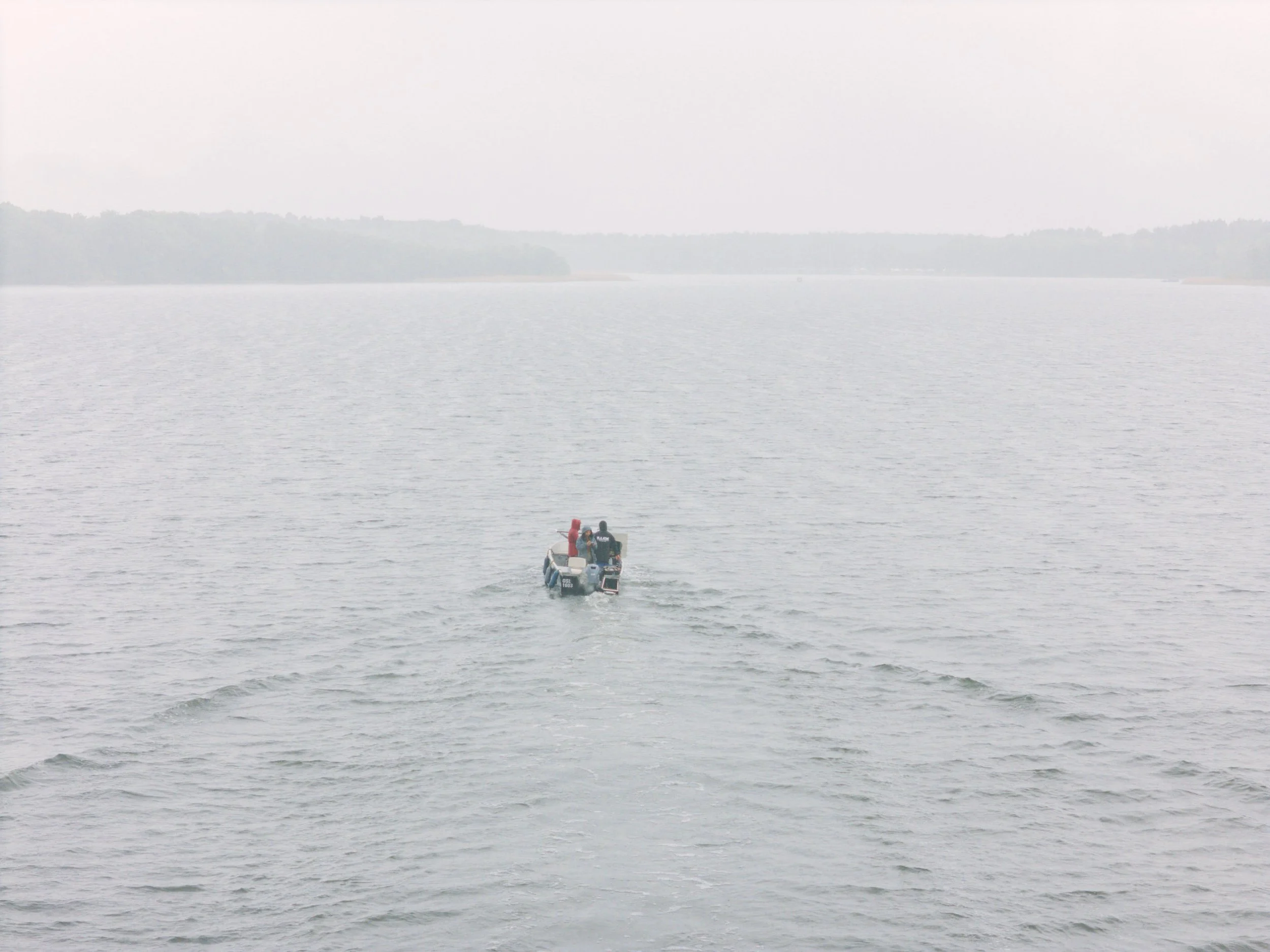
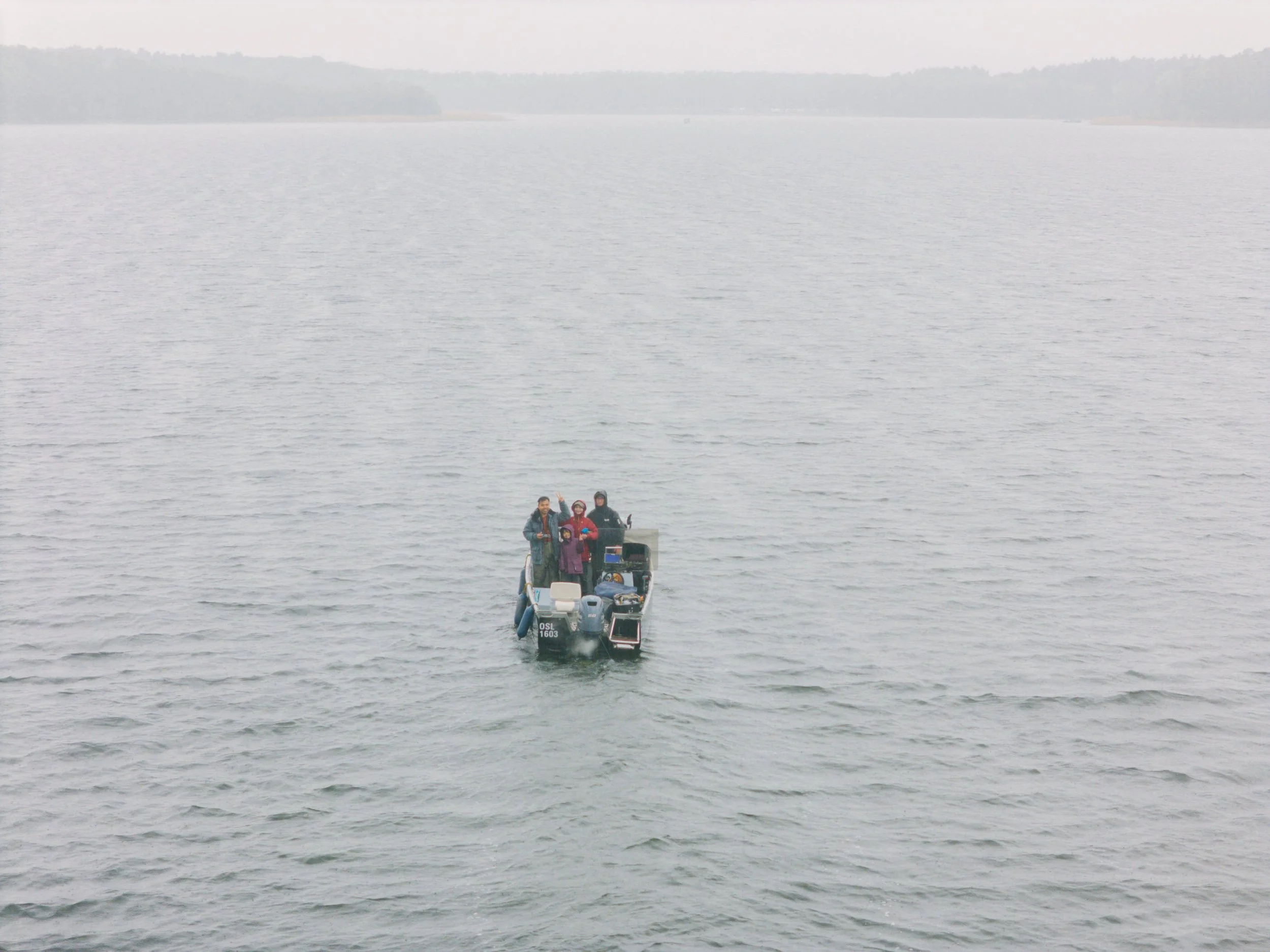
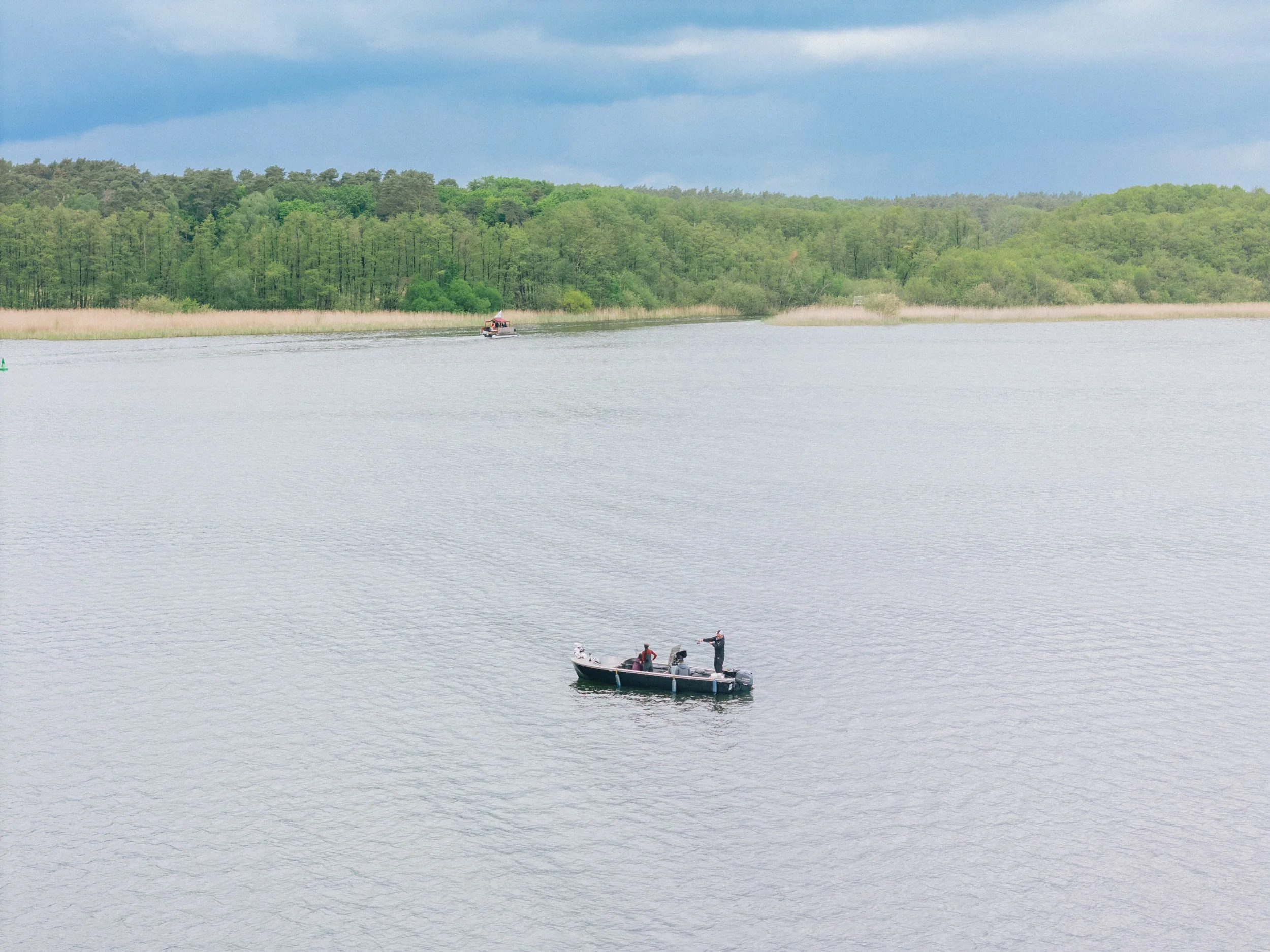
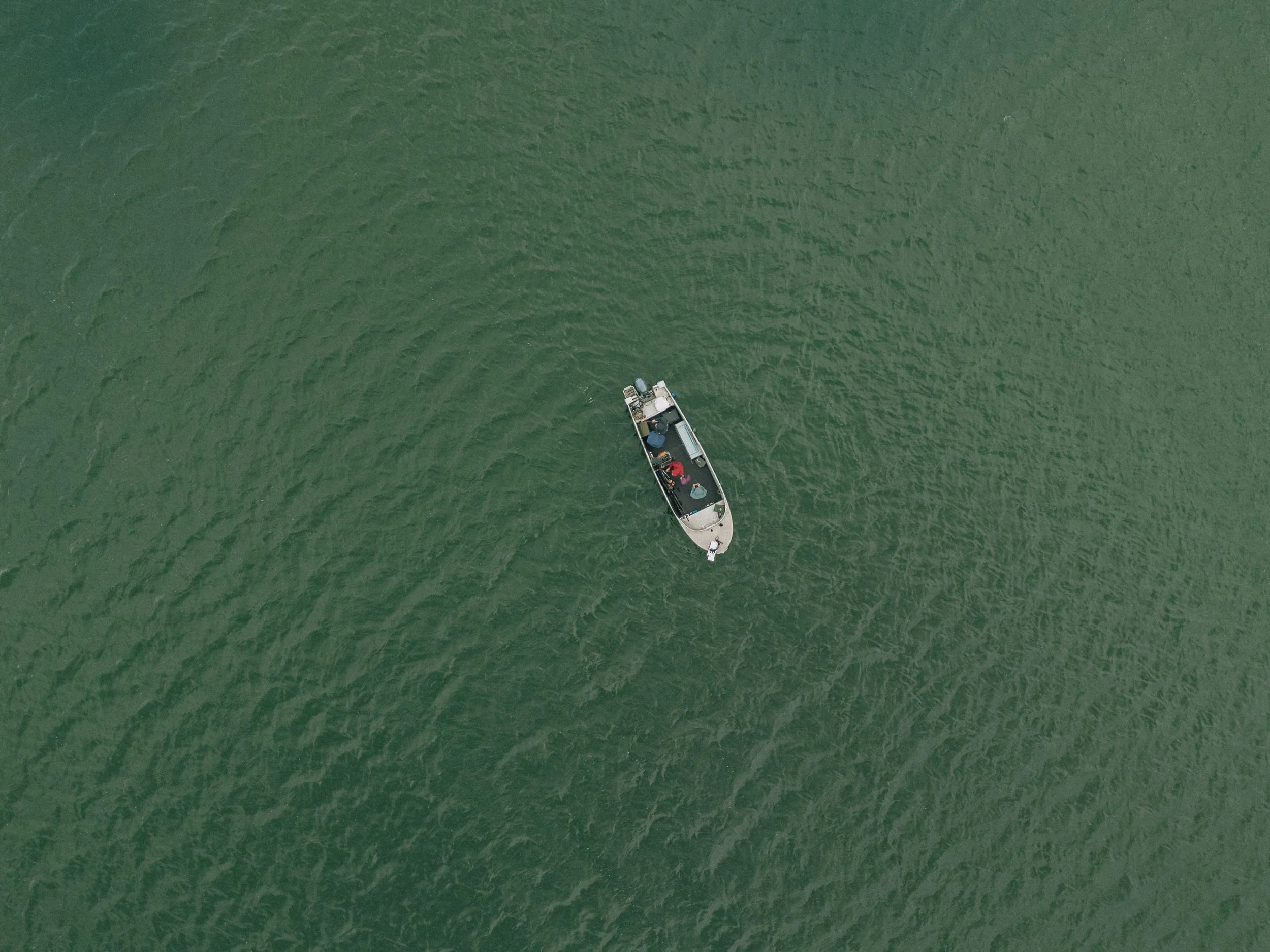
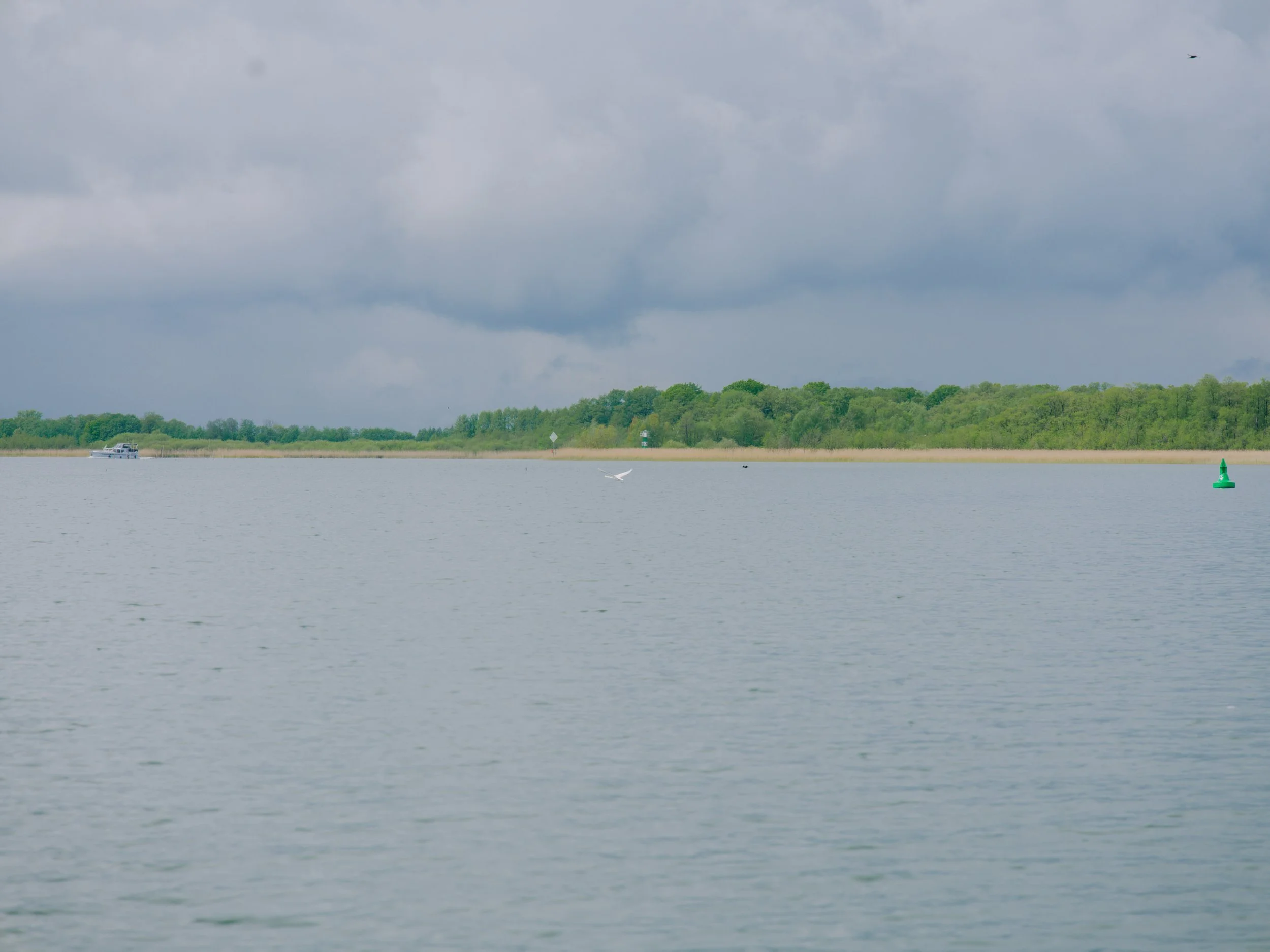
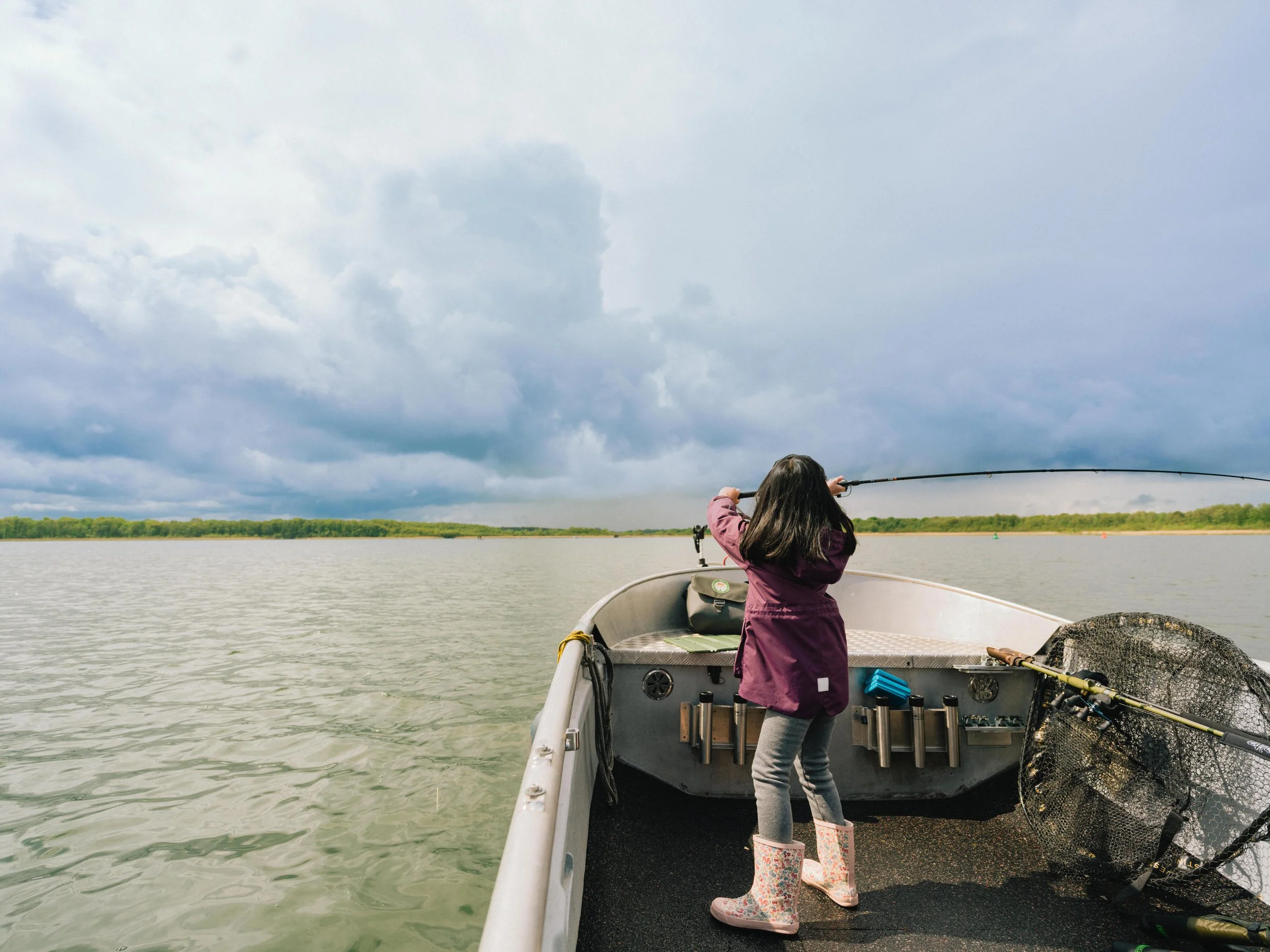
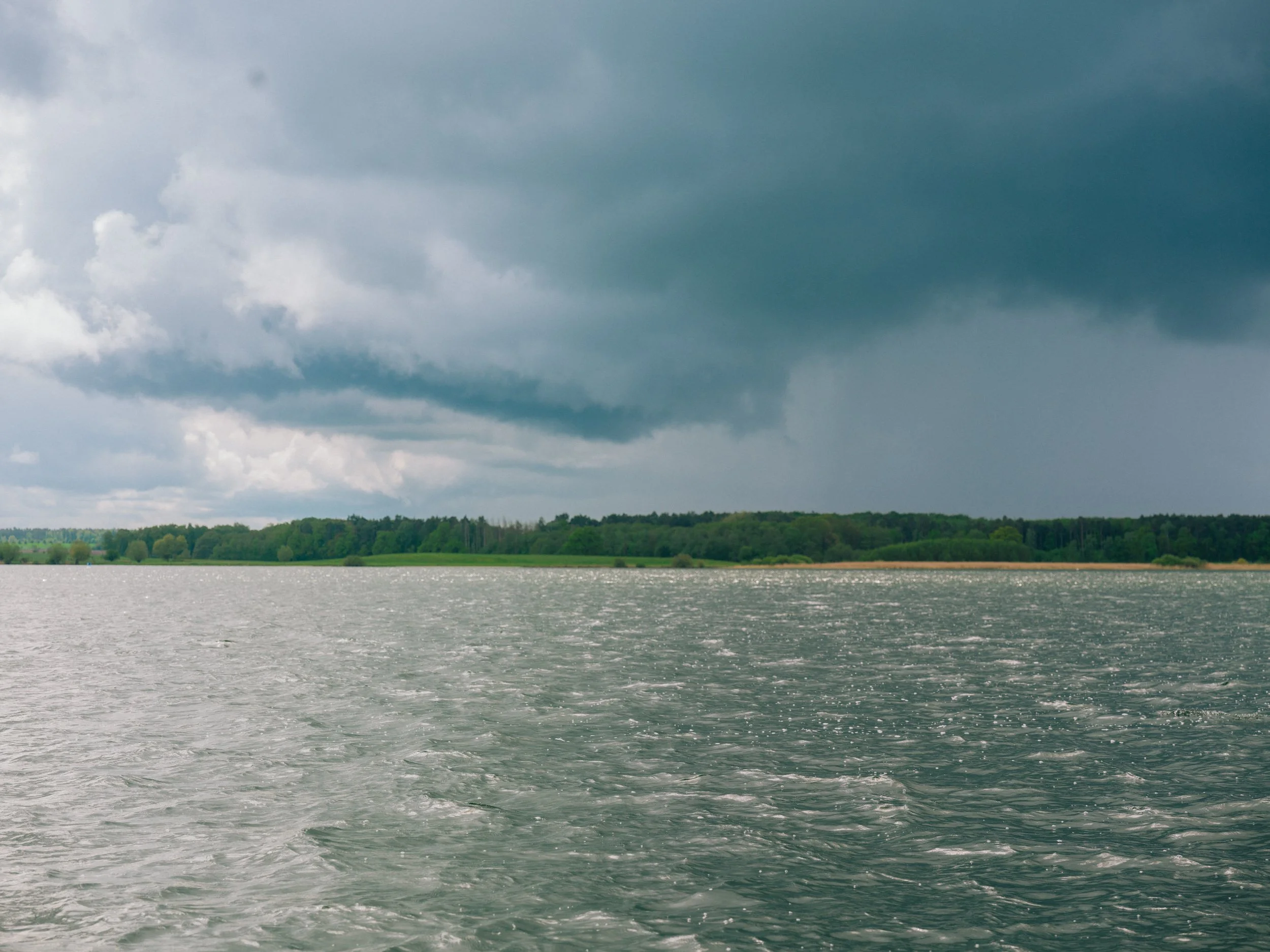
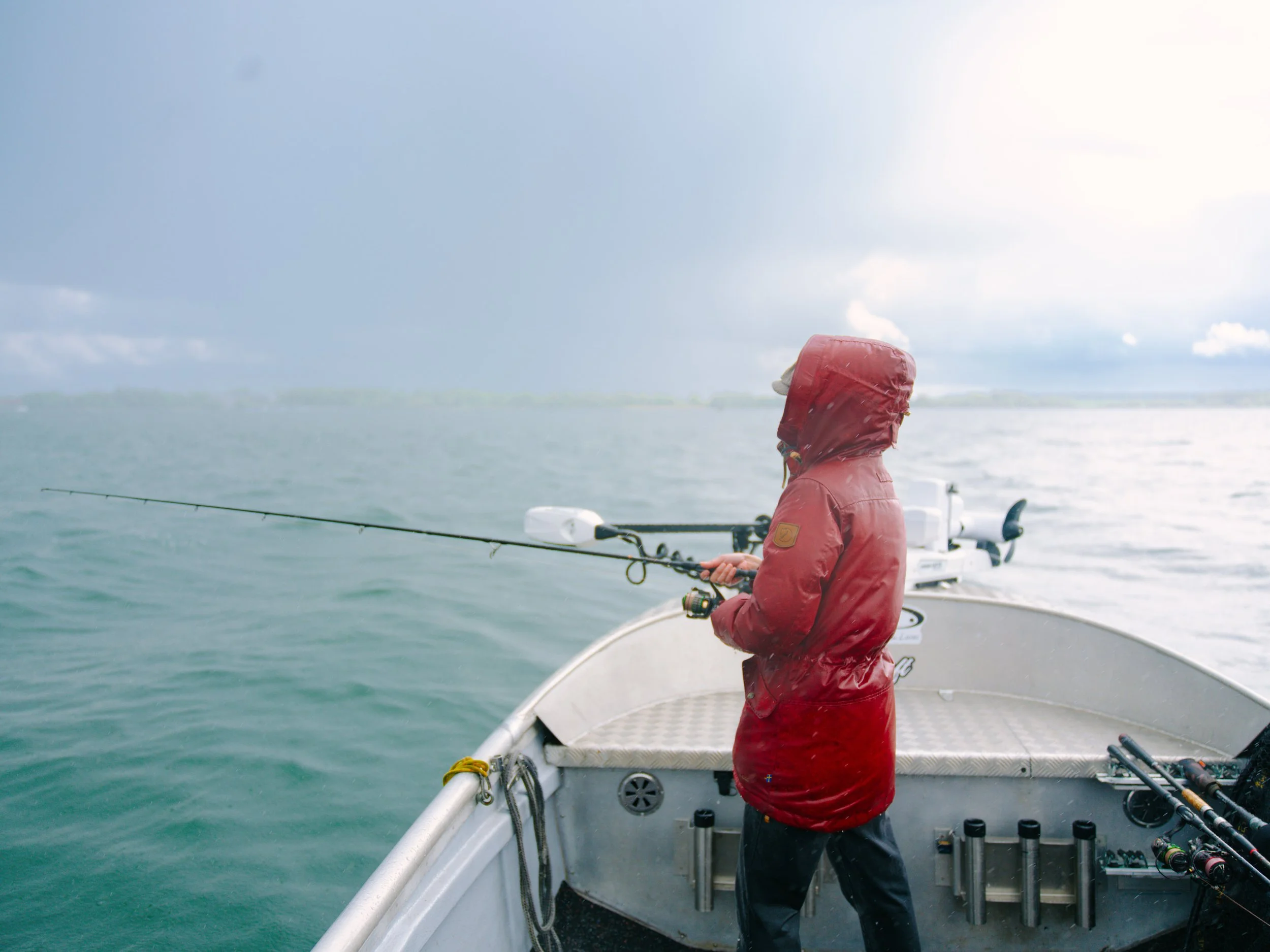
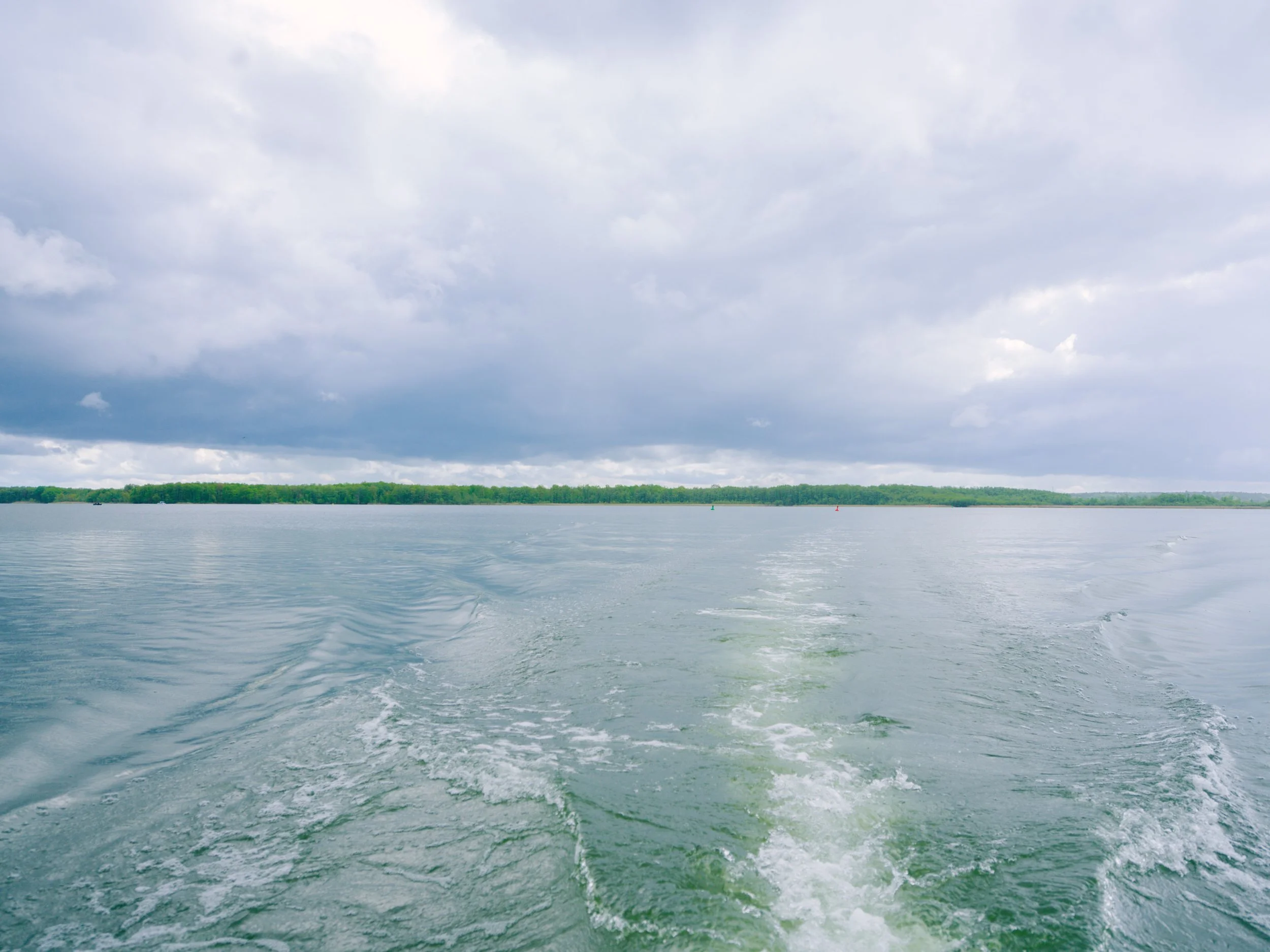
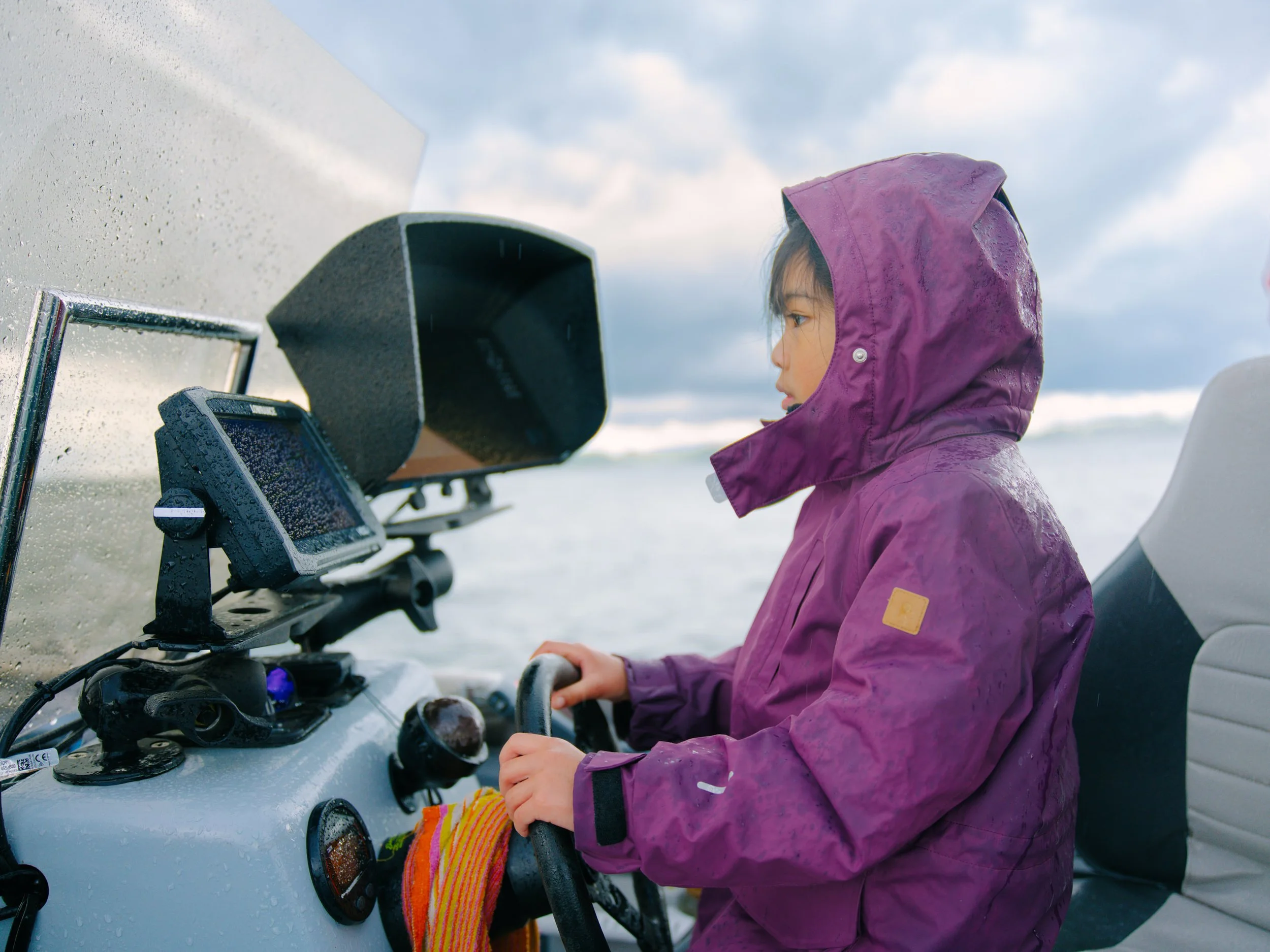
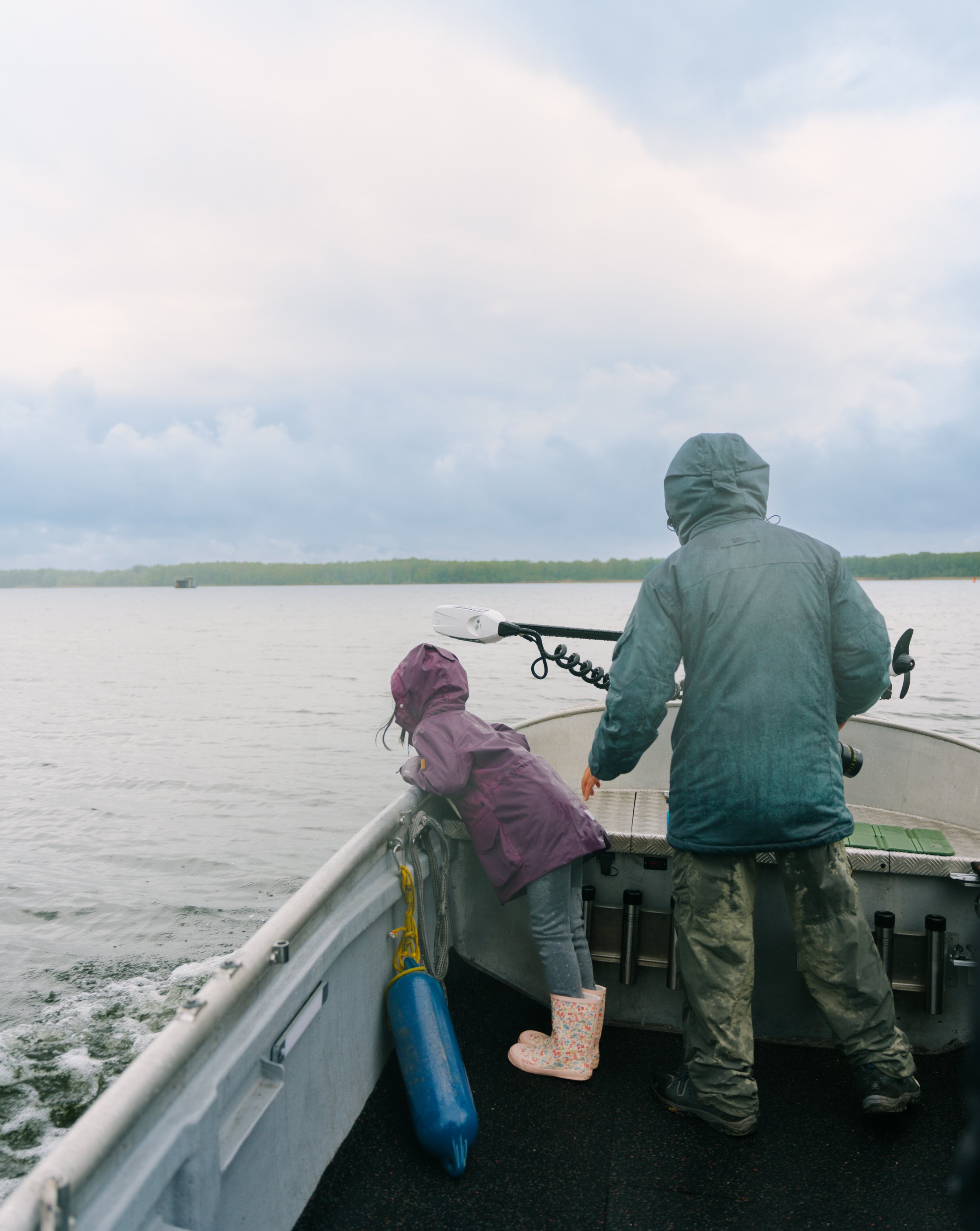
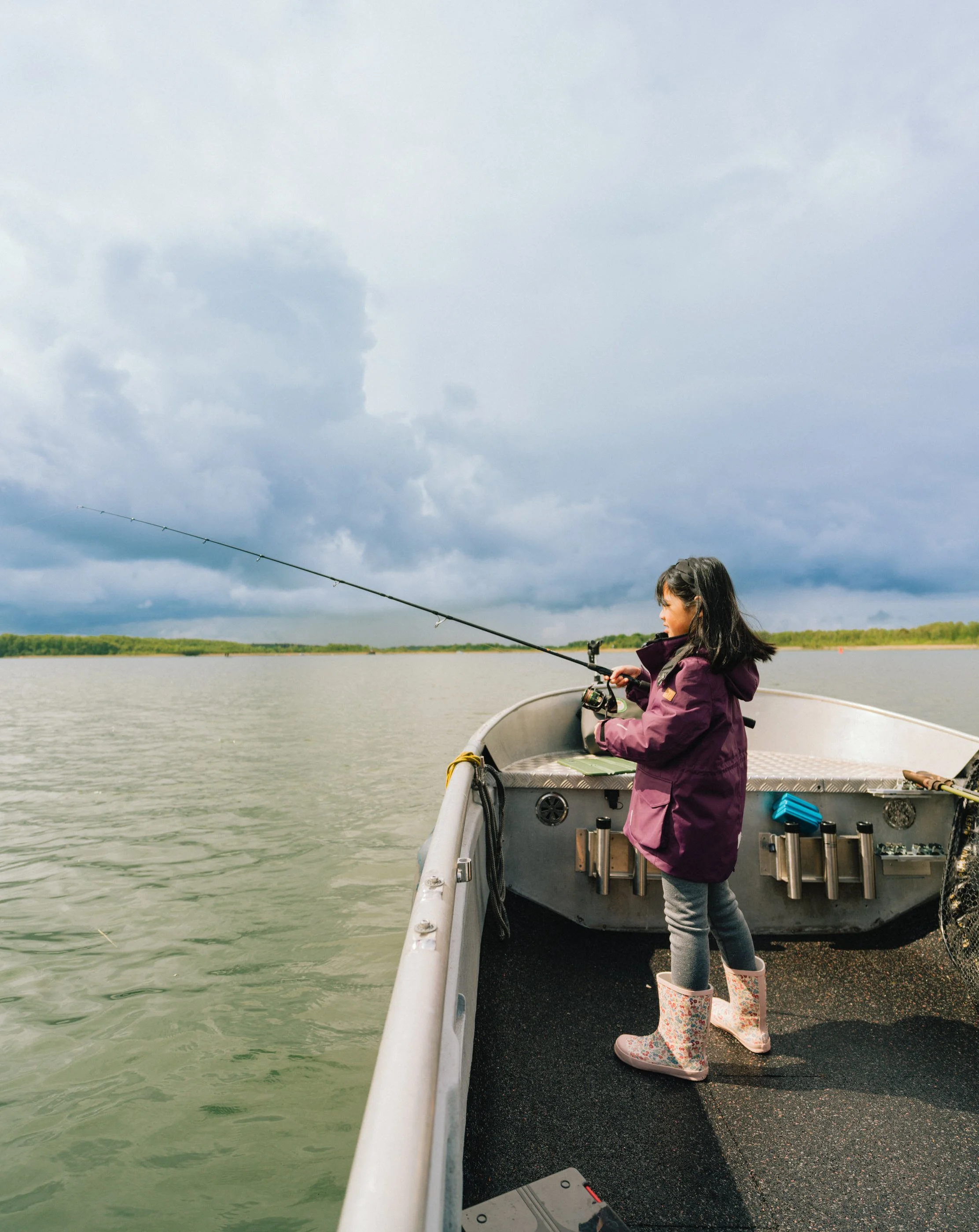
Back on the ground, we explored Lake Müritz, Germany's largest lake entirely within the country. A fishing trip with our guide Tim taught us not only different fishing techniques but also how to read the lake itself - its winds, its depth, and its rhythm. After a day of constantly changing weather, from brilliant sunshine to torrential rain and back again, we landed an unforgettable catch: a 77 cm northern pike.
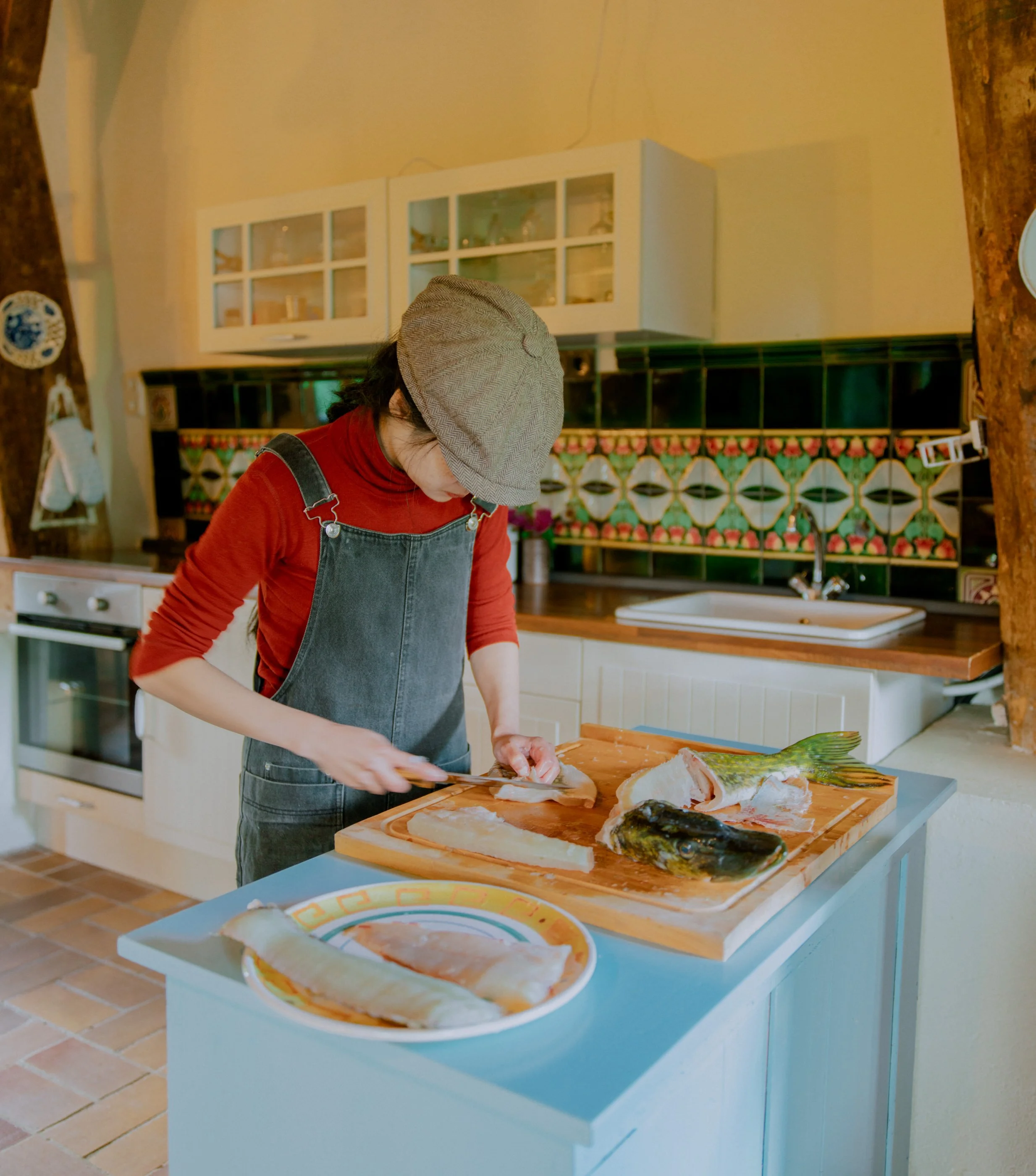
That fish later became our lunch.
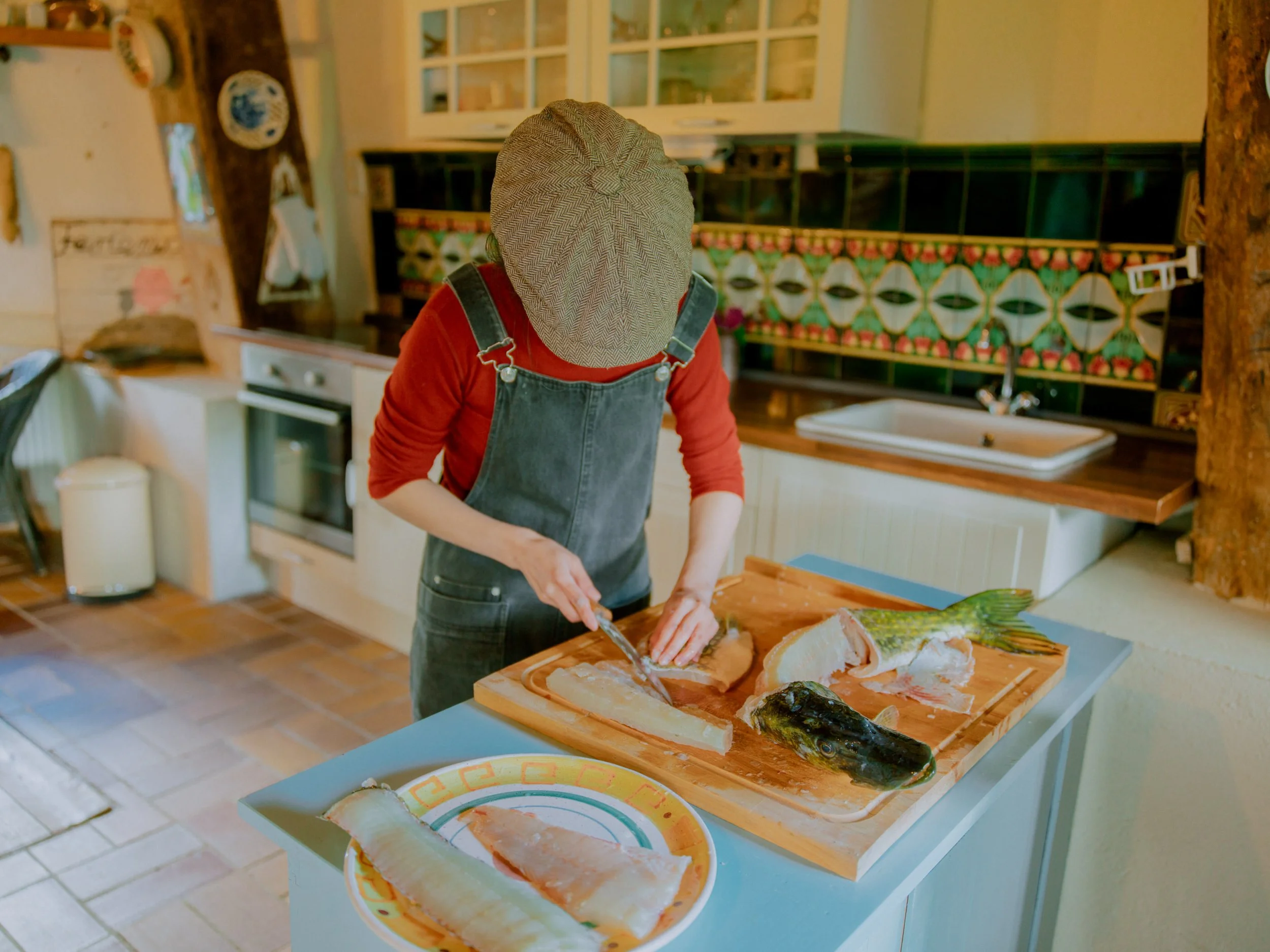
Cleaning and filleting it for the first time was... let's say, an experience. You can definitely see my hesitation in the footage, but I wouldn't edit that out for anything. Those imperfect moments are what make travel feel real.
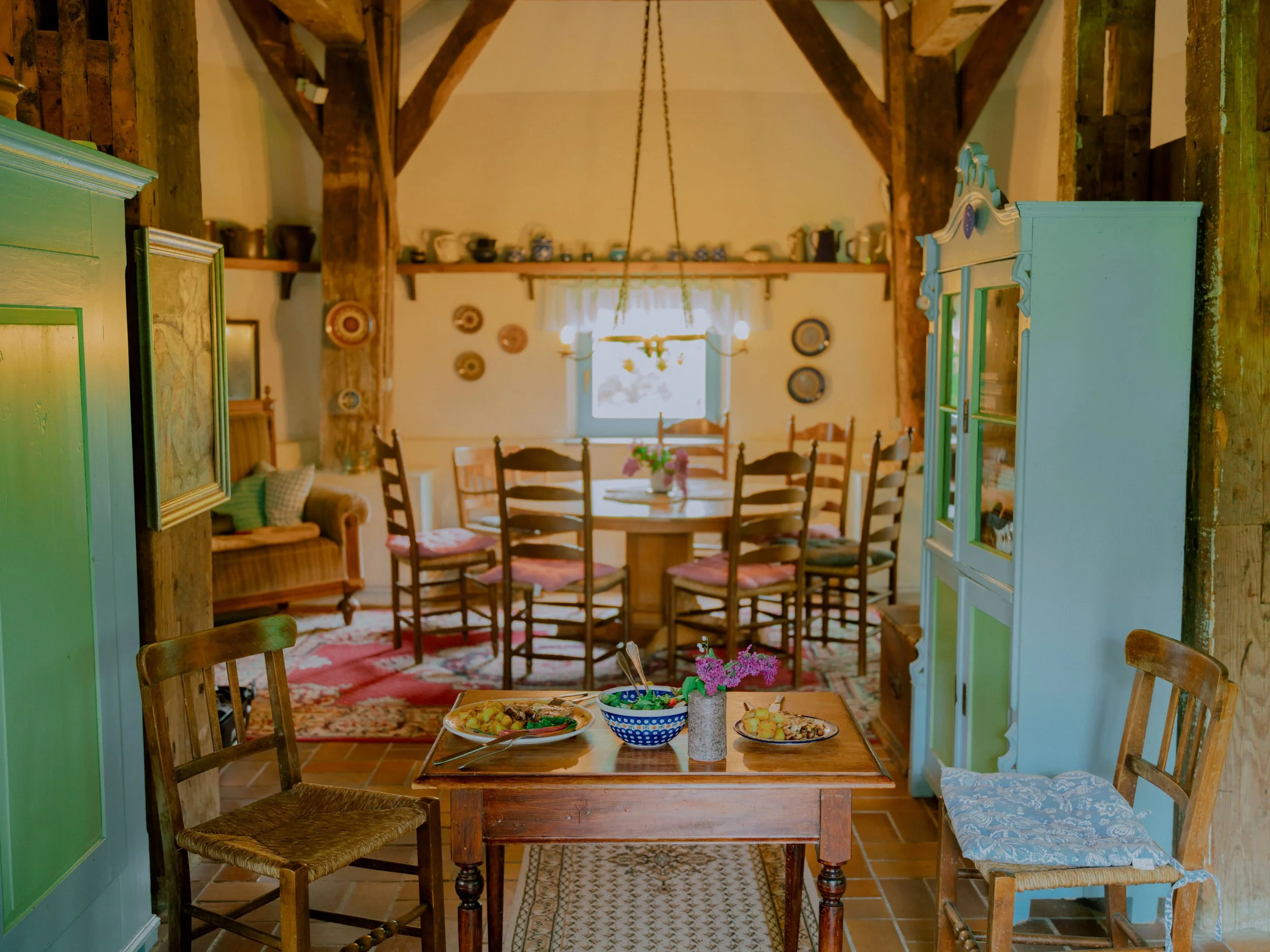
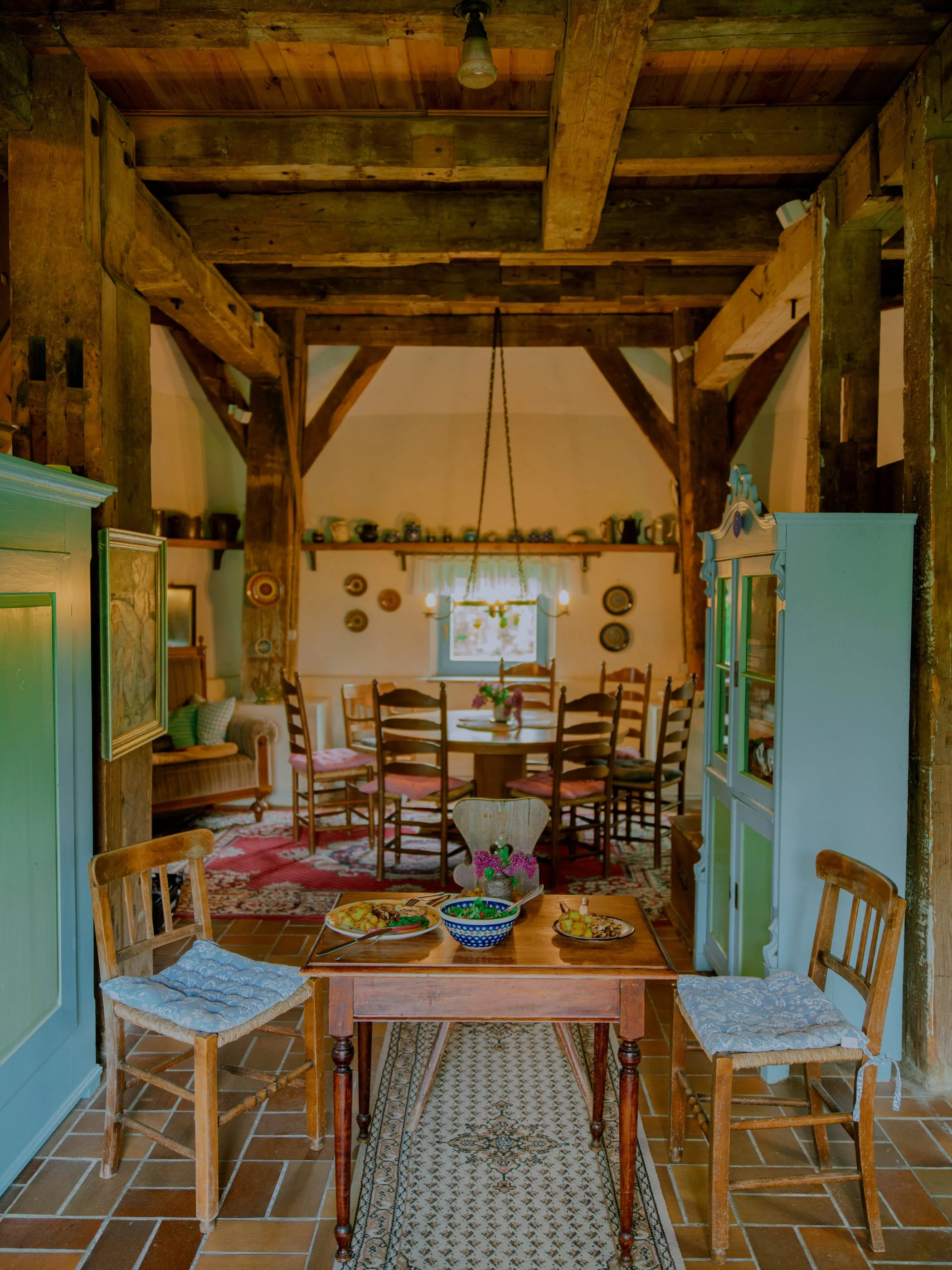
Lunch couldn't have been more local: buttery pan-fried potatoes, sautéed mushrooms, poached Swiss chard, a fresh salad with quick-fermented horseradish, bell peppers and lettuce, and our freshly caught pike prepared two ways - pan-fried in butter and coated in crispy panko breadcrumbs.
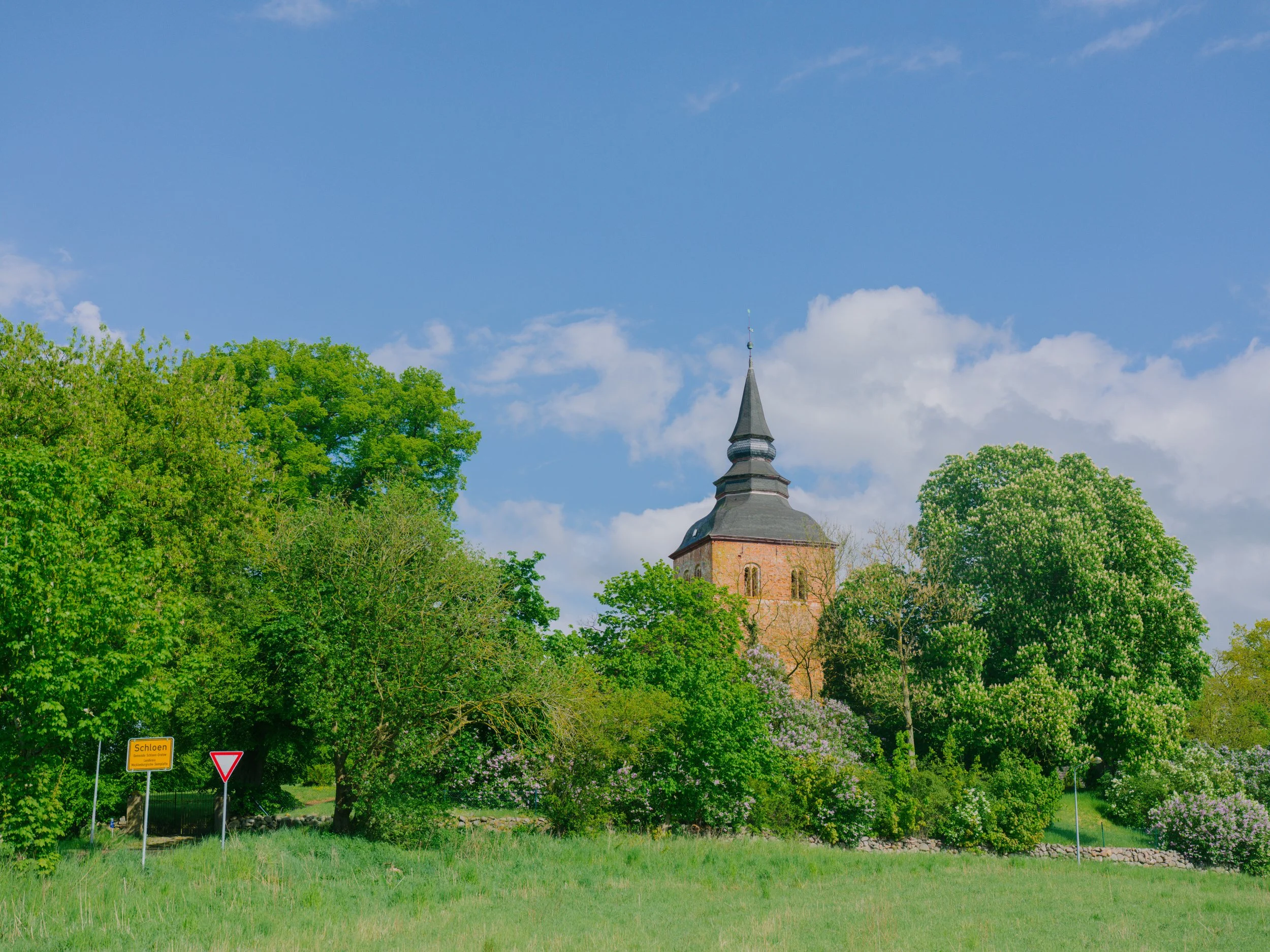
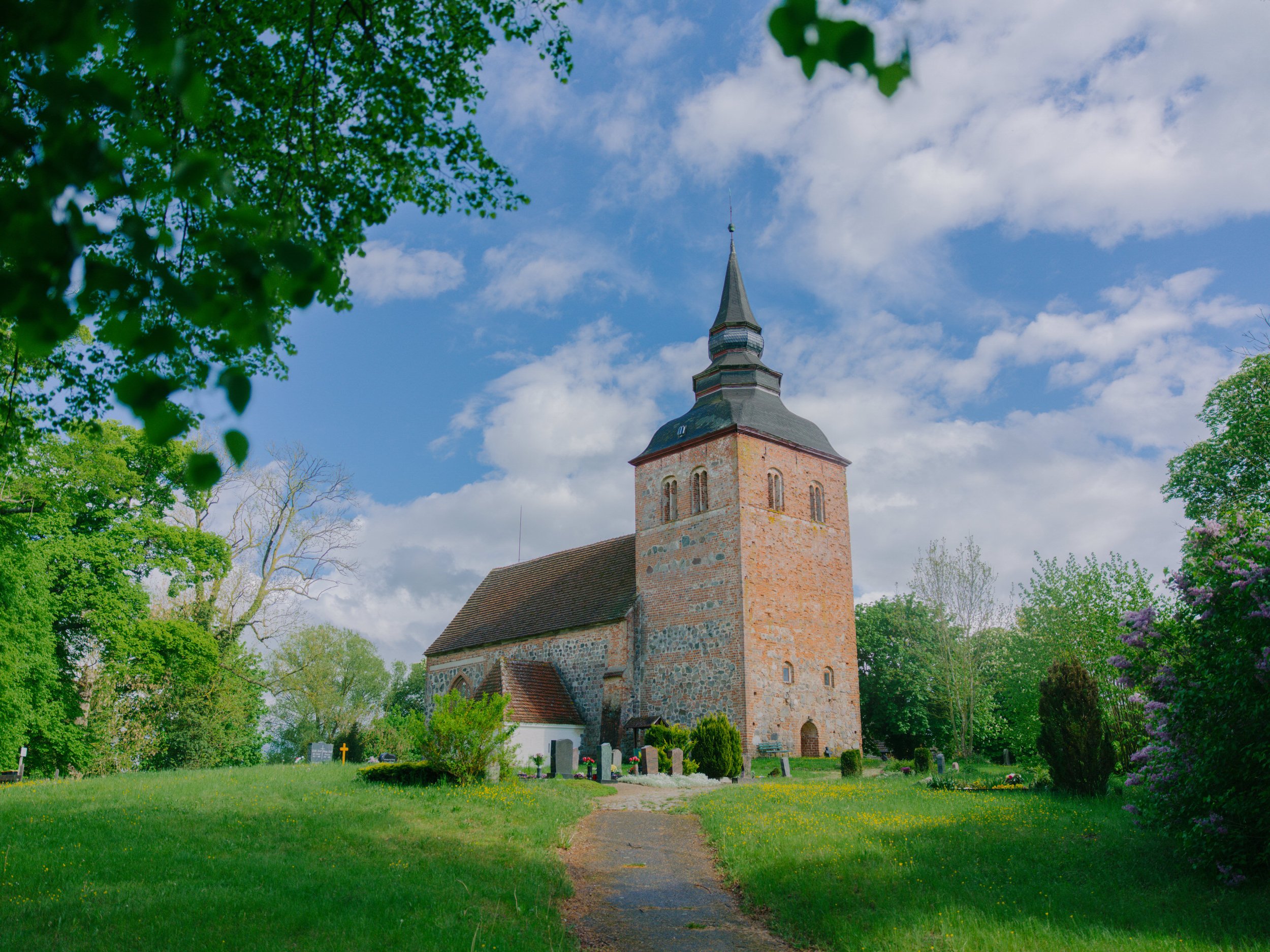
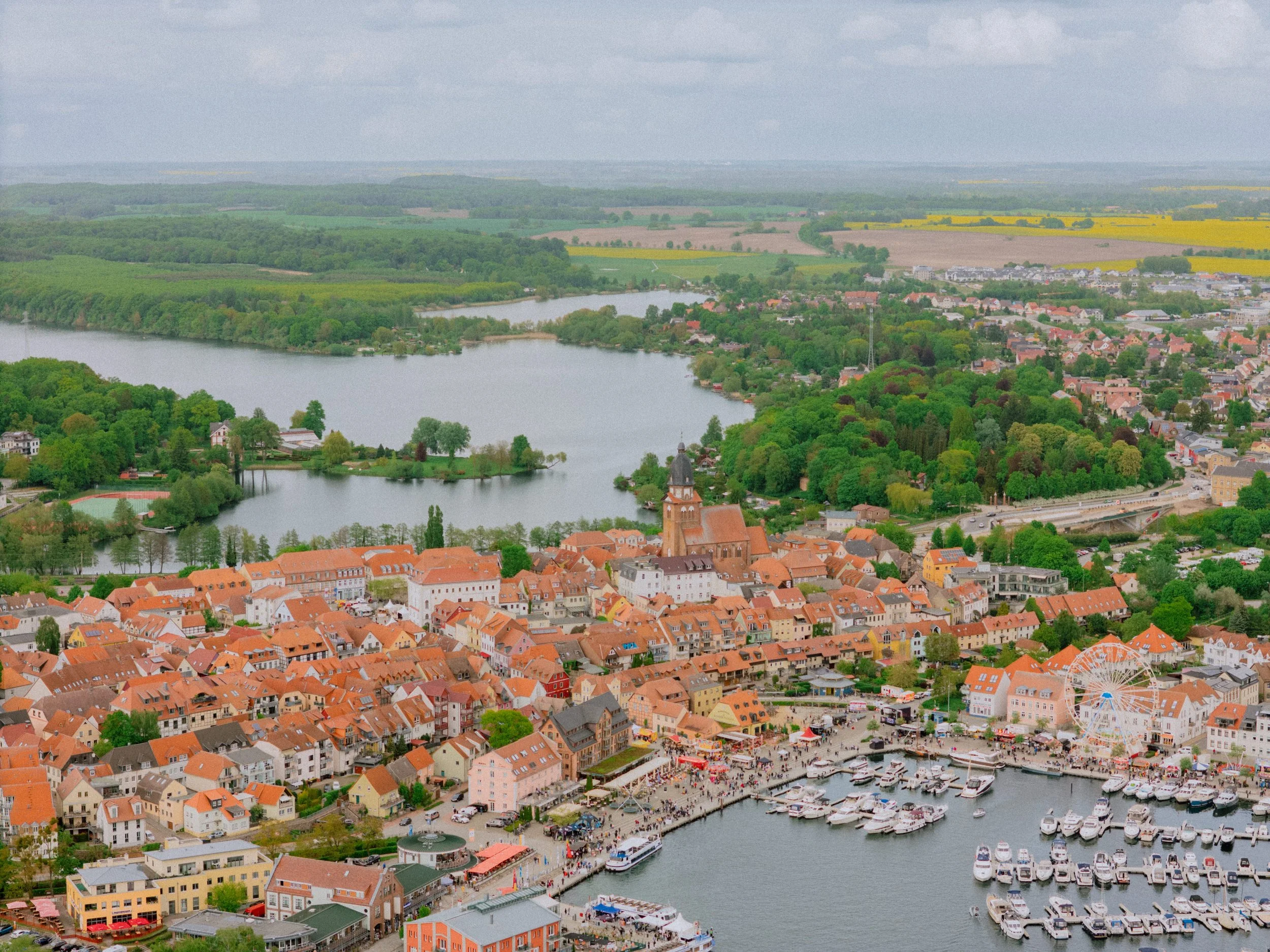
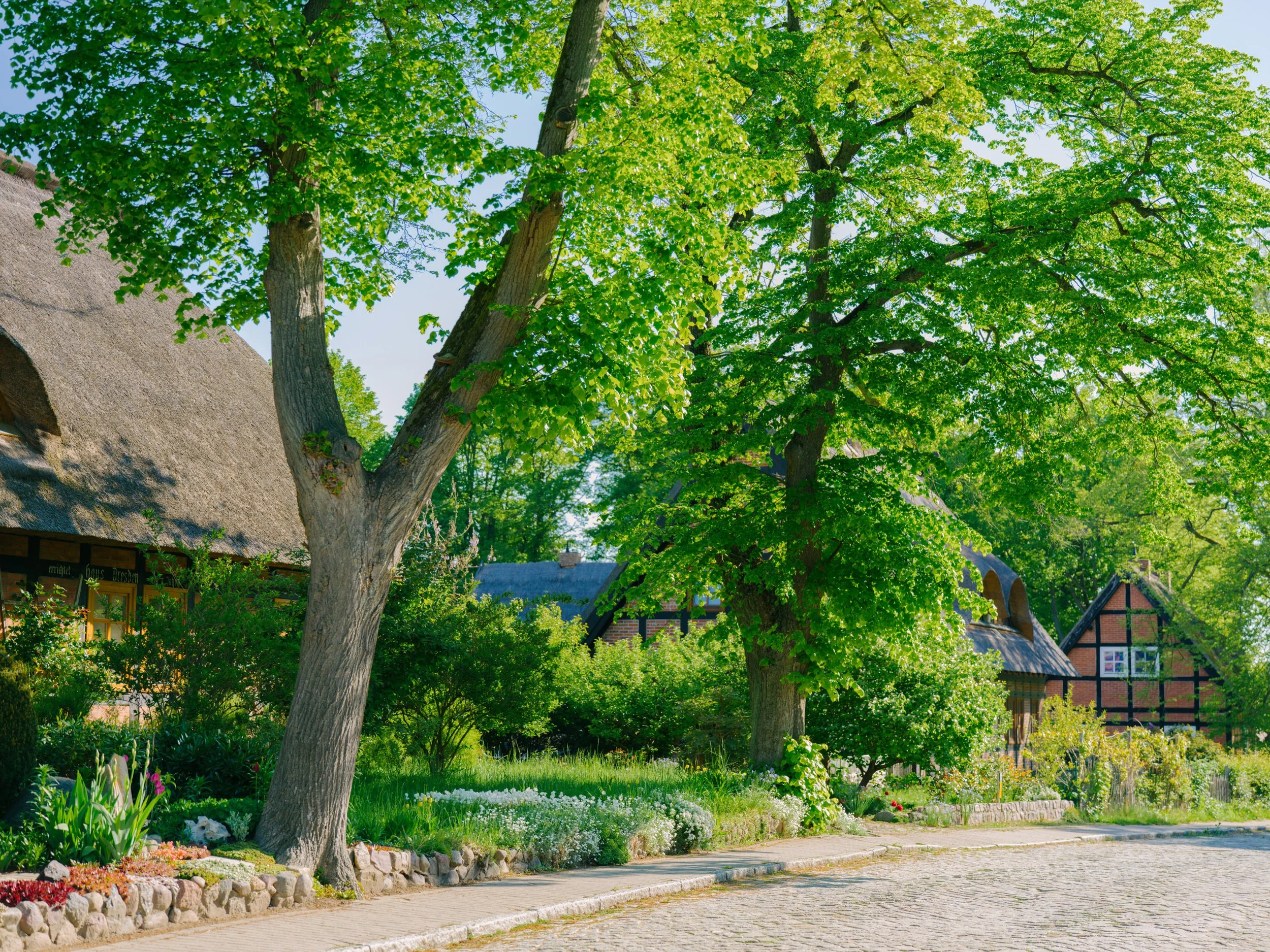
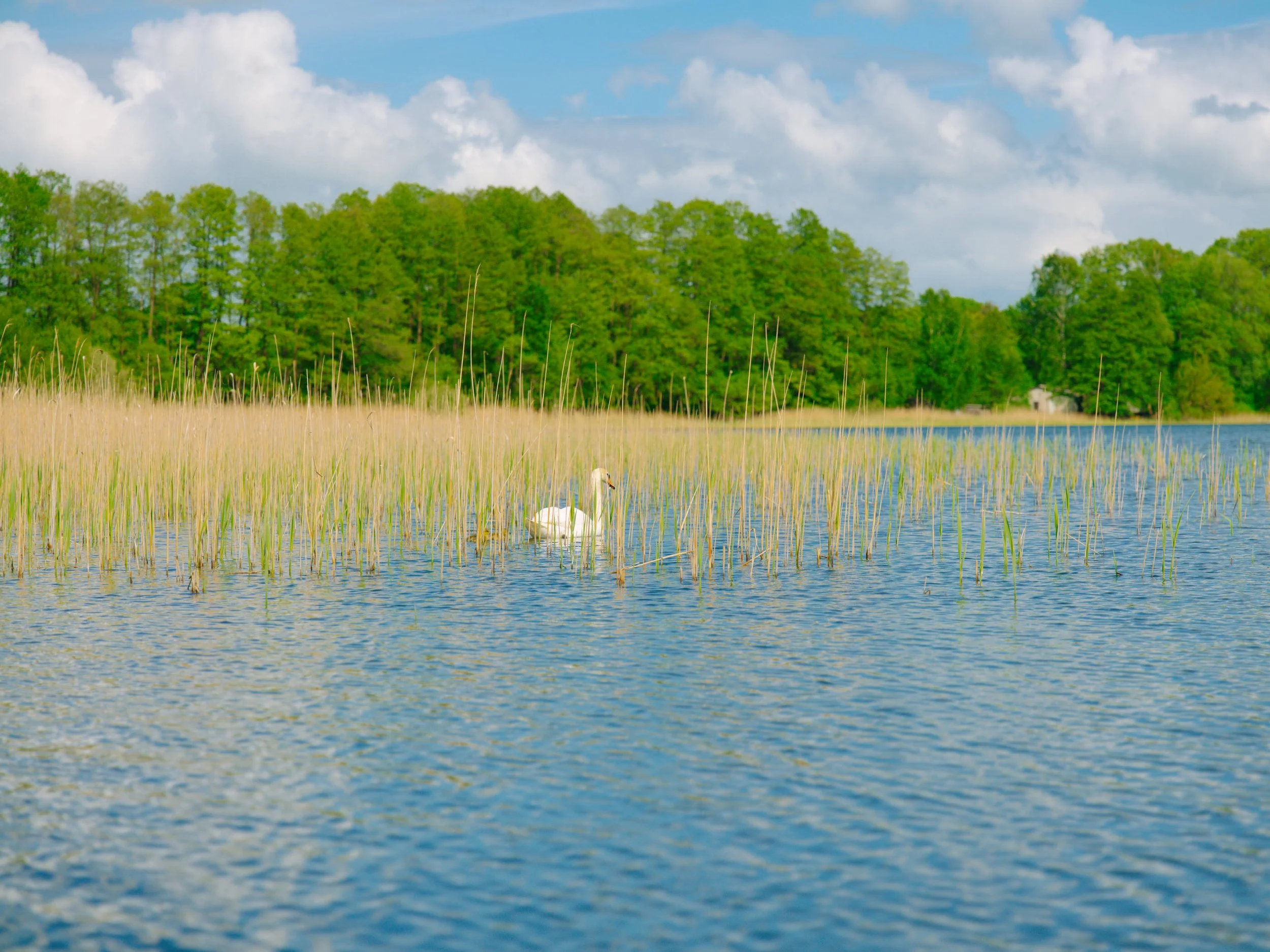
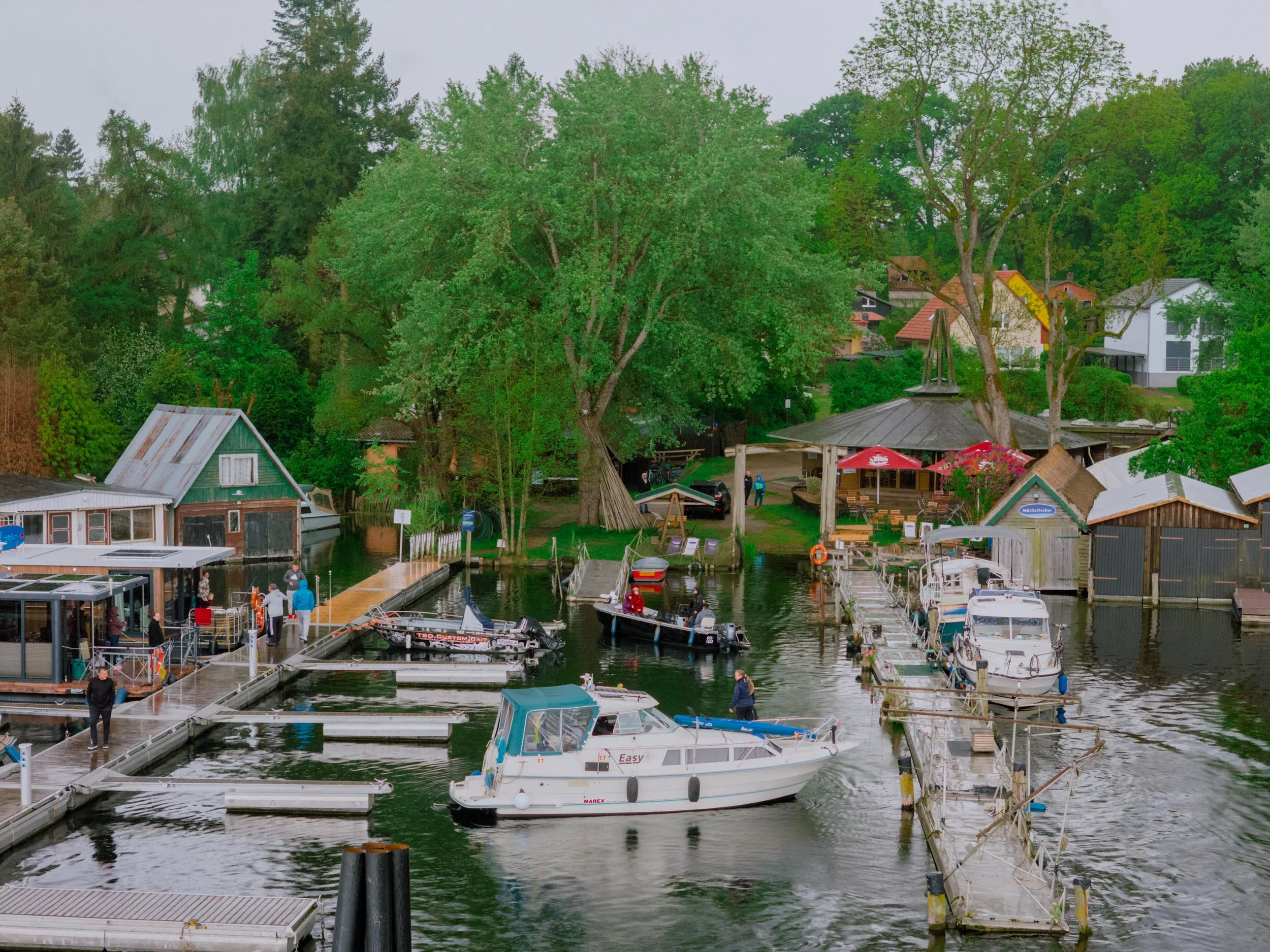
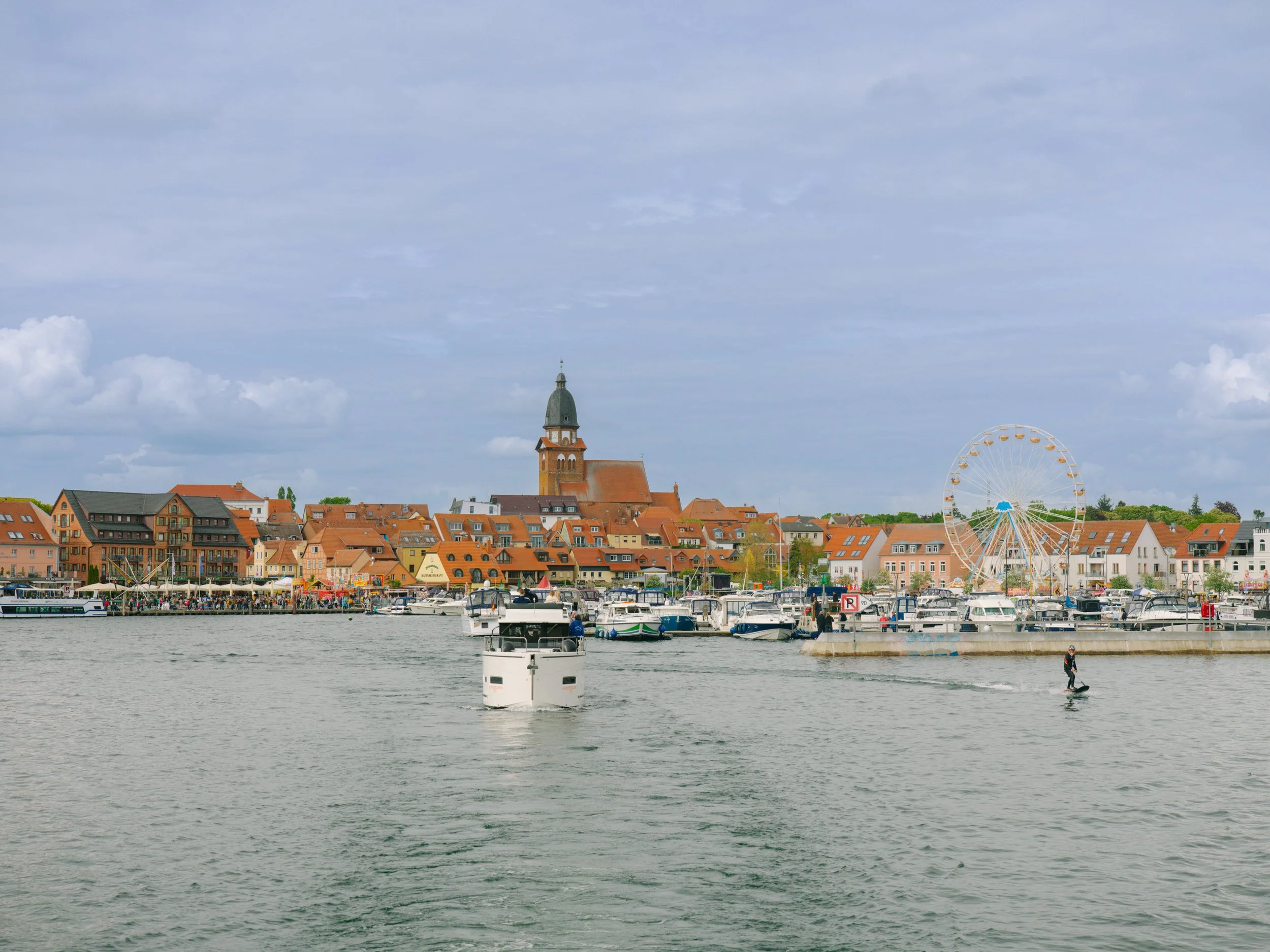
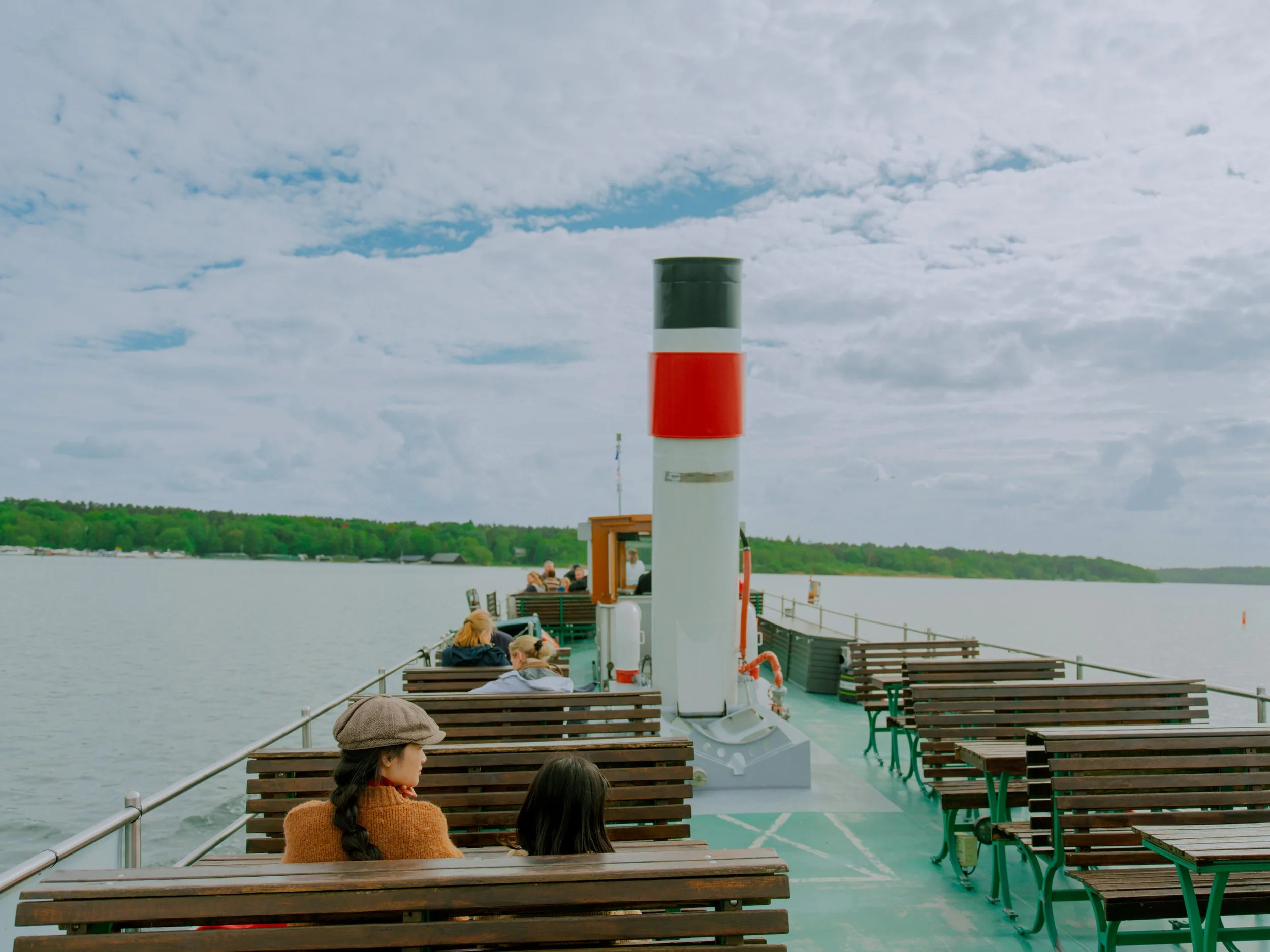
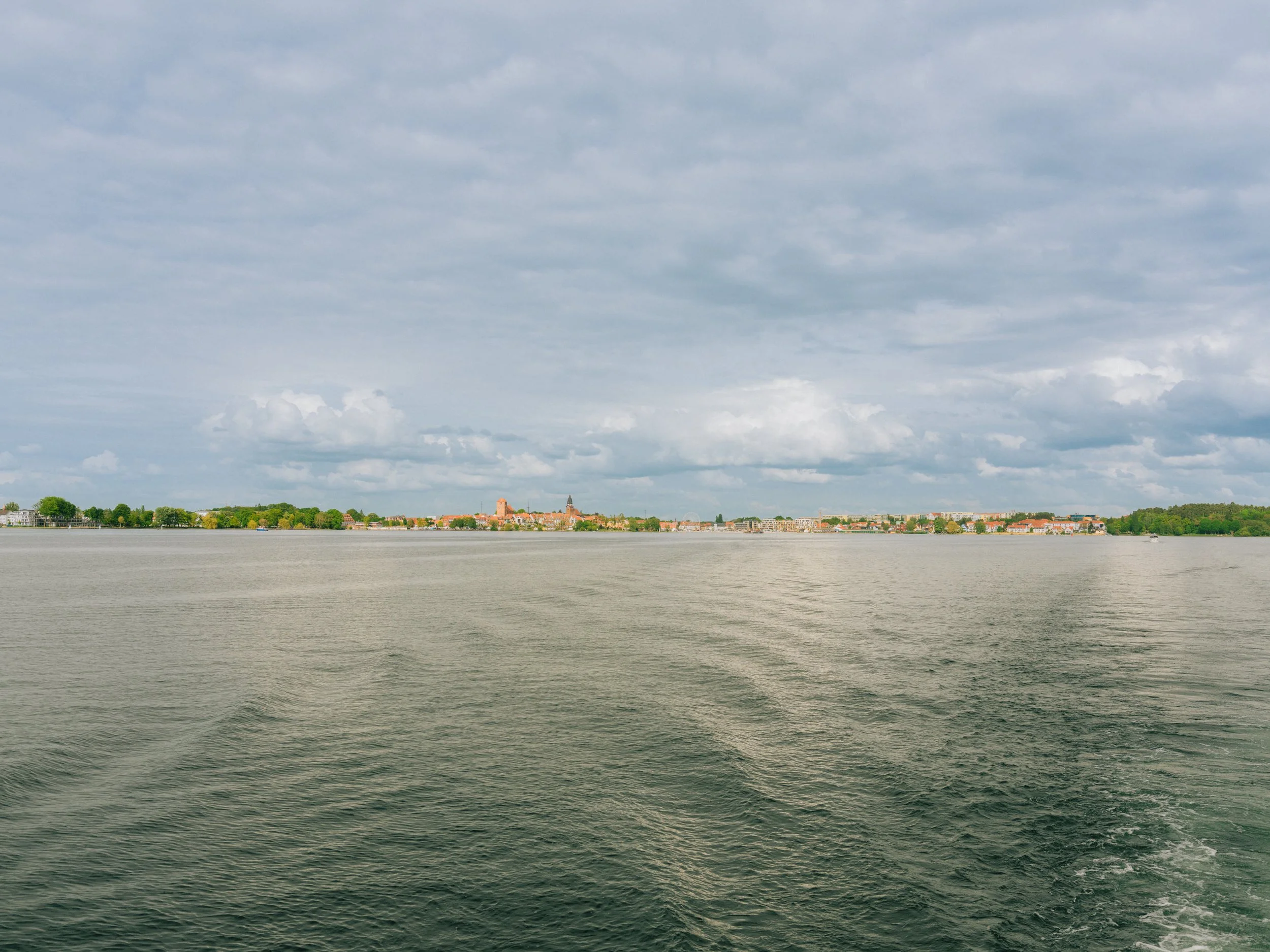
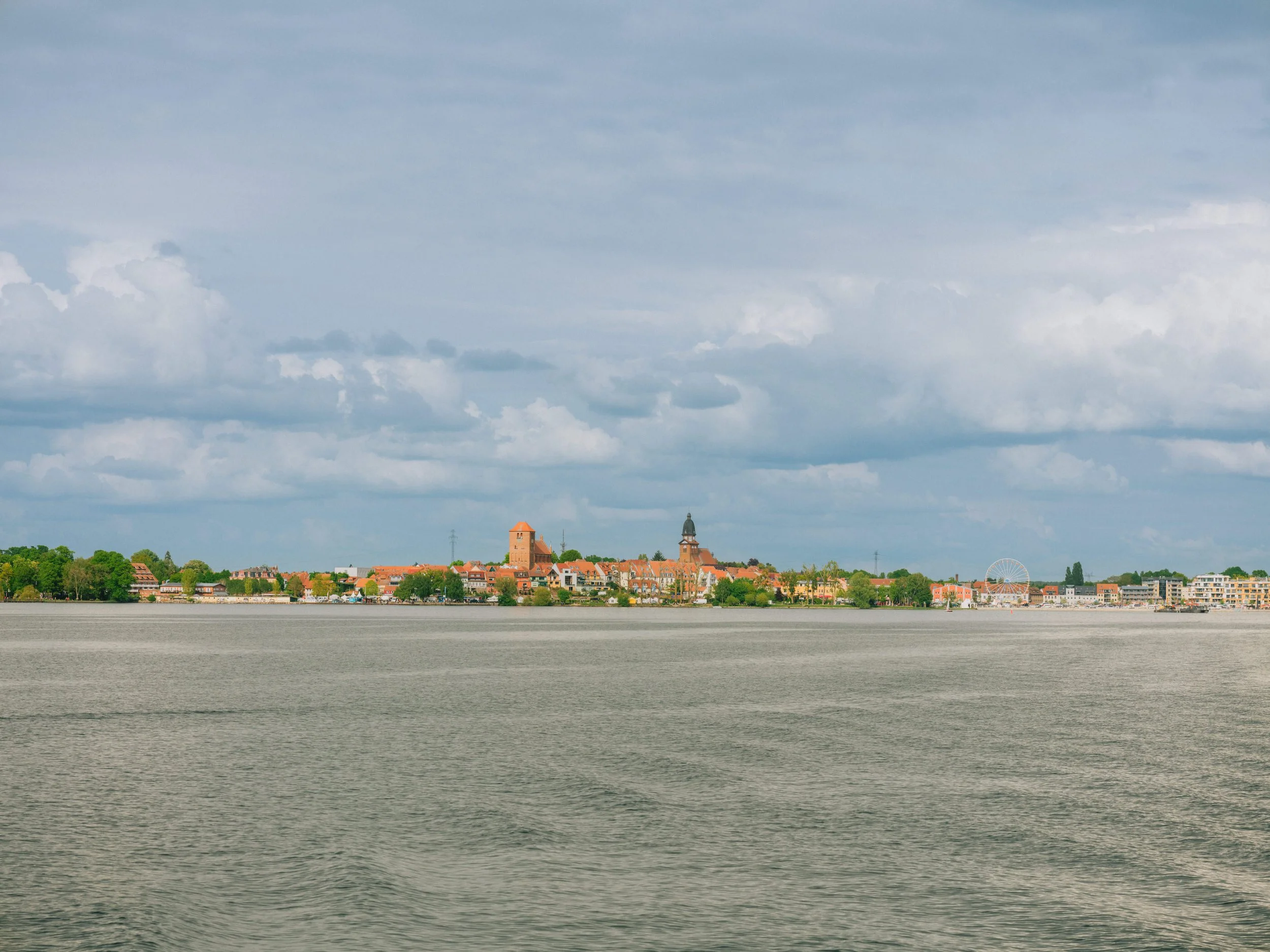
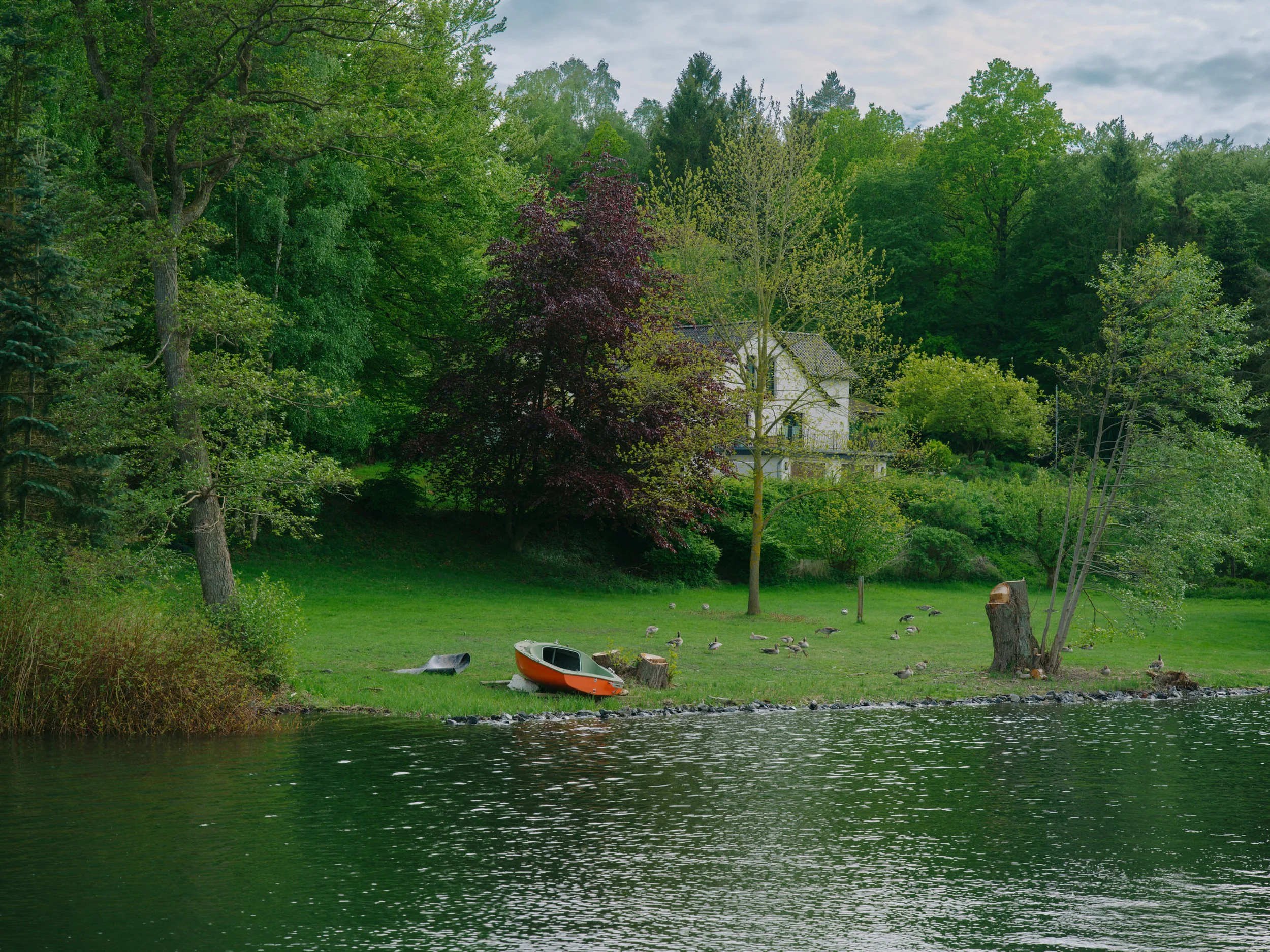
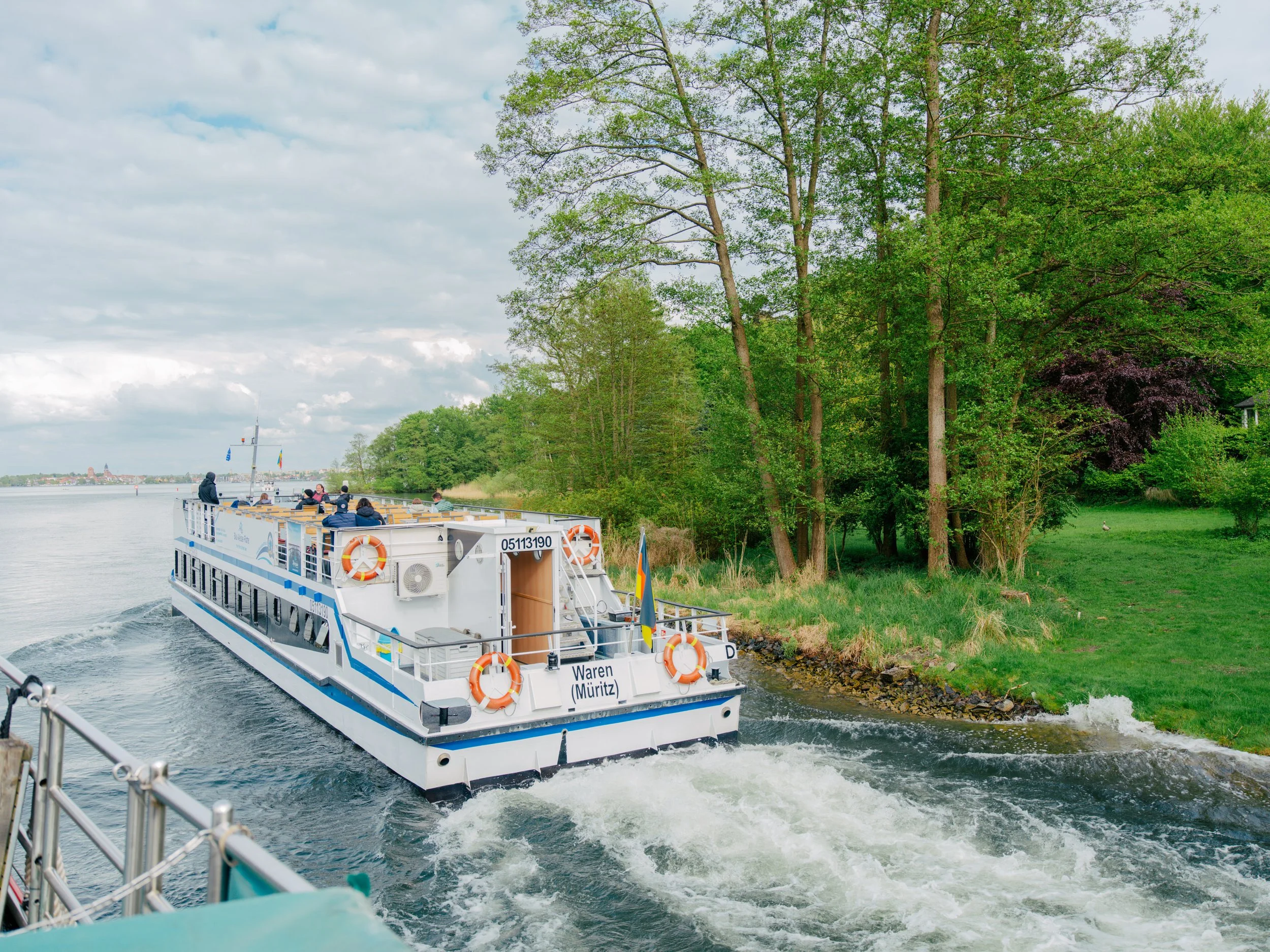
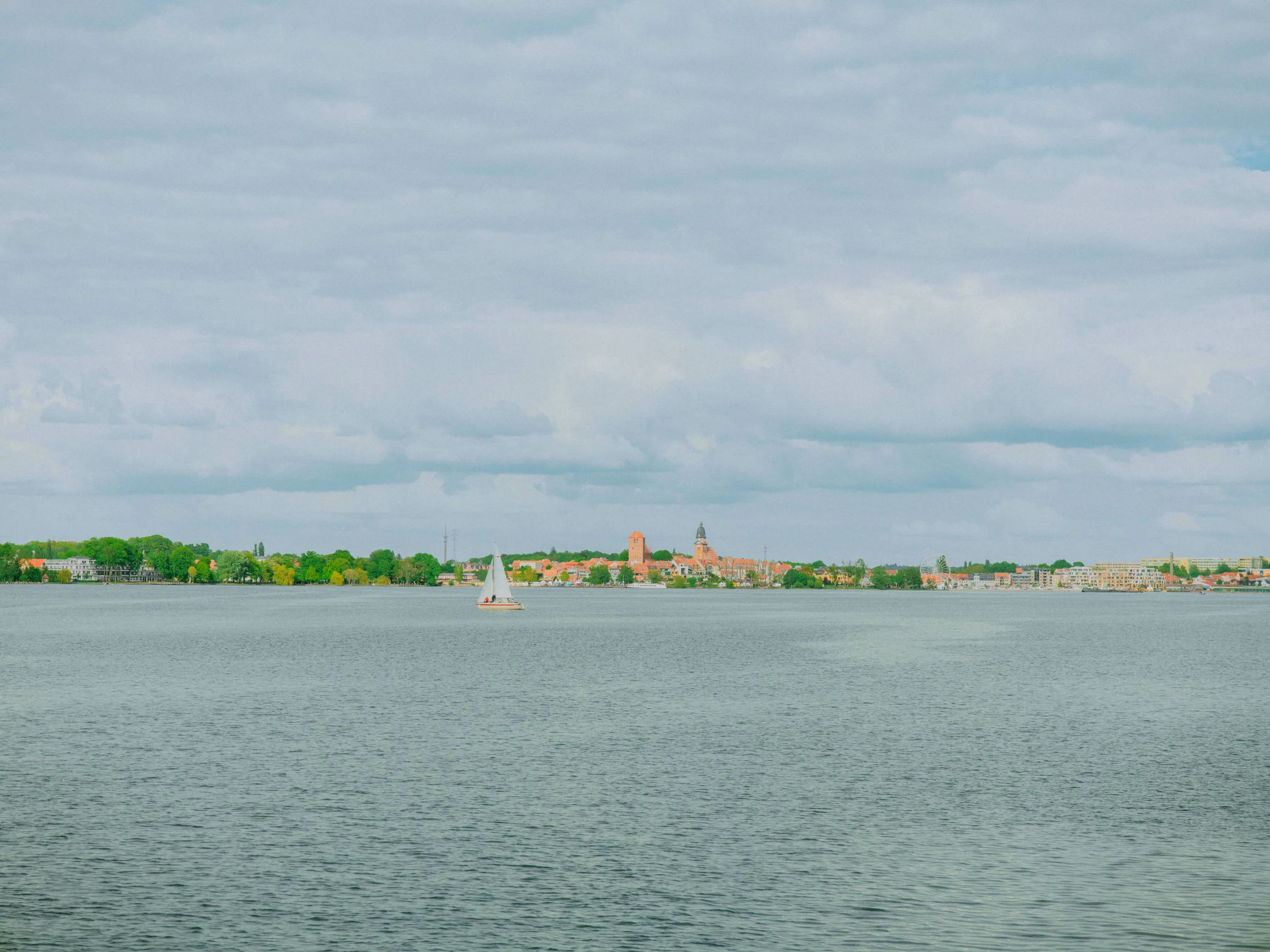
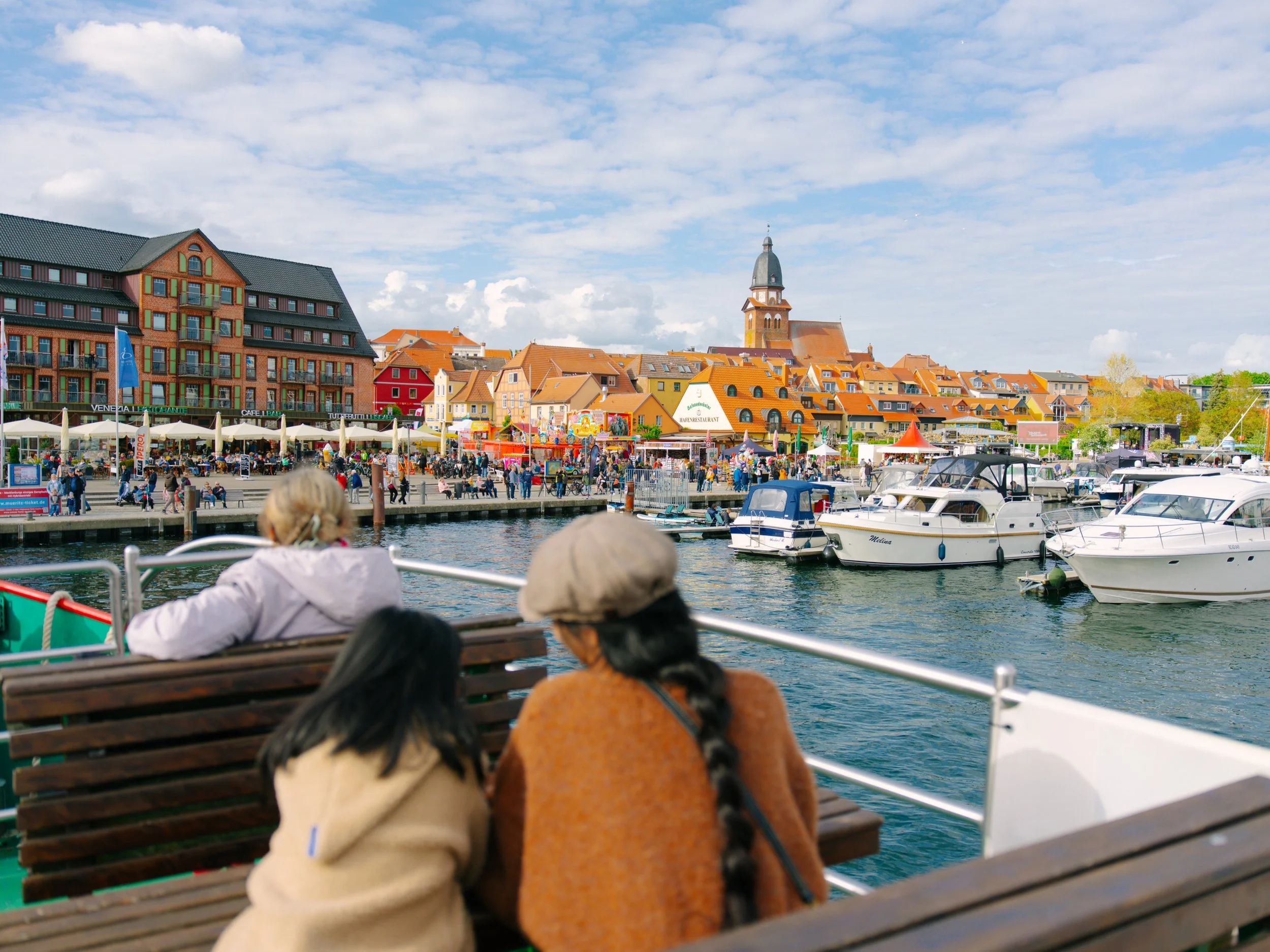
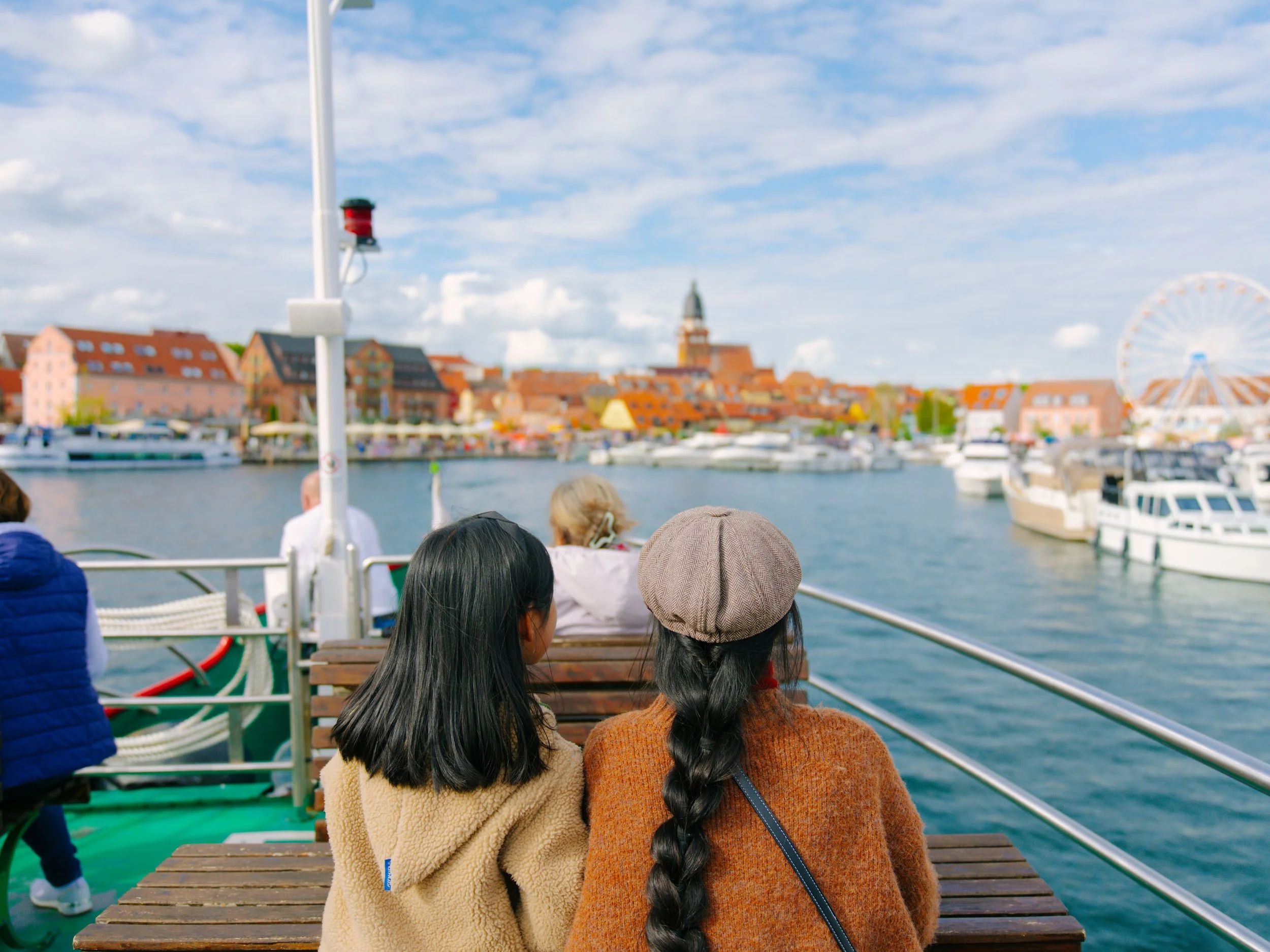
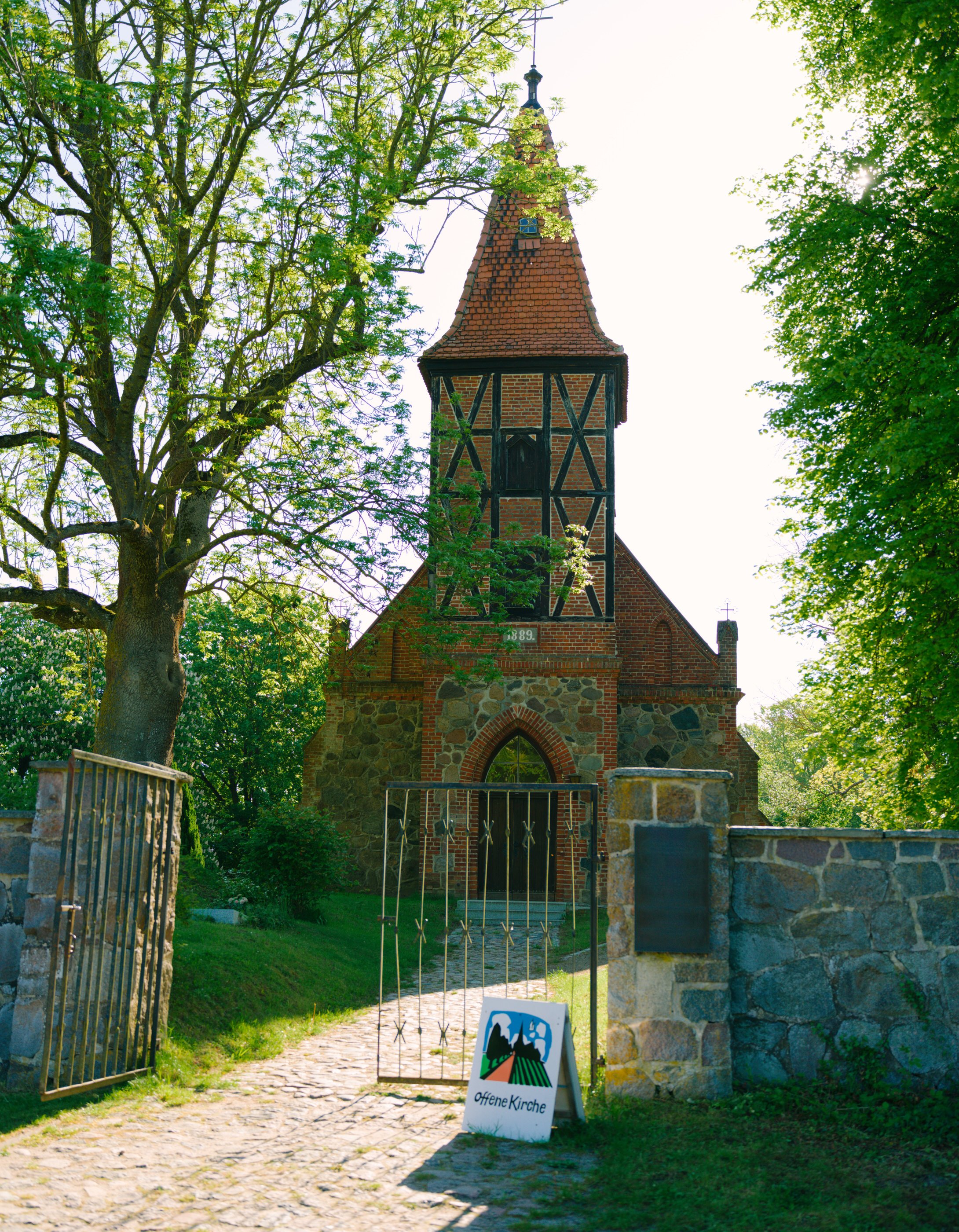
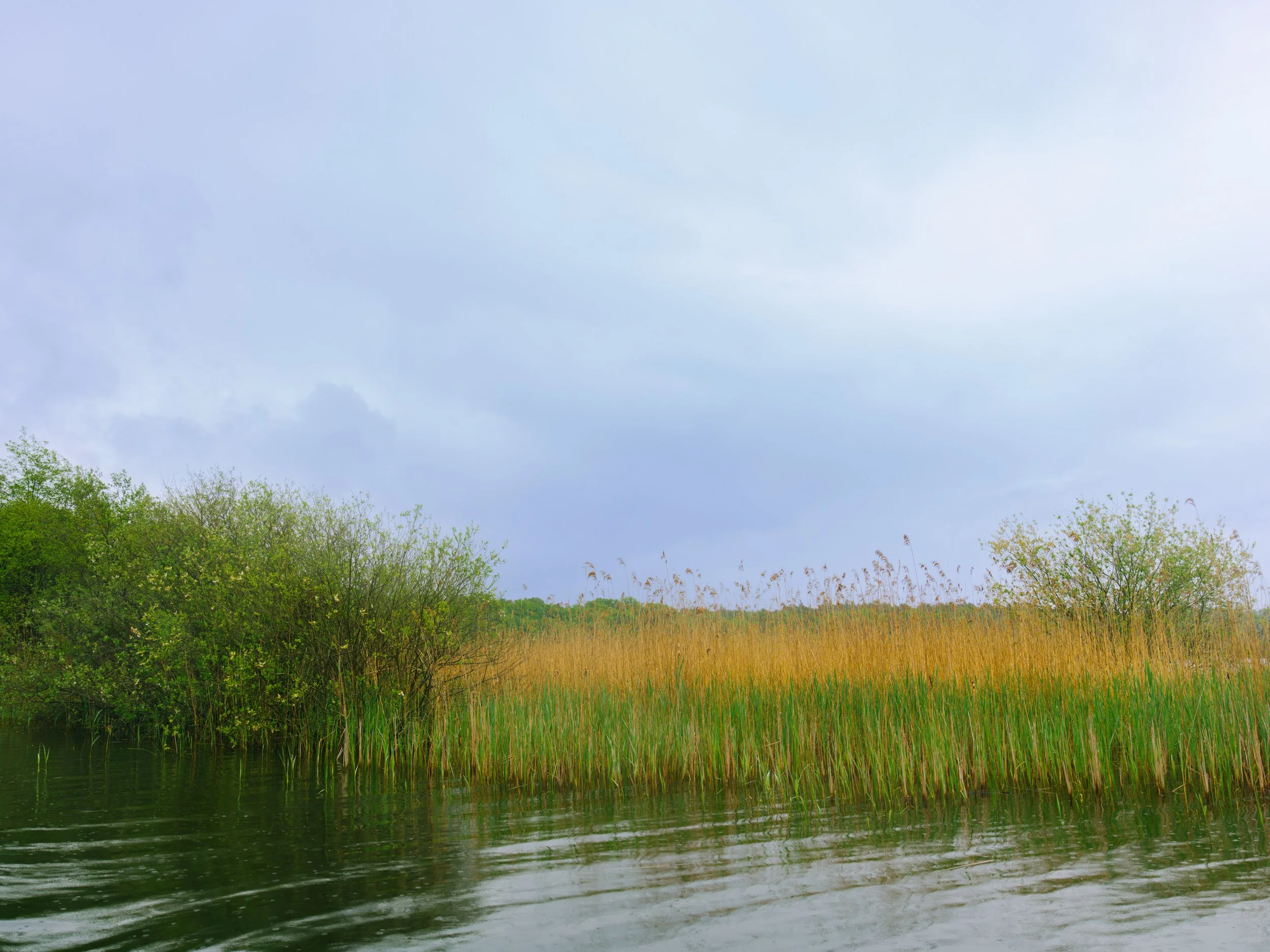
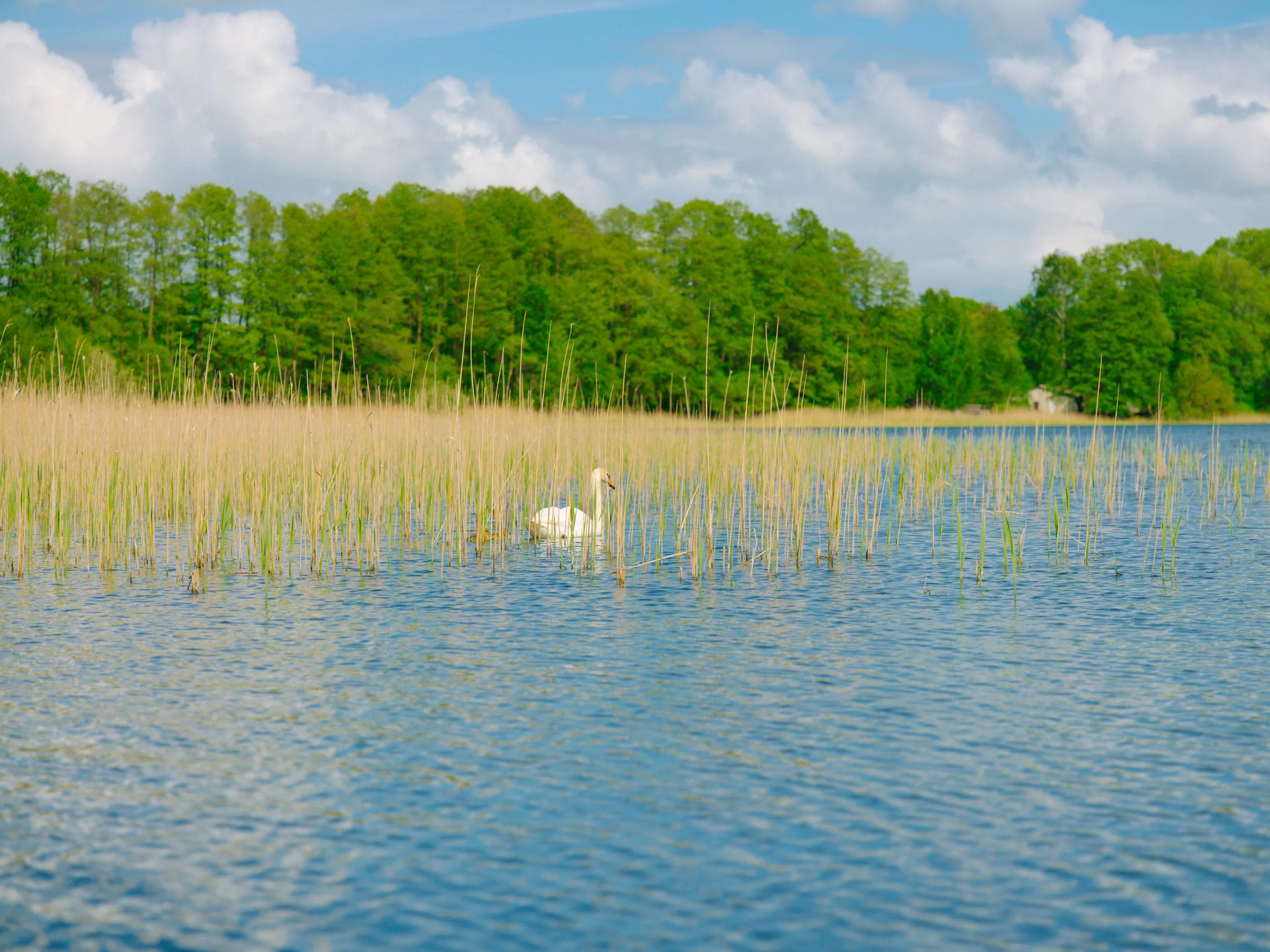
Another afternoon brought us to the charming lakeside town of Waren, where we wandered through its historic streets before taking a relaxing cruise across Lake Müritz. Seen from the water, the region reveals another side of itself - quiet shorelines, reed beds, sailing boats, and an endless horizon that blurs the line between lake and sky.
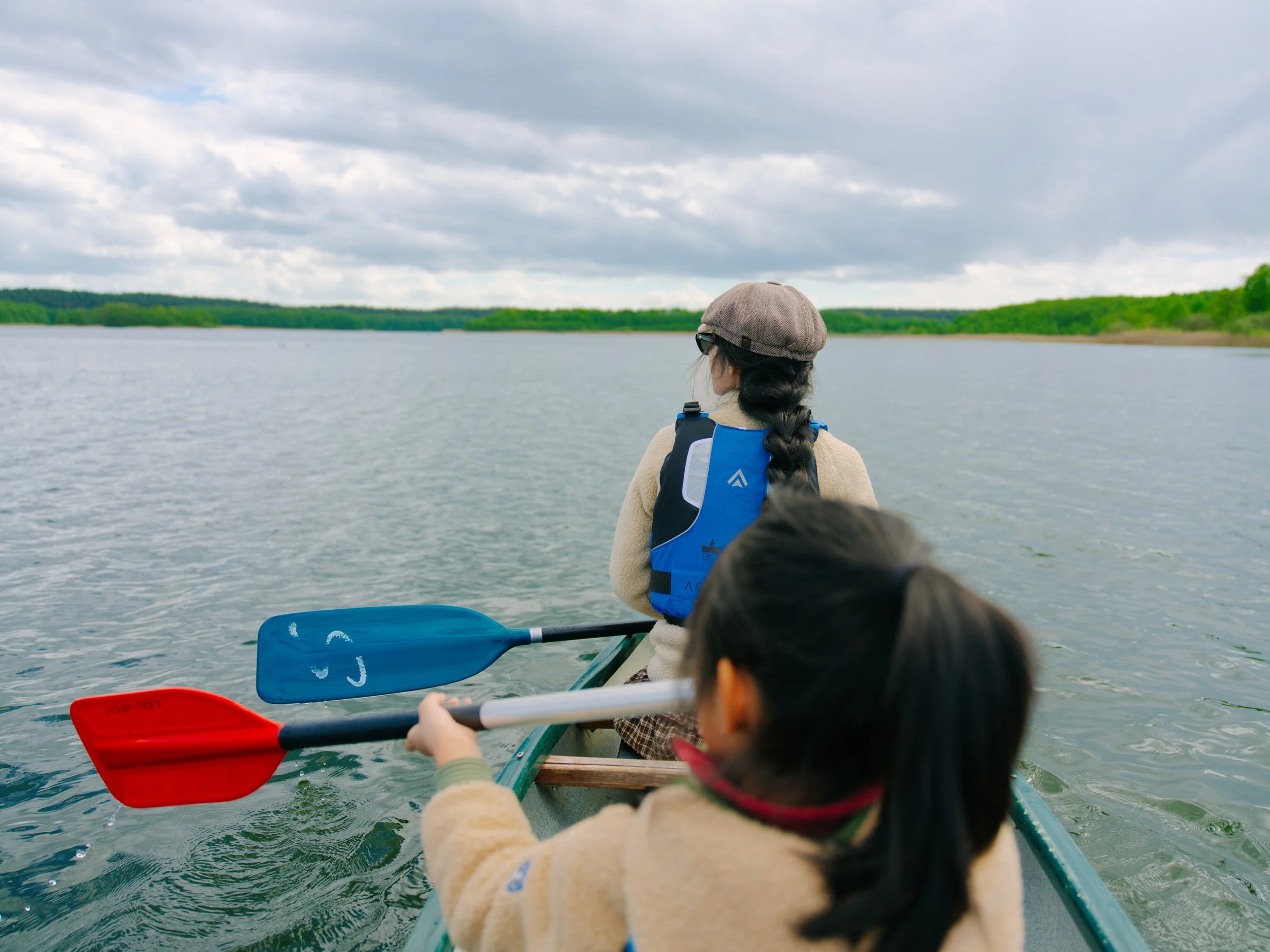
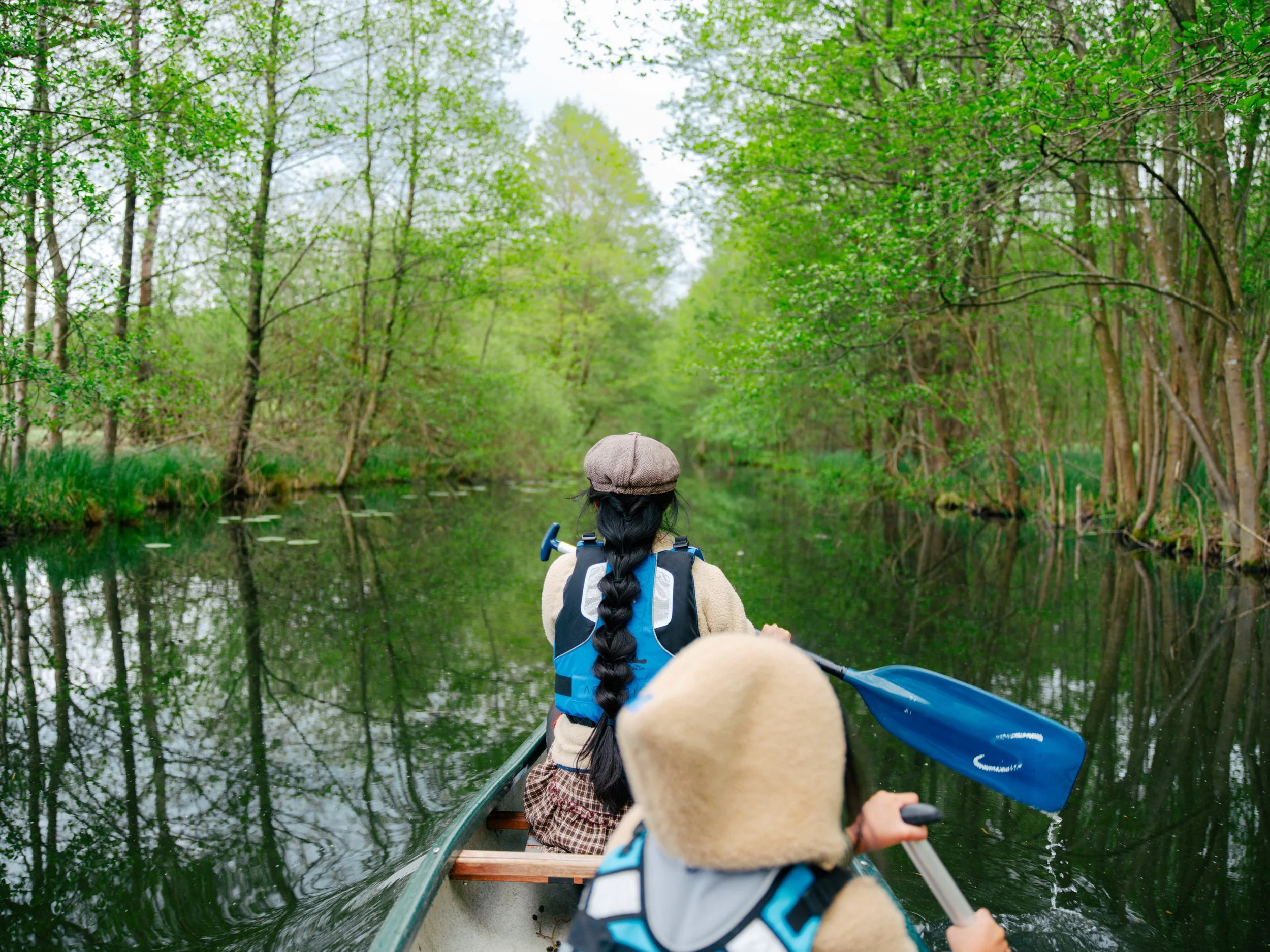
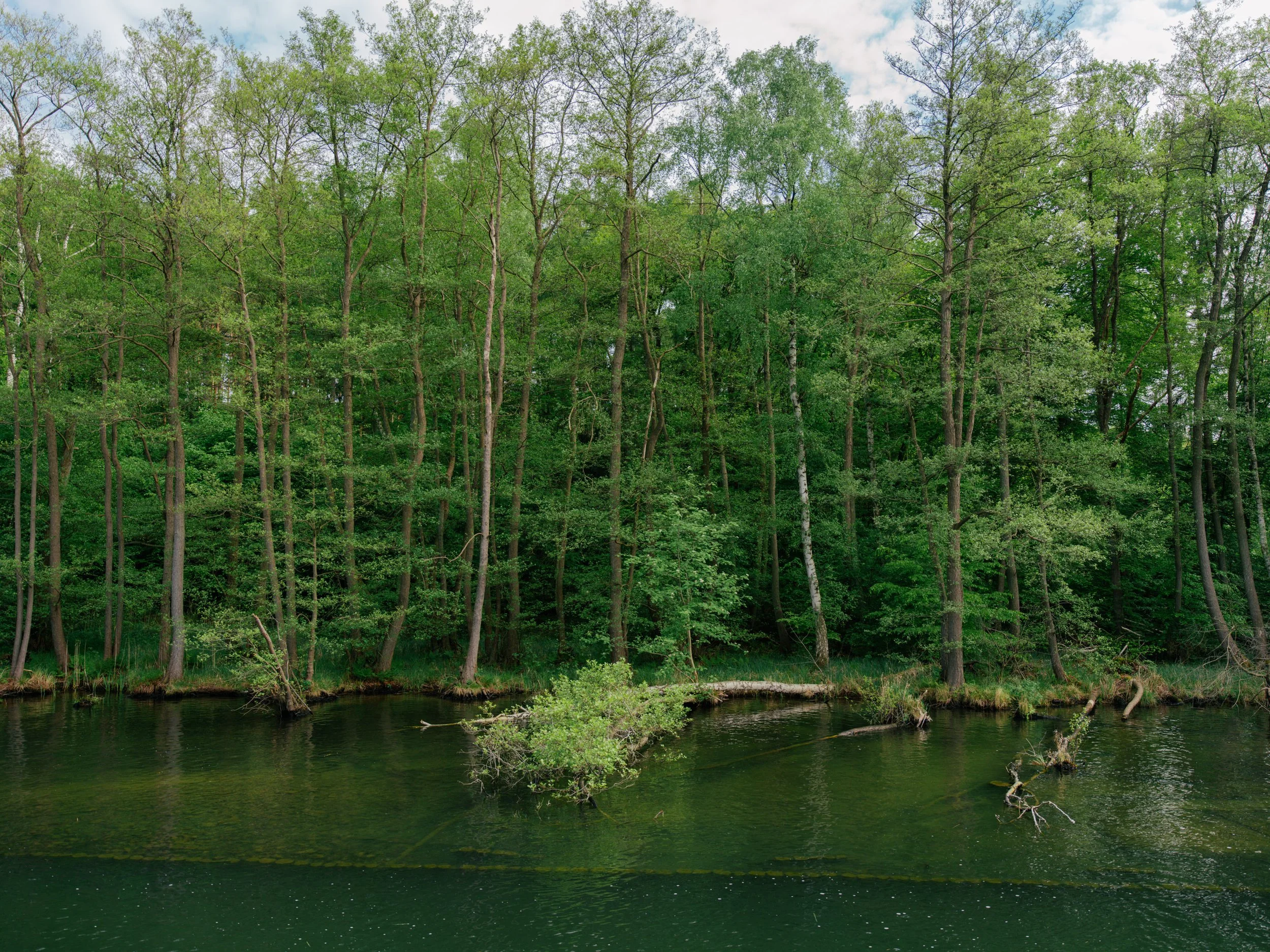
On another day, we explored the waterways by kayak. Without an engine, every paddle stroke slows you down just enough to notice the little things: dragonflies hovering over the water, birds hidden among the reeds, and reflections so perfect they almost look unreal.
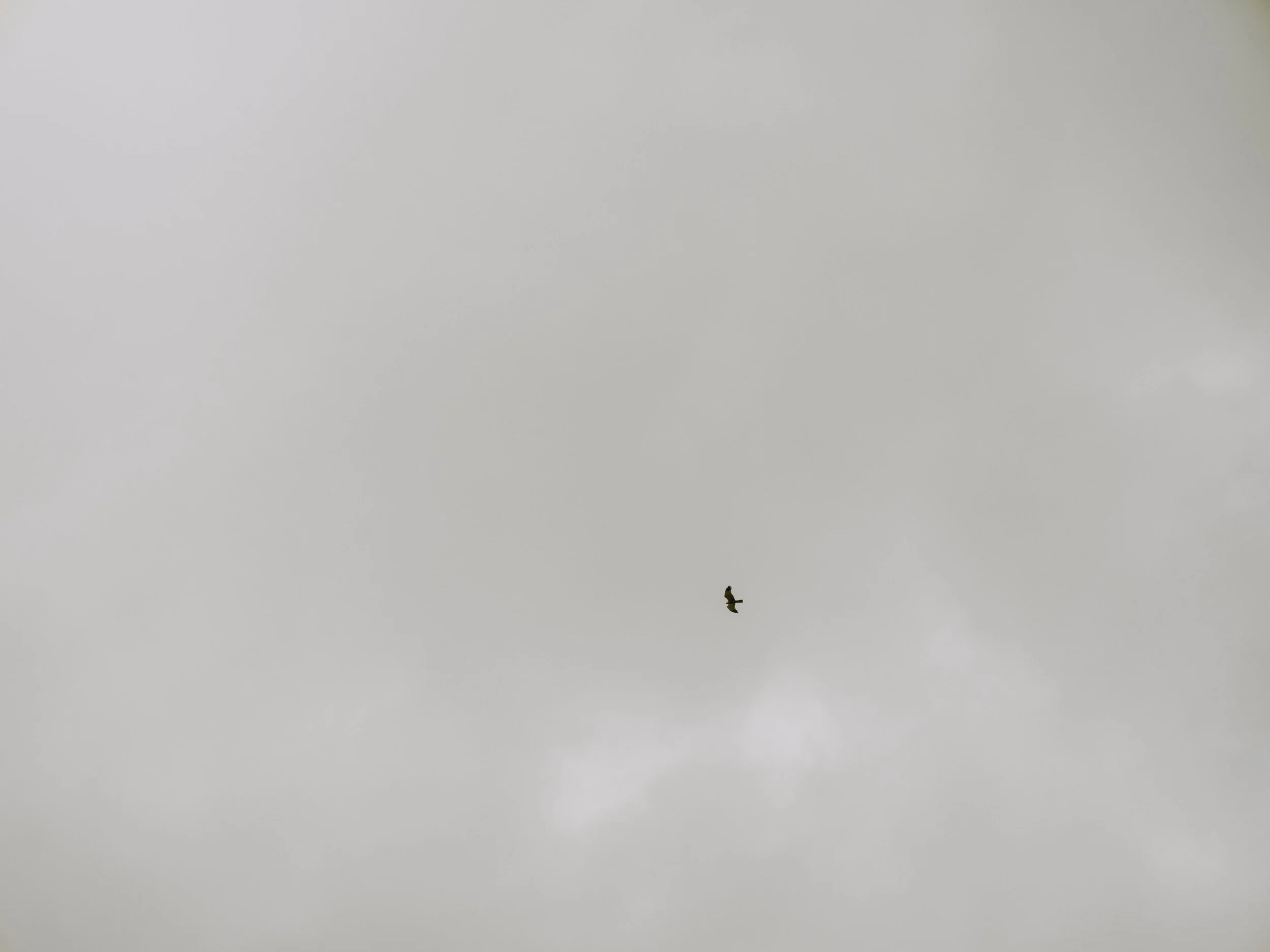
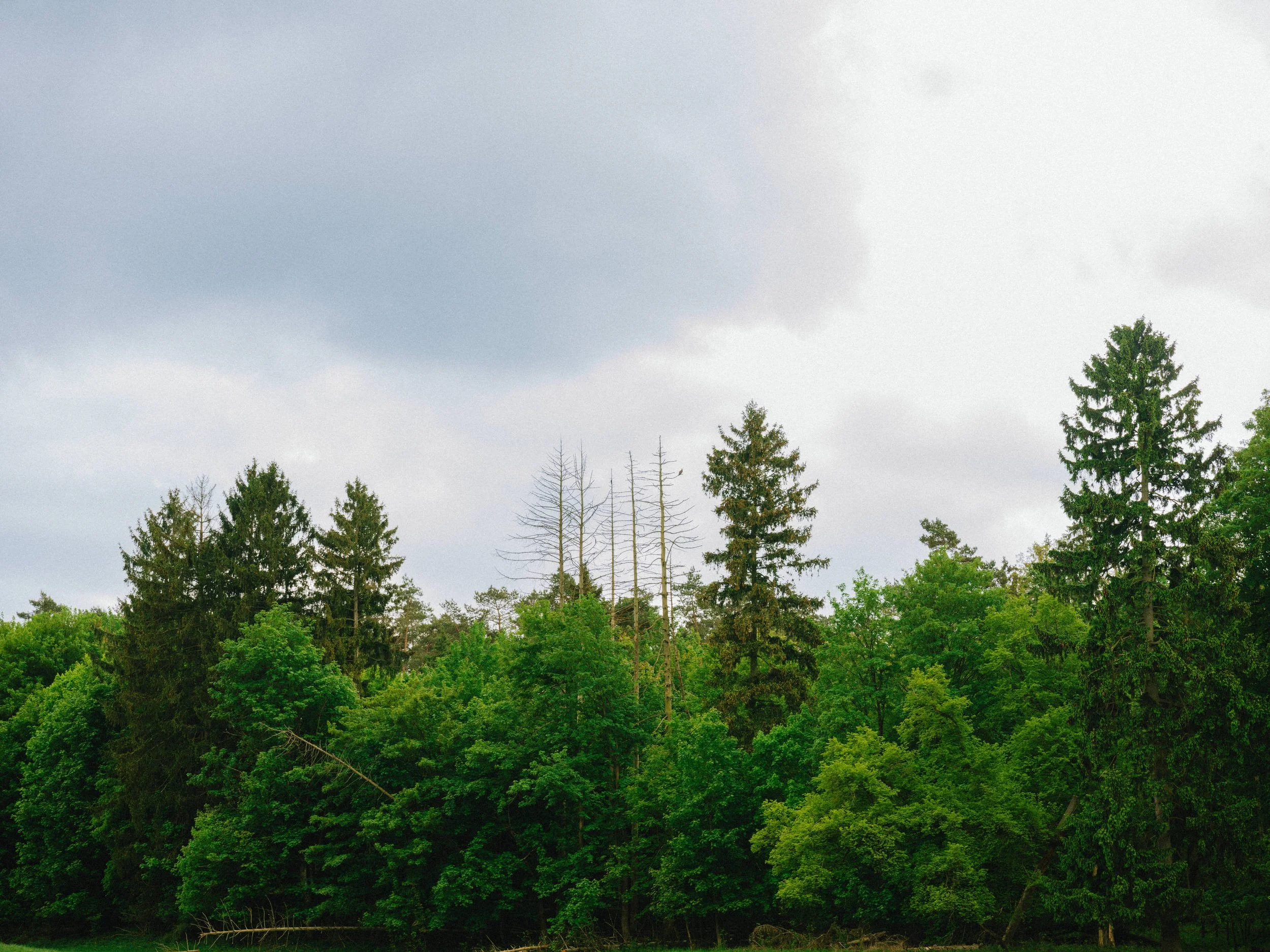
One of the most memorable experiences, however, was joining a sea eagle safari. The Mecklenburg Lake District is one of the best places in Germany to spot the majestic white-tailed eagle in the wild. Watching one glide effortlessly above the lakes reminded us that this isn't just a beautiful destination - it's a thriving ecosystem where nature still takes center stage.
On our final day, our host Daniela invited us into her atelier. She is a painter whose work is deeply inspired by this landscape. Through her paintings, she captures not simply what the Mecklenburg Lake District looks like, but what it feels like - the changing light, the quiet atmosphere, the endless space.
That resonated with me.
Because that's exactly what I try to do with my videos.
Not simply document a destination, but capture the feeling of a place.
Looking back, this trip wasn't defined by one spectacular attraction. It was the accumulation of simple moments: harvesting vegetables, cooking together, fishing on a changing lake, paddling through still waters, watching sea eagles soar overhead, wandering quiet towns, and sharing conversations with people who call this landscape home.