
Day in a life of slow living in a small country cottage
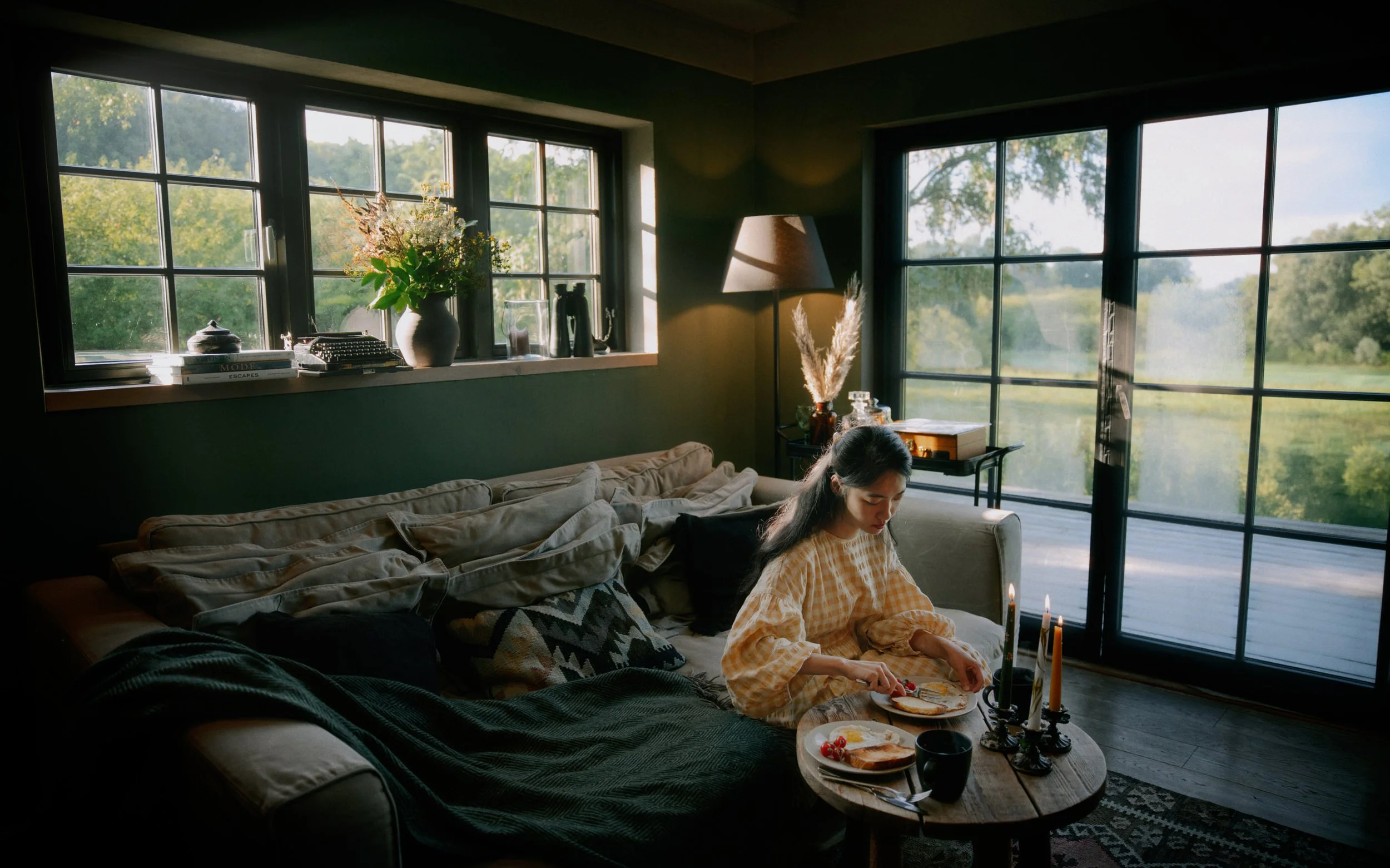
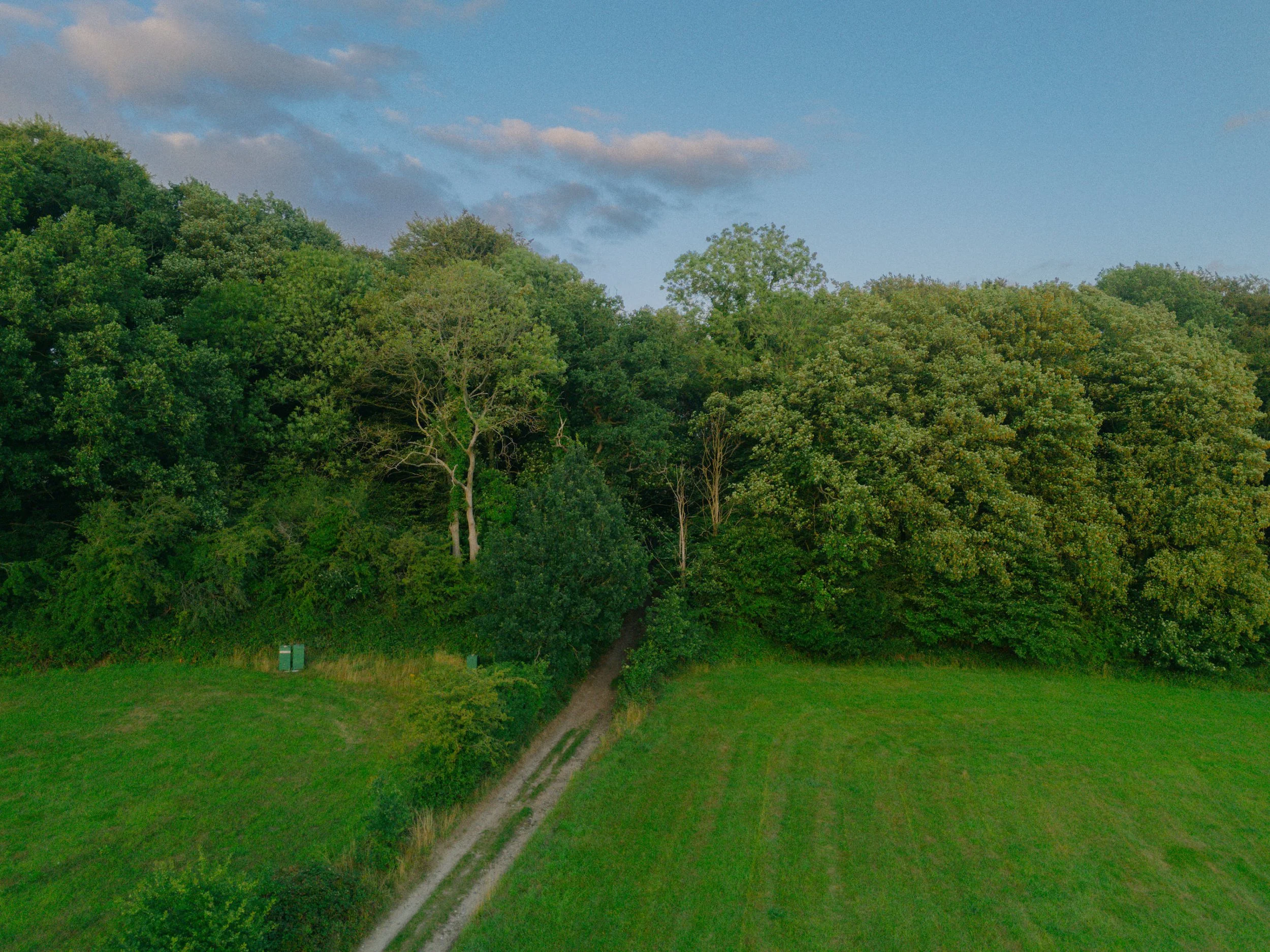
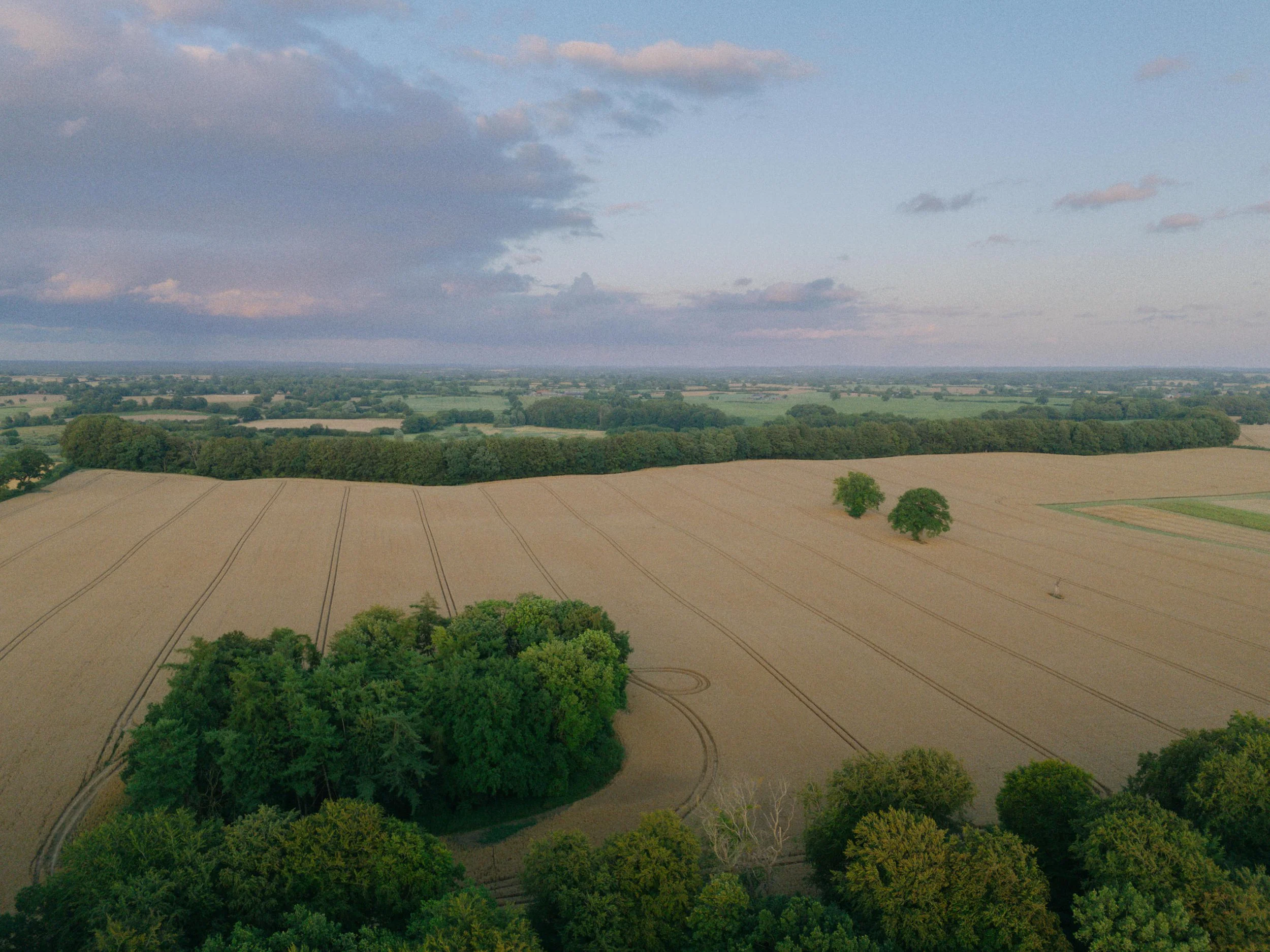
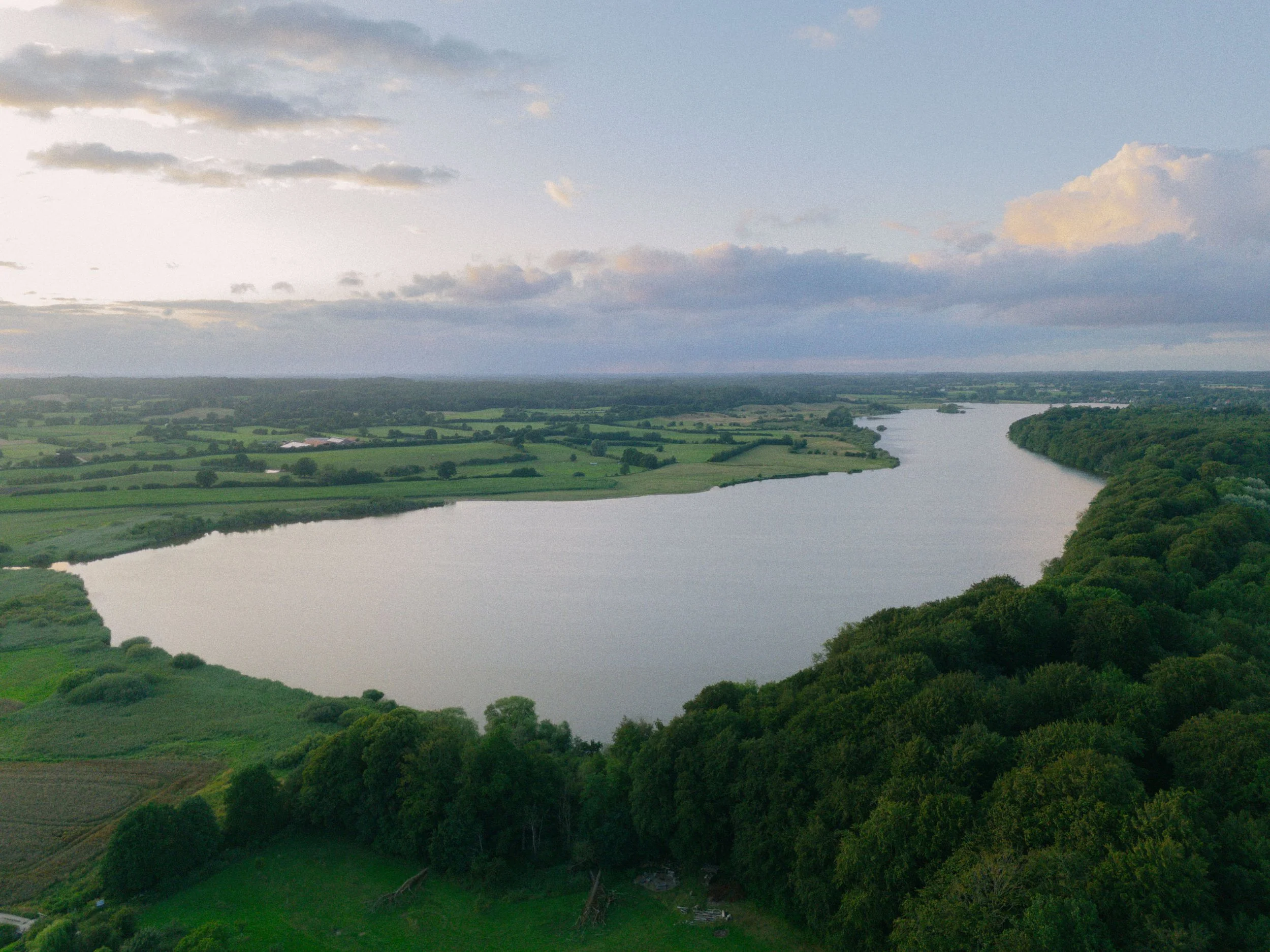
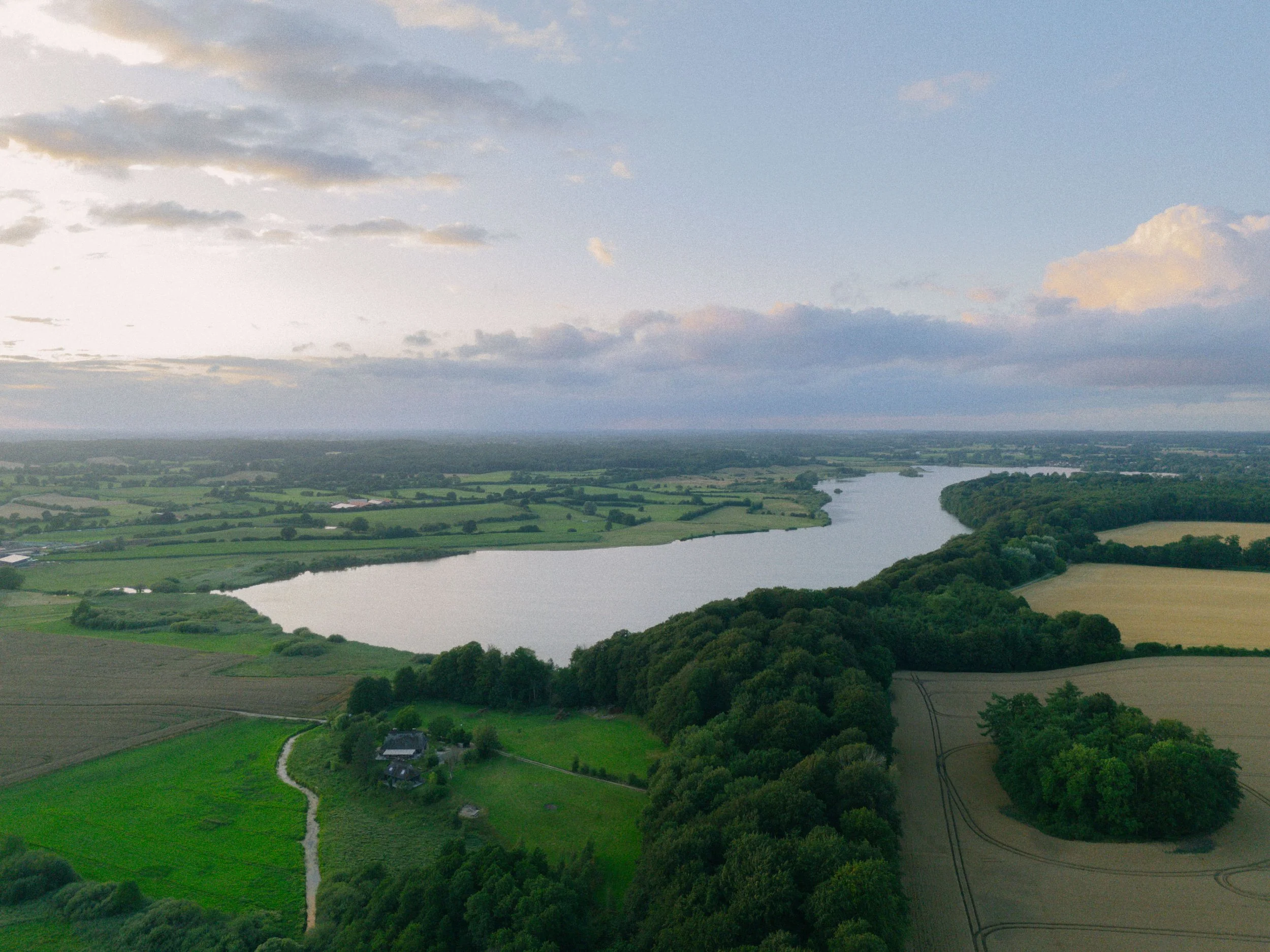
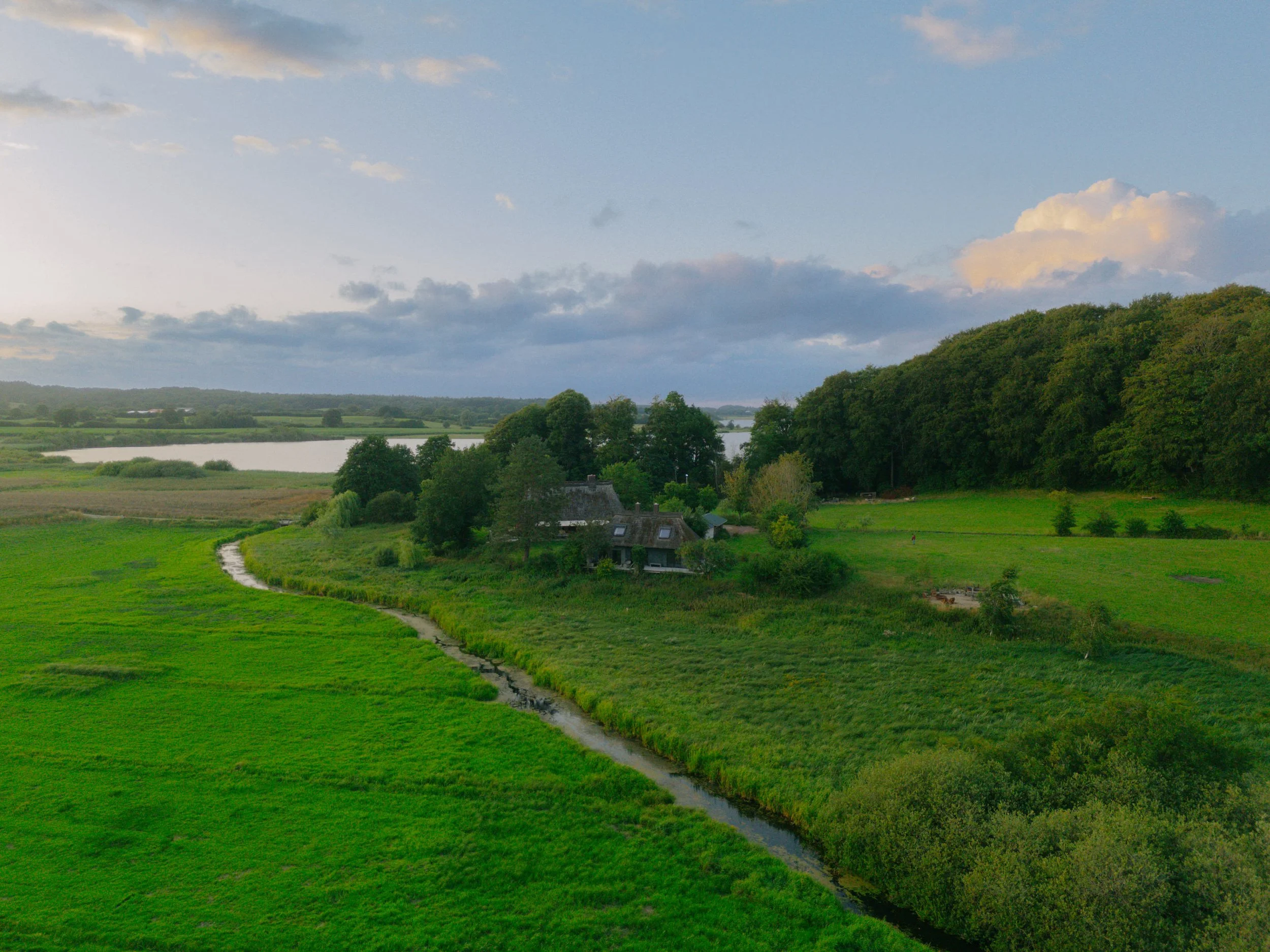
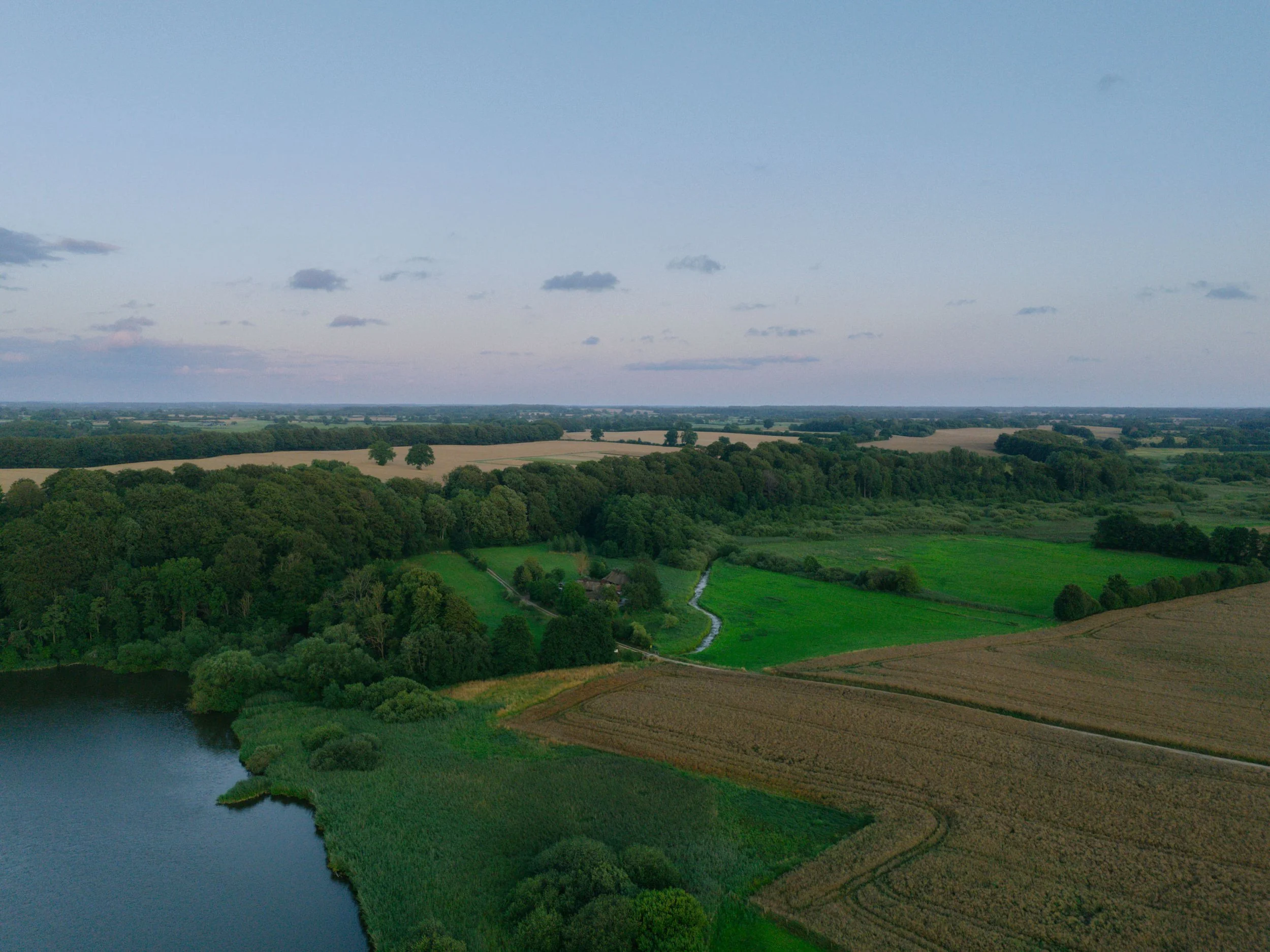
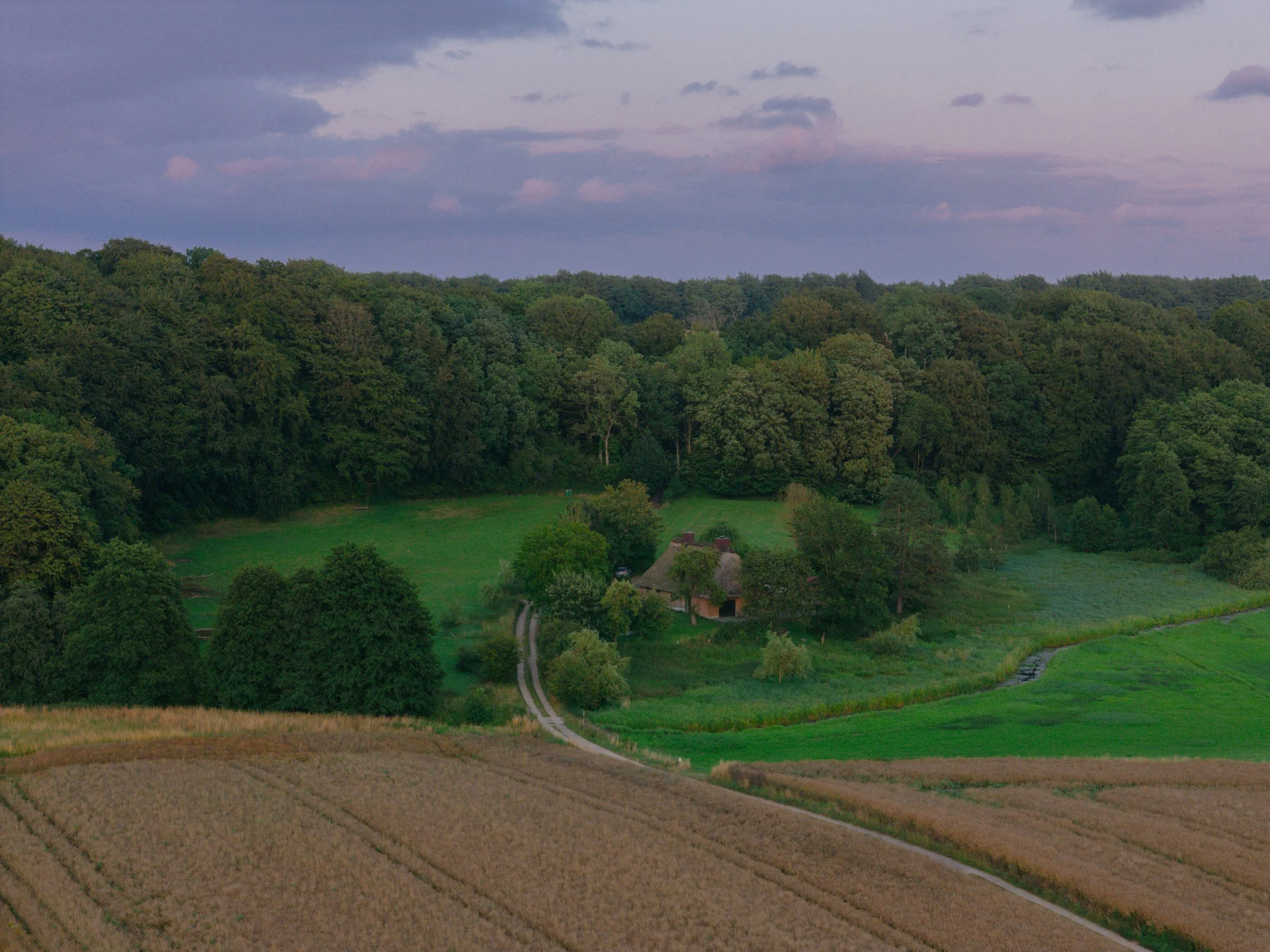
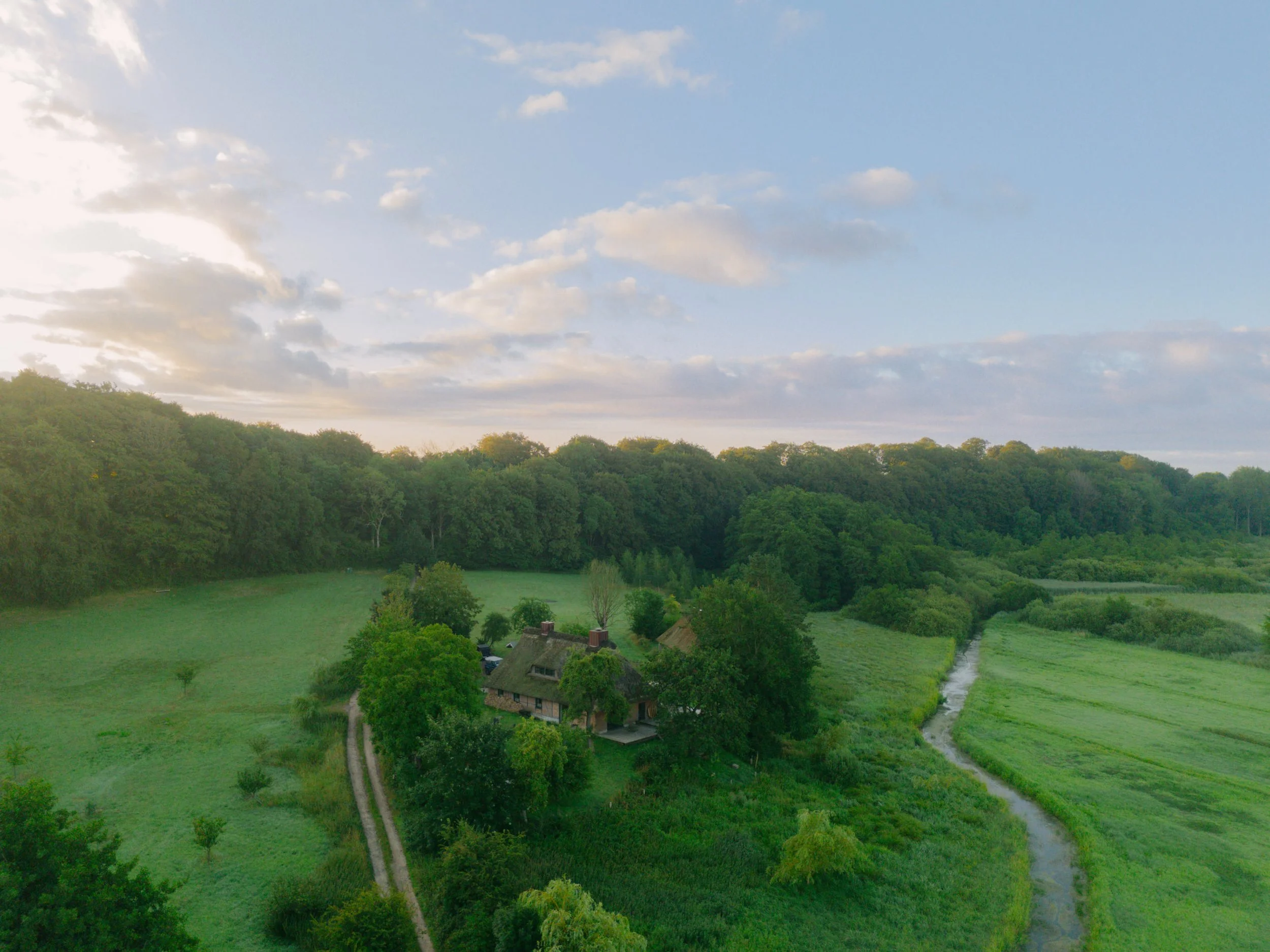
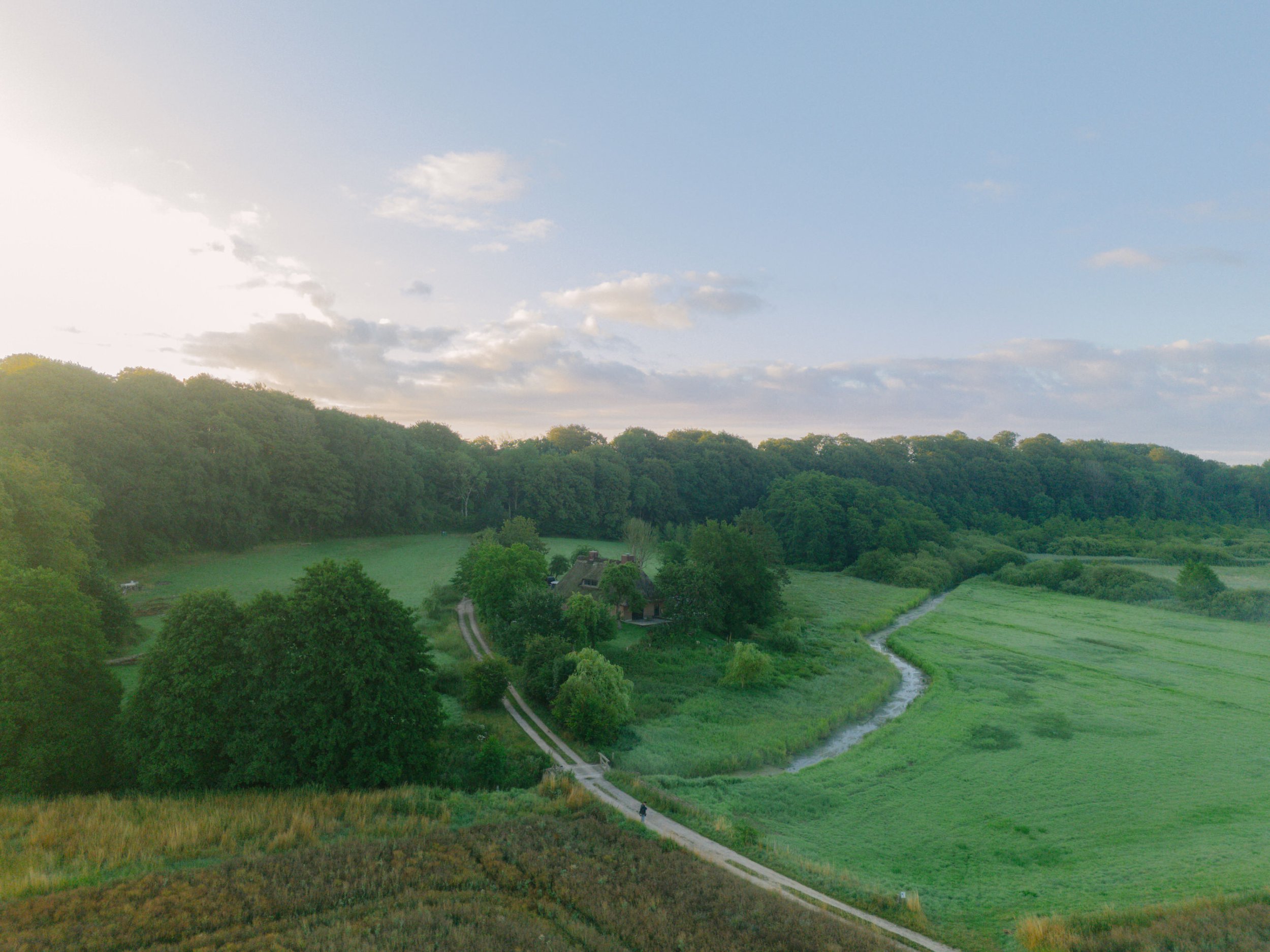
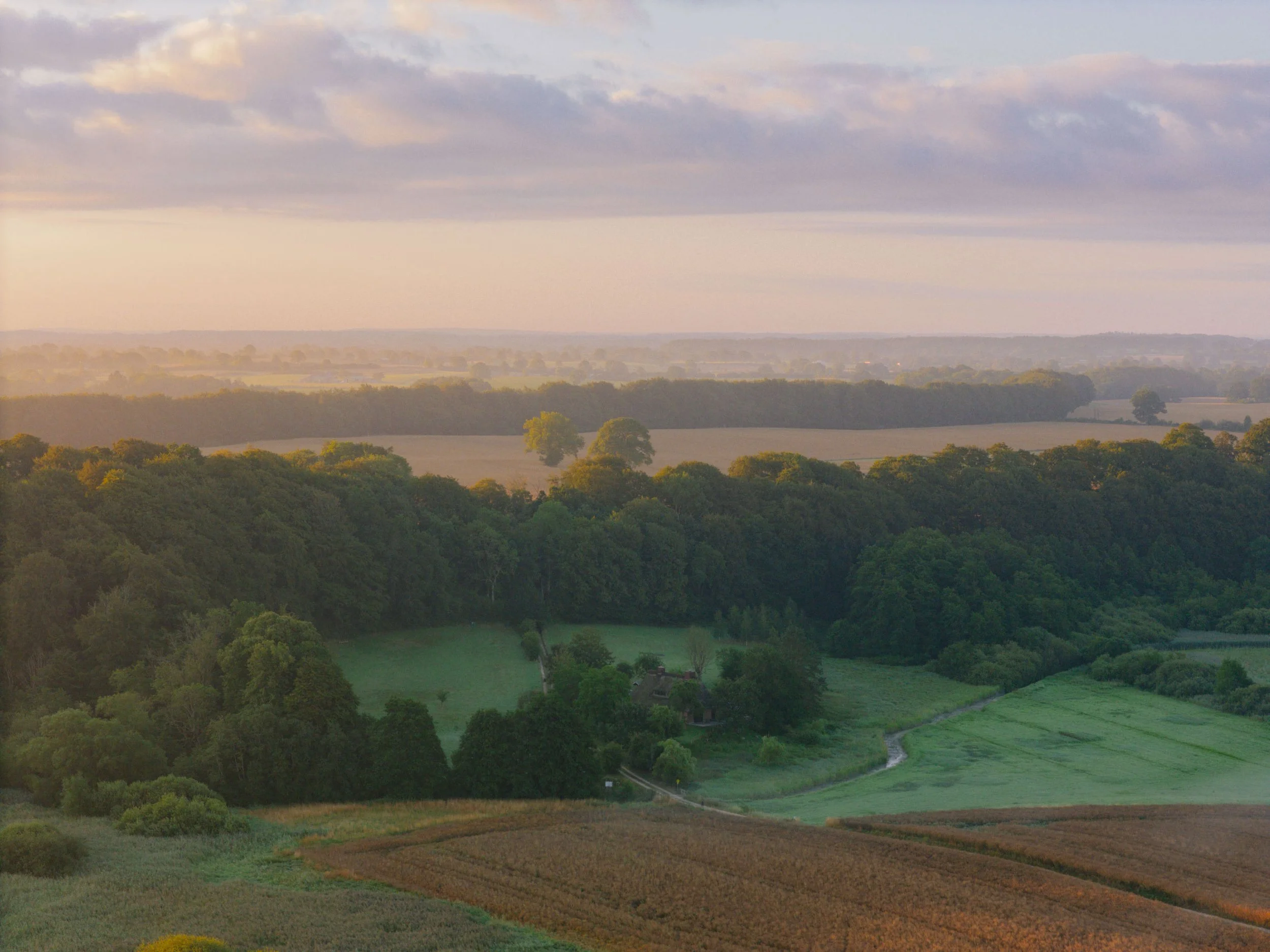
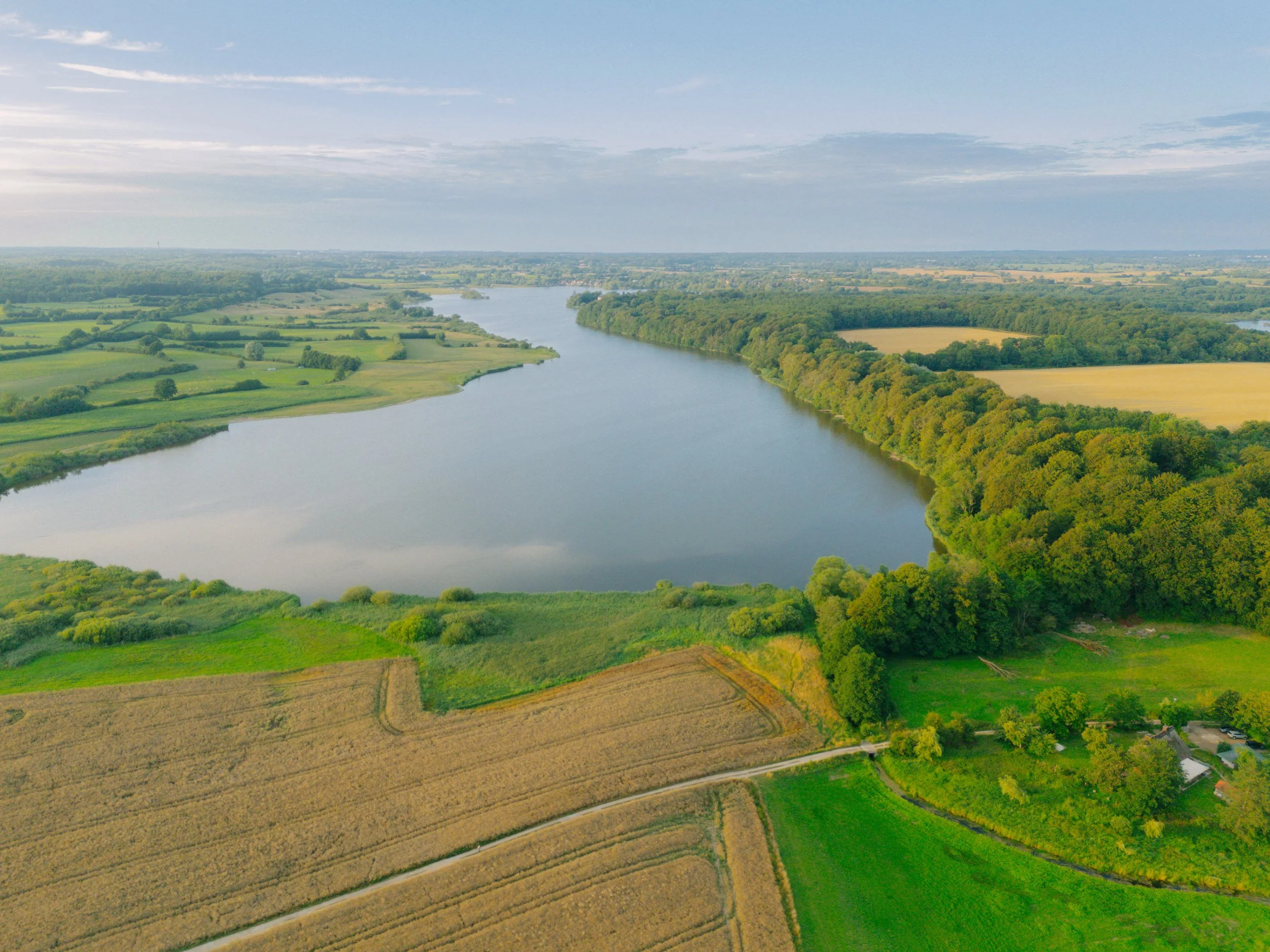
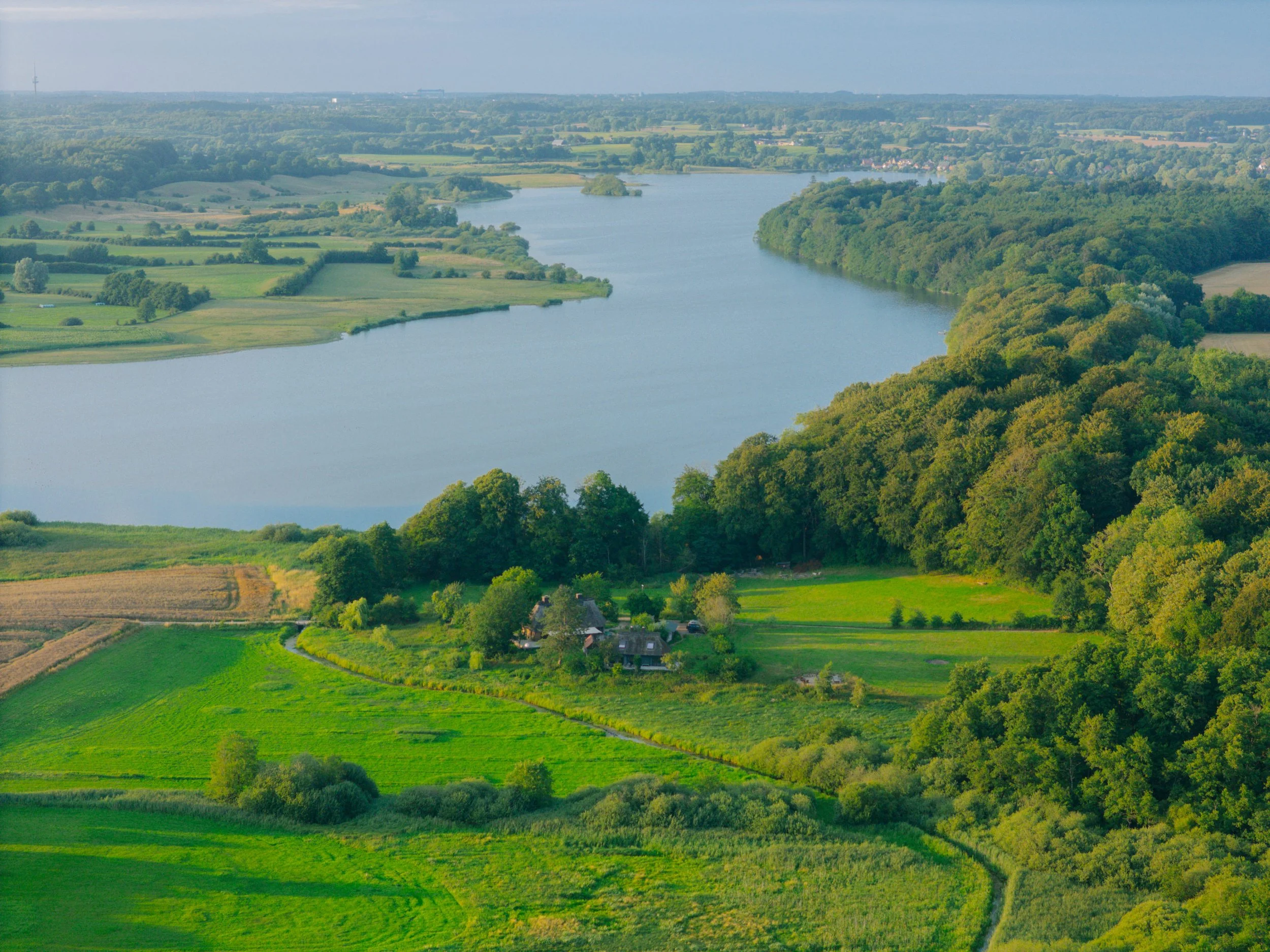
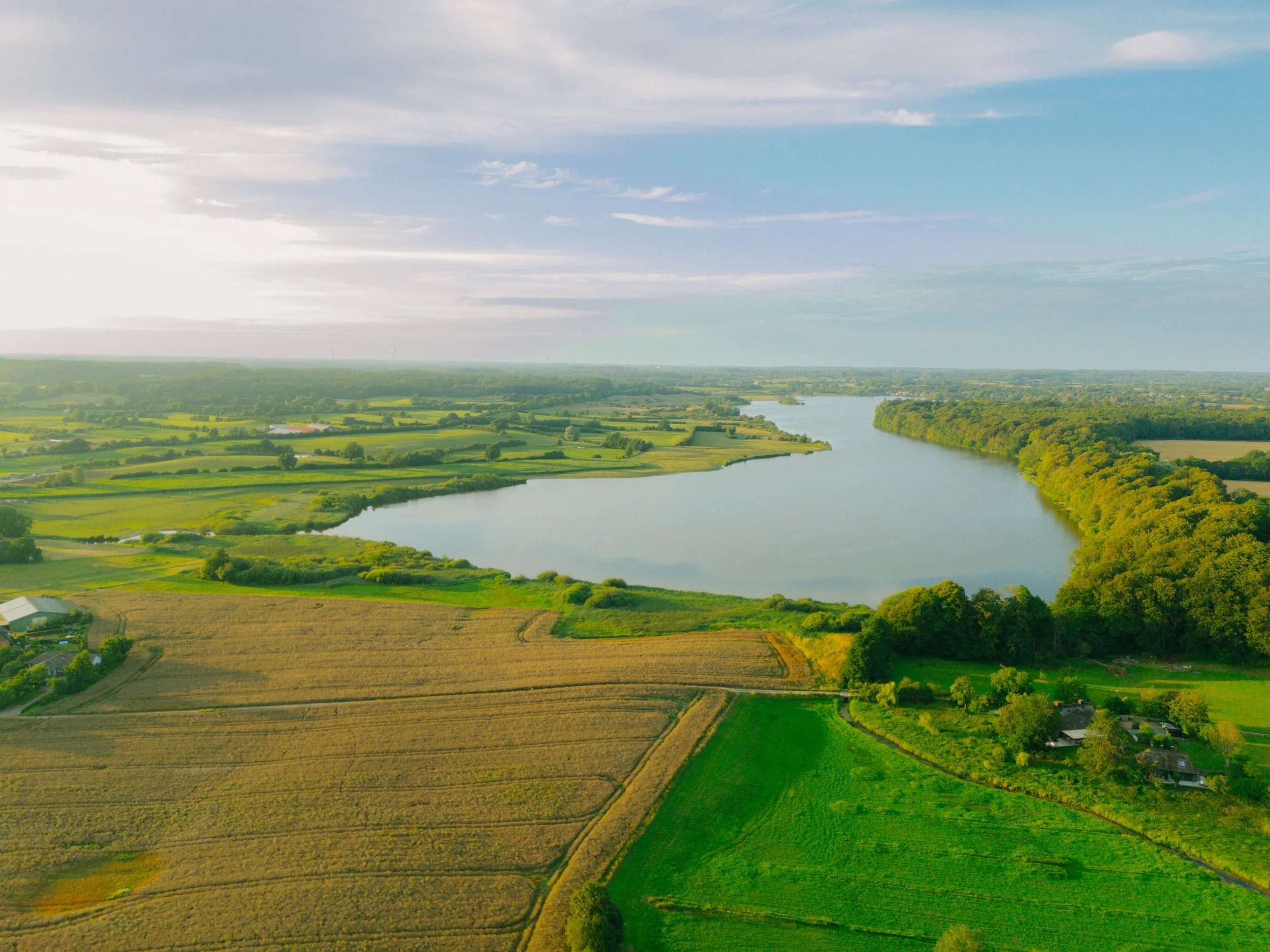
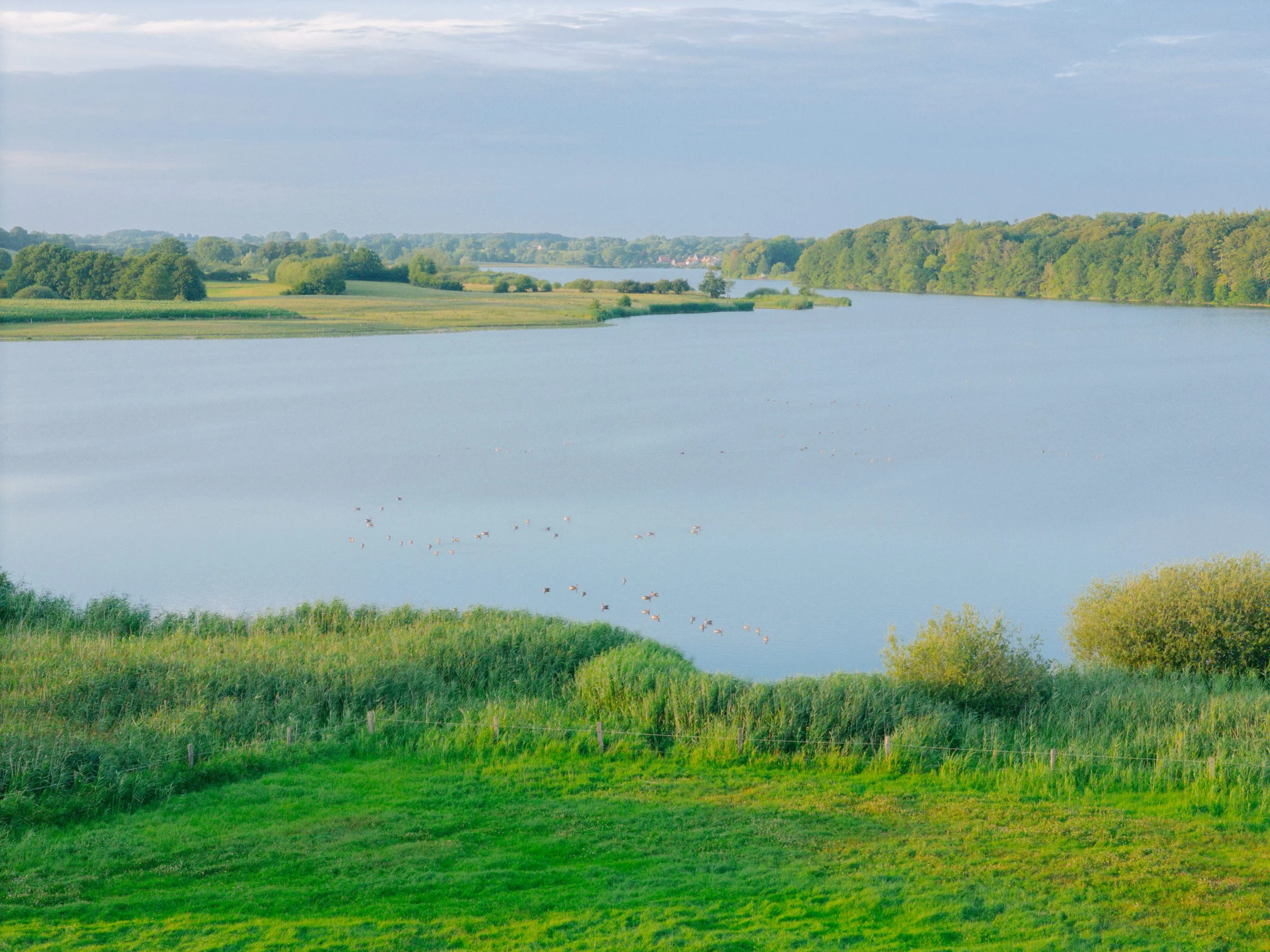
On a weekend at the end of July, we left our familiar home behind and went to stay for two nights in a small thatched cottage by a lake.
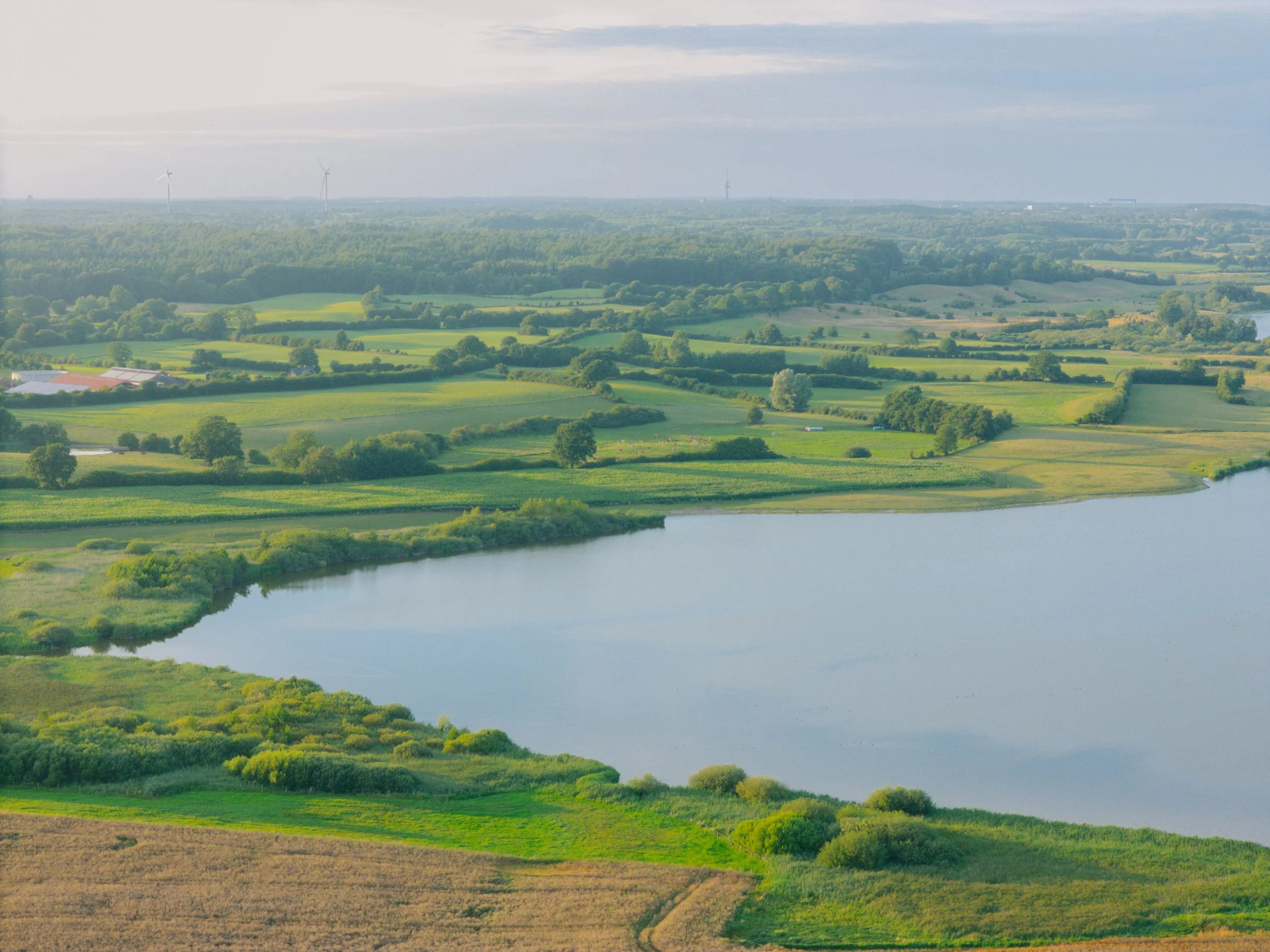
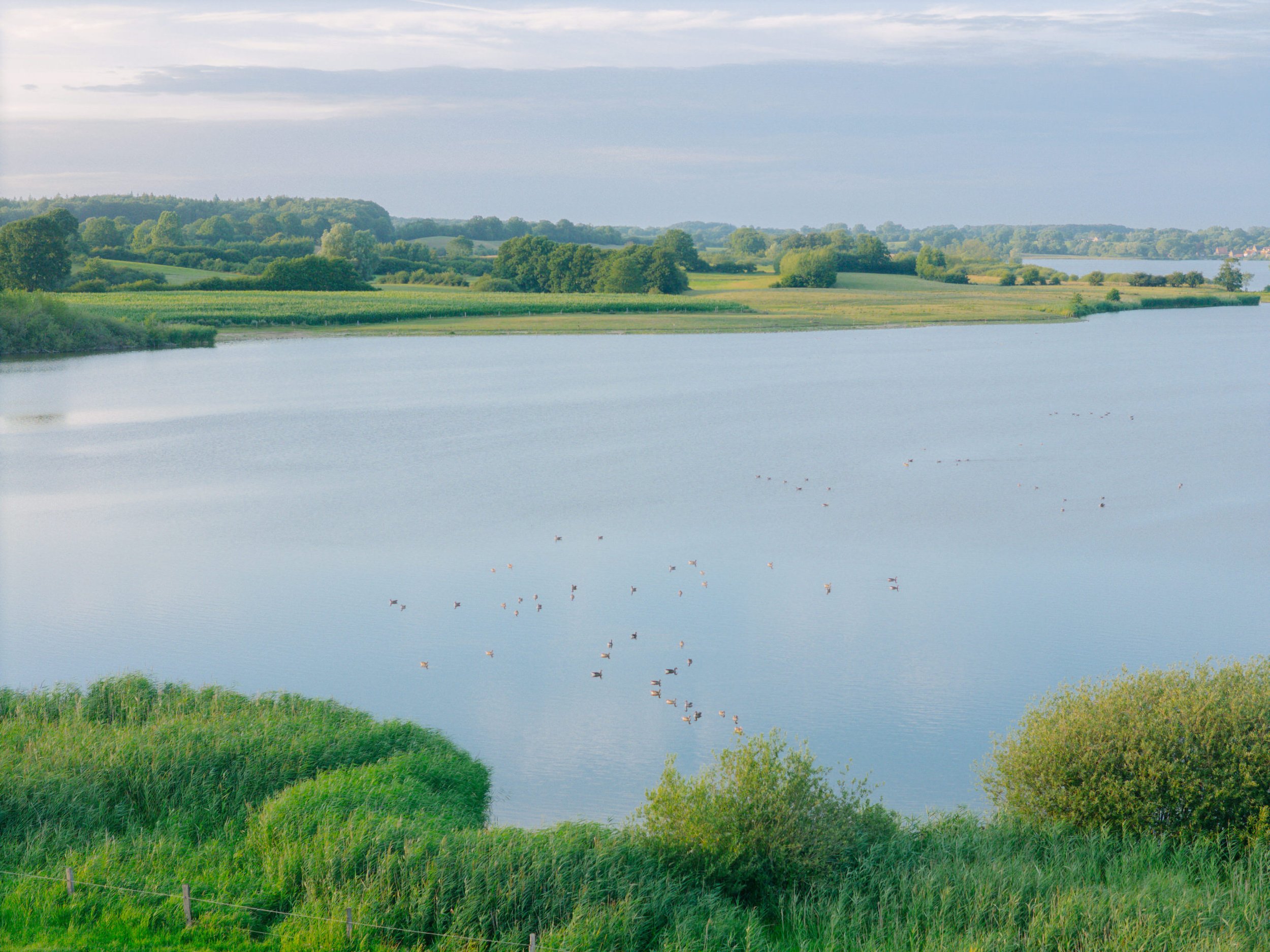
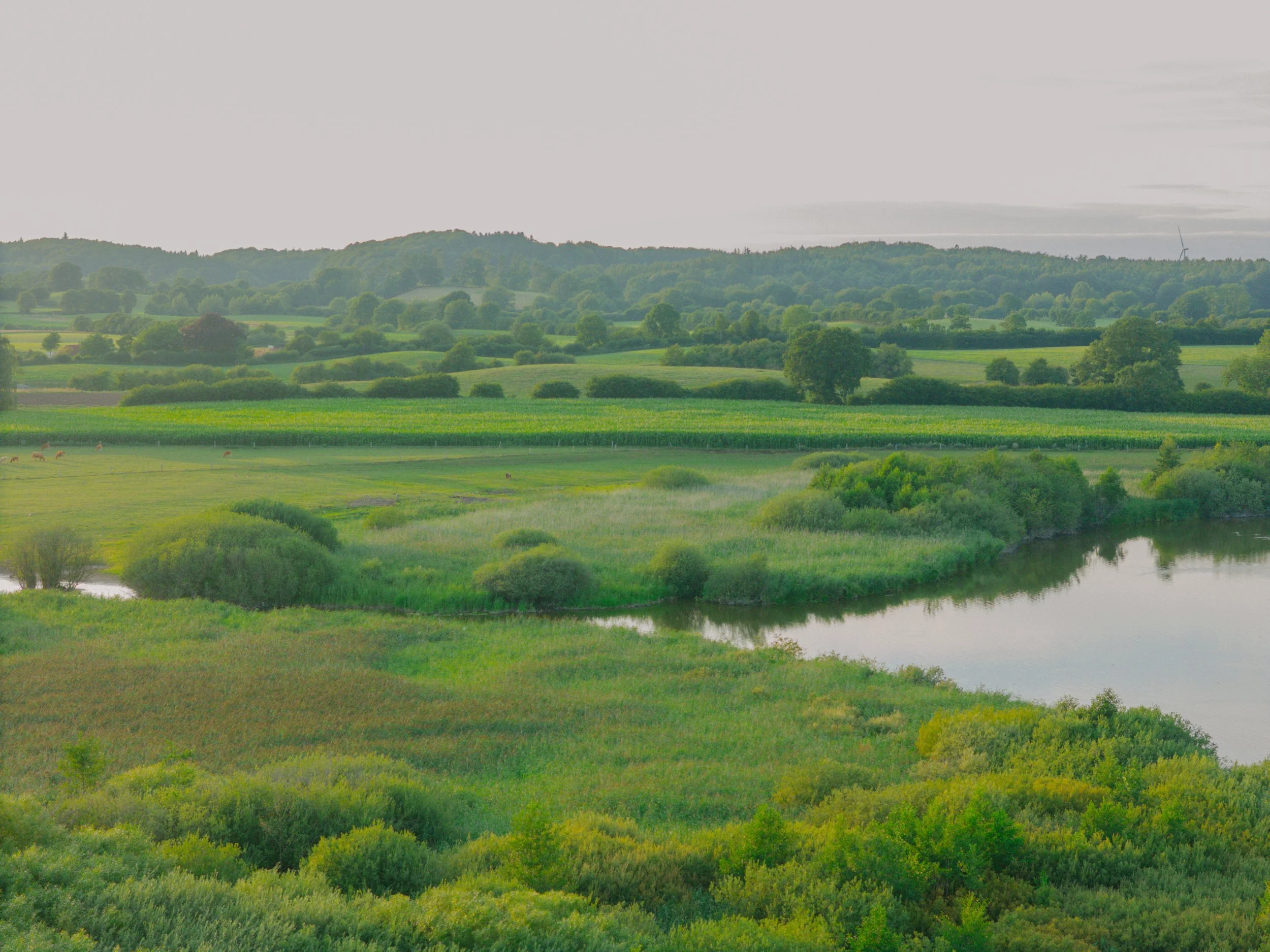
It’s only a two-hour drive from home - and I’ve lived in the countryside of northern Germany for many years, long enough to know what a lake in northern Germany looks like.
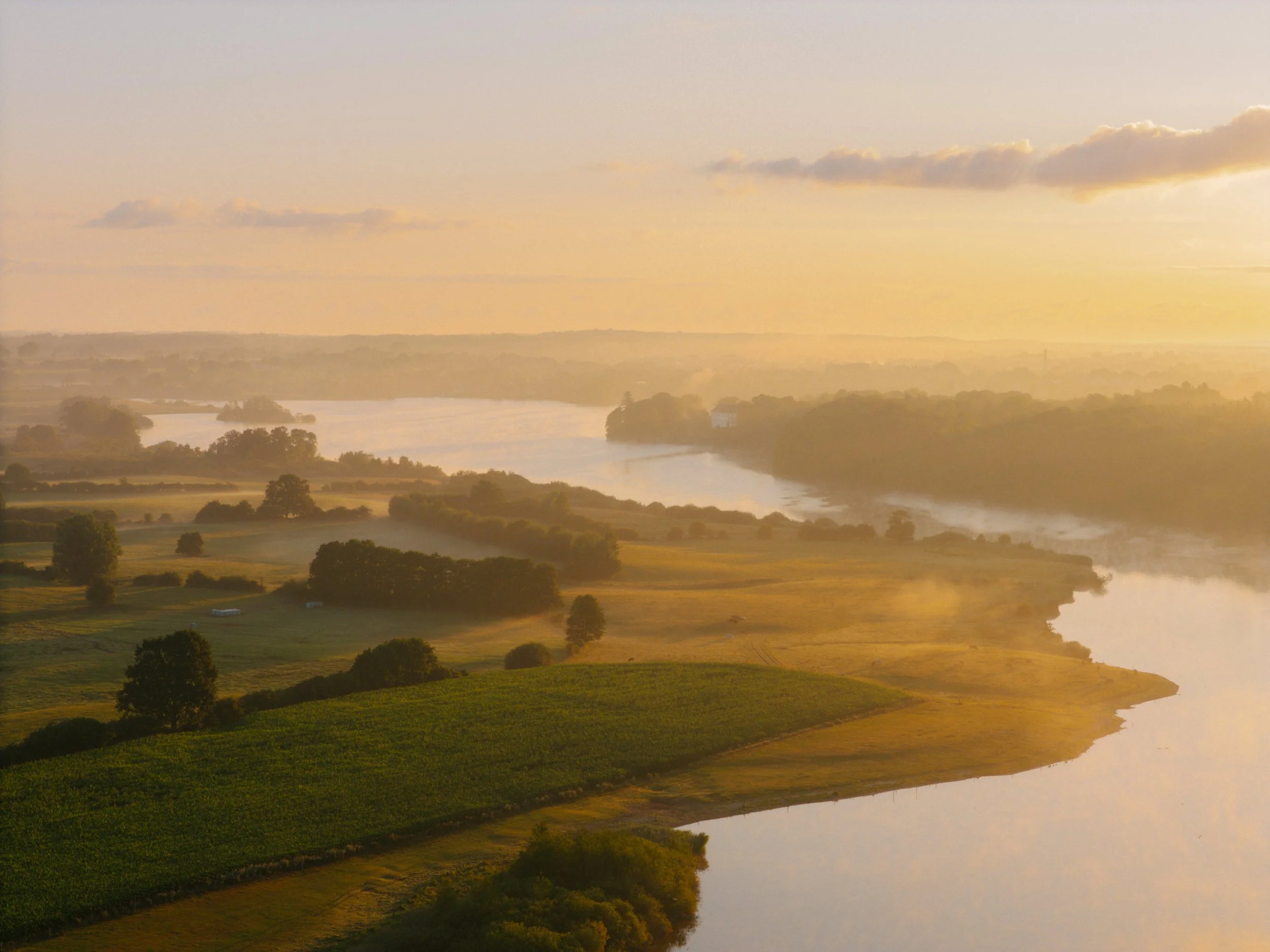
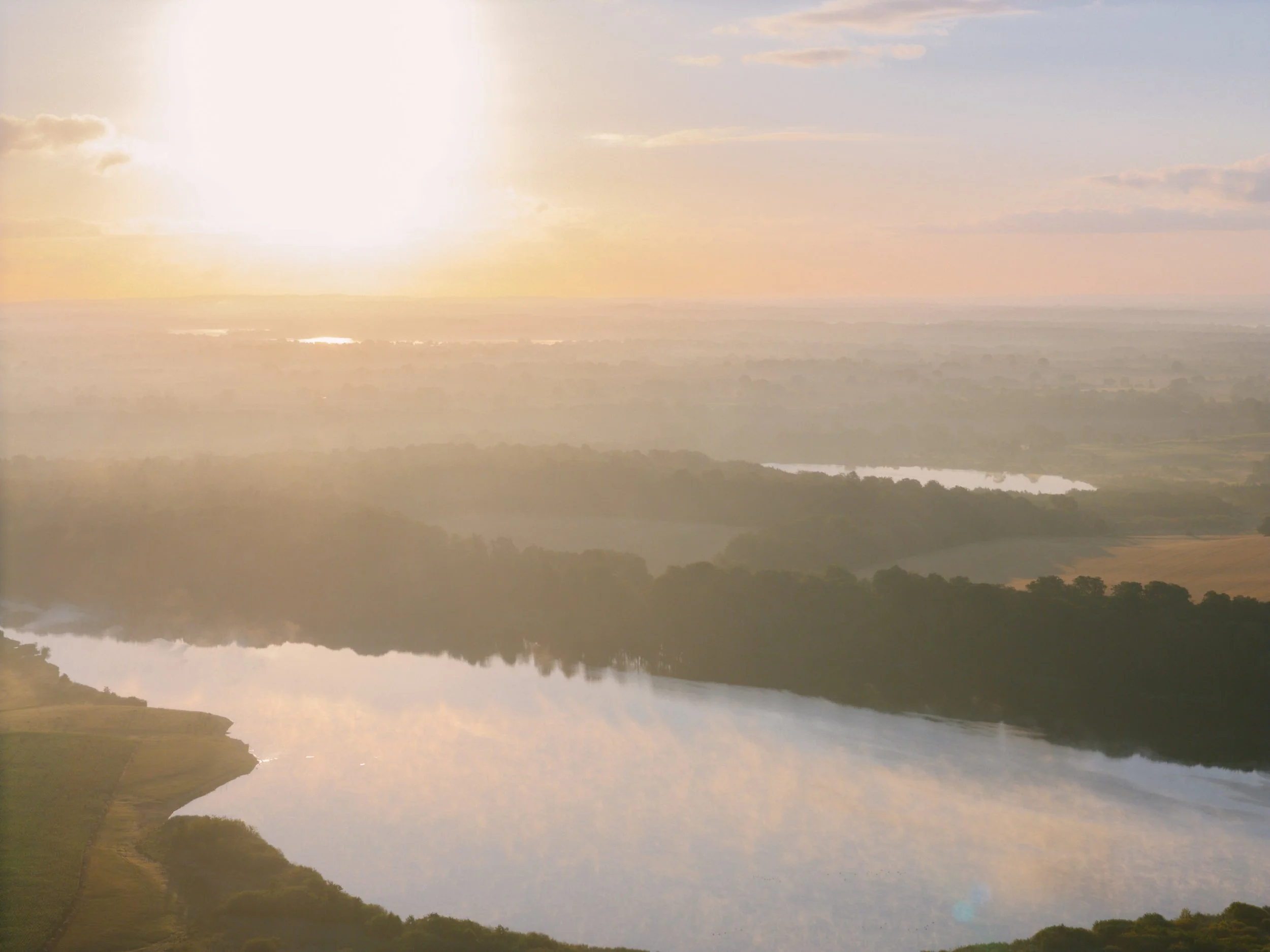
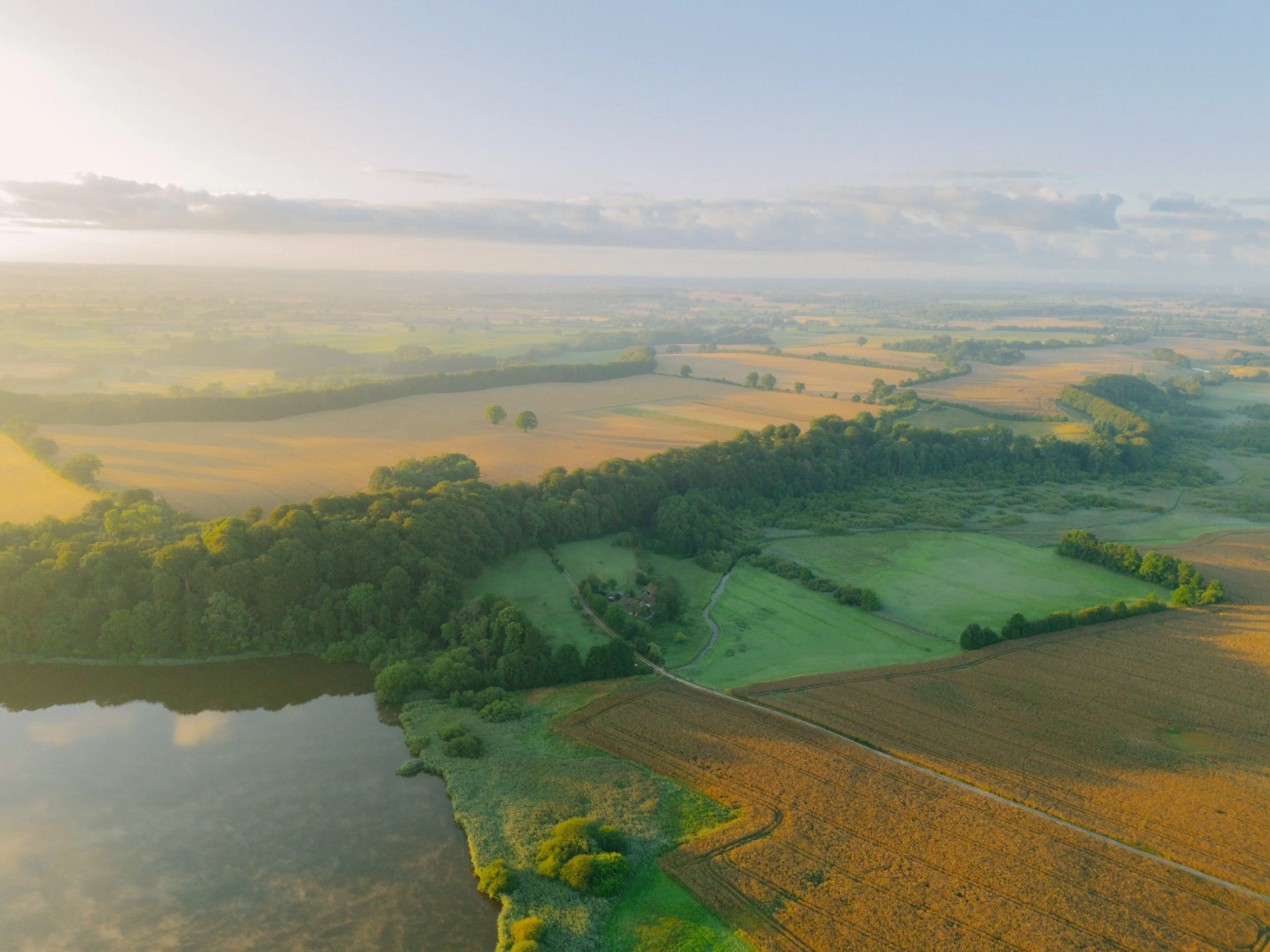
Around 20,000 years ago, during the last Ice Age, much of northern Germany was covered by enormous ice sheets. The ice advanced, scraped across the land, and left countless depressions in the ground. When the climate warmed and the ice melted, water filled those depressions, creating the countless lakes, large and small, scattered across northern Germany today.
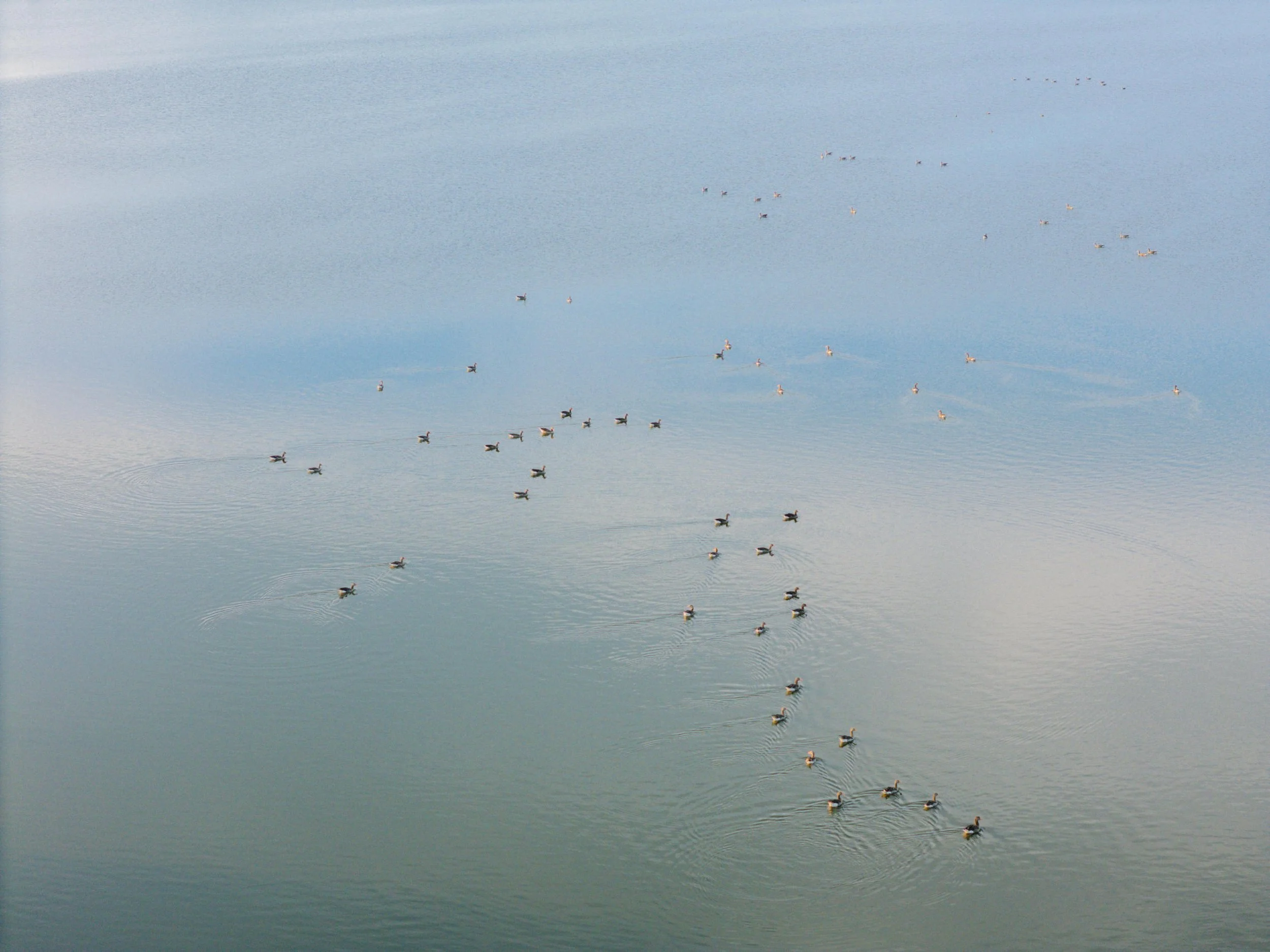
There are hundreds of wild geese here, flying around all day and honking constantly. I stopped and watched them for quite a while, even though I probably know far too many little details about geese. For example, geese use oil secreted from a gland near the base of their tail to preen their feathers, helping make them water-resistant. That’s why water tends to bead up and roll right off their feathers. During moulting season, they can lose most of their flight feathers at once and become temporarily flightless. This is also one reason they often seek out safe bodies of water during this period.
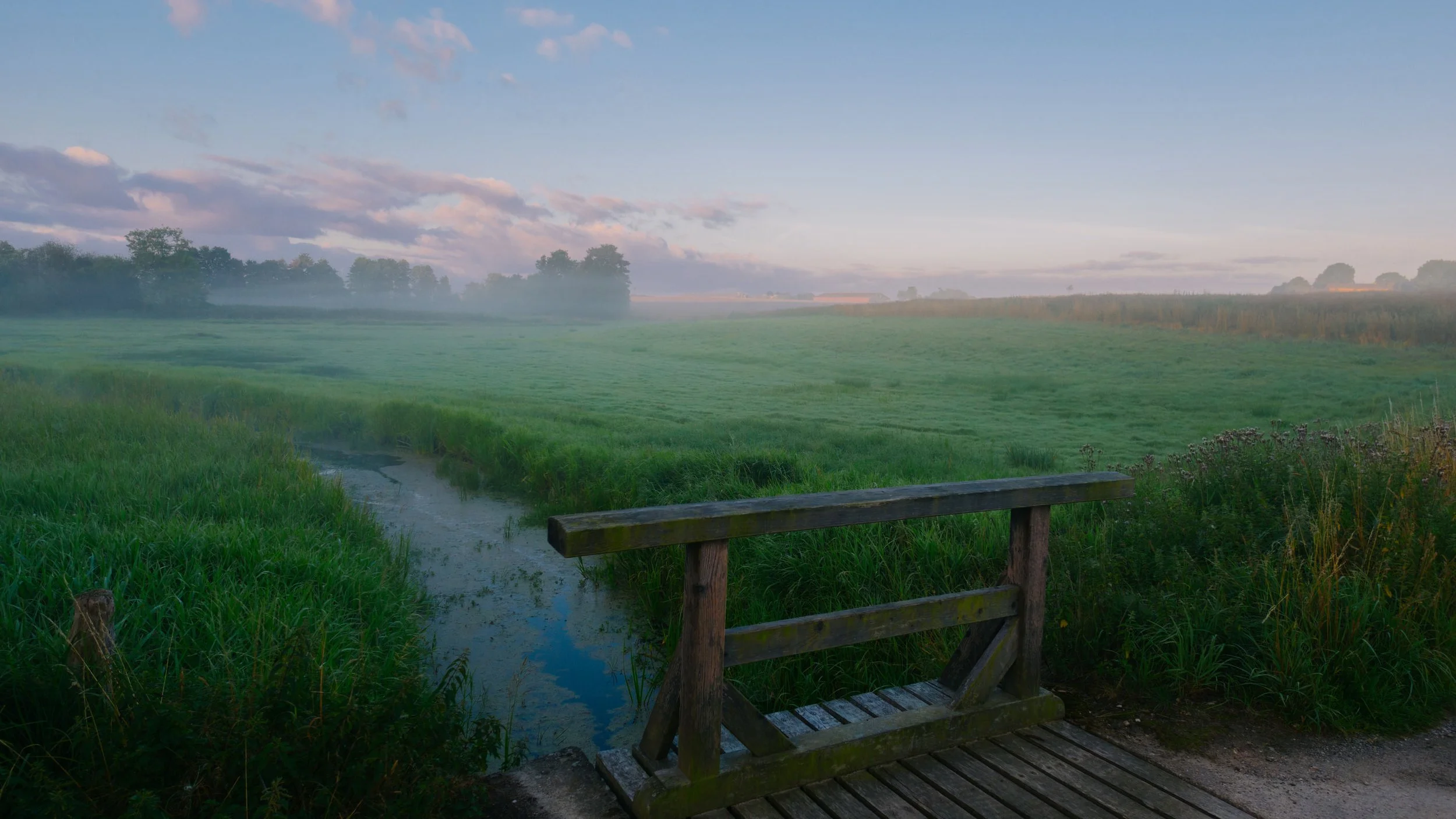
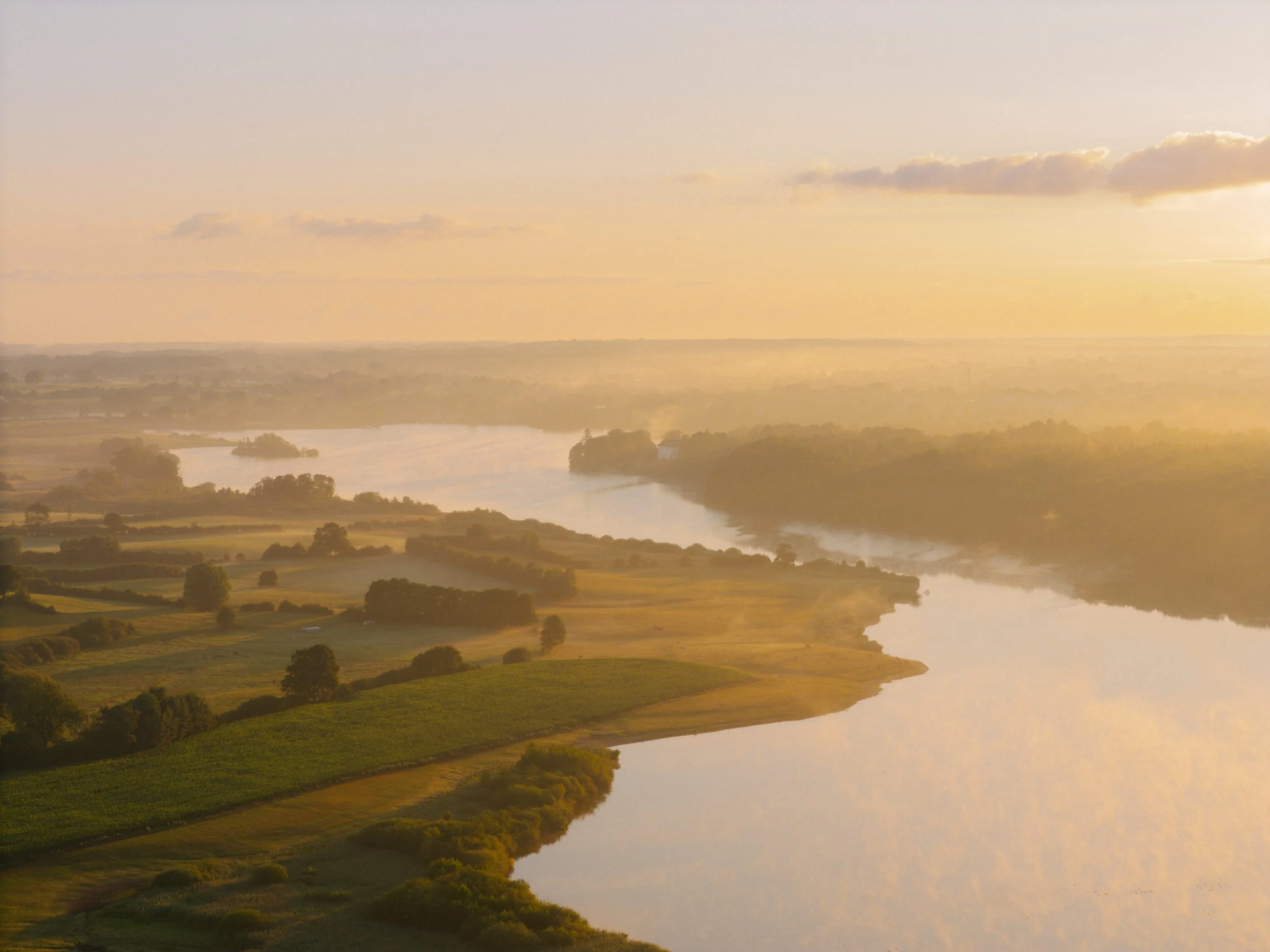
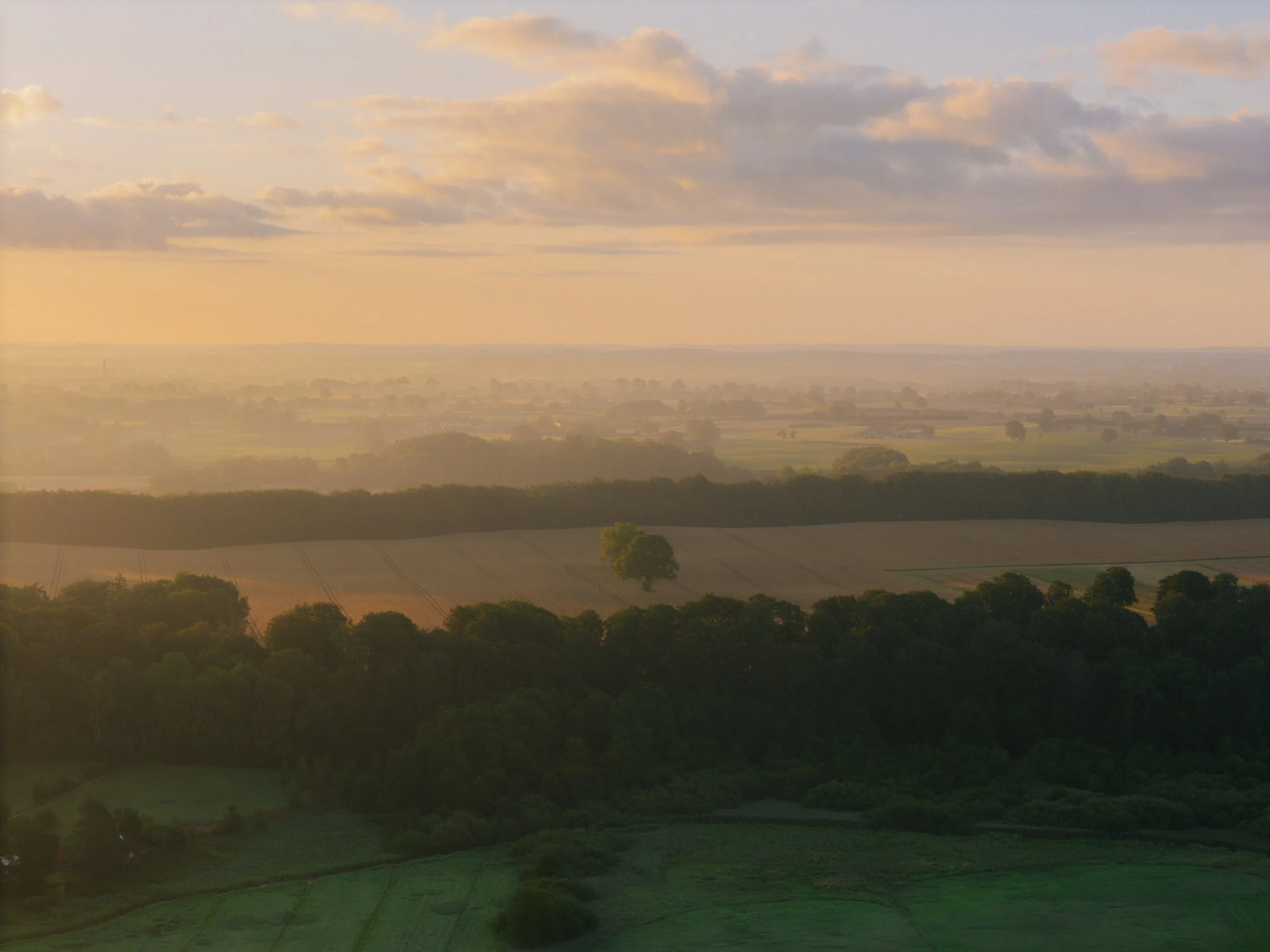
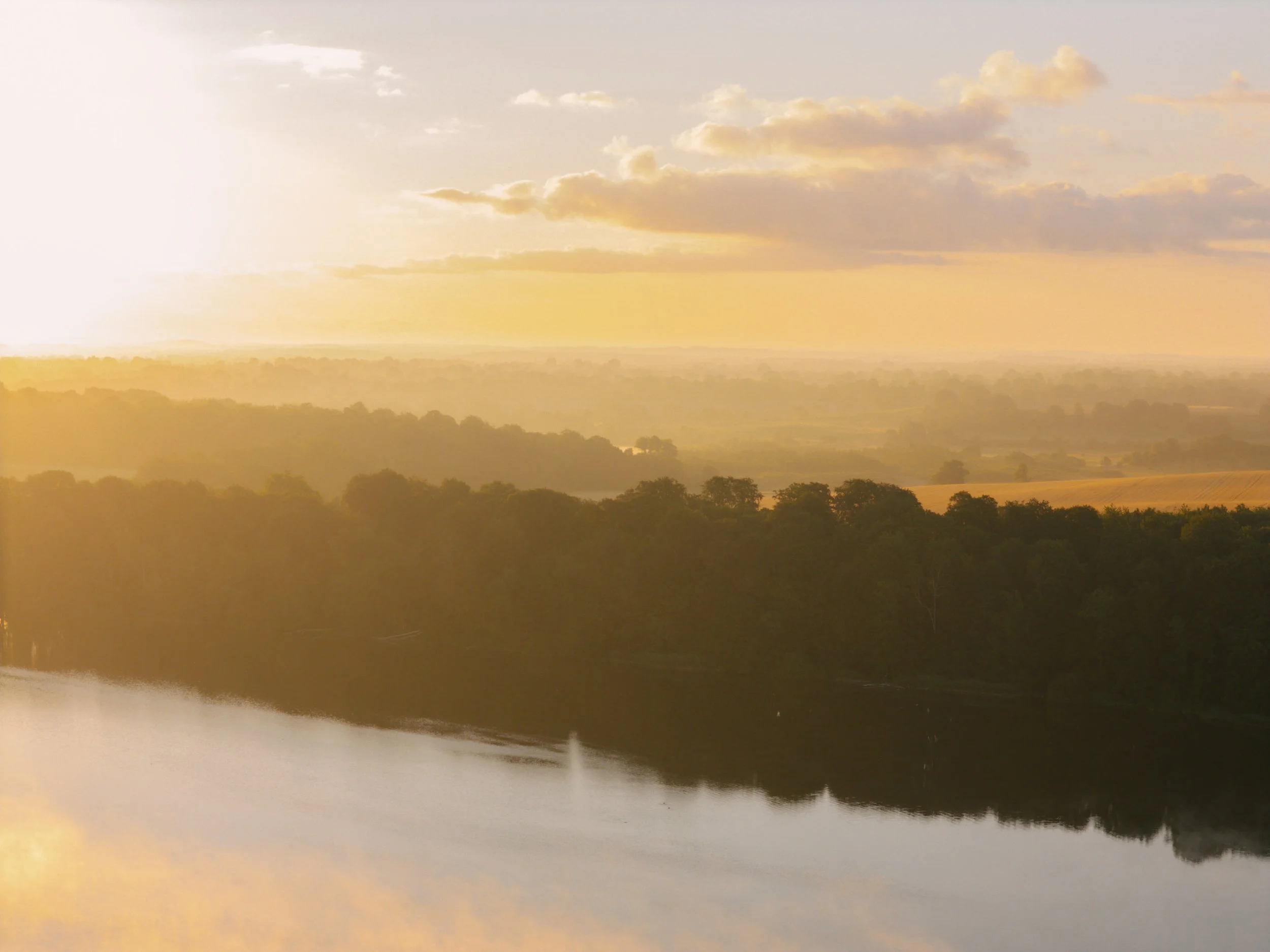
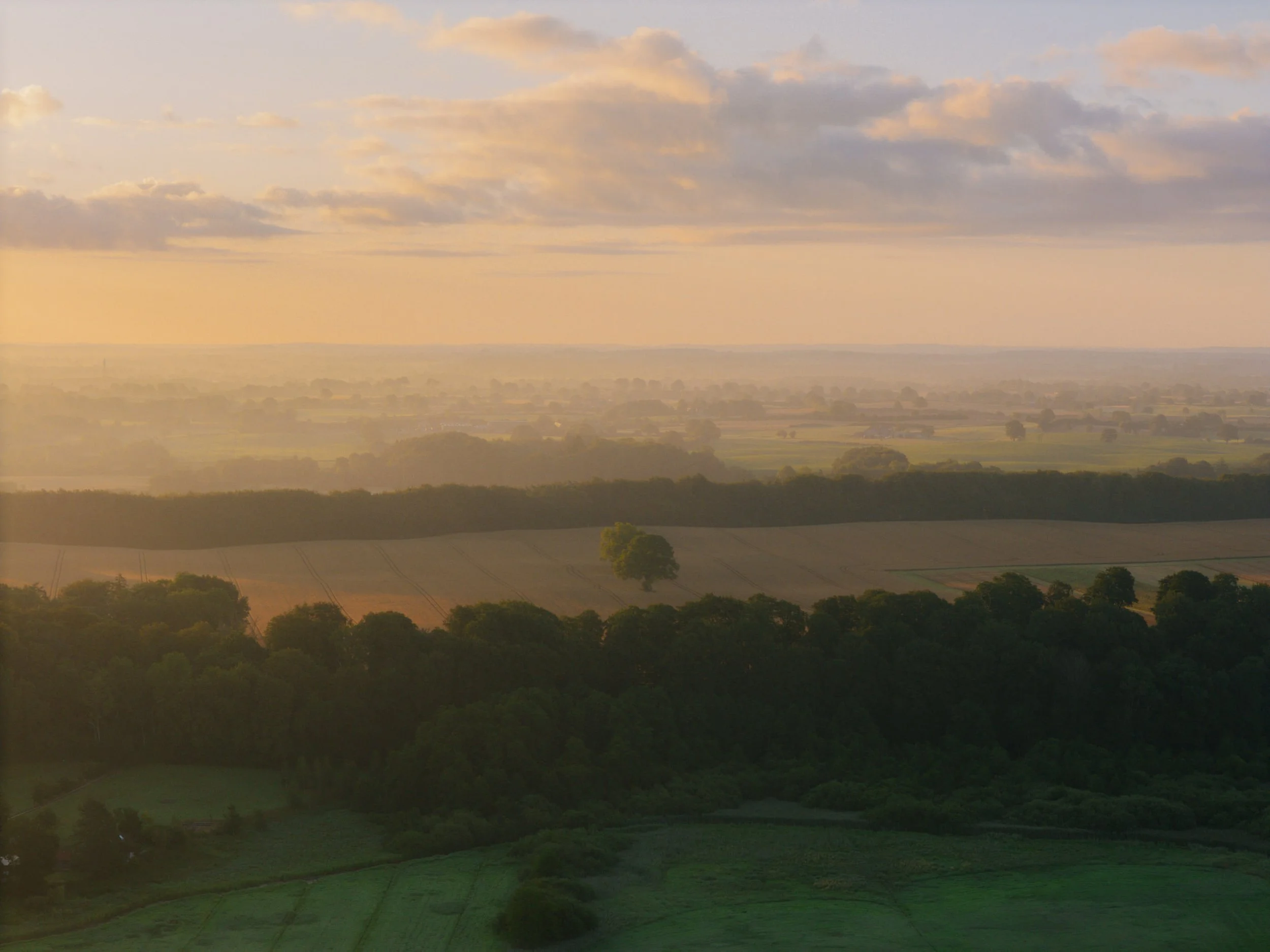
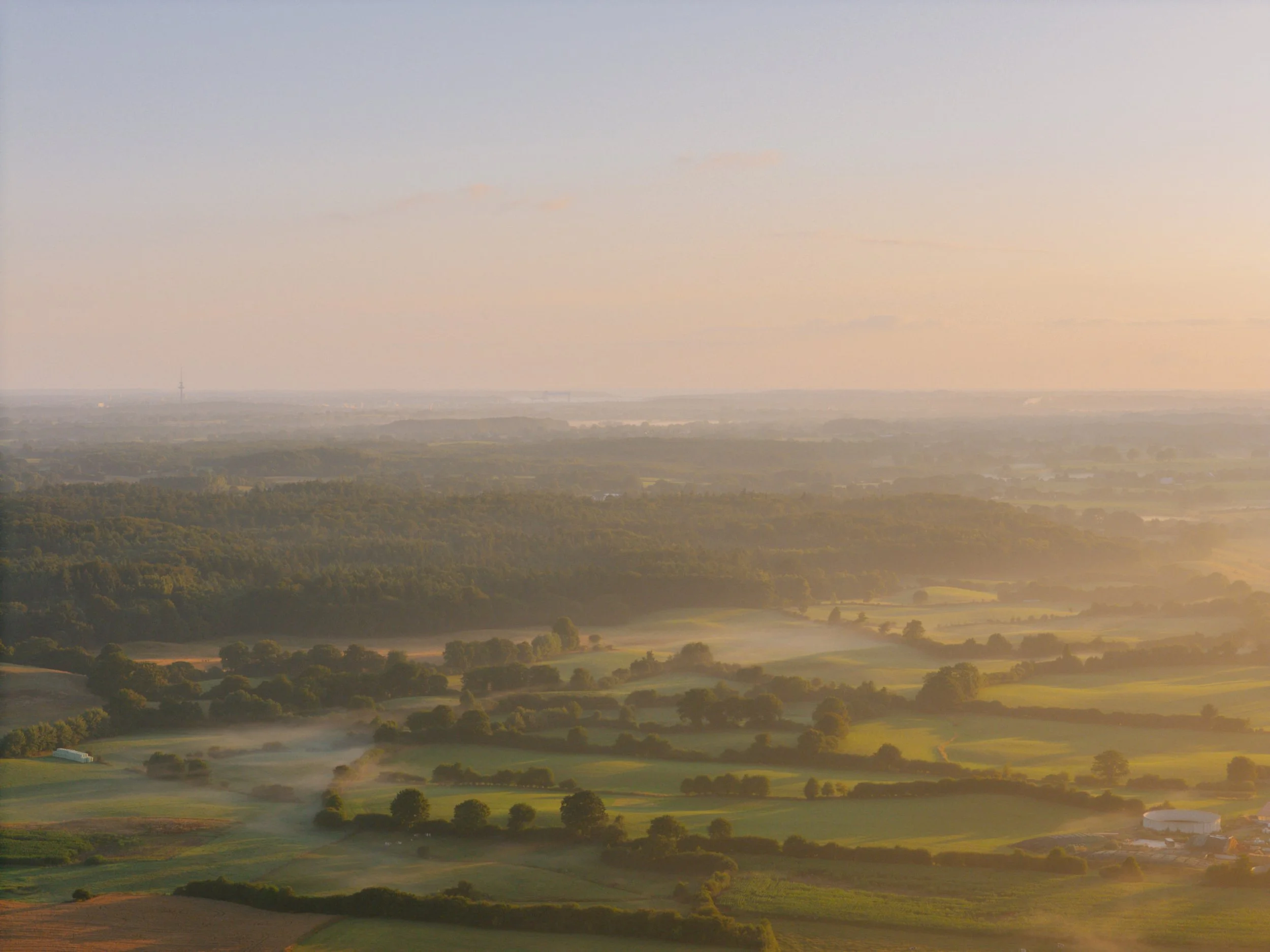
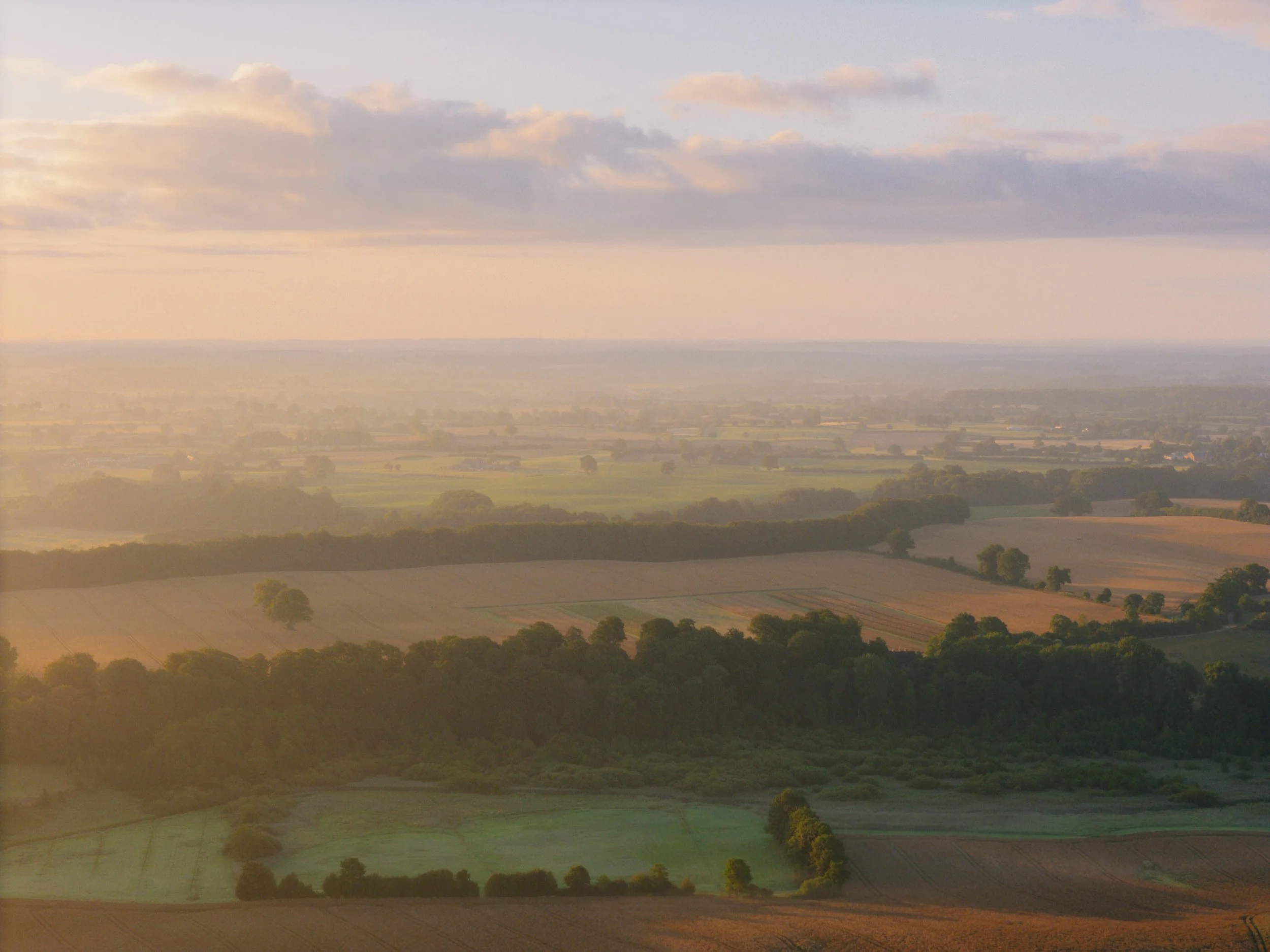
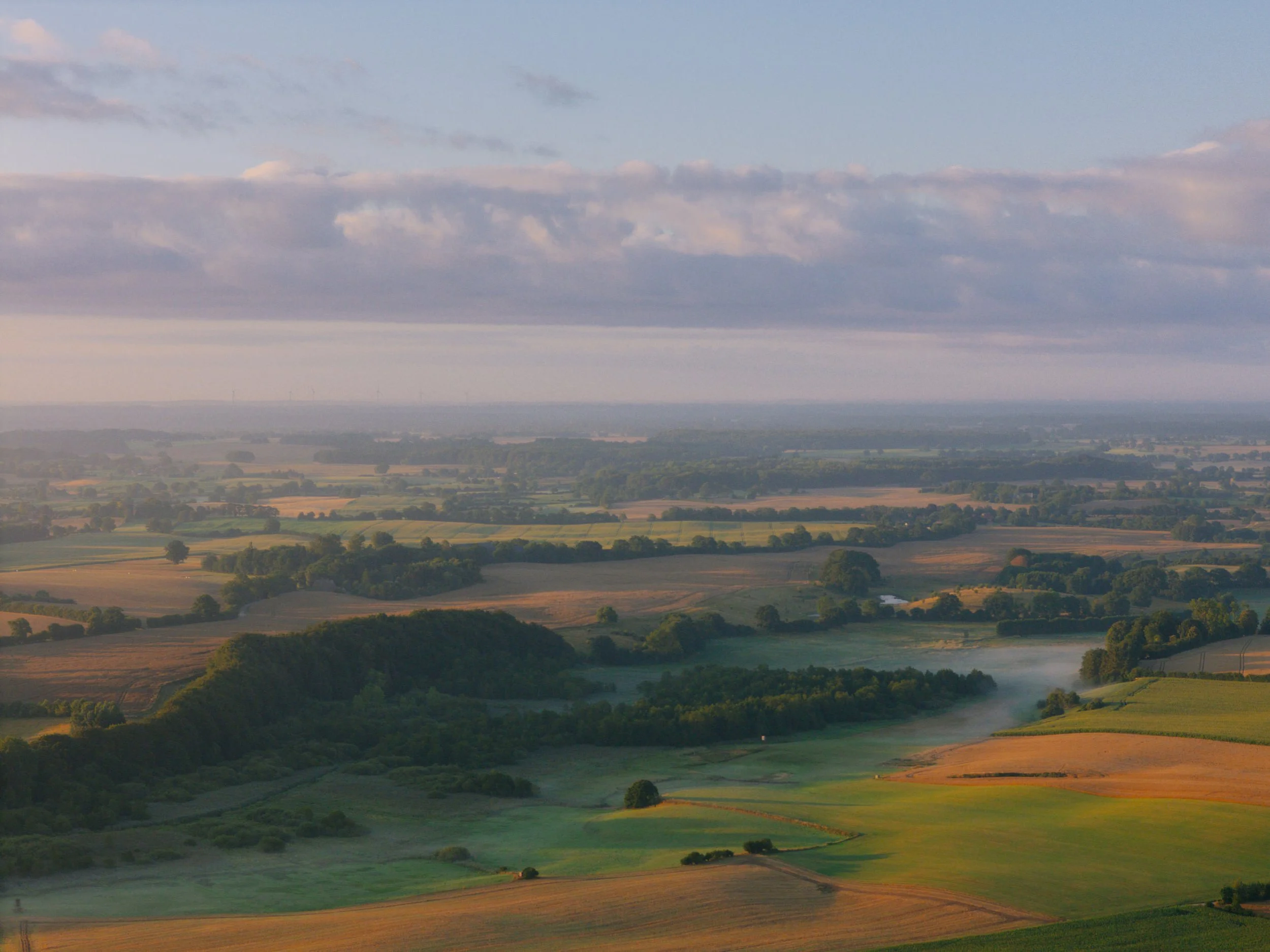
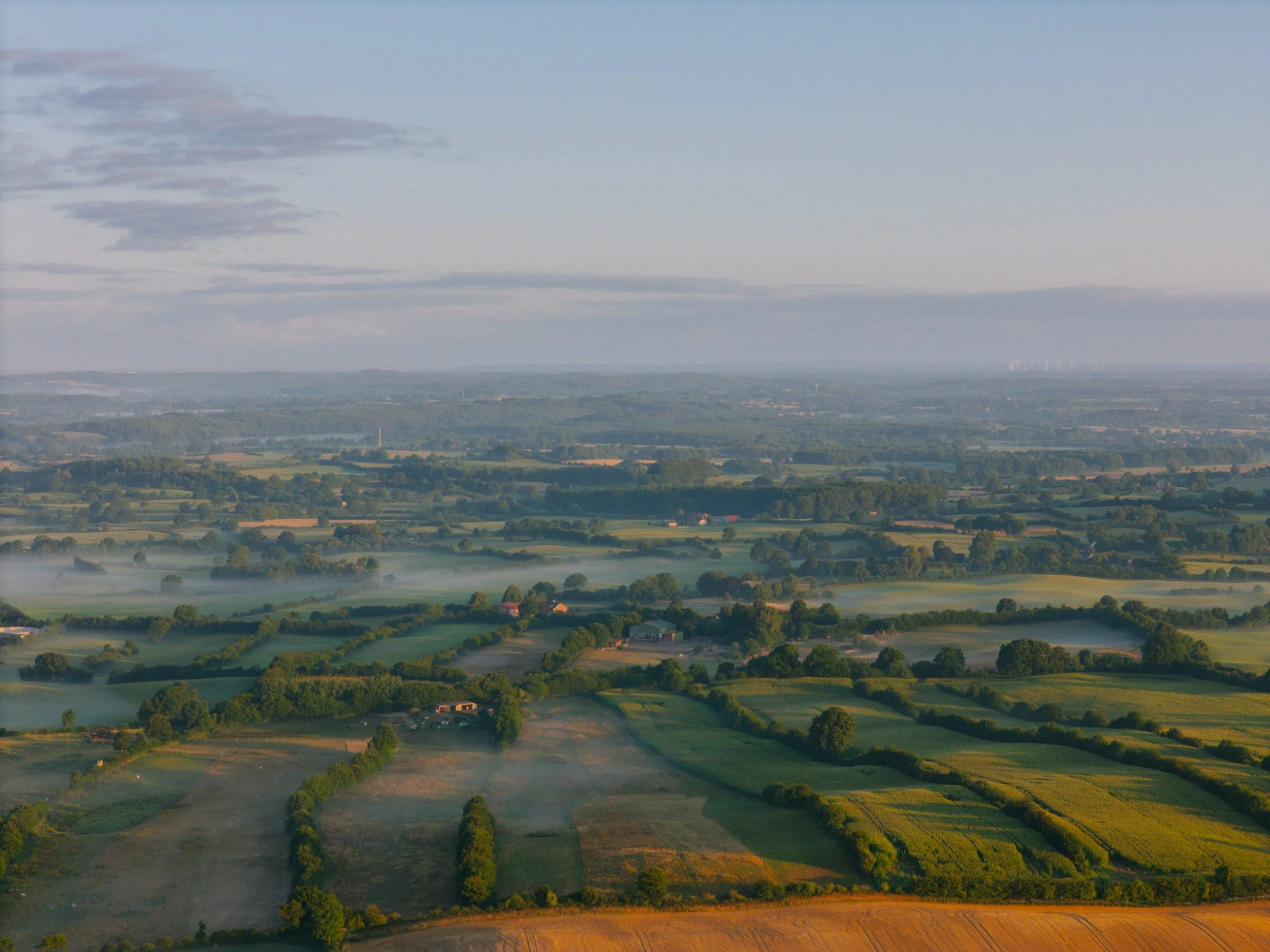
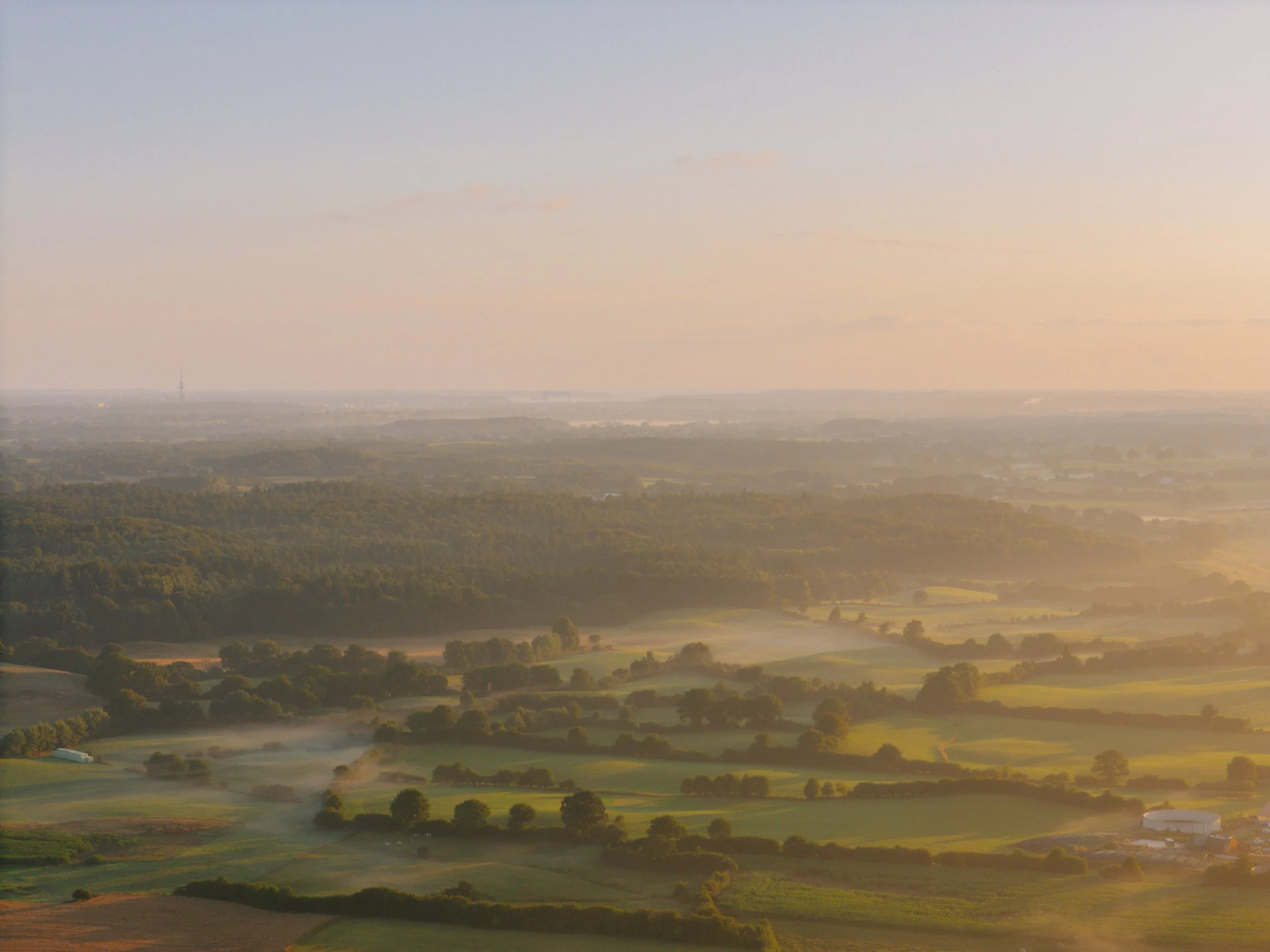
On my first morning here, it was foggy and cold after weeks of record-breaking heat in Germany. I went outside for a walk, and the lake had almost completely disappeared into the fog. And speaking of fog, I also know what morning mist over a lake looks like, much like I know those geese. Fog is essentially a cloud sitting close to the ground, forming when the air near the surface becomes cold enough for water vapor to condense into countless tiny droplets suspended in the air.
There is nothing particularly new about a cottage by a lake like this, and yet somehow, it felt completely different.
I noticed the color of the water in the morning, the layer of fog hanging over the edge of the forest, the geese gliding quietly across the lake, the way the light changed in the late afternoon, the old windows of the thatched-roof cottage, the creaking of the old wooden staircase beneath every footstep, and the smell of burning wood from the stove.
I thought of this line from Gabriel García Márquez’s One Hundred Years of Solitude:
“El mundo era tan reciente, que muchas cosas carecían de nombre, y para mencionarlas había que señalarlas con el dedo.”
Roughly translated to English: “The world was so recent that many things lacked names, and to mention them, you had to point at them with your finger.”
At the beginning of the novel, Macondo is described as a very young settlement. The people there live among countless things they have never encountered before, or have not yet had the chance to properly categorize and name.
So “lacked names” doesn’t simply mean that nobody had invented a word for these things yet. It suggests that the world had not yet been fully understood, organized, classified, or made familiar.
Humans like to name things as a way of saying: I know what this is. I know where it belongs.
When something has no name, it remains strange, open, suspended somewhere in the unknown. We need names to help us understand, navigate, and survive in this enormous world.
What I find interesting is that García Márquez didn’t write: “The world was new.” He wrote that the world was “recent.”
“New” usually describes the condition of a thing.
But “recent” makes me think about time. It makes the entire world feel as though it has only just happened. As though humanity has just arrived in a world that hasn’t existed long enough to become ordinary.
And that feels very close to what happens when we travel.
When we live somewhere for many years, we gradually stop really looking at our surroundings. We could probably navigate the streets with our eyes closed, know where every road leads, recognize the shape of the buildings, the sounds at ten in the morning, the smell of the local market, the view from the living room window when the afternoon sun briefly breaks through. Everything already has a name and a feeling attached to it in our minds.
But when we arrive somewhere new, even for a short while, that familiarity disappears.
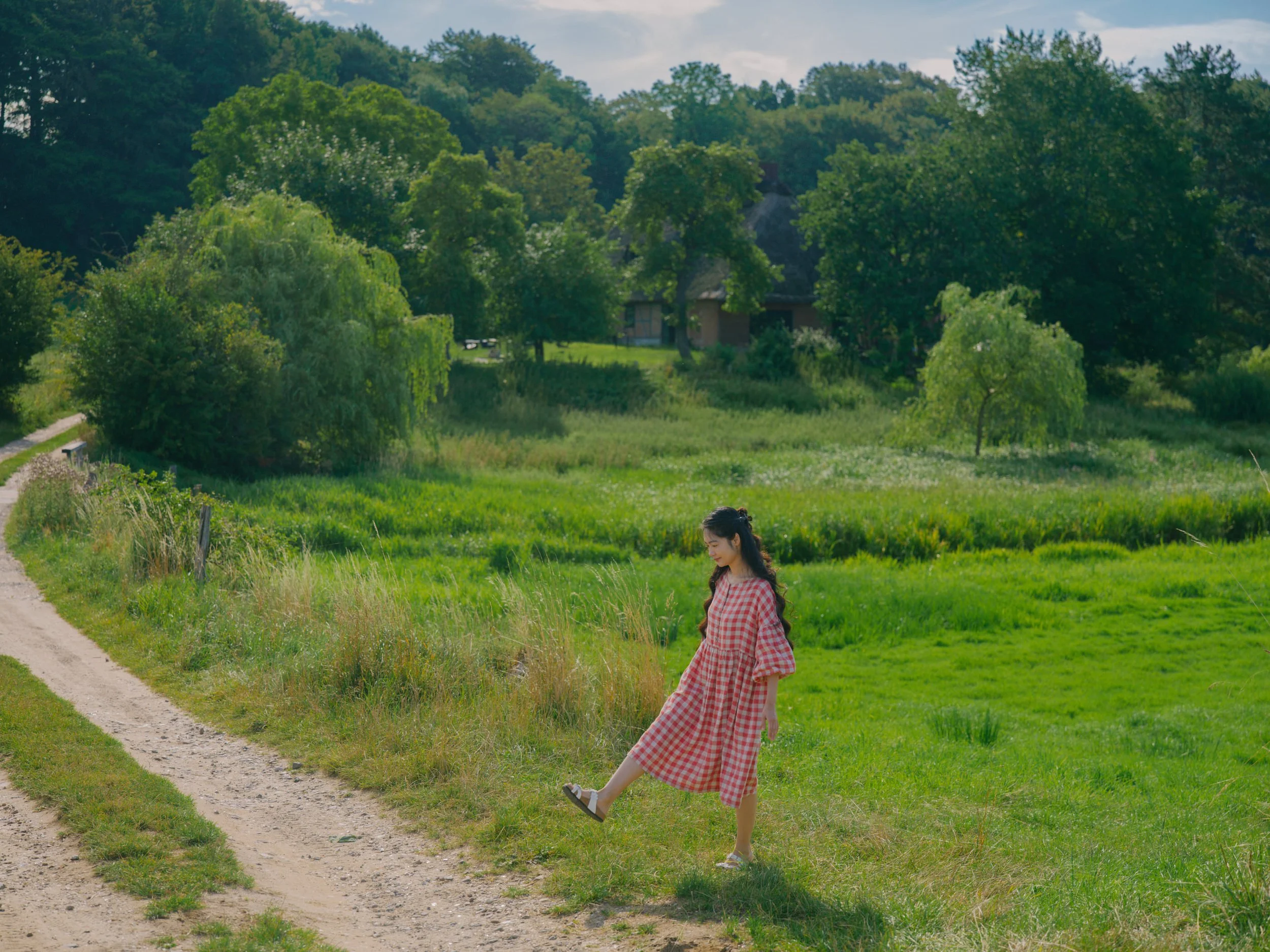
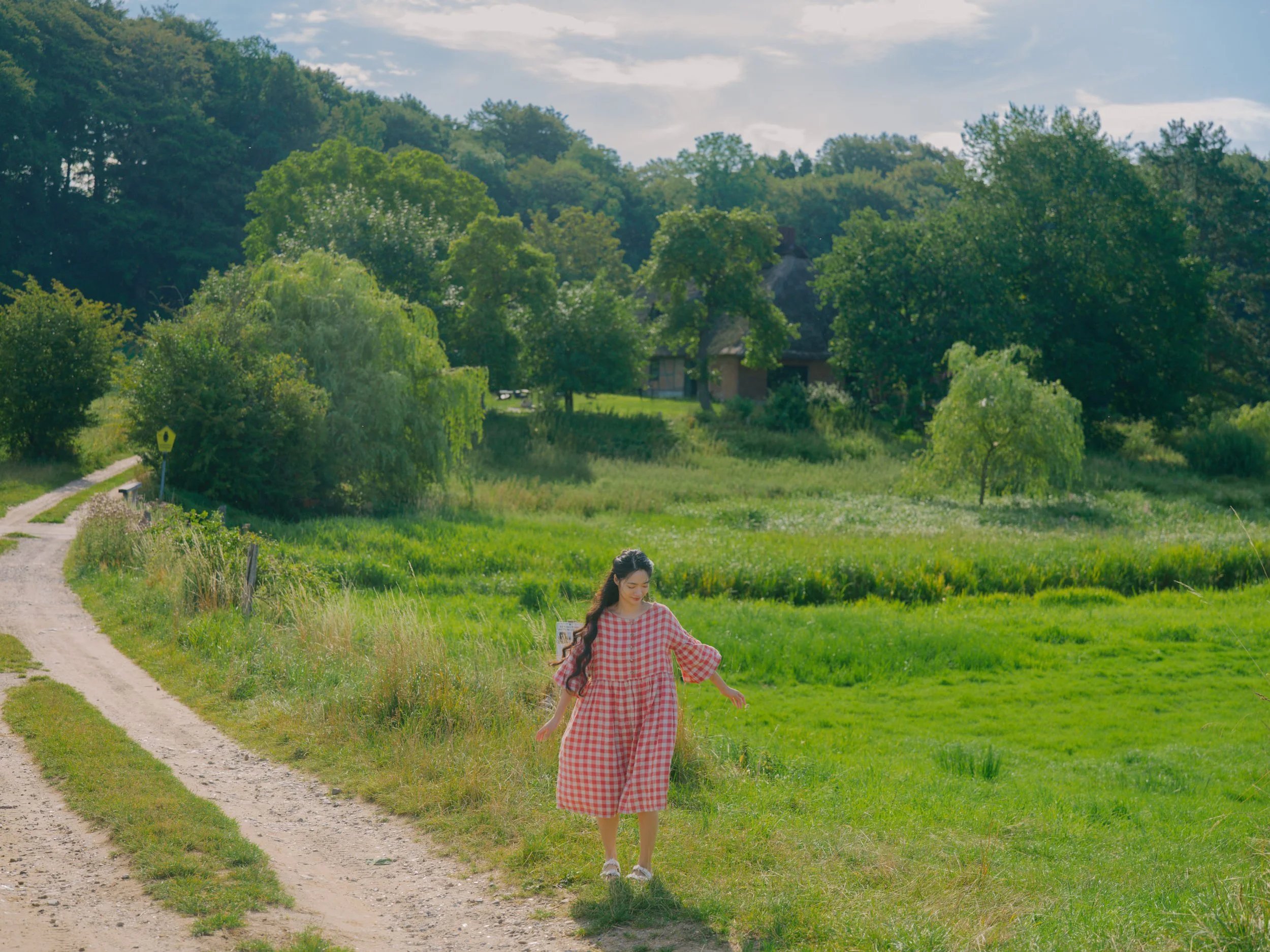
A lake is no longer simply the lake.
There is another strange scene in Macondo when an insomnia plague spreads through the town. At first, people simply stop sleeping. But as the sleeplessness continues, something much more frightening happens: they begin to lose their memories.
And as they begin to forget, they gradually forget the names of the things around them. They can look at a cow and know that there is an animal standing in front of them, but no longer remember what it is called. So they start putting labels on everything: the cow, the table, the door, the window. Eventually, they even have to write down what each thing is used for.
A name seems like such a small thing, yet once you lose it, something familiar can suddenly become completely strange. The thing itself is still there. The cow is still standing in front of you. The door is still a door. But the connection between that thing and the meaning we have given it has disappeared.
And that is when Márquez’s sentence at the beginning of the book becomes much more interesting.
At first, it sounds as though Macondo is simply a young place where people are discovering everything for the first time. But when the characters begin losing their memories, the same thing happens for a completely different reason. The world becomes unfamiliar again, not because it is new, but because nobody remembers it anymore.
Perhaps that is what Márquez is getting at with the relationship between memory and naming things.
Names aren't only there to help us remember events. They also help us remember the meaning that things carry for us. And once that meaning disappears, even the most familiar world can become strange.
Maybe we don’t need to travel from one attraction to another anymore, simply to mark them off as places we’ve been. Perhaps what makes us remember a place isn’t the photograph in front of its most famous castle, but some small, seemingly insignificant moment that wouldn’t mean much to anyone looking from the outside. Details that wouldn’t even make it onto a list of “places you have to see.”
Because modern life has made us so accustomed to immediately naming everything. We photograph it, post it, tag the location, write a few line caption, see how many people liked it, and move on to the next thing.
One Hundred Years of Solitude, then, is not simply the story of a family living through a hundred years in Macondo. It is a story about humanity: people living, loving, losing, repeating old mistakes, and eventually letting time carry everything away. The same names are repeated across generations. The same personalities seem to return. Things that should belong to the past keep coming back in different forms. And perhaps the most frightening thing is not that everything disappears, but that everything keeps repeating until people no longer realize they are living through an old story again.
That is perhaps why memory, even the most ordinary and insignificant memory, becomes so important when it is personal.
If we look from this perspective, slow living isn't really about living more slowly. It is about reversing that instinct to immediately name and categorize everything.
That instead of asking, “What makes this special?” we simply think: “Look at that.”
Nothing more. Nothing less.
For a brief moment, the world feels as though it has become “recent” again. Not because the world has changed, but because, for a few fleeting minutes, we have forgotten just how familiar it had become.
I license my music on Artlist & Epidemic Sound! Click the link below to get 2 extra months free :)
https://share.epidemicsound.com/npm4hd
https://bit.ly/3NgdrIY
Sign up my Youtube Membership to access to exclusive content & perks :)
https://www.youtube.com/@Her86m2/membership
SUPPORT ME SO I CAN CREATE MORE QUALITY CONTENT / ỦNG HỘ MÌNH LÀM TIẾP NHỮNG NỘI DUNG NHƯ NÀY:
https://paypal.me/ThuThuyDao
https://buymeacoffee.com/her86m2
https://www.patreon.com/her86m2
PHOTO EDITING PRESETS FOR LIGHTROOM / PRESETS CHỈNH ẢNH:
BUYING PRINTS / MUA ẢNH IN MÌNH CHỤP:
https://www.her86m2.com/print-shop
STAY CONNECTED / KẾT NỐI VỚI MÌNH:
Website: https://www.her86m2.com
Facebook: https://www.facebook.com/th.thuydao
Instagram: https://www.instagram.com/thuydao__/
I license my music on Artlist & Epidemic Sound! Click the link below to get 2 extra months free :)
https://share.epidemicsound.com/npm4hd
https://bit.ly/3NgdrIY
Sign up my Youtube Membership to access to exclusive content & perks :)
https://www.youtube.com/@Her86m2/membership
SUPPORT ME SO I CAN CREATE MORE QUALITY CONTENT / ỦNG HỘ MÌNH LÀM TIẾP NHỮNG NỘI DUNG NHƯ NÀY:
https://paypal.me/ThuThuyDao
https://buymeacoffee.com/her86m2
https://www.patreon.com/her86m2
PHOTO EDITING PRESETS FOR LIGHTROOM / PRESETS CHỈNH ẢNH:
BUYING PRINTS / MUA ẢNH IN MÌNH CHỤP:
https://www.her86m2.com/print-shop
STAY CONNECTED / KẾT NỐI VỚI MÌNH:
Website: https://www.her86m2.com
Facebook: https://www.facebook.com/th.thuydao
Instagram: https://www.instagram.com/thuydao__/